Dec . 02, 2025 20:06
Salted Sausage Casings Factories: Why They Matter More Than You Think
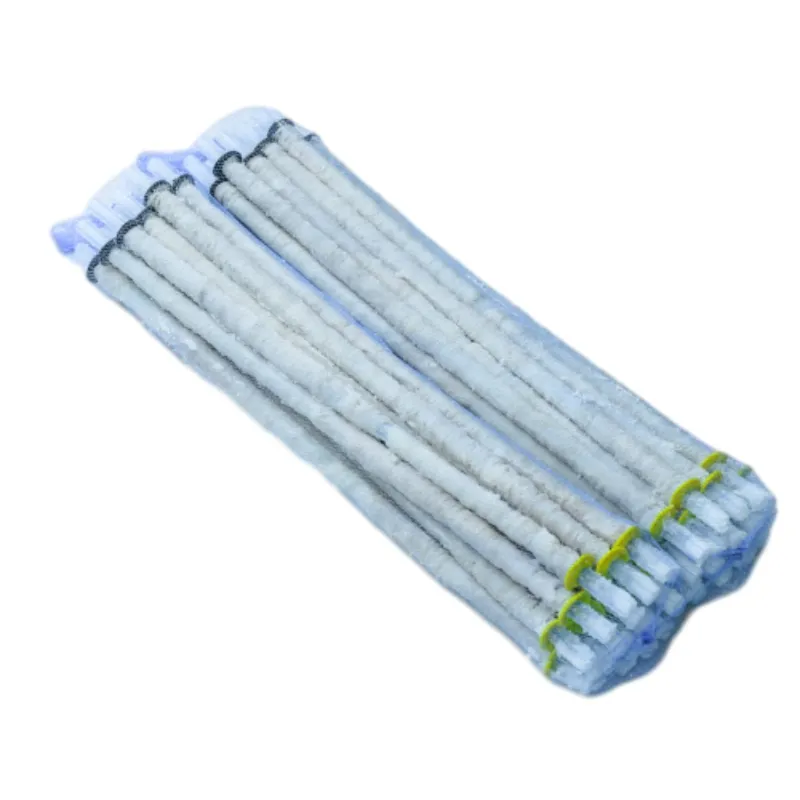
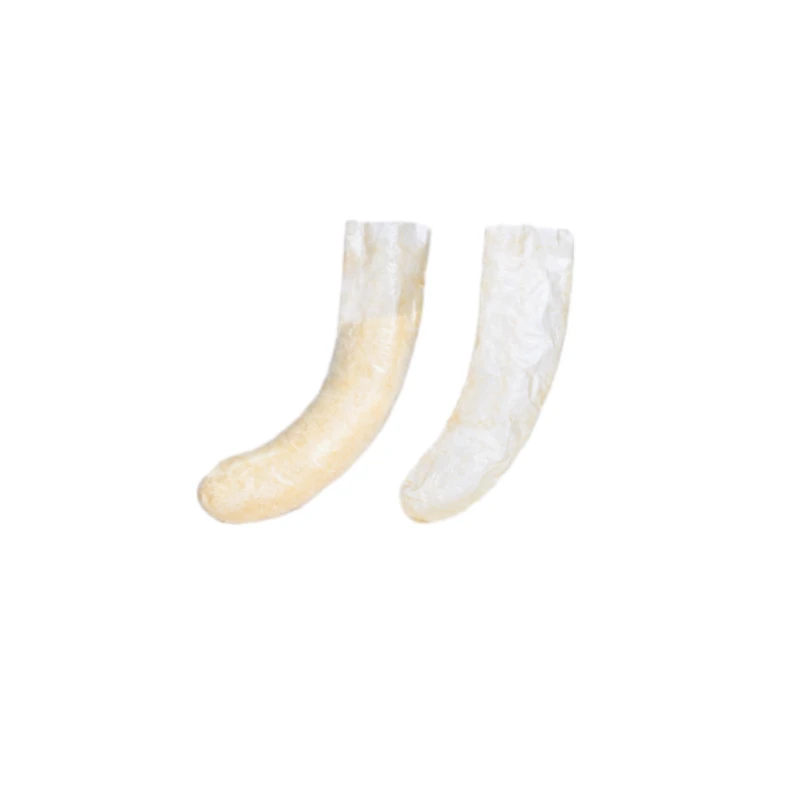
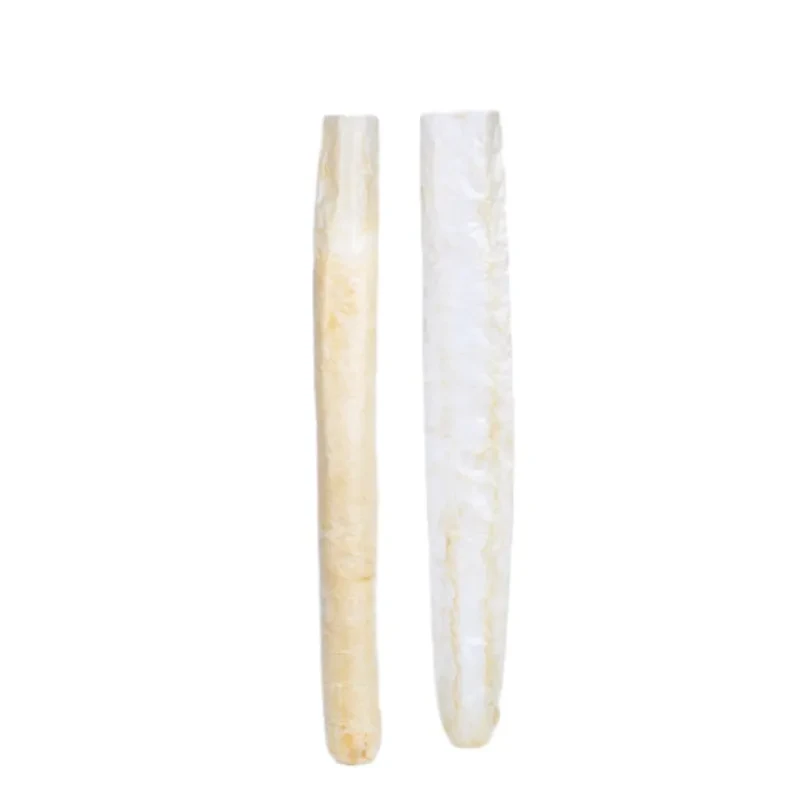
Salted sausage casings factories might not be the first thing that comes to mind when you think about food manufacturing—but they’re quietly essential worldwide. In a nutshell, these factories produce the natural or synthetic casings treated with salt, which help preserve sausage products and give them that traditional snap and texture we all love. Beyond just making tasty links, understanding the global role of salted sausage casings factories sheds light on food safety, supply chain efficiency, and even cultural food preservation in many regions.
You may wonder why the salted aspect is so important. Salt acts as a preservative, extending shelf life and reducing microbial risks in meat products. Considering that sausage consumption is a staple in many countries — especially in Europe, Asia, and the Americas — these factories play a vital role in food security and industry sustainability.
Global Context: Salted Sausage Casings Factories in the Modern Food Industry
Globally, meat processing represents a multi-billion dollar industry, and according to ISO standards for food safety, quality of casings directly impacts product integrity. Salted sausage casings factories exist in clusters in Europe (Germany, Poland), Asia (China, Vietnam), and North America due to historical demand and access to raw materials such as animal intestines or collagen.
Despite ongoing shifts towards plant-based protein alternatives, sausage production remains robust. The Food and Agriculture Organization reports steady global meat consumption growth of roughly 1.5% annually — and without properly salted casings, this demand couldn't be met safely or sustainably.
Challenges have emerged, such as environmental concerns tied to natural casing harvesting and stringent hygiene demands. Factories must balance traditional methods with modern efficiency and regulatory compliance — a tricky balancing act driving innovation in the field.
What Exactly Are Salted Sausage Casings Factories?
So what defines a salted sausage casings factory? Simply put, these are specialized manufacturing plants where raw collagen or natural animal intestines are processed, shaped into casings, then salted to preserve them for shipping and usage. Salt is applied to prevent microbial degradation and help maintain elasticity.
Think of these factories as the linchpin between animal harvesting and the final sausage product on your plate. Their work ensures that millions of sausages globally remain safe to eat, taste great, and hold their shape during cooking.
Moreover, these factories intersect not only with food production but with humanitarian initiatives. In emergency relief, for example, preserved meats packed in salted casings offer long-lasting nutrition when refrigeration is scarce.
Core Components That Define Salty Sausage Casing Production
1. Raw Material Sourcing
Whether from cleaned hog or sheep intestines, or collagen from bovine sources, the quality of input directly affects casing performance. Sustainable sourcing has become a hot topic, especially as some suppliers adopt ethical livestock management standards.
2. Salt Treatment Process
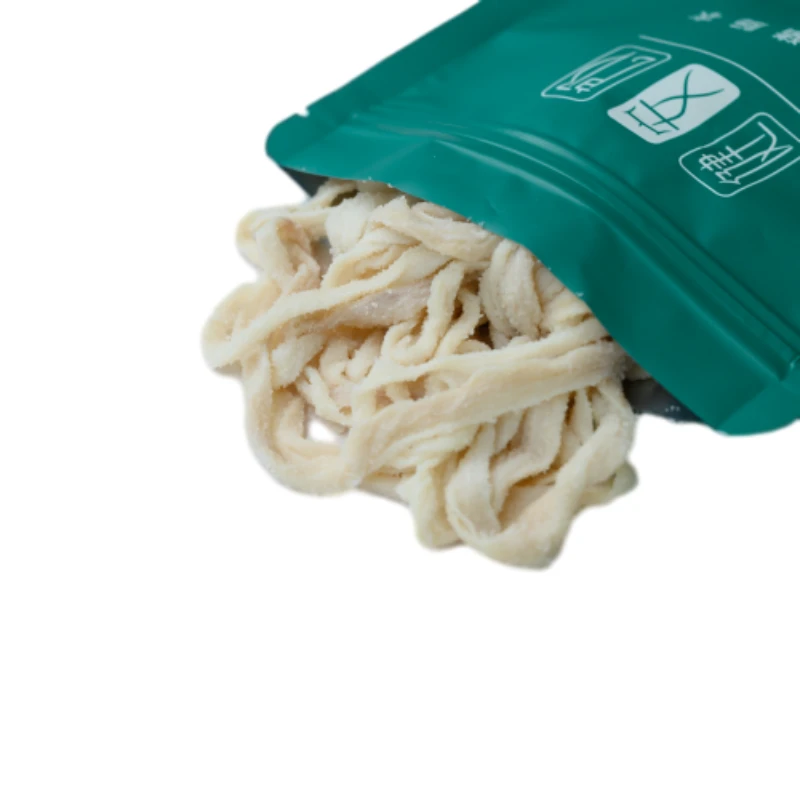
The application of salt often follows precise steps: soaking, salting, drying, and packaging. This preserves the casing but also controls moisture and texture, ensuring that the sausage casing won’t degrade prematurely.
3. Hygiene and Quality Control
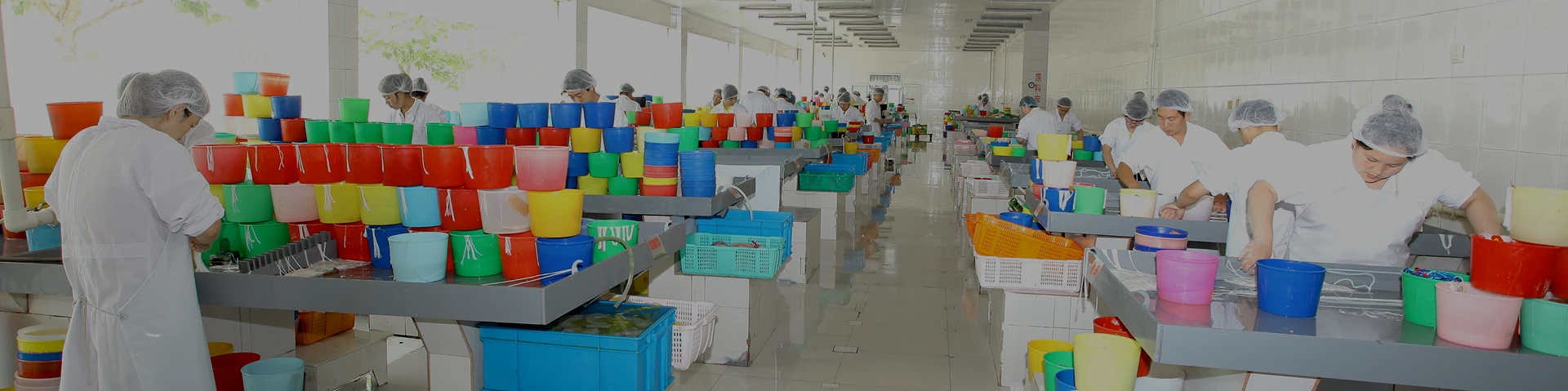
Given that casings contact raw meat, strict cleanliness protocols are essential. Many factories deploy end-to-end monitoring and traceability — you can almost imagine a lab coat-clad technician examining results hourly.
4. Scalability & Production Capacity
From smaller artisanal operations to large-scale industrial plants, capacity varies widely. Flexibility matters, since demand might spike seasonally or regionally, especially around festivals that feature traditional sausage recipes.
5. Packaging and Storage Techniques
Post-salting, casings must be kept under controlled temperatures and humidity to maintain integrity during transport. Some modern factories employ vacuum-sealed packaging with precise atmospheric controls.
Mini Takeaway:
In practical terms, every step from sourcing to storage shapes the final casing quality, which in turn influences food safety, taste, and shelf life.
Where Salted Sausage Casings Factories Make Their Mark Globally
Salted sausage casing production isn't just about Europe’s legendary bratwursts or Italy’s vast cured meats industry. It's also pivotal in:
- Asia: Countries like China and Vietnam have ramped up production to serve booming domestic consumption and export markets.
- Latin America: Factories in Argentina and Brazil supply both local and global markets with unique regional sausages.
- Emergency & Remote Applications: NGOs and aid agencies often transport salted-casing sausages to areas with unreliable refrigeration.
One interesting point is how remote northern communities in Canada and Alaska also rely on salted casing products for preservation during long winters — blending traditional knowledge with modern production.
Product Specification Table
| Specification | Details |
|---|---|
| Raw material | Natural intestines (hog, sheep), collagen, cellulose |
| Salting method | Dry salting, brine soaking, vacuum packaging |
| Diameter ranges | 14–40 mm (varies by sausage type) |
| Storage conditions | Refrigerated (2–8°C), dry & cool |
| Shelf life | Up to 6 months salted, vacuum packed |
Comparing Major Vendors of Salted Sausage Casings
| Vendor | Material Types | Annual Capacity | Sustainability Initiatives | Pricing Tier |
|---|---|---|---|---|
| NaturalCasings Co. | Hog & sheep intestines | 500 tons/year | Ethical slaughter sourcing | Mid-range |
| CollaShell Ltd. | Bovine collagen casings | 1,200 tons/year | Energy-efficient drying tech | Premium |
| EcoSalt Casings | Synthetic cellulose | 900 tons/year | Biodegradable packaging | Economical |
Advantages and Long-Term Value of Salted Sausage Casings Factories
What really stands out when we look beyond just the traditional benefits? Well, salted casings factories enhance shelf stability dramatically, reducing food waste. Their products allow manufacturers to ship sausages long distances without refrigeration, which is an economic and energy-saving gain.
On a social level, these factories support rural economies by providing jobs and upholding traditions that have fed communities for centuries. They help maintain taste authenticity that synthetic options sometimes lack — a nod to heritage and trust that consumers value.
Emerging Trends and Future Innovations
The salted sausage casings industry is far from static. Innovations now focus on sustainability — for example, alternative salting techniques to reduce salt content without losing preservation qualities. Digital sensors monitor humidity and salt levels continuously during production, reducing defects.
Others experiment with enzymes and natural additives to enhance casing longevity and even introduce plant-based collagen alternatives. Automation, including robotic handling of delicate casings, is reducing labor costs and contamination risks.
Overcoming Challenges in Production and Supply
Of course, no industry is without its hurdles. Sourcing consistent raw materials can be tough given animal health regulations and seasonal variability. Salt itself, while vital, can be environmentally taxing if waste streams aren’t managed properly.
Many factories are turning to closed-loop systems that recycle salt solutions and water, cutting down on runoff. Strategic partnerships with farmers ensure steady and ethical supply chains. And, frankly, modern quality control equipment is making it easier to catch flaws early, preventing costly recalls.
FAQ: Salted Sausage Casings Factories
- Q: How long can salted sausage casings last before use?
A: When properly salted and stored in cool, dry conditions, casings can last up to six months. Vacuum packaging can extend this shelf life by minimizing moisture and microbial exposure. - Q: Are salted natural casings better than synthetic alternatives?
A: It depends on application. Natural casings offer superior texture and flavor adherence, preferred in premium products. Synthetic casings are more uniform and economical but may lack the “snap” traditional consumers expect. - Q: Can these factories scale quickly for rising demand?
A: Larger production plants often have flexible lines and partnerships enabling them to boost output seasonally. However, scaling is limited by raw material availability and stringent hygiene standards. - Q: How do salted sausage casing factories ensure compliance with food safety?
A: They typically follow ISO 22000 or HACCP standards, including traceability, regular microbial testing, staff training, and strict sanitation protocols.
Wrapping Up: Why Salted Sausage Casings Factories Deserve Your Attention
So, after peeling back the layers, it’s clear these factories are more than just processors of sausage skins. They’re cultural custodians, industry enablers, and vital players in global food logistics. Embracing modern methods while honoring tradition, they ensure you get that perfect sausage bite, whether in Munich, Hanoi, or a remote community reliant on long-lasting protein.
Curious to learn more or explore sourcing options? Visit our partner site for detailed insights and direct connections to salted sausage casings factories. Because good food starts with great casings — it feels like something worth savoring.