Dec . 02, 2025 20:06
Understanding the Role of a Salted Sausage Casings Exporter: A Global Perspective
Salted sausage casings – yes, those humble yet vital wrappings that give shape and safety to our beloved sausages – might seem like a niche product. But when you zoom out, understanding the salted sausage casings exporter sector opens a fascinating window onto global food supply chains, traditional meat processing, and international trade logistics.
Why does this matter globally? Well, sausages are a staple in cultures worldwide, from German bratwursts to Spanish chorizos and countless artisanal products. Salted casings preserve this heritage and enable the industry to safely transport products over long distances, preserving flavor and hygiene. For exporters, understanding the nuances can mean the difference between profitable trade and costly logistical issues.
In this article, we’ll explore what salted sausage casings exporters do, why they’re important, their key components, challenges, and future trends shaping this sector. So buckle up – it’s more meaty than you might expect.
Setting the Scene: The Global Impact of Salted Sausage Casings Exporters
Worldwide, the meat processing industry is massive – responsible for feeding billions daily. According to the United Nations Food Systems Summit, efficient meat preservation affects both food security and reducing waste.
Salted sausage casings exporters play a subtle but crucial part: they provide the essential materials that let manufacturers create safe, long-lasting sausages that cross borders with ease. Export volumes have grown steadily, especially in regions like Europe and Asia-Pacific, where traditional sausage-making is a cultural staple. Roughly speaking, the global sausage casing market is valued at hundreds of millions annually.
However, the industry faces challenges such as fluctuating raw material availability, rising regulatory scrutiny (especially linked to food safety and sustainability), and competition from alternative artificial casings. Exporters must navigate all these to keep the supply flowing.
What Exactly is a Salted Sausage Casings Exporter?
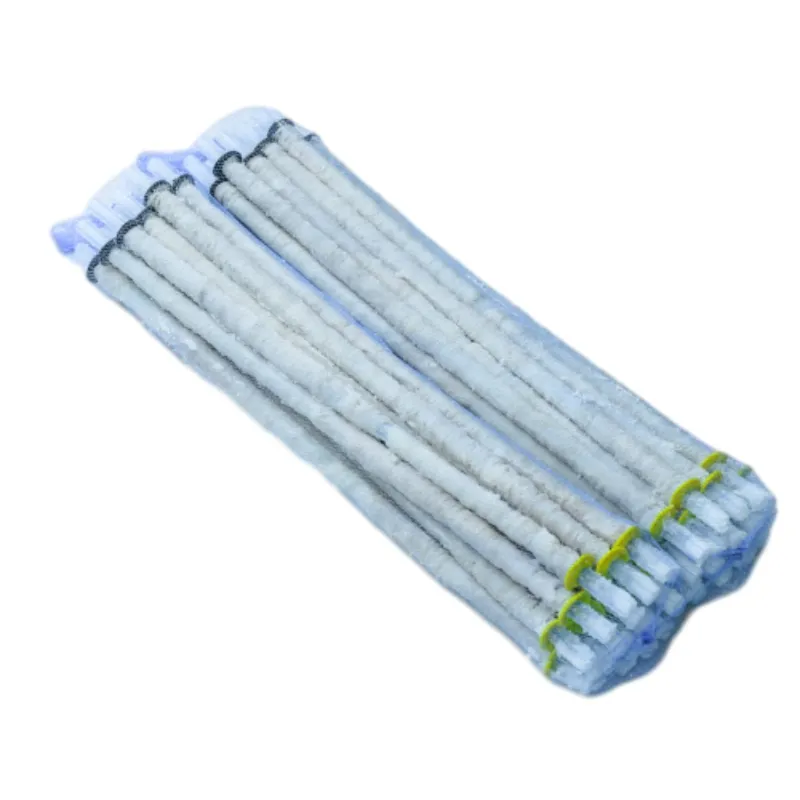
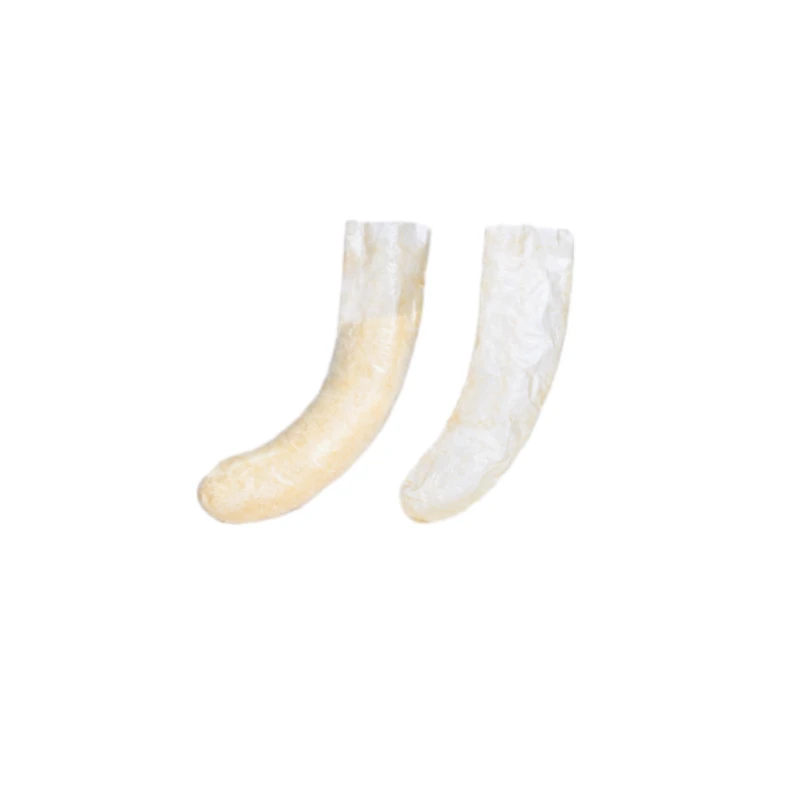
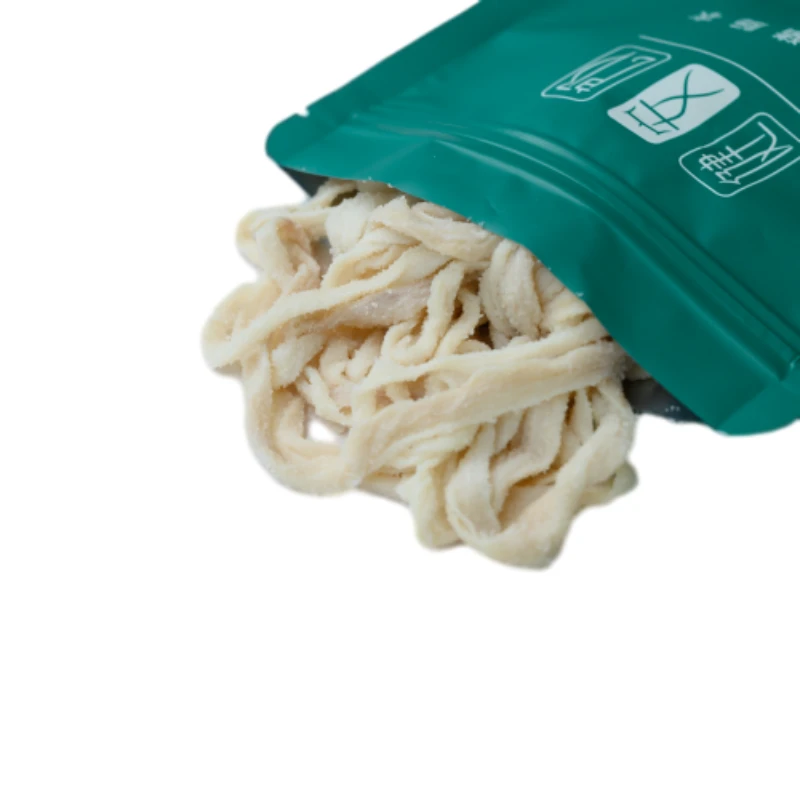
Put simply, a salted sausage casings exporter is a company or intermediary that supplies salted natural casings – traditionally made from cleaned intestines of animals like hogs, sheep, or cattle – to international customers. These casings are "salted" to preserve them, inhibiting bacterial growth during transit and storage before manufacturers convert them into sausages.
These exporters work at the crossroads of agriculture, food safety, and international trade. Their role is essential for connecting small and large meat processors worldwide to consistent, quality casings.
Interestingly, salted casings aren't just for commercial enterprises. Humanitarian initiatives and remote food producers also rely on these materials when refrigeration isn't feasible but durable, safe packaging is essential.
Core Components That Define an Effective Exporter
1. Quality Control and Traceability
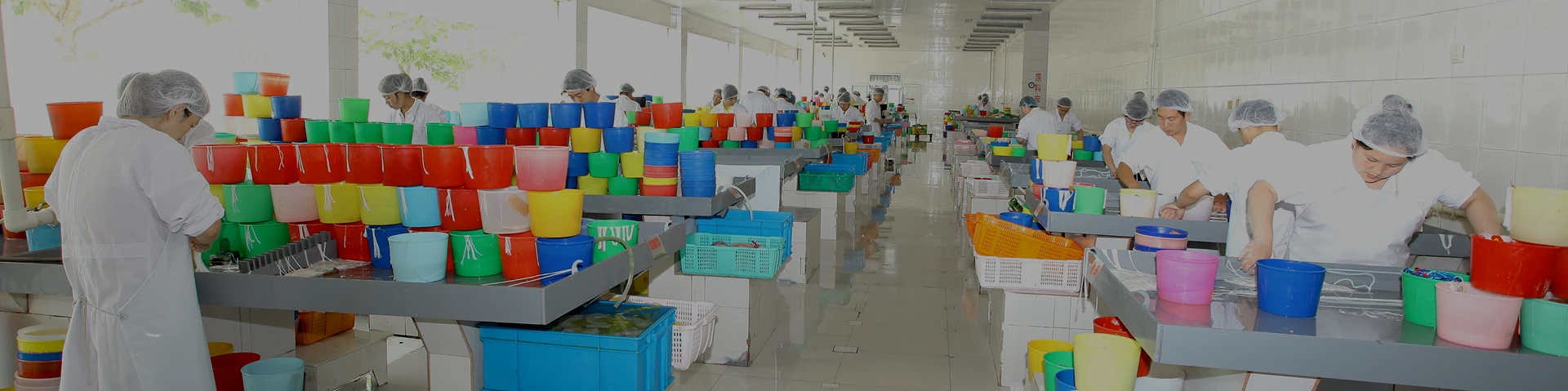
Natural casings are organic, so consistency is a challenge. Exporters must rigorously inspect, grade, and document each batch. Many have adopted ISO-standard quality protocols to assure customers of safety and consistency.
2. Logistics and Shelf Life Management
Salt preserves but isn’t a miracle. Managing the timing of shipments, packaging, and storage conditions is critical. An exporter with robust cold chain or moisture-controlled packing can make a big difference.
3. Variety and Adaptability
Different sausages call for different casing sizes and types. Exporters offering a wide range — from thin sheep casings to thick beef options — cater better to diverse markets.
4. Compliance with International Regulations
Food safety laws change country by country. A savvy exporter stays updated on import restrictions, veterinary certifications, and evolving standards like those from the ISO or EU.
5. Sustainable and Ethical Sourcing
As consumers demand transparency, many exporters highlight responsible sourcing — ensuring animal welfare standards and minimal environmental impact, which ties into modern brand values.
Mini takeaway:
Essentially, the best exporters are those who combine quality, flexible product ranges, and up-to-date regulatory savvy to serve global customers reliably.
Real-World Applications & Regional Highlights
Across Europe, especially in countries like Germany, Italy, and Spain, traditional butcheries depend on salted natural casings for authentic flavors. In North America, craft sausage makers increasingly seek natural casings to distinguish their products from mass-produced alternatives.
Asia-Pacific has recently become a significant growth market, driven by urbanization and rising demand for processed meats. Vietnam and Thailand showcase booming meat export hubs that rely heavily on quality casings from trusted exporters.
In humanitarian contexts, salted casings occasionally appear in emergency food kits where long-term preservation matters, albeit less frequently than canned goods.
One quirky example comes from a small artisanal producer in Poland who managed to expand export by switching to a dedicated casings exporter capable of customizing orders – allowing their traditional kabanos to hit markets in Japan and Canada without compromising quality.
Advantages and Lasting Value of Using Salted Sausage Casings Exporters
- Cost Efficiency: Bulk sourcing and optimized shipping reduce per-unit cost – critical for price-sensitive markets.
- Preservation of Tradition: Natural casings keep recipes authentic and enhance texture and flavor compared to synthetic alternatives.
- Global Consistency: Reliable exporters ensure product availability and prevent production delays.
- Safety and Trust: Thorough inspection and certification mean safer consumption and regulatory approval.
- Sustainability Benefits: Utilizing natural byproducts promotes recycling within the meat industry, aligning with green initiatives.
Emotionally, many craft producers feel a connection to “real” sausage-making that synthetic casings just can’t replicate.
Looking Ahead: Trends and Innovations in the Export of Salted Sausage Casings
Technology is quietly reshaping this sector. Digital traceability tools allow clients to track batches in real time, boosting trust and proactive quality control. Automation in cleaning and grading processes speeds production and reduces contamination risks.
Eco-conscious packaging materials for salted casings are also emerging, reflecting the growing emphasis on sustainability.
There is also a trend towards hybrid casings – combining natural and synthetic elements to balance authenticity with improved shelf life.
Overcoming Today's Challenges
Despite advances, exporters wrestle with supply chain disruptions (disease outbreaks affecting livestock), regulatory hurdles, and competition from cheaper artificial casings. Innovative responses include:
- Developing alternative sourcing networks to avoid bottlenecks.
- Maintaining multi-regional warehouses for quicker local deliveries.
- Collaborating with local governments to streamline export paperwork.
Product Specification Table of Typical Salted Sausage Casings
| Specification | Details |
|---|---|
| Material | Natural intestines (hog, sheep, beef) |
| Preservation | Salted and vacuum-packed |
| Diameter Range | 16mm to 32mm (varies by animal type) |
| Shelf Life | Up to 9 months if properly stored |
| Packaging | Bundles of 50m per salt-packed bundle |
| Certification | ISO 22000, HACCP, Veterinary clearance |
Comparing Leading Salted Sausage Casings Exporters
| Exporter | Origin Country | Product Range | Certifications | Shipping Coverage |
|---|---|---|---|---|
| GutPro Exporters | Germany | Sheep, hog, beef casings | ISO 22000, EU Compliance | Global, with regional warehouses |
| NaturSaus Export Co. | Poland | Specialty natural sizes | HACCP, ISO 9001 | Europe, Asia, NA |
| Asia Casing Link | Thailand | Hog, cattle casings | ISO 22000, Local Vet Clearance | Asia-Pacific focus |
| BeefShell International | USA | Primarily beef casings | FDA, USDA Approved | North America, Global Export |
Frequently Asked Questions About Salted Sausage Casings Exporters
- Q: How do salted sausage casings exporters ensure freshness during long shipments?
- A: They employ rigorous salting techniques combined with vacuum packaging and maintain a controlled climate during transit. Many also track shipments closely to guarantee arrival before shelf life expiration.
- Q: Can exporters customize casing sizes for specific sausage types?
- A: Absolutely. Top exporters offer a wide range of diameters and lengths tailored to customer needs, whether for thin fresh sausages or thicker cured varieties.
- Q: Are salted sausage casings environmentally sustainable?
- A: Natural casings typically utilize byproducts from the meat industry, helping reduce waste. However, sustainability also depends on sourcing practices and packaging methods adopted by the exporter.
- Q: What certifications should I look for when selecting a salted sausage casings exporter?
- A: ISO 22000 and HACCP are key for food safety. Additionally, checks for veterinary clearances and compliance with importing country regulations assure hygienic and legal trade.
- Q: How can a small producer import salted casings internationally?
- A: Partnering with experienced exporters or distributors helps navigate customs, documentation, and logistics. Many exporters also offer small-batch orders with clear shipping instructions.
Wrapping Up: Why Salted Sausage Casings Exporters Still Matter
In a world that’s always chasing bigger, faster, and synthetic alternatives, salted sausage casings exporters remain a crucial link to tradition, quality, and natural food production. They’re not just trading items; they’re preserving the art of sausage-making and helping feed millions safely around the globe.
If you’re exploring how to source or export casings, whether for artisan crafting or large-scale processing, understanding the exporter’s role is your first step. For more detailed info or sourcing options, feel free to visit: salted sausage casings exporter.
Mini takeaway:
Natural, salted sausage casings are more than packaging—they’re a gateway to quality and tradition in a globalized market.