Dec . 02, 2025 18:06
The Salted Hog Casing Factory: A Practical Hub with Global Importance
When you hear "salted hog casing factory," you might picture something old-fashioned, perhaps even slightly off-putting. Yet, this niche facility plays an essential role in the global meat processing industry, impacting everything from culinary traditions to international trade. Understanding what a salted hog casing factory does offers a surprising window into food sustainability, cultural heritage, and even global commerce. It's a subject deserving more appreciation than it usually gets.
Why Salted Hog Casing Factories Matter Worldwide
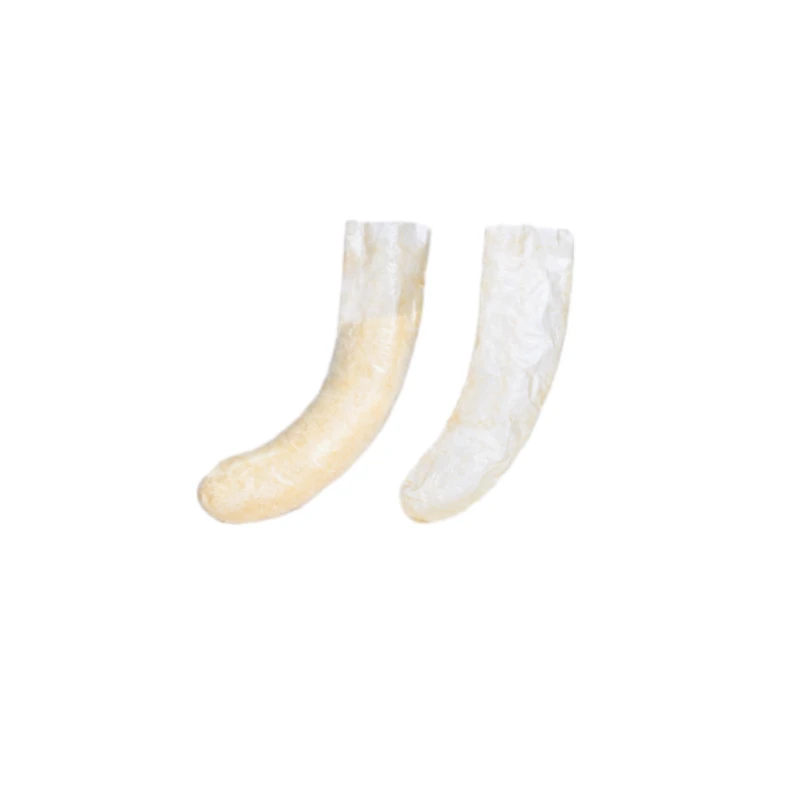
Salted hog casing factories operate at the intersection of agriculture, food science, and international business. According to FAO data, with an annual global pork production of over 120 million tonnes, the demand for natural casings, including hog casings, remains high. These casings are the thin membranes from pig intestines, cleaned, salted, and processed for use primarily in sausage making.
The global relevance is underscored by the fact that casings are not just culinary tools but also agricultural by-products, contributing to efficient waste utilization. Moreover, traditional and artisan sausage producers worldwide rely heavily on these natural casings for authentic taste and texture — an area where synthetic substitutes often fall short.
However, challenges persist. Ensuring hygiene standards, managing supply chain volatility, and addressing consumer perceptions are a few real hurdles these factories face globally. That’s where modern salted hog casing factories come into play, streamlining production while respecting traditions.
What Exactly Is a Salted Hog Casing Factory?
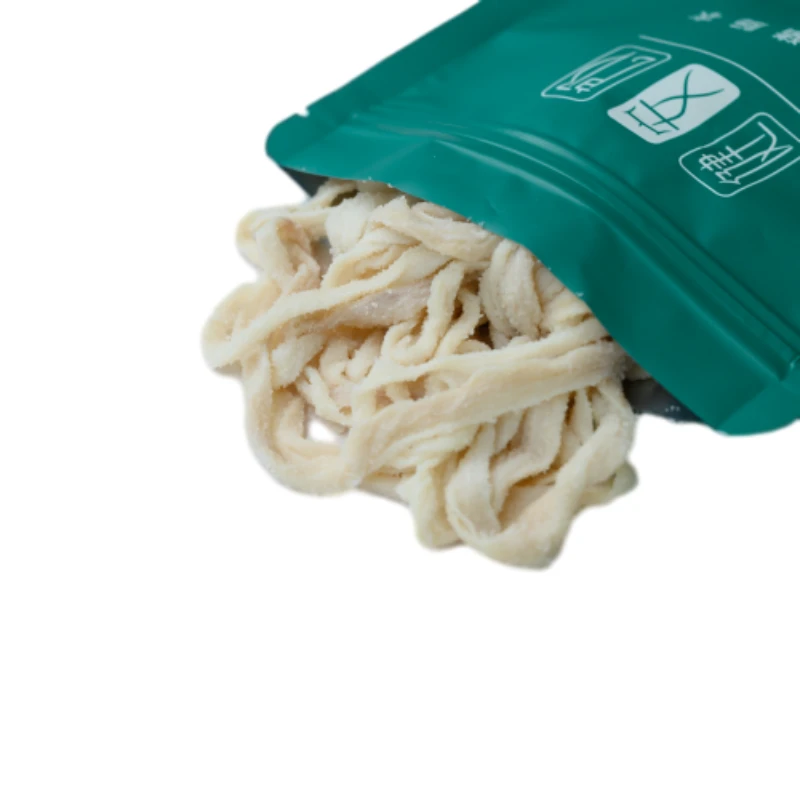
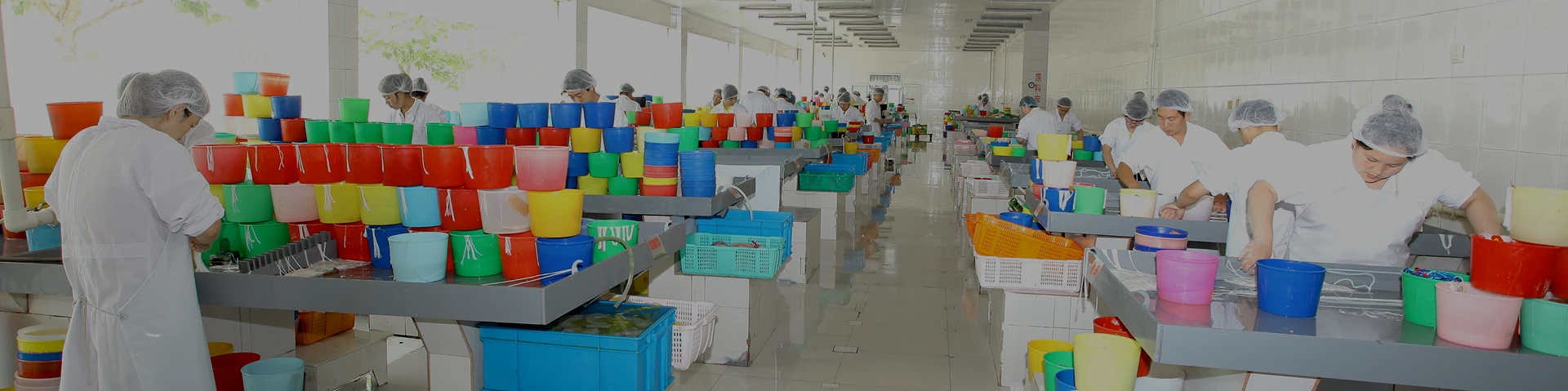
Simply put, a salted hog casing factory is a processing facility where pig intestines are transformed into salted natural casings used in sausage production. The process involves carefully cleaning the intestines, removing undesirable matter, chilling, and then salting them heavily to preserve freshness. The salted casings can be stored and transported, ready to be rehydrated and stuffed at sausage manufacturers.
These factories are vital in bridging primary meat production with the food processing industry. They ensure the intestines, which might otherwise be discarded, are preserved and turned into valuable, high-quality products. In humanitarian terms, this efficient use of animal parts is an example of sustainability within livestock industries.
Core Components: What Makes These Factories Tick?
1. Hygiene & Safety Protocols
Since casings come from animal intestines, maintaining strict hygiene and food safety standards is non-negotiable. Factories invest in specialized cleaning equipment and follow food safety certifications such as ISO 22000 or HACCP.
2. Preservation Through Salting
Salting is crucial. It inhibits bacterial growth and extends shelf life without relying on refrigeration. The salt penetration must be even and controlled, requiring precise machinery and well-trained operators.
3. Quality Control & Grading
Casings vary in diameter and thickness, affecting their use-case. High-grade factories offer detailed grading systems, ensuring sausages made meet consistent culinary standards.
4. Supply Chain & Scalability
Factories must coordinate closely with slaughterhouses, meat processors, and distributors. Efficient logistics are necessary, particularly to serve export markets in Europe, Asia, or the Americas.
5. Environmental Considerations
Modern plants focus on waste minimization and water recycling, with some using eco-friendly detergents and pursuing green certifications.
Mini takeaway: These core factors combine to make a salted hog casing factory a complex yet fascinating example of traditional food craftsmanship meeting modern industrial rigor.
Salted Hog Casing Factories in Action: Global Uses and Cases
In Europe — think Germany, Spain, Italy — natural hog casings are indispensable to celebrated sausages like bratwurst or chorizo. Factories here cater to artisan producers by providing reliable, premium casings that preserve culinary authenticity.
Meanwhile, in Asia, where pork consumption is enormous, salted hog casings also serve local delicacies and export items. Factories in China, for example, handle immense volumes, balancing tradition with mass-market demands.
On a more humanitarian note, in disaster relief or remote zones, having access to preserved natural casings supports local food production continuity. Sausages made with natural casings provide nutritional, portable, and affordable protein.
Advantages and Long-Term Value of Salted Hog Casing Factories
- Cost efficiency: Using by-products reduces waste and increases profitability in meat industries.
- Sustainability: Efficient use of pig intestines improves resource utilization and reduces environmental impact.
- Cultural preservation: Supports traditional food crafts and community food security.
- Reliability: Salted casings are shelf-stable, which aids global supply chain resilience.
- Social impact: Jobs in rural areas, skills development, and trade opportunities.
On an emotional level, these factories convey trust — consumers know real, natural casings offer a taste and texture synthetic options can’t fully mimic. Plus, sustainably leveraging every part of the animal aligns with growing consumer demands for responsible food.
Product Specifications of Typical Salted Hog Casings
| Specification | Details |
|---|---|
| Type | Natural Hog Casings |
| Preservation Method | Salted (dry salted or brine salted) |
| Diameter Range | 16-28 mm (depending on grade) |
| Shelf Life | Up to 12 months if stored properly |
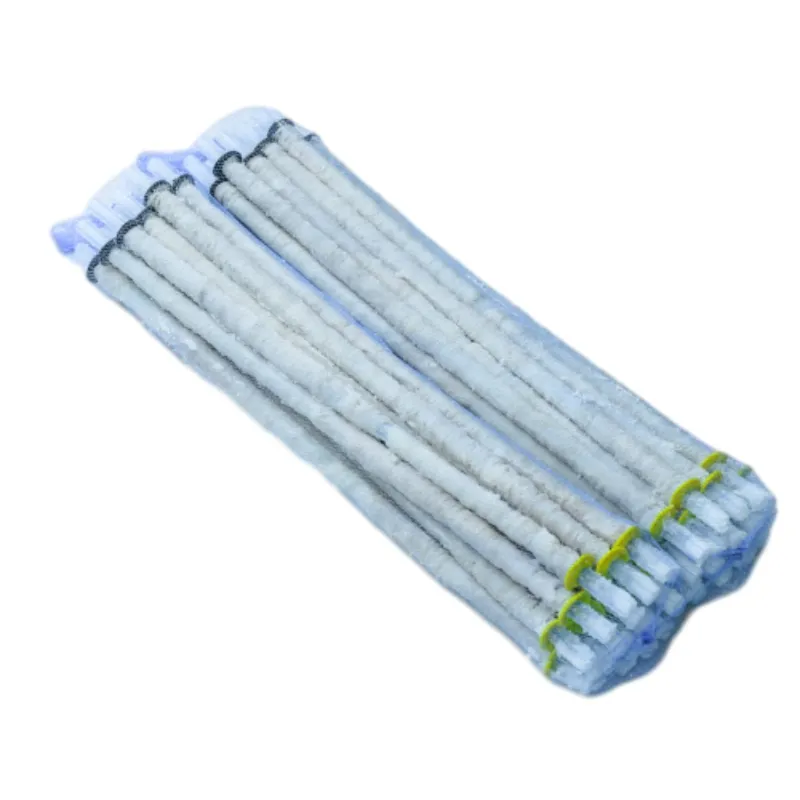
| Packaging | Bundles with salt, vacuum-sealed or barrel packed |
| Compliance | ISO 22000, HACCP |
Popular Salted Hog Casing Factories: Vendor Comparison
| Factory | Location | Annual Capacity | Certifications | Key Strength |
|---|---|---|---|---|
| Factory A | Germany | 500 MT | ISO 22000, HACCP | Premium artisan casings |
| Factory B | China | 1500 MT | ISO 22000, GMP | High-volume capacity |
| Factory C | USA | 700 MT | HACCP, USDA Approval | Strong export logistics |
What’s Next? Trends and Innovations in Salted Hog Casing Factories
At the crossroads of tradition and innovation, salted hog casing factories are embracing new tech — automated cleaning lines, improved salting techniques, and more stringent traceability via blockchain for food safety. Environmental sustainability is also in the spotlight, with advancements in wastewater treatment and energy efficiency.
There’s growing interest in blending digital transformation with centuries-old processes to boost quality and transparency. And oddly enough, some artisans are experimenting with cross-breeding natural casings for flavor innovation (who knew?).
Facing Challenges Head-On
Despite these advances, obstacles remain. Supply inconsistencies can arise from fluctuating pig slaughter volumes, while hygiene demands impose costly compliance. Some consumers question the "natural" label in a world leaning toward plant-based alternatives.
Yet the industry adapts by integrating strict quality assurance systems and diversifying product lines to include compatible synthetic alternatives for specific markets, all while retaining the cherished salted hog casing’s essence.
FAQ: Salted Hog Casing Factory Essentials
- Q1: How do salted hog casings compare with synthetic casings?
A1: Salted hog casings offer superior bite, natural texture, and flavor which synthetic casings can't fully replicate. However, synthetics can be more uniform and cheaper for mass production, but many butchers and consumers prefer the natural choice. - Q2: What certifications should I look for in a salted hog casing supplier?
A2: Key certifications include ISO 22000, HACCP, and sometimes country-specific approvals like USDA or EU hygiene marks. These ensure safety, traceability, and quality control. - Q3: How long can salted hog casings be stored?
A3: Properly salted and stored casings can last up to 12 months in a cool, dry place. Salt acts as a natural preservative but refrigeration isn’t usually necessary if salt levels are maintained. - Q4: Can natural hog casings be imported internationally?
A4: Yes, they can, but import regulations vary. Most countries require sanitary certifications and compliance with import/export food safety laws. Working with a reputable salted hog casing factory helps navigate these hurdles. - Q5: Are salted hog casing factories environmentally friendly?
A5: Modern factories increasingly adopt water recycling, waste treatment, and eco-friendly cleaning agents to minimize their environmental footprint, aligning with global sustainability goals.
Final Thoughts & Next Steps
Salted hog casing factories embody the delicate balance between old-world food heritage and contemporary industry standards. They provide a crucial service that supports authentic gastronomy, sustainable livestock use, and global commerce. The subtle art of preserving pig intestines with salt may seem humble, but it’s a cornerstone of sausage making worldwide, carrying cultural and economic weight beyond its modest appearance.
If you're interested in reliable, high-quality casings or learning more about this industry’s inner workings, don’t hesitate to reach out to a leading facility like salted hog casing factory. Their expertise bridges tradition and modernity, delivering products with craftsmanship and consistency.
Let’s keep the tradition alive while pushing innovation forward — one salted casing at a time.