Dec . 02, 2025 19:38
The Growing Importance of Salami Natural Casing Service in Today's Food Industry
It might seem odd at first to focus an entire discussion on salami natural casing service, but as with many traditional food processes, this niche service plays an outsized role globally — from maintaining the authentic taste of salami to supporting artisans and large-scale producers alike. Understanding this service helps connect dots across food heritage, sustainability, and industrial efficiency.
Globally, demand for natural casings continues to rise, driven both by consumer preferences for authentic textures and flavors, and the growing gourmet food market. According to the Food and Agriculture Organization of the UN, over 15 billion meters of natural casings are used annually worldwide, predominantly in Europe and North America, where salami-making traditions run deep.
Why Salami Natural Casing Service Matters in the Global Food Chain
The salami natural casing service isn’t just about packaging meat — it’s a subtle art that balances hygiene, durability, and culinary character. In an industry estimated to be worth billions, the casings protect salami during fermentation and drying, ensuring that the texture stays perfectly chewy and the flavor develops authentically.
What’s more, the service addresses challenges related to sourcing, quality control, and compliance with health and food safety standards. Especially important for small producers, it guarantees a consistent supply of casings that meet both regulatory and artisanal specifications.
What Is Salami Natural Casing Service Exactly?
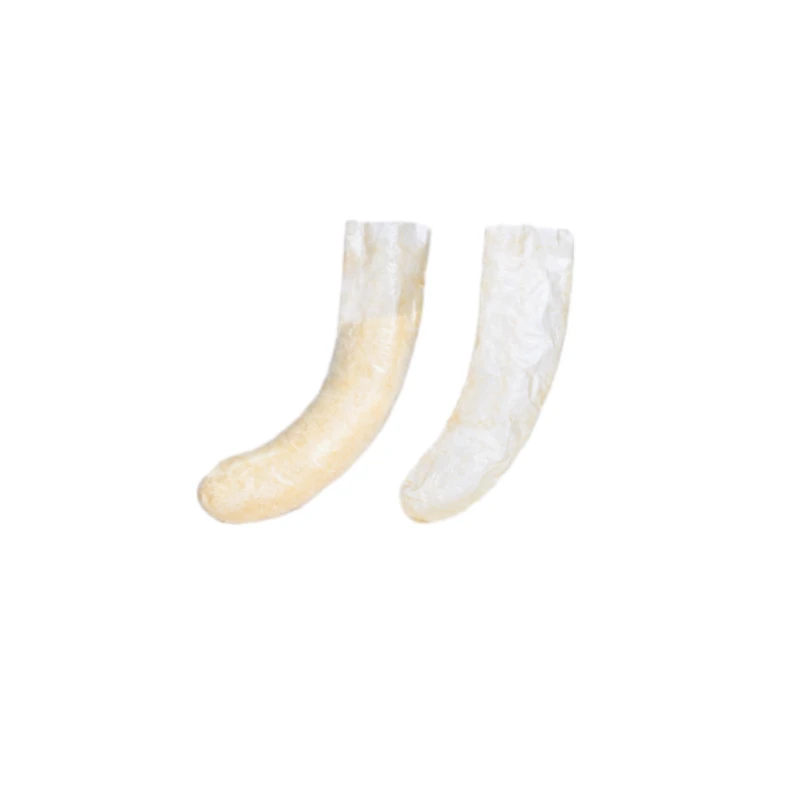
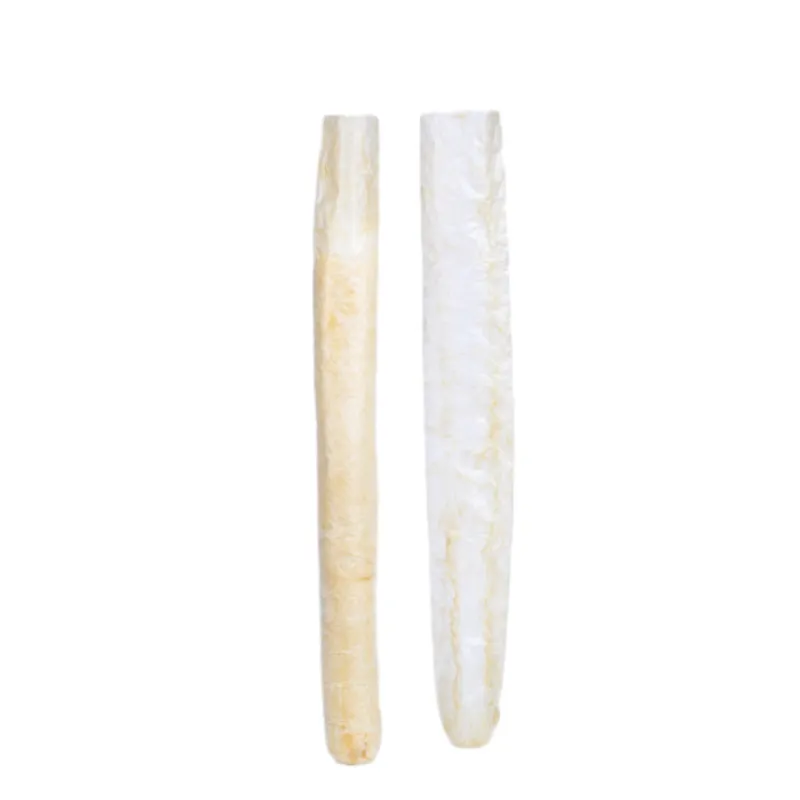
Put simply, the salami natural casing service involves processing and supplying natural casings — typically made from cleaned and treated intestines of animals like pigs, sheep, and cows — designed specifically for salami production. These casings are prized because they “breathe,” facilitating the slow fermentation that gives salami its classic tangy flavor and firm bite.
Not to forget, these casings also fit the growing consumer desire for products with fewer synthetic additives or plasticized materials. Natural casing embodies a union of age-old tradition with modern food safety protocols.
Core Components of a Quality Natural Casing Service
1. Sourcing and Hygiene
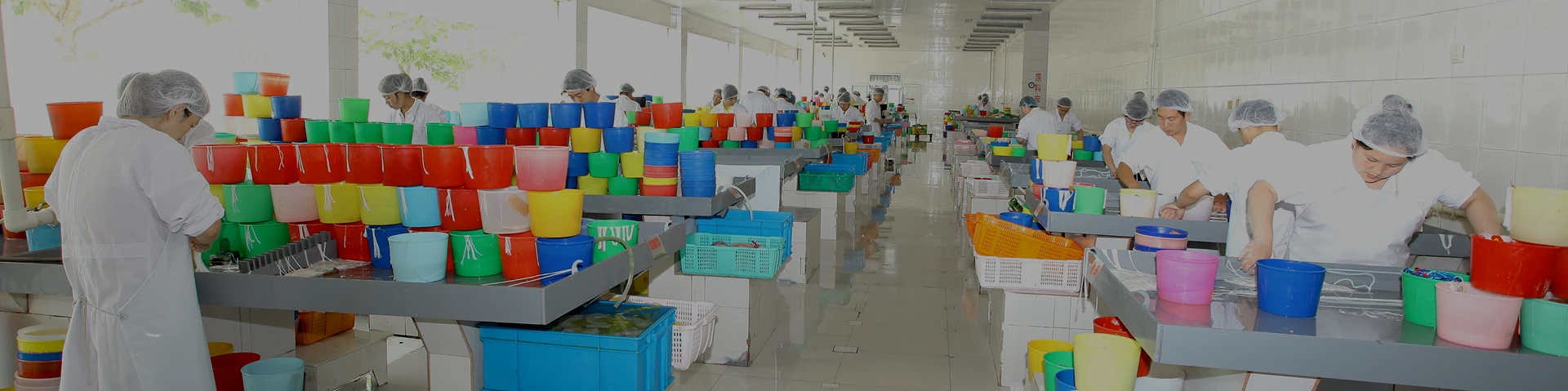
Reliable salami natural casing suppliers emphasize top-tier sourcing — intestines must be fresh, untreated with chemicals harmful to flavor, and processed in clean environments compliant with ISO 22000 or equivalent food safety management systems.
2. Durability and Elasticity
Casings need the right stretchy yet strong texture to withstand filling and curing without tearing — this directly influences yield and final product consistency.
3. Customization and Size Range
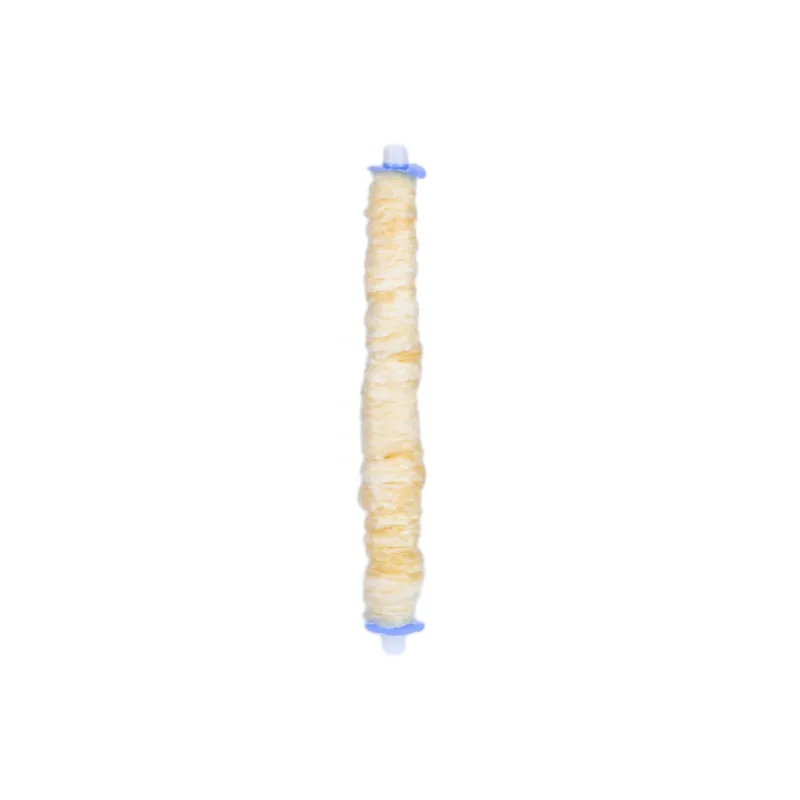
Depending on salami style (e.g., Genoa, Soppressata), casings come in varied diameters, often between 18 to 40 millimeters — matching these sizes matters a lot for production efficiency.
4. Preservation and Shelf Life
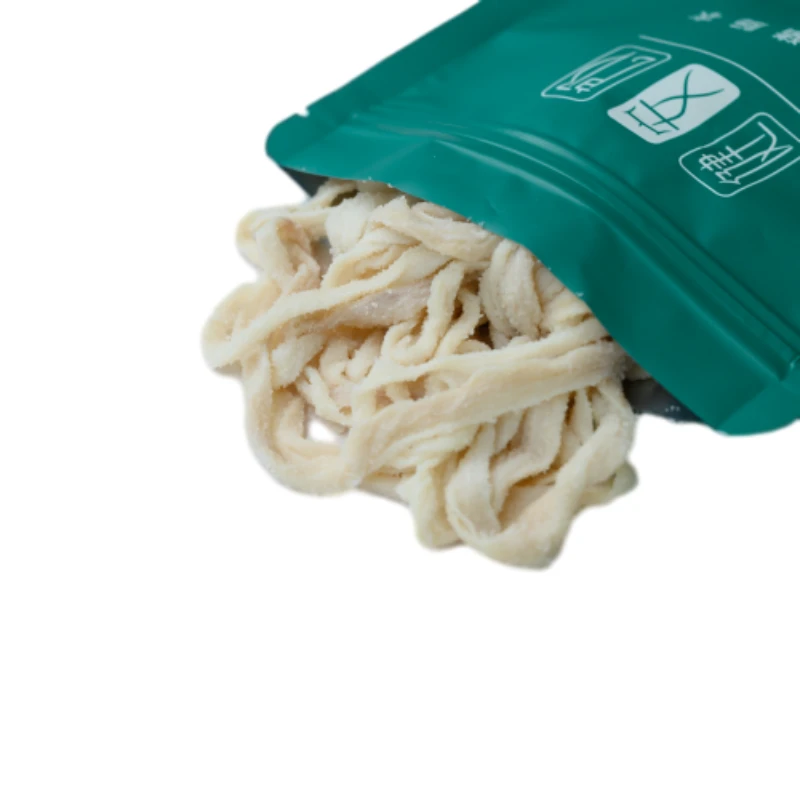
Natural casings must be salted properly and stored under ideal conditions to retain quality over months, making logistics critical especially for international distributors.
5. Compliance and Certifications
The service provider often facilitates certifications proving compliance with halal, kosher, and other food safety standards — a big deal for many global markets.
Mini Takeaway:
Salami natural casing service is more than just packaging supply — it’s a full-spectrum solution combining sourcing, quality control, and customization to keep both producers and consumers happy.
Global Applications and Real-World Use Cases
In parts of Italy, Spain, and France, salami natural casing service underpins centuries-old charcuterie traditions. Small family-run businesses and large-scale manufacturers both rely on these services to maintain consistency in flavor and texture, whether producing for local markets or international exports.
In North America, artisanal salami makers increasingly turn to natural casing providers who can offer traceability and sustainable sourcing — attributes that appeal to ethical consumers.
Oddly enough, even in disaster relief zones where canned foods dominate, specialty catering teams use natural casings to deliver authentic cultural meals for displaced populations, preserving dignity through familiar food experiences.
Advantages and the Lasting Value of Quality Casing Services
- Authenticity: Natural casings allow traditional fermentation, yielding flavors plastic casings can’t replicate.
- Sustainability: Using animal byproducts responsibly reduces waste and supports circular economy principles.
- Cost-effectiveness: Although pricier upfront than synthetic options, fewer product defects and better yields can save money long-term.
- Social Impact: Supporting natural casing suppliers often aids rural economies and butchers' cooperatives.
Future Trends & Innovations Impacting Salami Natural Casing Services
Digital traceability solutions now help suppliers certify sourcing paths, with blockchain pilots emerging in Europe’s food industry — ensuring consumers know exactly where their casing comes from. Automation in sorting and cleaning processes increases throughput without compromising hygiene.
From a sustainability standpoint, some innovators explore enzymatic treatments and biodegradable packaging integrations that complement natural casings, nudging the entire supply chain into greener territory. There's also ongoing research into alternative “vegan” casings for niche markets, but these remain mostly in experimental phases.
Challenges & How Experts Are Tackling Them
Natural casings face supply volatility (often tied to livestock production cycles), risks of microbial contamination, and storage constraints. Industry experts recommend:
- Enhanced cold chain logistics to prevent degradation during shipping.
- Advanced microbiological testing integrated at multiple stages.
- Collaborative sourcing between producers and suppliers to forecast demand more reliably.
These solutions are helping to deliver quality casing services at scale without compromising artisanal values.
Practical FAQ About Salami Natural Casing Service
Q1: How do natural casings enhance the flavor of salami compared to synthetic ones?
A1: Natural casings breathe, allowing humidity and gases to pass through during fermentation. This slow curing process cultivates complex flavors and textures that plastic casings can’t replicate, making salami taste richer and more authentic.
Q2: What should I consider when choosing a salami natural casing supplier?
A2: Look for compliance certifications (ISO, HACCP), sustainable sourcing practices, size customization options, and cold storage capabilities. A trustworthy vendor should also offer traceability and consultative customer service.
Q3: Can natural casing be stored for long periods without losing quality?
A3: Yes, with proper salting and refrigeration, natural casings can last several months. However, maintaining a consistent cold chain and humidity control is crucial to prevent spoilage or brittleness.
Q4: Is salami natural casing service important for large-scale industrial meat producers?
A4: Definitely. Although synthetic casings are popular for mass production, many industrial producers balance efficiency with quality by integrating natural casings, especially for premium lines where taste and texture matter.
Q5: How can small salami producers benefit from professional casing services?
A5: Professional services provide consistent casing quality, access to varied sizes, expert guidance on storage, and compliance assistance, enabling small producers to scale while maintaining product authenticity and safety.
Product Specification Table: Typical Natural Casing for Salami
| Parameter | Specification | Notes |
|---|---|---|
| Material | Porcine or ovine intestines | Selected for elasticity & flavor compatibility |
| Diameter Range | 18 - 40 mm | Varies by salami type |
| Preservation | Salted & refrigerated | Shelf life 6+ months under ideal conditions |
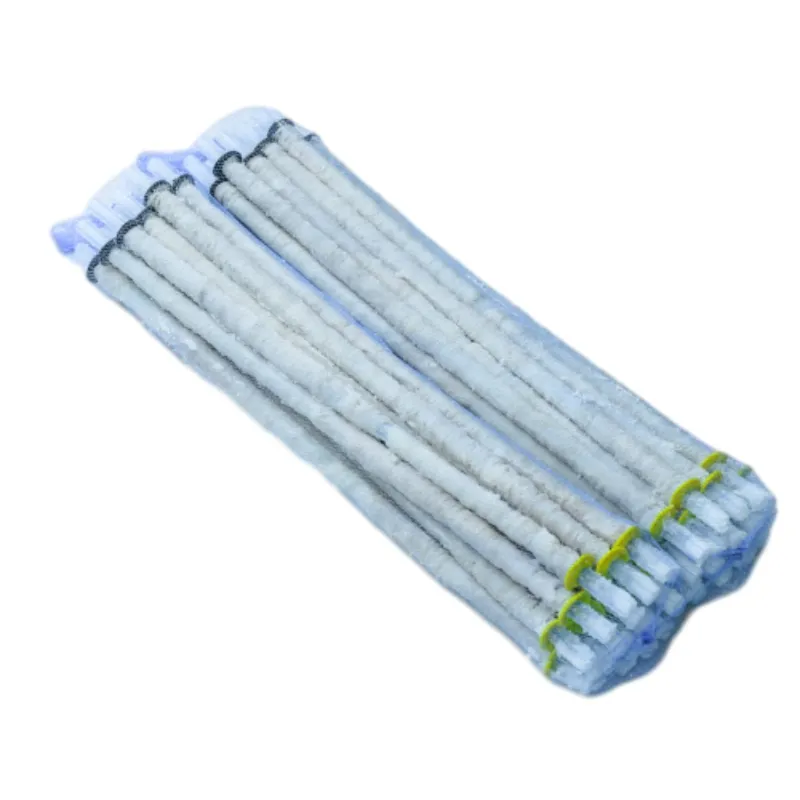
| Packaging | Vacuum packed or salted bundles | Ensures hygiene and moisture control |
| Certifications | ISO 22000, Halal, Kosher (optional) | Depends on vendor and market |
Vendor Comparison: Top Salami Natural Casing Providers
| Vendor | Sourcing Region | Certifications | Customization | Lead Time |
|---|---|---|---|---|
| CasingPro Ltd | Europe | ISO 22000, Halal, Kosher | Wide range (16-45mm) | 4 weeks |
| NaturalCasings Inc | North America | ISO 22000 | Customized bundles & packaging | 3 weeks |
| SalamiCasings Global | South America | Halal Certified | Standard sizes only | 5 weeks |
Wrapping It Up: Why Salami Natural Casing Service Deserves Your Attention
For anyone serious about salami — whether an artisan charcutier or a large-scale producer — a dependable salami natural casing service isn’t just a supplier; it’s a partner in authenticity, quality, and sustainability. The blend of science, tradition, and logistics behind this service underpins a market that’s both ancient and rapidly evolving.
Curious to explore how natural casing can elevate your salami production? Visit salami natural casing service for trusted insights and reliable offerings.