Dec . 02, 2025 19:28
Understanding the Role of a Salami Natural Casing Manufacturer in Today’s Food Industry
If you’ve ever savored a good salami, you might not have given much thought to the “skin” that holds it all together — but it plays a rather crucial role. The salami natural casing manufacturer is the unsung hero behind that authentic texture, taste, and even the aging process that so many consumers love. Globally speaking, natural casings have been essential for centuries, but their relevance today is heightened by rising demand for quality, organic products and the resurgence of traditional food craftsmanship.
It might seem like a niche, but natural casing production is a worldwide industry with deep cultural roots and significant economic impact, often tied to regions with strong meat-processing sectors. Plus, the challenges of producing natural casings—balancing hygiene, sustainability, and supply chain issues—make manufacturers vital partners in the food ecosystem.
Mini takeaway: Salami natural casing manufacturers aren’t just suppliers; they’re custodians of a tradition critical to food quality, culture, and even global meat market dynamics.
The Global Context: Why Salami Natural Casing Manufacturing Matters More Than Ever
When you think about the meat industry, natural casings might not jump to your mind immediately. However, according to the FAO, global sausage production surpasses 3 million tons yearly, with natural casings accounting for a significant share, especially in Europe, Latin America, and parts of Asia. The ISO standards for casing hygiene and quality have pushed manufacturers to innovate, meet export regulations, and enhance shelf life—challenging but necessary steps.
On the flip side, challenges like fluctuating livestock supply, rising environmental concerns, and synthetic casing alternatives provoke ongoing industry tension. Natural casing manufacturers answer this with a unique balancing act—preserving natural integrity, ensuring safety, and tackling resource efficiency all at once.
Mini takeaway: The ecosystem around natural casings is complex and global — manufacturers drive compliance, innovation, and sustainability to keep the industry viable and authentic.
What Exactly Does a Salami Natural Casing Manufacturer Do?
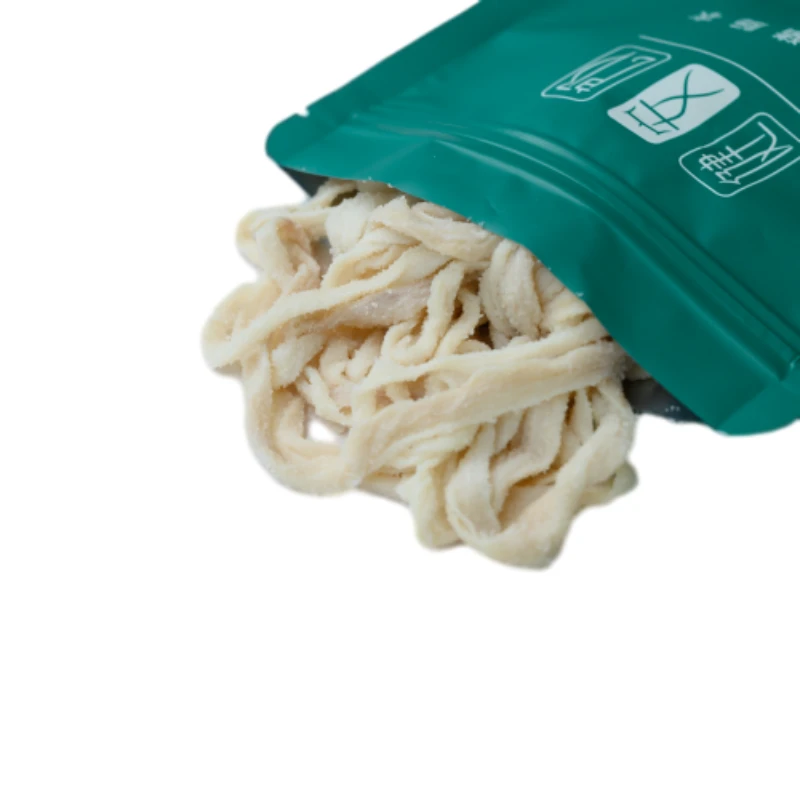
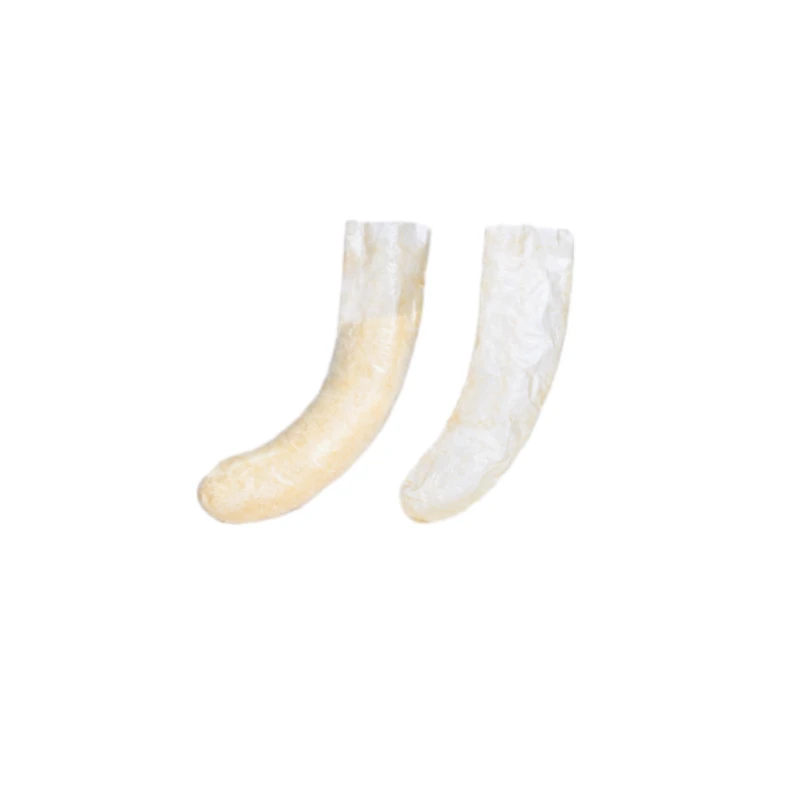
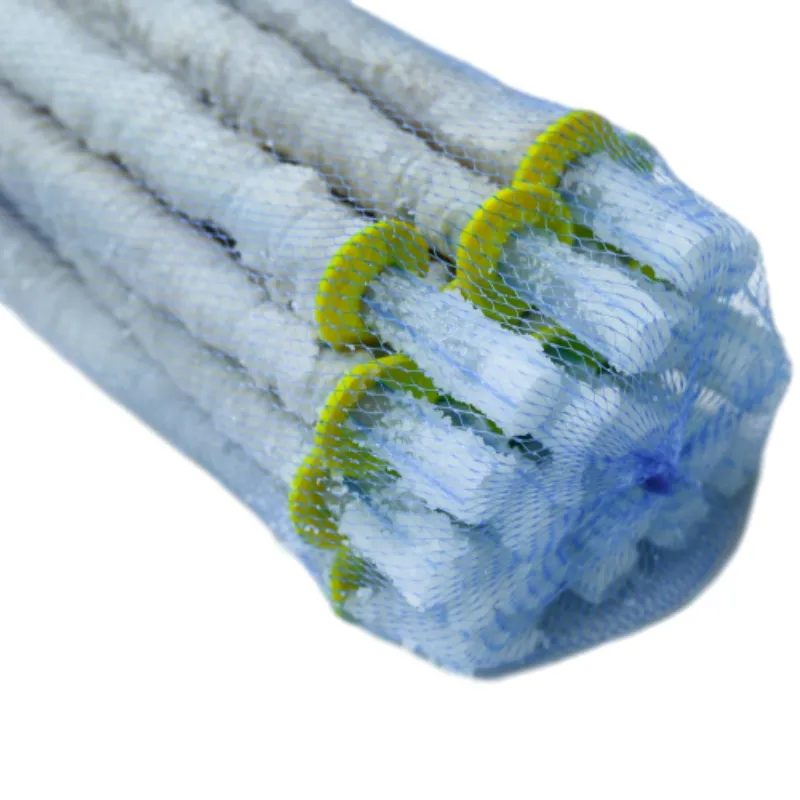
To put it simply, a salami natural casing manufacturer processes animal intestines—most commonly from pigs, sheep, or cows—into cleaned, preserved tubes used as edible sausage skins. These casings impart authentic texture and breathability that synthetics can’t quite replicate. They’re essential to traditional salami, dry sausages, and a variety of regional delicacies.
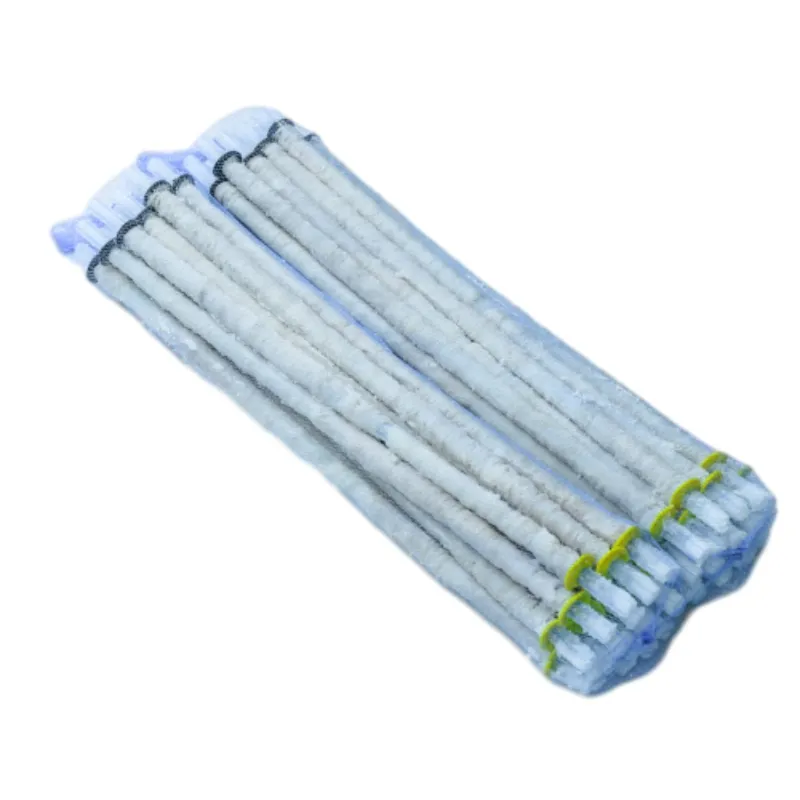
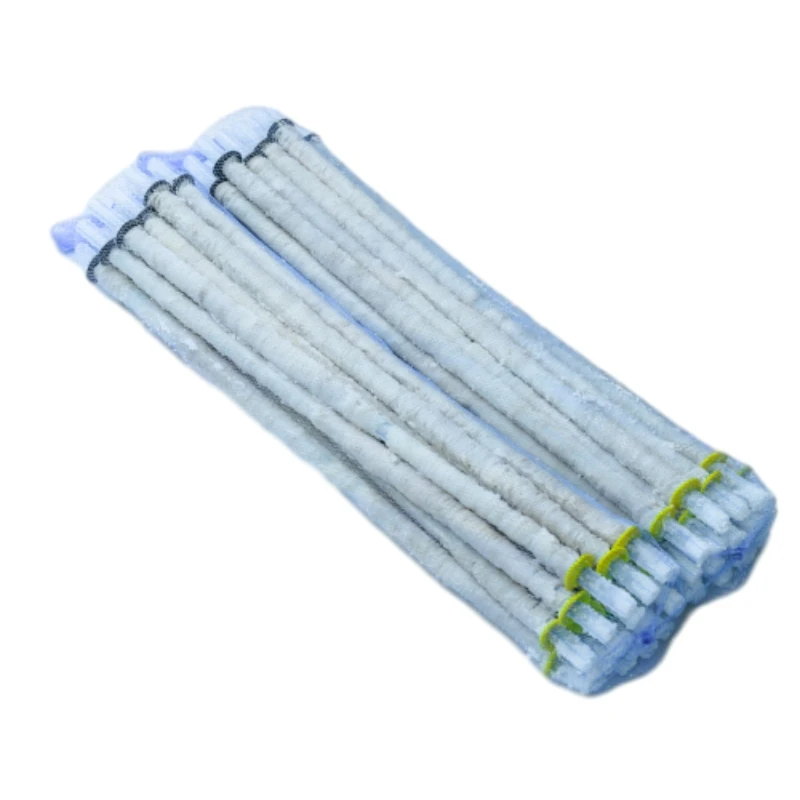
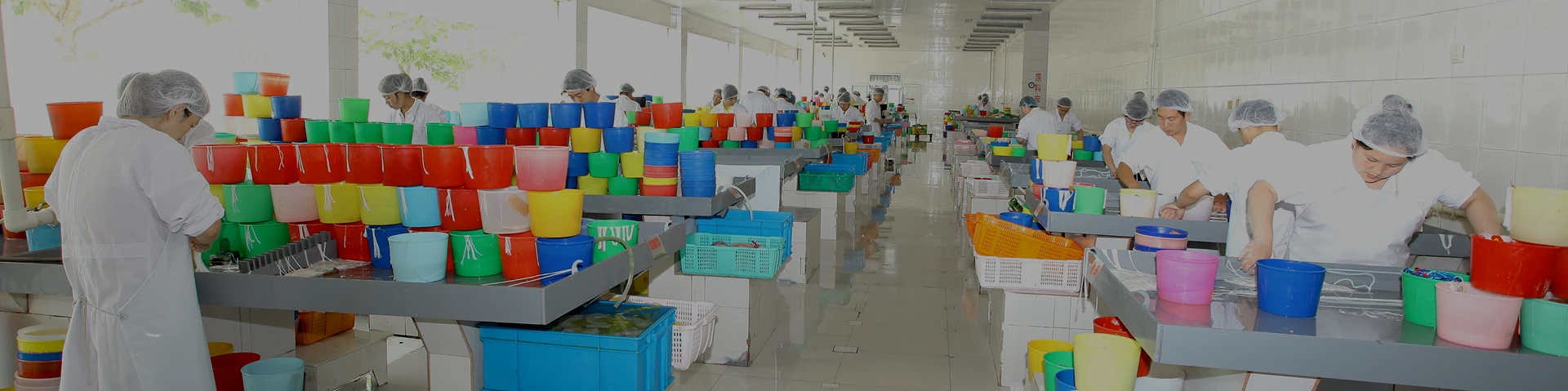
Beyond just “cleaning intestines,” manufacturers ensure uniformity in diameter and thickness, use approved preservation methods (like salt-curing or refrigerated storage), and adhere to strict hygiene protocols. There’s often a deeply technical side here: microbiological testing, traceability, and export certifications, especially important for global brands.
Oddly enough, this industry sits at the crossroads of food safety, cultural heritage, and industrial scale—making these manufacturers both craftsmen and quality controllers.
Mini takeaway: Salami natural casing manufacturing is a specialized blend of traditional knowledge and modern food safety standards that supports authentic meat products worldwide.
Core Components of Quality Salami Casings
1. Durability and Elasticity
Good casings need to stretch without breaking, stand up to fermentation and drying, and resist tears during stuffing. Manufacturers carefully select and grade raw intestines to match different sausage types — thin for lamb or sheep casings, thicker for pork or beef options.
2. Hygiene and Safety
Ensuring the casings are free from harmful microbes is non-negotiable. Many producers use ISO-compliant procedures and sanitized environments, with microbial counts checked regularly.
3. Scalability and Consistency
For industrial customers, batch-to-batch consistency is key. Manufacturers employ sorting and grading systems to deliver uniform sizes, which also impacts downstream processes like stuffing machinery calibration.
4. Cost Efficiency
Although natural casings are often pricier than synthetics, competitive pricing and value-add (like organic certification) remain a focus. Manufacturers innovate by improving processing yields from raw intestines and optimizing storage conditions.
5. Sustainability
More manufacturers embrace eco-friendly methods, including using waste from animal slaughterhouses fully and exploring biodegradable packaging for the casings themselves.
| Specification | Typical Range | Comments |
|---|---|---|
| Diameter (mm) | 16 – 28 | Varies by source animal |
| Length (m per bundle) | 50 – 120 | Depends on casing type |
| Preservation Method | Salt-curing, Vacuum-packed | Ensures shelf life & hygiene |
| Moisture Content | ~40 – 60% | Affects elasticity and storage |
Mini takeaway: Whether for artisan producers or large-scale operations, the quality of natural casings depends on a mix of mechanical properties, sanitation, and careful grading.
Real-World Applications of Natural Casings
While Europe (Italy, Germany), North America, and Latin America remain the biggest consumers, natural casings have found renewed importance in places like China and Southeast Asia, where traditional sausage products have a devoted following.
In practical terms, these casings are found in:
- Artisanal salami and dried sausages prized in gourmet markets.
- Industrial sausage producers requiring consistent sizes and reliable supplies.
- Export-oriented manufacturers who must meet strict food safety and import regulations of target countries.
Oddly enough, in humanitarian contexts—such as disaster relief efforts utilizing durable, easy-to-transport protein sources—some agencies prefer salamis with natural casings for long shelf life and consumer acceptance. This may sound niche, but it speaks to the importance of trusted natural food preservation methods globally.
Mini takeaway: The reach of natural casing manufacturers extends beyond gastronomy into commerce, cultural heritage, and even humanitarian food security.
Advantages and Value Over Time
Investing in salami natural casings means embracing authenticity and flavor but also reliability and sustainability. Compared to synthetic alternatives, natural casings offer:
- Breathability: They allow the salami to cure properly by enabling moisture exchange.
- Biodegradability: Natural materials break down more easily, reducing waste concerns.
- Consumer Trust: Many customers associate natural casings with higher quality and traditional methods.
And from a manufacturer’s point of view, sourcing from credible salami natural casing manufacturers ensures supply chain transparency, consistent quality, and adherence to environmental standards. It’s the kind of partnership that pays off long term.
What the Future Holds: Trends and Innovations
Technology meets tradition in fascinating ways here. Some manufacturers are now incorporating digital traceability—blockchain methods to certify origin and quality. Others experiment with eco-friendly preservation techniques, reducing salt or chemical use in processing.
“Green casings” that reduce water consumption during processing and packaging innovations that extend shelf life without refrigeration are gaining attention. Automation in grading and cleaning is helping small manufacturers scale without compromising quality—a sweet spot few would have considered 10 years ago.
So yes, the salami natural casing manufacturer of tomorrow will be part artisan, part tech innovator. Kind of like a food industry Renaissance person.
Challenges and How the Industry is Overcoming Them
It’s not all rosy: supply fluctuations due to livestock farming cycles, demands for higher hygiene without sacrificing natural quality, and competition from cheaper synthetic casings persist as challenges.
Experts often suggest a few solutions:
- Supply Chain Integration: Closer coordination with slaughterhouses to ensure fresh raw materials.
- Advanced Cleaning Techniques: Using water treatment and microbiological controls to enhance safety.
- Premium Market Positioning: Marketing natural casing products as gourmet or artisanal to justify price premiums and investment.
It’s a lot to juggle — but manufacturers who do it well often become trusted partners for both local and international producers.
Comparing Top Salami Natural Casing Manufacturers
| Vendor | Product Range | Certifications | Global Reach | Special Features |
|---|---|---|---|---|
| RTCasing Co. | Pig, sheep, beef casings | ISO 22000, HACCP | Europe, Asia, Americas | Customized size grading, eco-packaging |
| NaturalSkin Ltd. | Mainly sheep & lamb | Organic certified, ISO | Europe, North America | Sustainable sourcing programs |
| GastroCasings Inc. | Beef, pork casings specialized | HACCP, FDA compliant | Global export focus | Advanced cleaning tech, traceability |
Frequently Asked Questions About Salami Natural Casing Manufacturers
- Q1: What distinguishes natural casings from synthetic ones?
- Natural casings are made from animal intestines, offering superior breathability and texture that allow proper curing of salami. Synthetic casings, while more uniform and cheaper, can't replicate these qualities fully.
- Q2: How do manufacturers ensure the casings are hygienic?
- They follow strict ISO and HACCP protocols, including cleaning, salt preservation, and regular microbiological testing. Many also use modern sterilization methods to ensure safe products.
- Q3: Are natural casings sustainable?
- Yes, because they utilize by-products of the meat industry and are biodegradable, reducing waste compared to synthetic materials.
- Q4: Can I order custom sizes or grades from a salami natural casing manufacturer?
- Most experienced manufacturers offer customizable sizes and grading to fit specific sausage requirements, especially for industrial clients.
- Q5: Where can I find reliable suppliers?
- Reputable companies like salami natural casing manufacturer provide detailed catalogs, certifications, and global shipping options.
Wrapping Up & Next Steps
In the end, whether you’re a gourmet butcher, a large-scale producer, or someone curious about food authenticity, understanding the role of a salami natural casing manufacturer opens a window to a fascinating blend of tradition and innovation. These manufacturers do more than supply casings; they uphold quality, support sustainability, and keep authentic flavors alive.
Perhaps next time you enjoy a slice of salami, you’ll appreciate the quiet craftsmanship behind its natural casing.
Interested? You can explore more and connect with trusted providers at salami natural casing manufacturer.