Dec . 02, 2025 19:32
Understanding Salami Natural Casing Exporters: What’s Behind the Craft?
Salami natural casing exporters play a pivotal role in the international meat and charcuterie industry, supplying that essential “skin” that gives cured meats their unique texture and flavor burst. It's not just some random component—these casings connect centuries-old artisanal methods with modern food technology, ensuring that lovers of salami worldwide enjoy authentic taste and safe, natural products. Globally, understanding the ins and outs of salami natural casing exporters means grasping a crucial piece in food trade, sustainability, and cultural continuity.
As demand rises for quality, natural, and traditionally-made meat products, exporters are faced with the challenge of upholding strict food safety regulations, while coordinating logistics that cross borders smoothly. So knowing who the exporters are, what they do, and why their product matters, gives processors, retailers, and consumers a leg up in navigating this niche but important market.
Global Landscape: Why Do Salami Natural Casing Exporters Matter?
According to the Food and Agriculture Organization (FAO), global meat processing has steadily increased, with cured and fermented sausages making up a significant percentage in Europe, Asia, and the Americas. The natural casing market, closely tied to this trend, is projected to grow by over 4% annually through the next decade.
But here’s the kicker: as salami natural casing exporters aim to meet surging global demand, they grapple with challenges like ensuring product uniformity, dealing with supply chain interruptions, and managing fluctuating raw material availability from livestock industries. Exporters function as crucial gatekeepers balancing quality, safety, and supply consistency on an international scale.
Definition: What Exactly Are Salami Natural Casing Exporters?
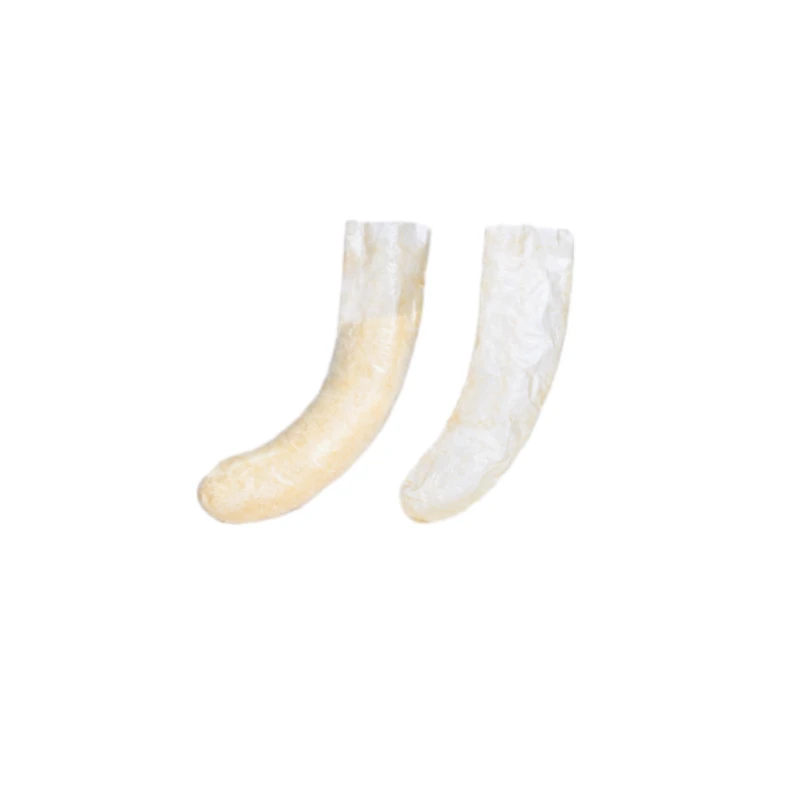
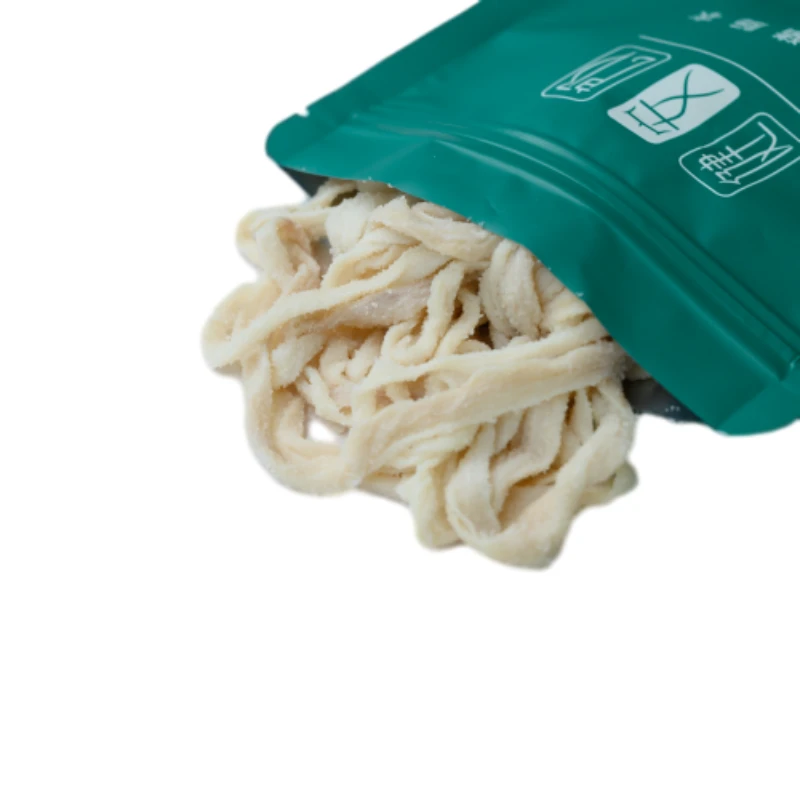
Put simply, salami natural casing exporters are specialized companies or entities that process, package, and supply thin edible membranous tubes derived from the intestines of animals—usually pigs, sheep, or cattle. These casings are natural vessels that hold ground meat to allow fermentation, aging, and flavor infusion during salami production.
These exporters handle more than just shipping: they perform cleaning, selection, grading, and preservation to keep the casings food-grade and ready for the food production line. Their work ensures that processors worldwide receive casings that meet safety and quality standards to create authentic, handcrafted-style salamis.
Core Components of Successful Salami Natural Casing Exporters
1. Quality Assurance & Food Safety
Because casings come from animal sources, rigorous cleaning and sterilization processes are paramount. Many exporters follow ISO 22000 or HACCP protocols to minimize contamination risks and ensure shelf stability.
2. Product Range & Specification
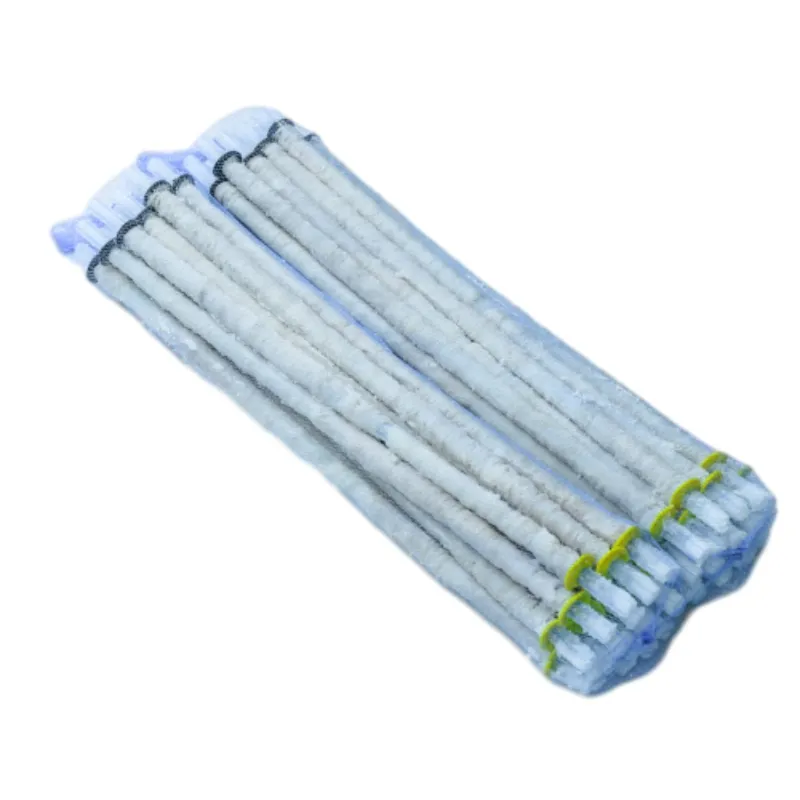
Casings come in various diameters and lengths—pig casings are popular for traditional salamis, while sheep or lamb casings serve smaller sausages. Exporters tailor their offerings according to different customer recipes and regional preferences.
3. Supply Chain Reliability
Since casings are perishable and somewhat seasonal, exporters need strong livestock relationships and cold-chain logistics to deliver consistently year-round, regardless of geographic hurdles.
4. Sustainability Practices
Oddly enough, since casings are a byproduct of meat production, their use contributes to reducing waste. Forward-looking exporters invest in eco-friendly packaging and traceability to boost sustainable sourcing ethics.
5. Certification & Compliance
With regulations varying globally, trustworthy exporters obtain export licenses, veterinary approvals, and third-party certifications to satisfy importers in food-exporting countries.
Mini Takeaway:
Salami natural casing exporters blend traditional knowledge with stringent controls—delivering the essential “wrapper” that defines salami's texture and taste, while meeting the modern world's food safety and sustainability demands.
Where in the World Are These Casings Used—and Who Benefits?
The salami natural casing industry is truly global, but there are hotspots. Europe—especially Italy, Spain, and Germany—remains a huge consumer and producer of traditional salamis, relying on local and international casing supplies. Asia's rapid urbanization has driven demand in China and Southeast Asia, where food industries are booming.
Meanwhile, export hubs like the U.S., Brazil, and Argentina not only produce casings but also supply smaller markets in Africa and the Middle East. Humanitarian food aid initiatives even sometimes need natural casings to help local producers restore food culture post-disaster.
In real terms, a small butcher shop in France or a large-scale meat packing plant in Poland can depend on reliable salami natural casing exporters to maintain their production quality and delight customers.
Typical Product Specifications From Leading Exporters
| Specification | Typical Range | Industry Use |
|---|---|---|
| Type | Pig, Sheep, Beef | Salami, sausages, chorizo |
| Diameter | 15 mm to 45 mm (varies) | Small to large salami types |
| Packaging | Vacuum-sealed bundles of 10 meters+ | Maintain freshness & hygiene |
| Shelf Life | Up to 12 months (frozen storage) | Preserved until use |
| Certifications | ISO 22000, HACCP, Halal (optional) | Global compliance & market access |
How Do Salami Natural Casing Exporters Stack Up? A Quick Vendor Comparison
| Vendor | Product Range | Quality Certifications | Sustainability Efforts | Global Reach |
|---|---|---|---|---|
| NaturalCasing Co. | Pig, Sheep, Beef, Custom diameters | ISO 22000, HACCP | Eco packaging, waste minimization | Americas, Europe, Asia |
| CasingWorld Exporters | Primarily pig and sheep casings | HACCP, Halal Certified | Sustainable sourcing initiatives | Europe, Middle East, North Africa |
| FreshGut Solutions | Beef & specialty casings | ISO 22000, FDA Approved | Waste reuse, renewable energy use | USA, South America |
Advantages of Partnering with Trusted Salami Natural Casing Exporters
- Authenticity and flavor integrity: Natural casings preserve the traditional bite and aroma that synthetic alternatives can’t quite replicate.
- Food safety compliance: Certified exporters eliminate worries about contamination or poor packaging.
- Sustainability: Using natural byproducts supports circular production and reduces waste.
- Custom solutions: Experienced exporters offer tailored diameter sizes and packaging to fit diverse recipes.
- Trust and reliability: Dependable global delivery schedules keep production lines smooth and customers happy.
Future Innovations in the Salami Natural Casing Export Industry
Looking ahead, innovation is already stirring the industry. Digital tracking for traceability—thanks to blockchain-esque solutions—offers clear sourcing transparency. New sterilization methods (like ozone treatment) reduce environmental impact. Plus, automation is improving sorting and grading efficiency.
Additionally, there’s a growing focus on “clean-label” foods, meaning casings with minimal preservatives and natural curing. Some exporters are experimenting with hybrid solutions combining natural casings with edible biofilms to extend shelf life sustainably.
Challenges Facing Exporters and How They’re Tackled
Challenges are plenty: seasonal supply fluctuations, strict import regulations, and competition from synthetic casings all pressure exporters. Yet, many adopt vertical integration (working directly with farms), invest in cold chain improvements, and gain multiple certifications to broaden market access.
Expert voices suggest that building transparent partnerships along the supply chain, adopting digital quality controls, and exploring alternative animal sources (like goat casings) may chart new pathways to stability and growth.
Frequently Asked Questions About Salami Natural Casing Exporters
What benefits do natural casings offer compared to synthetic ones?
Natural casings provide a superior mouthfeel, a traditional snap, and allow smoke and flavors to permeate better during curing. Synthetic casings, while consistent and easier to handle, lack that authentic texture consumers often desire.
How do exporters ensure casings are safe for international shipment?
Exporters implement strict cleaning and sterilization protocols, package under vacuum, maintain cold chains, and comply with global standards like HACCP and ISO 22000 to guarantee freshness and food safety upon arrival.
Are salami natural casing exporters environmentally sustainable?
Since casings are animal product byproducts, they effectively reduce waste in meat processing. Many exporters now add eco-friendly packaging and sustainable sourcing policies, pushing the industry toward greener practices.
Can small-scale producers access casings from exporters?
Yes, many exporters accommodate orders of varied sizes and offer custom packaging. Connecting with vendors that serve small-to-medium enterprises is common, especially through online trade platforms.
How do changing livestock industries affect casing supply?
Shifts in livestock production, disease outbreaks, or trade restrictions can cause casing supply shortages or price volatility. Exporters manage this through diversified sourcing and maintaining buffer inventory.
Wrapping It Up: Why Working With Salami Natural Casing Exporters Matters
At the end of the day, salami natural casing exporters aren’t just sellers of membranes; they’re custodians of food heritage, partners in safe, sustainable meat production, and linchpins in global culinary supply chains. For producers wanting to balance tradition with modern compliance, understanding exporters' role is key.
If you want to explore quality casing options, discover trusted partners, or enhance your product line with authentic natural casings, visit our website: https://www.rtcasing.com and get started. Your salami’s success, oddly enough, starts wrapped.