Dec . 02, 2025 20:08
Salted Sausage Casings Exporters: What You Should Know
Salted sausage casings exporters might not be the first thing that comes to mind when you think about global trade, but they play a surprisingly crucial role in the meat processing industry worldwide. These exporters not only supply essential components for sausage manufacturers but also help ensure food safety, product quality, and consistent supply chains, especially in regions where local resources might be scarce or inconsistent.
Understanding salted sausage casings exporters means understanding a foundational part of a global industry that caters to taste, tradition, and growing demand. Plus, these casings tie into global food security, sustainability practices, and innovation in edible and natural products.
The Global Importance of Salted Sausage Casings Exporters
In general, the global sausage market reached a value of around USD 45 billion in 2023 and is expected to keep growing steadily. Much of this relies on good quality casings, which are predominantly natural and salted to preserve them during transport and storage. Salted sausage casings exporters serve not only well-established meat processors but also emerging markets that increasingly crave reliable supply chains.
According to ISO standards on meat processing and hygiene, consistent casing quality is necessary to meet stringent food safety certifications worldwide. For exporters, this means staying aligned with international regulations while balancing costs—a challenge that even the most seasoned players highlight.
But here’s the thing: many regions face challenges sourcing high-grade natural casings locally due to limited animal byproducts or infrastructure. That’s where salted sausage casings exporters step in, bridging gaps and enabling steady production in places from Southeast Asia to Eastern Europe.
Defining Salted Sausage Casings Exporters in Plain Terms
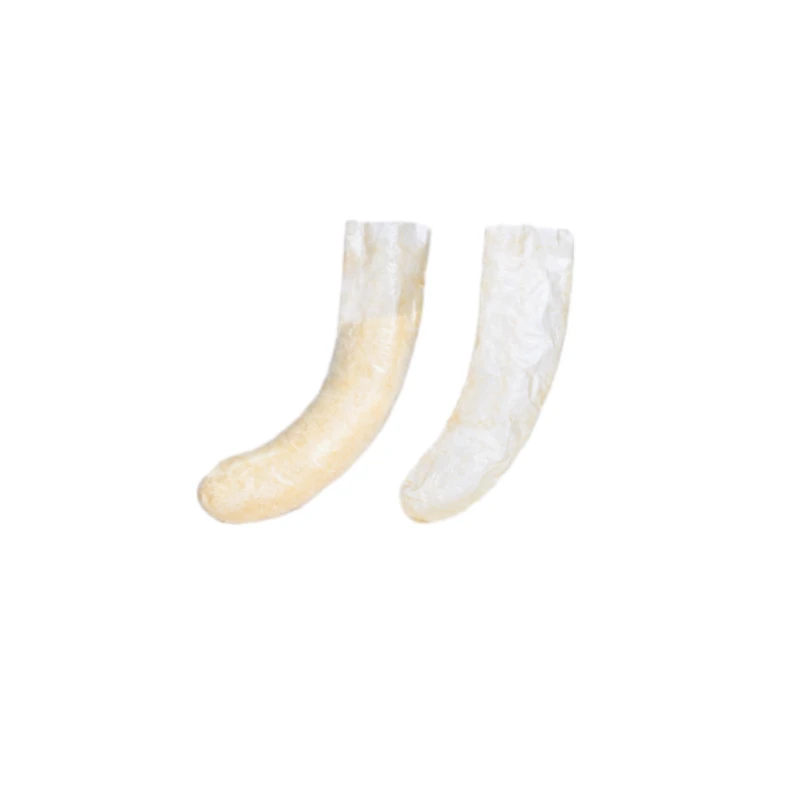
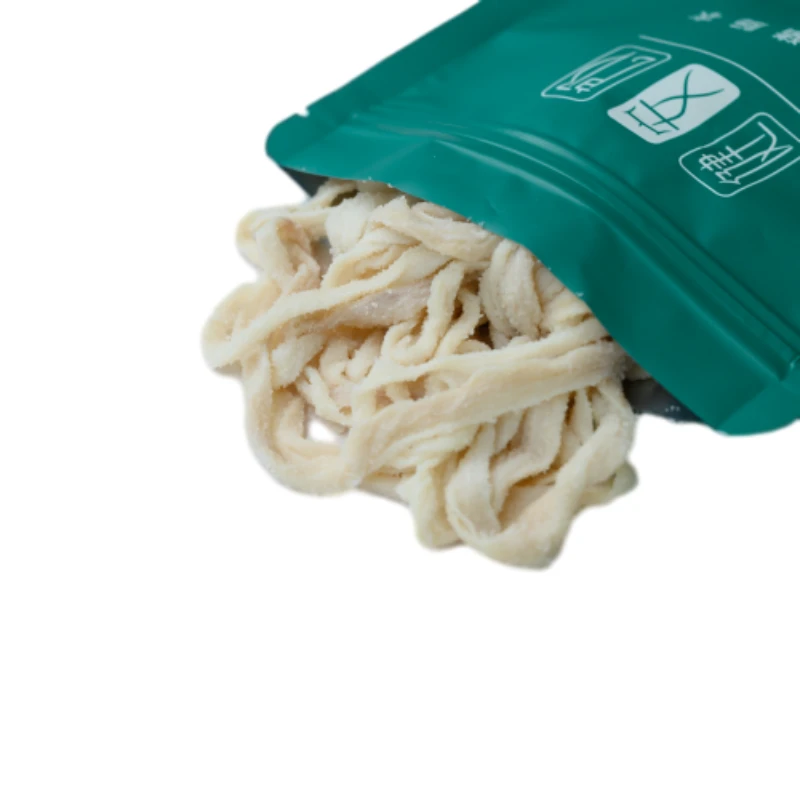
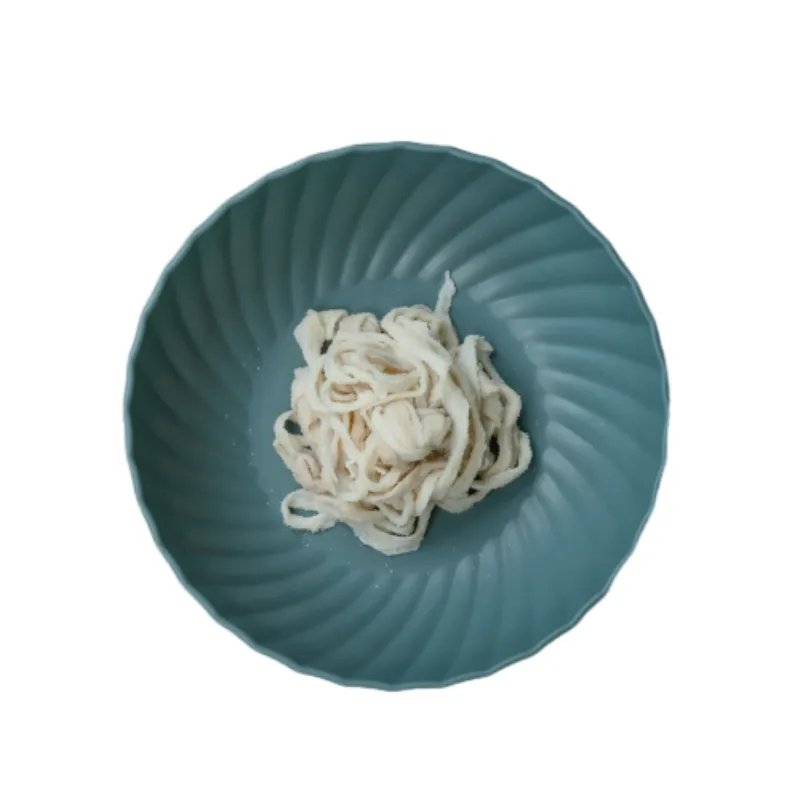
So what exactly are salted sausage casings exporters? Simply put, they are companies or entities that supply and ship salted natural casings—usually intestines from pigs, sheep, or cows—to sausage producers across the globe.
The “salted” part is important. These casings are preserved with salt to prevent spoilage, making them stable for export and long storage. This method ensures the casing maintains its elasticity, strength, and safety until it reaches the manufacturer.
From a humanitarian perspective, reliable exporters help maintain food production in regions affected by supply chain disruptions or economic challenges. That’s vital for both commercial enterprises and NGOs focusing on nutrition and sustainable food systems.
Key Factors Driving Salted Sausage Casings Export
1. Quality and Consistency
Casings have to be both durable and flexible. Oddly enough, many sausage makers describe natural casings as “living materials” requiring careful handling. Salted sausage casings exporters must guarantee stable quality to prevent production hiccups or product recalls down the line.
2. Compliance with Food Safety Standards
Exporters navigate a maze of regulations—EU hygiene directives, FDA rules in the US, among others. Salting and packing methods must align with these rules, or shipments risk delays and rejection.
3. Scalability and Supply Chain Reliability
Huge manufacturers order millions of meters annually, so exporters must have scalable operations and cold-chain logistics support. In rougher regions, even maintaining salt concentration levels in shipping containers can be a challenge.
4. Cost Efficiency
Salted sausage casings exporters often juggle between providing premium quality and competitive prices. Rough cuts to cost can undermine business reputations quickly.
5. Supplier Relationships and Trust
Repeated business depends on mutual trust. Many producers rely on long-term deals, meaning exporters who prioritize clear communication and problem resolution rise above competitors.
Mini Takeaway:
From the humble intestine to major international trade, salted sausage casings exporters balance quality, safety, and trust. Without them, many sausage lovers worldwide might feel the pinch.
Where and How Salted Sausage Casings Fit into Global Markets
If you ever went on a European tour, sausages bursting with flavor and that satisfyingly natural snap tend to owe a debt to imported salted casings. Countries like Germany, Poland, and Italy have long histories of sausage craft but still depend on foreign exporters to meet huge seasonal demand and industrial-scale output.
Asia is a big consumer these days too, with countries like China and Vietnam growing their meat processing sectors rapidly. Salted casings exported here enable manufacturers to maintain authentic flavor and texture profiles, as synthetic alternatives aren’t always accepted locally.
Post-disaster scenarios also surprisingly involve these exporters — in remote industrial zones or humanitarian aid operations, ready-to-use salted casings make meat production viable even where cold storage infrastructure might be poor.
Product Specification Table
| Specification | Details |
|---|---|
| Type | Natural (hog, sheep, beef intestines) |
| Preservation Method | Salted and salted in brine |
| Diameter Range | 12mm - 32mm (depending on animal source) |
| Shelf Life | 6 to 12 months, refrigerated |
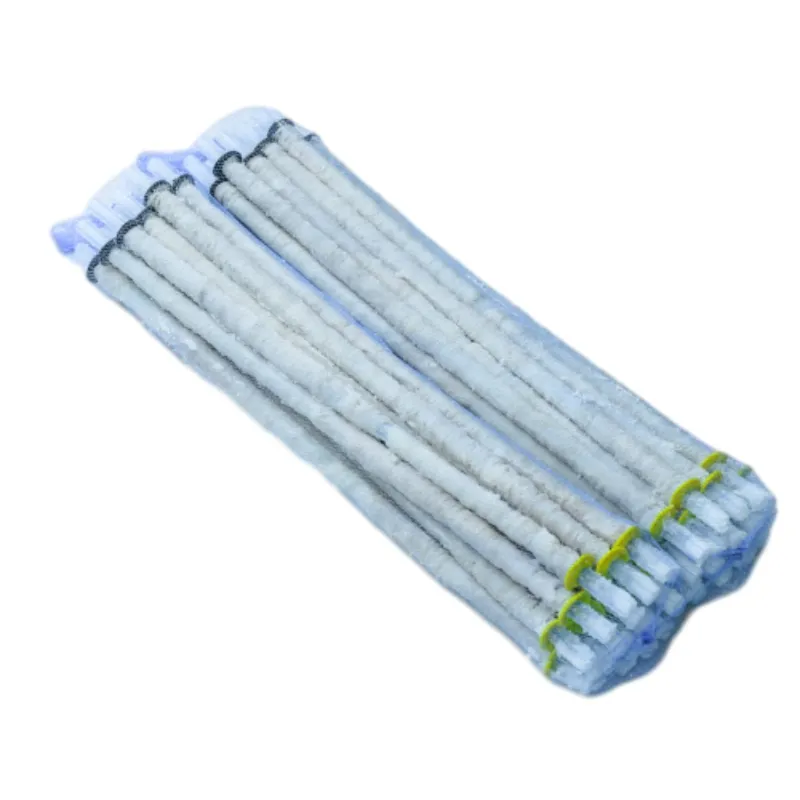
| Packaging | Vacuum packed or packed in salted brine |
| Compliance | ISO, EU food safety, USDA |
Advantages of Partnering with Reputable Salted Sausage Casings Exporters
- Reliability: On-time deliveries minimize production downtime.
- Food Safety: Consistent quality reduces contamination risks.
- Sustainability: Natural casings are biodegradable and renewable.
- Customization: Exporters often tailor sizes and packaging to client needs.
- Social Impact: Many exporters support rural economies where casings are sourced.
- Trust & Innovation: Good exporters invest in processing tech improving product lifespan.
From a personal standpoint, many artisans speak of how natural casings connect their craft to centuries-old traditions — something synthetic products rarely capture.
Salted Sausage Casings Exporters - Comparing Leading Vendors
| Vendor | Quality Certification | Price Range (per kg) | Client Regions | Special Features |
|---|---|---|---|---|
| CasingsPlus | ISO 22000, USDA | $8 - $12 | North America, Europe | Custom diameter orders, fast shipping |
| Global Meat Exports | EU Hygiene Directive | $7 - $11 | Asia, Africa | Eco-friendly packaging, long shelf life |
| Natural Casings Ltd. | ISO 9001, USDA | $9 - $13 | Europe, Mid-East | Organic options, tailored logistics |
Emerging Trends & Innovations
It’s not just about packing salt and intestines anymore. Innovations in salted sausage casings exporters include adopting blockchain for traceability, integrating automated grading systems for consistency, and exploring sustainable farming practices to source animal casings ethically.
Also, alternative plant-based and bioengineered casings are gaining traction, but natural salted casings still hold a premium spot for texture and traditional taste. Environmental certifications and greener transport methods are beginning to shape exporter priorities, keeping climate targets in mind.
Overcoming Challenges in the Salted Sausage Casings Export Market
Sometimes, supply chain disruptions, such as transport bottlenecks or regulatory changes, cause delays or price spikes. Also, quality variation due to seasonal or biological factors can cause setbacks. Exporters respond by investing in enhanced sorting technologies and collaborating directly with slaughterhouses to ensure a steady raw material flow.
Not to mention, communication gaps or customs issues can frustrate buyers. Vendors who provide transparent tracking, strong customer support, and certifications tend to neutralize these problems effectively.
FAQ: Understanding Salted Sausage Casings Exporters
Q1: Why opt for salted natural casings over synthetic alternatives?
A1: Natural salted casings provide that unique, tender bite and snap which synthetic casings struggle to replicate. They’re biodegradable and align better with traditional recipes, often preferred by artisan producers.
Q2: How long can salted sausage casings be stored before use?
A2: When properly salted and refrigerated between 0-4°C, casings typically last between 6 to 12 months. The salting process inhibits spoilage and microbial growth.
Q3: Are salted casing exporters able to customize sizes for niche sausage types?
A3: Many exporters do offer customization services, providing a range of diameters and packaging options to suit various production workflows, from small artisanal to large-scale industrial.
Q4: How do exporters handle international regulations and food safety standards?
A4: Leading exporters comply with international food safety laws like EU Hygiene Regulations, USDA standards, and ISO certifications. They also provide proper documentation to facilitate customs clearance.
Q5: Can NGOs or humanitarian groups source salted sausage casings through exporters?
A5: Absolutely. Several exporters maintain partnerships with aid organizations, supporting shipment logistics and providing reliable food production materials for regions in need.
Wrapping Up
Salted sausage casings exporters do more than just ship a product—they sustain traditions, support industries, and quietly nurture global food networks. Whether you’re hunting for premium hog casings or engaged in large-scale commercial meat processing, understanding and partnering with reliable exporters can make all the difference in product quality, delivery consistency, and cost-effectiveness.
For those looking to explore robust suppliers, gain market insights, or simply understand how your sausage gets its snap—check out salted sausage casings exporters. The right partners are out there, and frankly, with the kind of global demand we see, it’s a dynamic, evolving space worth watching closely.