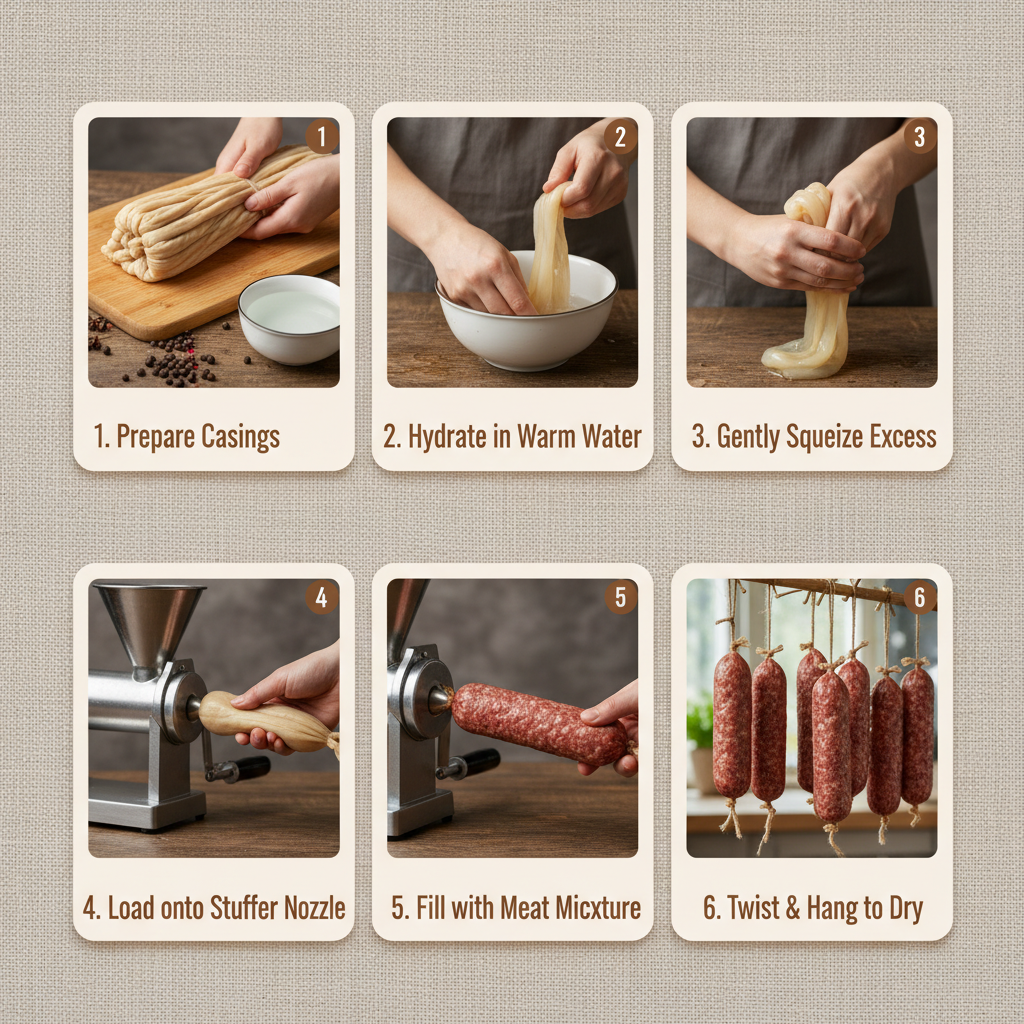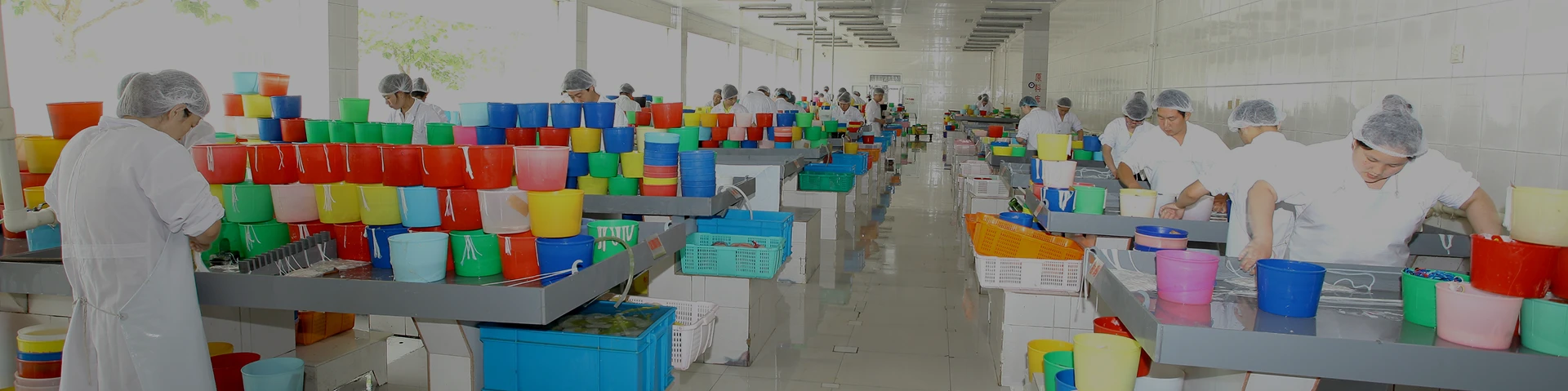
Mar . 24, 2026 02:45
Understanding Salami Casing: A Comprehensive Guide
Salami casing plays a vital role in the production of delicious and visually appealing salami. Choosing the right casing affects not only the final product's texture and appearance but also its shelf life and processing efficiency. This article will delve into the world of salami casing edible varieties, exploring their characteristics, benefits, and applications. We’ll help you understand the importance of selecting the perfect casing for your specific salami production needs.
What is Salami Casing?
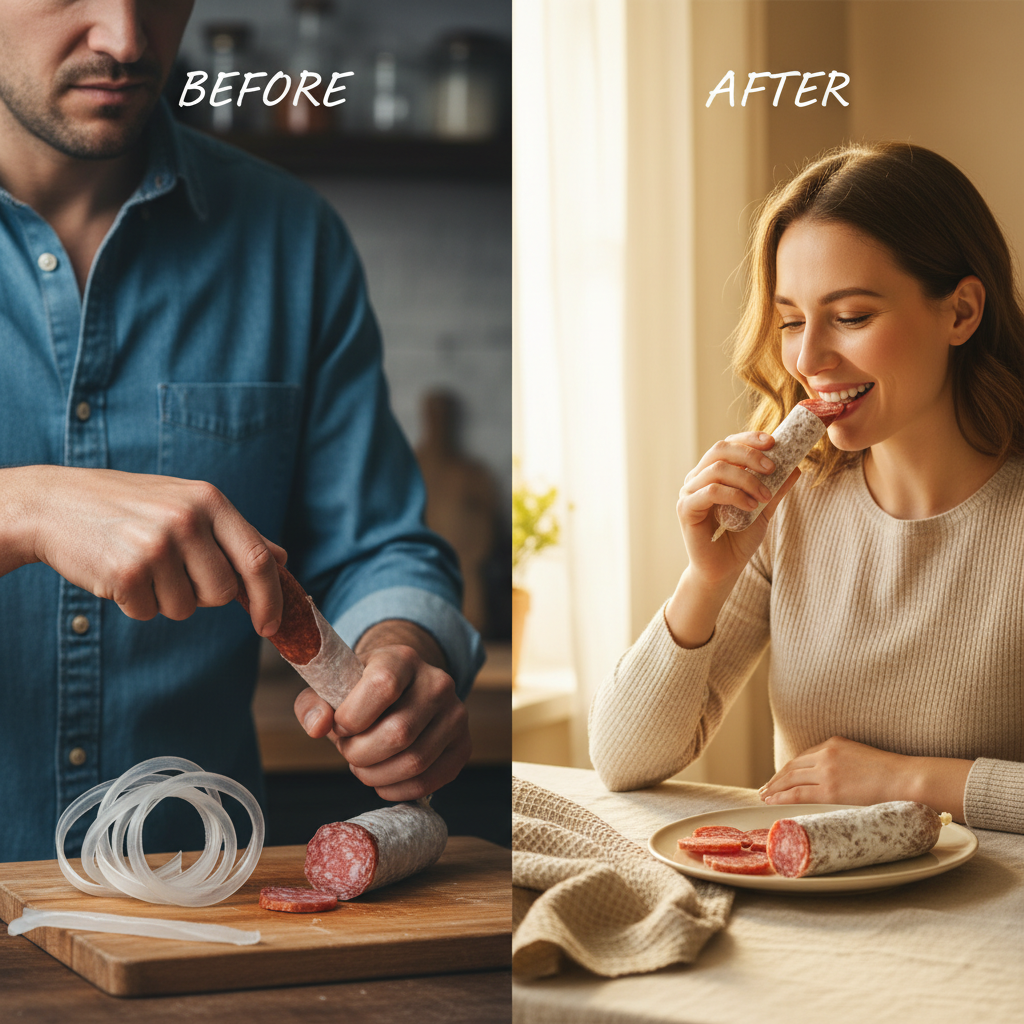
Salami casing, in its simplest form, is the outer layer that encloses the meat mixture during the fermentation, drying, and aging process. It serves several crucial functions: it gives the salami its characteristic shape, controls the drying rate, allows for smoke penetration (if desired), and provides a protective barrier against contamination. Historically, natural casings (typically from animal intestines) were the primary choice. However, advances in food technology have led to the development of high-quality, edible collagen casings which are increasingly popular.
Key Benefits of Using Salami Casing: Shape retention, controlled drying, flavor enhancement, protection from contamination, and appealing presentation.
Types of Salami Casing: Natural vs. Collagen
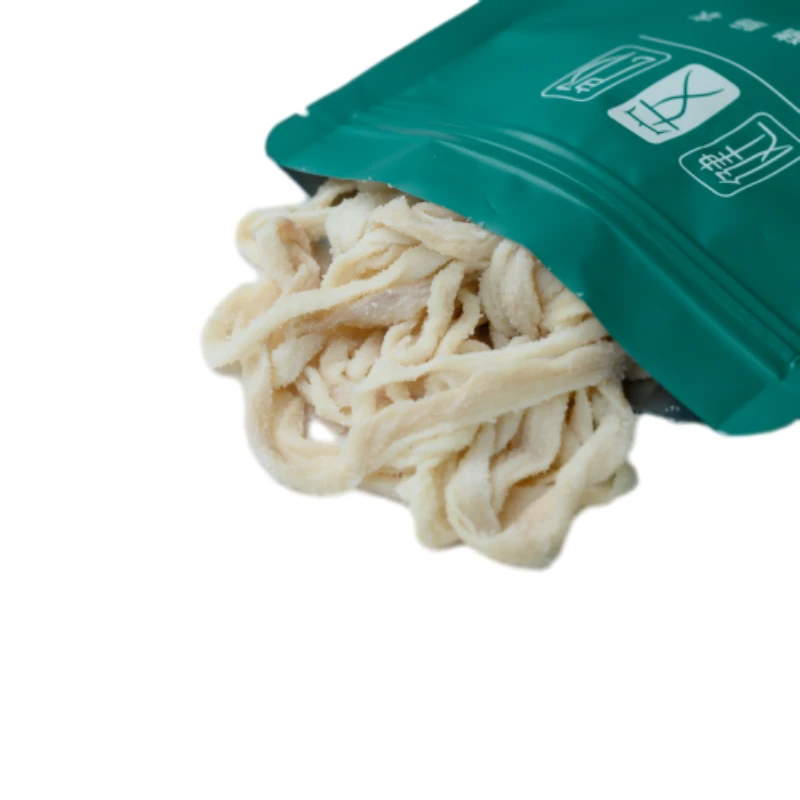
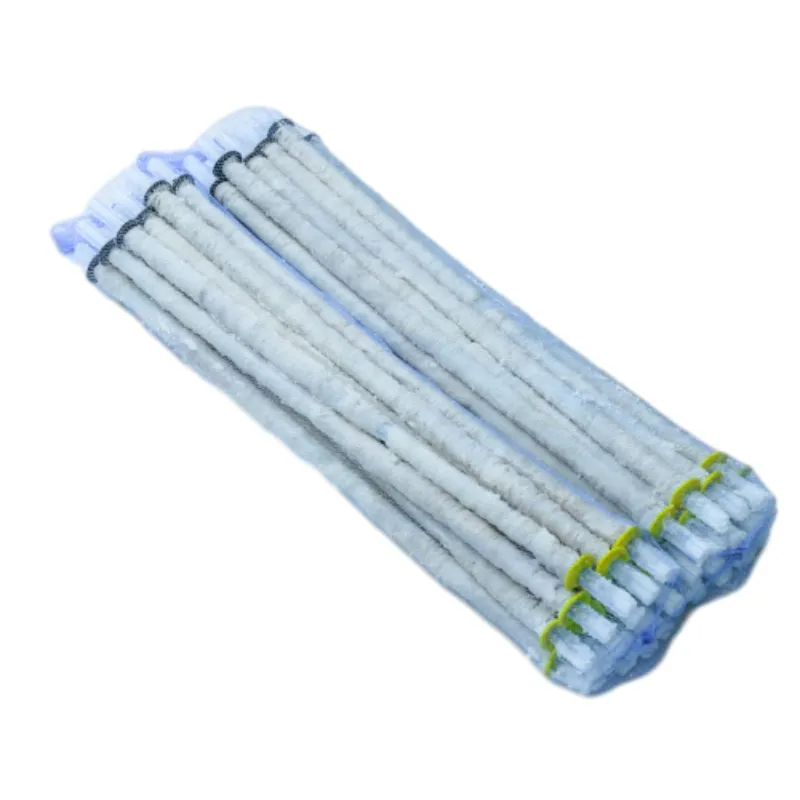
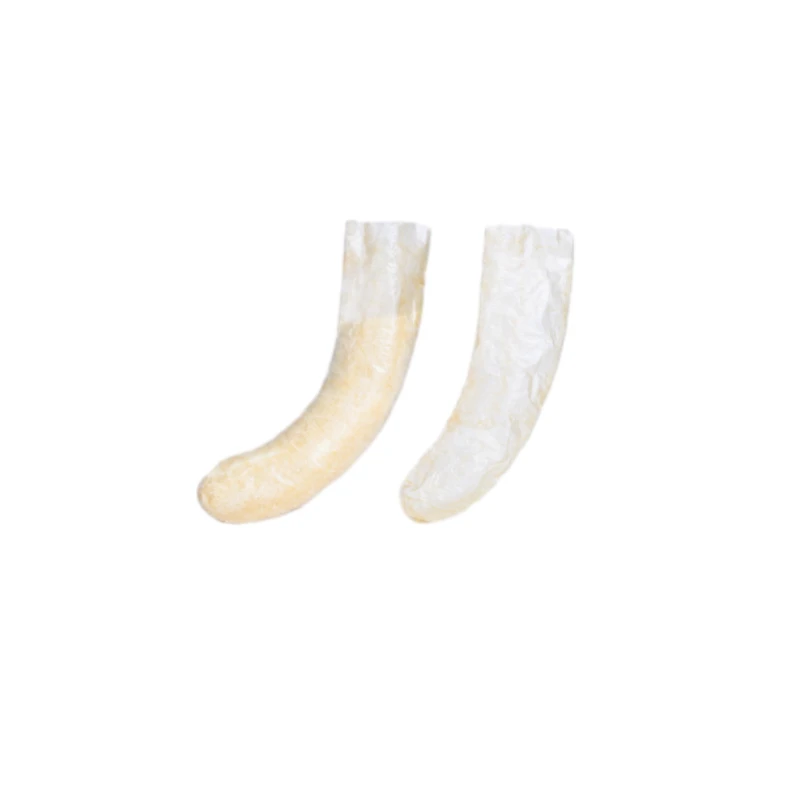
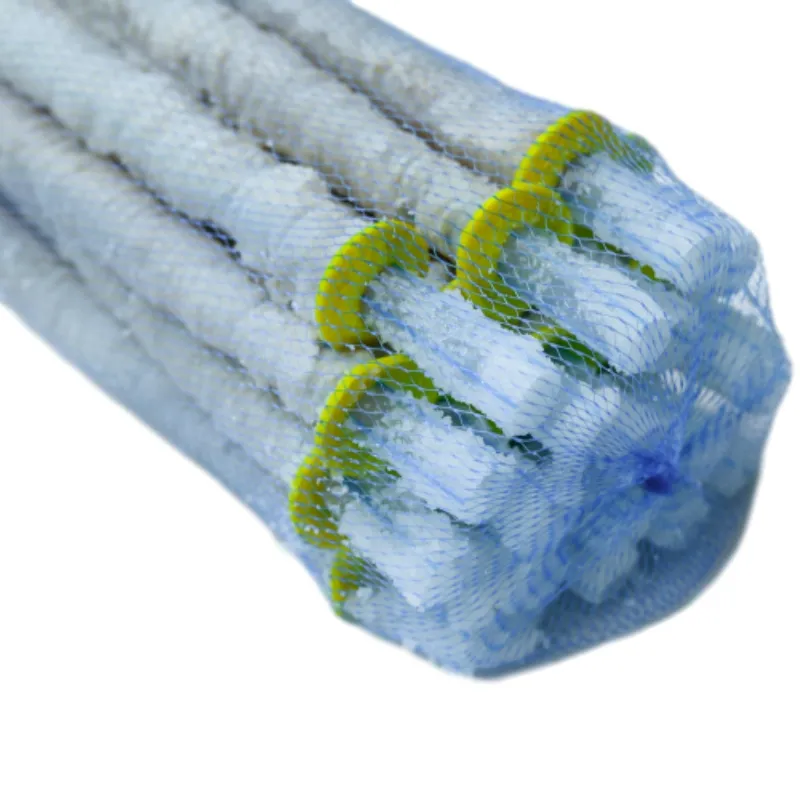
The two main types of salami casing are natural and collagen. Natural casings, derived from animal intestines (usually beef, pork, or sheep), offer a traditional texture and "snap" when bitten. They require careful preparation and are more susceptible to variations in size and strength. Collagen casings, manufactured from the collagen found in animal hides, provide greater consistency, strength, and ease of use. They are also permeable to smoke and allow for a good level of drying. RTCasing specializes in providing high-quality collagen casings to meet diverse salami production needs.
Collagen Casing Advantages:
• Consistent diameter and strength
• Easy to handle and process
• Excellent permeability to smoke
• Reduced shrinkage during drying
Choosing the Right Salami Casing for Your Product
Selecting the appropriate casing depends on the type of salami you’re producing, your desired texture, and your processing capabilities. For traditionally-made, artisanal salami where the characteristic “snap” is paramount, natural casings might be preferred. However, for high-volume production where consistency is key, collagen casings offer significant advantages. Consider the diameter requirements of your salami, the drying time, and the desired level of smoke penetration. Different collagen casings are designed to offer varying levels of permeability and shrinkage.
RTCasing: Your Partner for High-Quality Salami Casings
At RTCasing, we specialize in providing premium edible collagen casings for salami production. We offer a range of diameters and permeability levels to suit your specific requirements. Our casings are manufactured to the highest standards of quality and consistency, ensuring optimal performance and a superior final product. We're committed to delivering reliable casings and exceptional customer service.

Product Specifications
Here are some general specifications for our standard collagen casings. Contact us for detailed specifications for specific product lines:
Conclusion: Selecting the Right Casing for Superior Salami
Choosing the right salami casing edible is a critical step in producing high-quality salami. Consider your specific needs, including desired texture, production volume, and processing capabilities. RTCasing offers a wide range of collagen casings to meet diverse requirements. Contact us today to discuss your needs and find the perfect solution for your salami production.
Frequently Asked Questions (FAQs)
What is the shelf life of RTCasing collagen casings?
RTCasing collagen casings have a shelf life of 24 months when stored in a cool, dry place away from direct sunlight. It’s crucial to keep the packaging sealed until ready for use to maintain optimal quality. Check the expiration date printed on the packaging. Proper storage is essential to prevent moisture absorption and ensure the casings remain pliable and effective. We recommend storing them at temperatures between 15°C and 25°C (59°F and 77°F).
Are RTCasing collagen casings truly edible?
Yes, RTCasing collagen casings are fully edible and made from natural collagen derived from animal hides. They are specifically designed to be consumed along with the salami. They have a pleasant, slightly chewy texture that complements the flavor of the meat. Our casings meet all relevant food safety regulations and standards, ensuring they are safe for consumption. They are also digestible and do not pose any health risks.
Can I smoke salami using RTCasing collagen casings?
Absolutely! RTCasing collagen casings are highly permeable to smoke, allowing for excellent smoke penetration and flavor development. This makes them ideal for producing traditionally smoked salami. The permeability can vary slightly depending on the specific casing model, so it's best to consult our product specifications or contact our team for recommendations based on your smoking process. The casings will impart a subtle texture and do not interfere with the smoky aroma.
What diameters of collagen casings does RTCasing offer?
RTCasing offers a wide range of diameters to accommodate various salami sizes. Our standard range covers 36mm to 75mm. We also offer custom sizing options to meet specific customer requirements. Please visit our website or contact our sales team for a complete list of available diameters and to discuss your specific needs. We can help you select the optimal casing size for your desired salami product.