Dec . 02, 2025 18:38
Understanding Pork Casing Manufacturers: Why They Matter Worldwide
If you've ever savored a juicy sausage or enjoyed a gourmet delicacy featuring encased meats, then pork casing manufacturers have silently shaped your dining experience. But beyond kitchen delights, these manufacturers play a pivotal role in global food industries and even humanitarian sectors. From enabling scalable food production to ensuring cultural authenticity in sausages worldwide, understanding who these makers are and what they do unravels a fascinating story of tradition meeting innovation.
Globally, pork casings form one of the oldest and most natural edible food wrappings. They boast benefits ranging from superior texture and flavor retention to biodegradability. But more interestingly, the manufacturers who source, process, and deliver these casings hold keys to challenges like food sustainability, supply chain adaptability, and regulatory compliance at an international scale.
The Global Stage: Why Pork Casing Manufacturing is More Relevant Than Ever
Did you know that global meat consumption is expected to rise by roughly 14% by 2030 according to the FAO? Sausages and processed meats, reliant on natural casings, form a significant slice of this market. Pork casing manufacturers serve both booming global demand and the stricter food safety standards imposed by bodies such as ISO and the World Health Organization.
On top of that, countries with rich culinary traditions—from Germany’s bratwurst to China’s lap cheong—rely heavily on authentic pork casings. But the industry faces challenges: fluctuating pig populations, stringent hygiene requirements, and a growing call for sustainable sourcing. Manufacturers who can navigate this landscape ensure that millions of consumers can trust the meals before them.
What Exactly are Pork Casing Manufacturers?
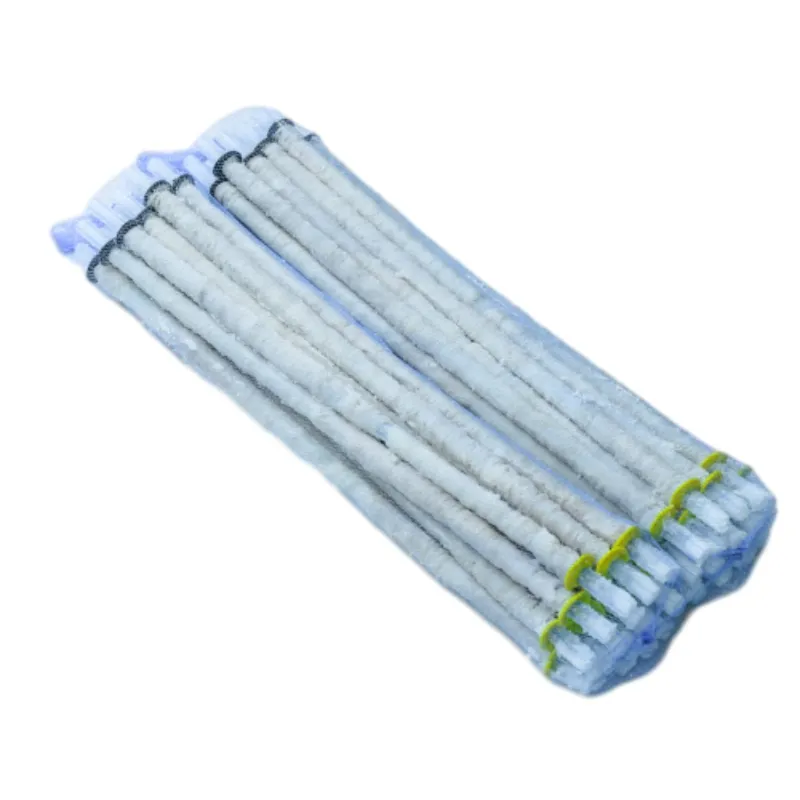
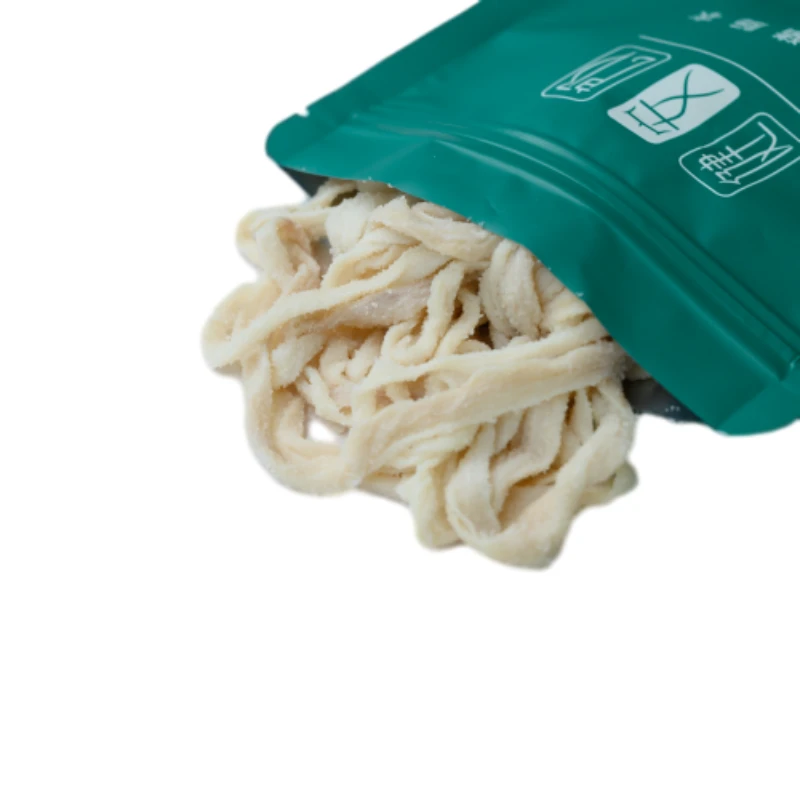
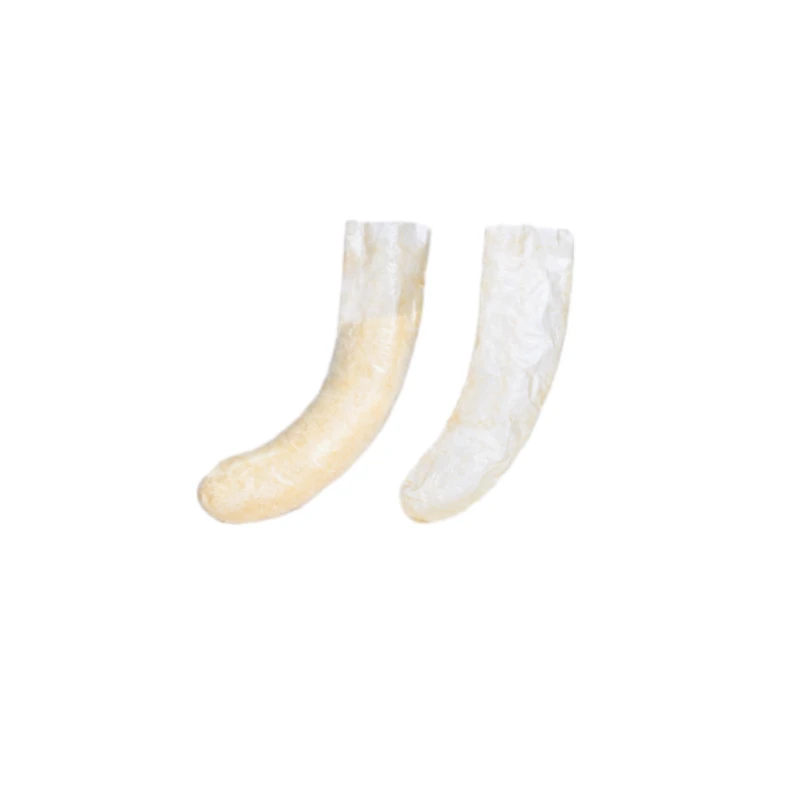
At its core, pork casing manufacturers are specialized companies that prepare animal intestines (primarily from pigs) into ready-to-use casings for sausage and meat product production. The process involves careful cleaning, salting, and preservation to meet food-grade standards. This kind of manufacturing bridges traditional butchery methods with modern industrial processes.
These companies don't just sell a product; they deliver consistency, safety, and a material that imparts the unique bite and snap sausage lovers count on. Plus, given food security concerns globally, having reliable pork casing manufacturers helps humanitarian organizations and food producers maintain steady supply chains, sometimes even in remote or disaster-affected regions.
Takeaway:
- Pork casing manufacturers transform natural pork intestines into edible sausage wrappers.
- They uphold strict quality and safety standards, supporting both local and international supply chains.
- Their function is essential in food culture preservation and humanitarian aid contexts.
Core Factors that Define Quality in Pork Casing Manufacturing
1. Durability and Consistency
The casings must withstand stuffing and cooking without tearing. Manufacturers invest in processing protocols to ensure uniform thickness and tensile strength. This reliability prevents costly batch failures during production.
2. Scalability and Supply Chain Efficiency
Because demand fluctuates by season and geography, manufacturers focus on flexible operations. Their ability to source intestines, process them quickly, and ship worldwide is a juggling act—especially when outbreaks or livestock market shifts occur.
3. Hygiene and Food Safety Standards
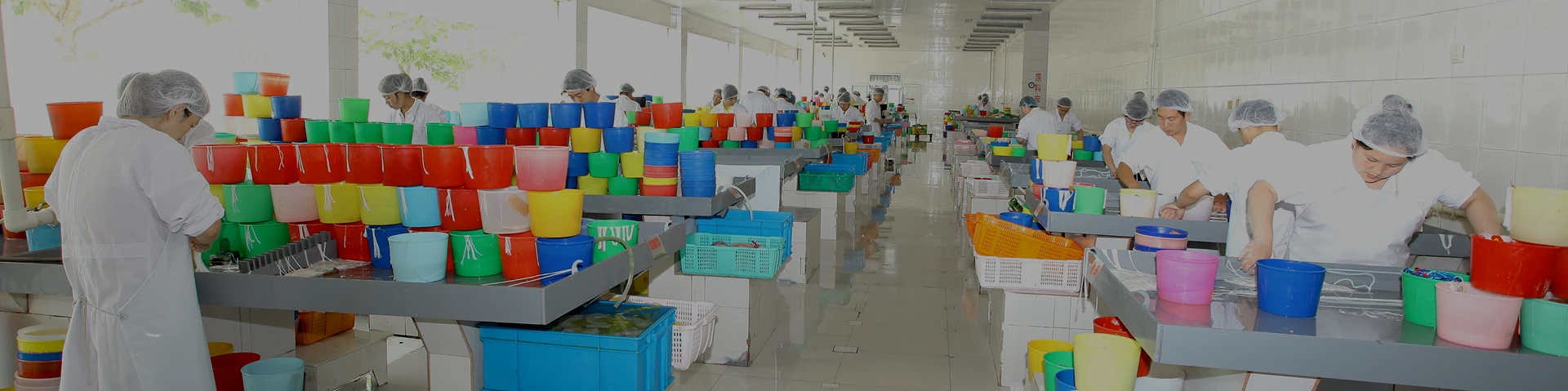
Stringent regulation means manufacturers maintain controlled environments, regular testing, and traceability. Those aligned with ISO 22000 or EU food safety protocols often stand out.
4. Cost Efficiency Without Compromise
Though natural casings are often pricier than synthetic alternatives, efficient manufacturers optimize processing to offer competitive pricing while preserving quality.
5. Innovation in Preservation and Packaging
While traditional salting continues, newer methods like vacuum sealing and cold storage extend shelf life, allowing suppliers to serve global markets faster.
Quick Summary:
- Reliable casings come from balancing strength, safety, and supply adaptability.
- Efficient manufacturers innovate without sacrificing tradition.
How Pork Casings Are Used Around the World
The uses are wider than you might guess. In Europe, authentic bratwurst and boudin rely on pork casings that provide the characteristic snap. Meanwhile, in Asia, pork casings are essential for Lap Cheong and various dim sum dishes. North American producers use them to craft beloved breakfast sausages, and emerging markets are adopting traditional processing techniques for new food ventures.
It's also intriguing that humanitarian groups tap into these manufacturers’ networks when providing ready-to-eat meals during crises—the natural casings allow for compact, durable food bundles with longer shelf life and better palatability.
Advantages That Keep Pork Casings in Demand
Let’s not forget why natural casings remain unrivaled:
- They’re biodegradable and sustainable compared to synthetic alternatives.
- Provide superior texture and flavor, enhancing product appeal.
- Promote food safety through natural permeability that helps during cooking.
- Support cultural food traditions, thereby protecting culinary heritage.
For consumers, this translates to more authentic, enjoyable meals. For industries, it means trust, innovation, and sustainable business models tied to long-term global food security.
Where the Industry is Headed: Future Trends in Pork Casing Manufacturing
Manufacturers are embracing smart automation, better traceability via blockchain, and green processing technologies that reduce water and chemical use. Some are experimenting with hybrid casings that combine natural and synthetic materials to improve shelf life without losing texture.
Additionally, growing consumer demand for transparency is pushing pork casing manufacturers to adopt digital labeling and certification schemes. Frankly, if you care about sustainability, this is a space to watch closely.
Common Challenges and How They’re Met
Challenges include source variability—pig intestine quality depends on livestock health and diet—and maintaining hygiene under fluctuating global supply pressures. Manufacturers often combat these by:
- Developing closer partnerships with livestock producers.
- Investing in advanced cleaning and sterilization technologies.
- Implementing real-time quality monitoring systems.
These innovations ensure stability in supply and consistent quality, critical in a market sensitive to both taste and regulatory compliance.
Product Specification Table
| Specification | Typical Value | Notes |
|---|---|---|
| Material | Natural pork intestine | Food-grade, edible |
| Diameter Range | 16-32 mm | Adjustable per product |
| Length per package | 50-100 meters | Salted or fresh |
| Preservation Method | Salted & refrigerated | Shelf life varies |
| Compliance | ISO 22000, EU Food Safety | Meets global standards |
Vendor Comparison Table at a Glance
| Manufacturer | Quality Grade | Global Reach | Price Range | Innovation Focus |
|---|---|---|---|---|
| RT Casing Co. | Premium | 60+ countries | $$$ | Sustainability & Automation |
| Natural Casings Inc. | Standard | Europe & Asia | $$ | Packaging & Traceability |
| Prime Pork Casings | Economy | Local (USA) | $ | Cost Efficiency |
FAQ: Common Questions About Pork Casing Manufacturers
Q1: How do manufacturers ensure the safety of pork casings?
Manufacturers follow rigorous cleaning and sterilization protocols, often adhering to ISO 22000 food safety standards. They clean intestines with potable water, salt them to prevent bacterial growth, and employ traceability for each batch. Regular lab testing ensures no contamination occurs before distribution.
Q2: Can pork casing manufacturers supply international clients fast enough?
Top manufacturers maintain efficient supply chains by combining quick processing, near-shore storage, and reliable shipping partners. Some use vacuum-sealing and cold storage to extend shelf life during transit, enabling timely deliveries worldwide — crucial in both commercial and humanitarian contexts.
Q3: Are pork casings sustainable compared to synthetic alternatives?
Yes, since pork casings are natural and biodegradable, they are more environmentally friendly than plastic casings. Manufacturers are increasingly adopting sustainable sourcing and green processing technologies to further reduce environmental impact.
Q4: What sizes are typically available from pork casing suppliers?
Manufacturers offer casings in a variety of diameters, commonly ranging from 16mm to 32mm, catering to different sausage styles. Lengths per package generally range between 50 to 100 meters to suit various production needs.
Q5: How can I connect with trusted pork casing manufacturers?
You can visit reliable industry platforms or the website of established suppliers like pork casing manufacturers. It’s best to look for certifications and talk about your volume, quality, and delivery needs to ensure a match.
Wrapping Up: Why Pork Casing Manufacturers Are a Pillar of the Food Industry
To sum it all up, pork casing manufacturers embody a blend of age-old food craft and cutting-edge industrial practice. They serve not just sausages on a plate but uphold food safety, cultural heritage, and a growing global demand for responsible, reliable natural casings. Whether you are a food producer, a culinary enthusiast, or part of a food relief organization, these players quietly but indispensably support many meals around the world.
Want to dive deeper or source directly? Feel free to explore more at pork casing manufacturers today – it may be the first step in enhancing your product line with premium casings that truly deliver.
Quick Reflection
It’s fascinating how something as simple as a sausage casing connects communities, economies, and traditions. In the end, the marriage of natural materials and modern processing in pork casing manufacturing is a tiny but powerful example of global food innovation.