Dec . 07, 2025 14:55
Custom 22mm Sausage Casing: Why Precision Matters in Industrial Food Production
Having worked in the industrial equipment sector for well over a decade, I can say this: when it comes to sausage production, the casing is more than just a simple wrapper. Especially for custom 22mm sausage casing, the little details have a big impact. Whether you’re working on specialized recipes, scaling up production lines, or meeting strict regulatory standards, selecting the right casing is both a science and an art.
Oddly enough, not all 22mm casings are created equal—there’s a surprising array of materials, finishes, and customization options to navigate. In my experience visiting various plants, the biggest efficiency gains come when you dial in the casing precisely for the product, environment, and equipment.
What Makes Custom 22mm Sausage Casing Stand Out?
Frankly, in industrial food production, the diameter might seem standard, but manufacturers often require bespoke solutions for 22mm casings. This precision affects filling speed, shrinkage during cooking, and, ultimately, consumer appeal. For example, I once observed a baker who needed a casing that could withstand both high-temperature smoking and rapid cooling without cracking. Custom formulations made all the difference.
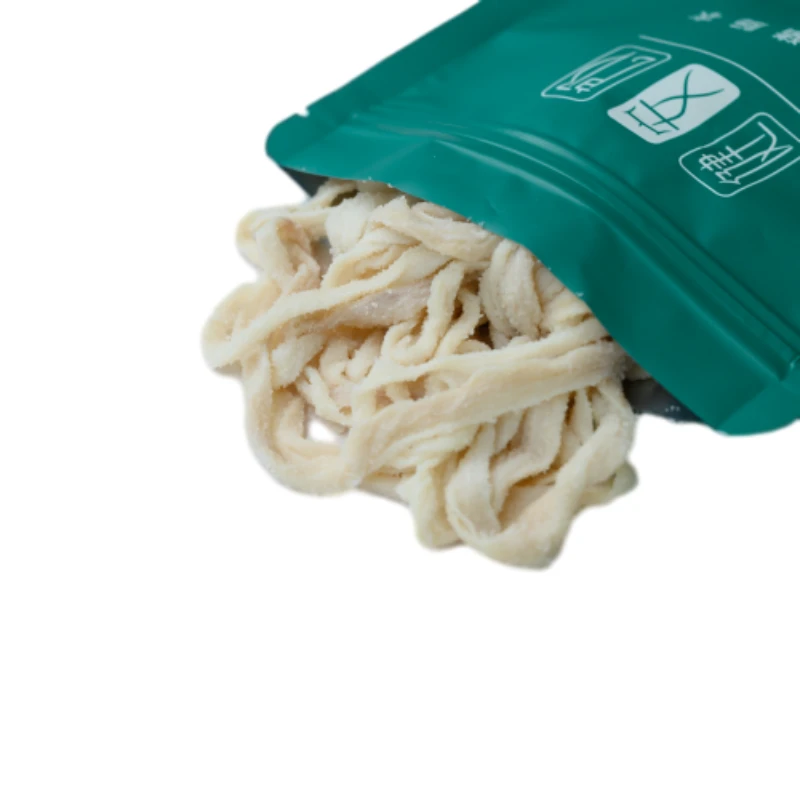
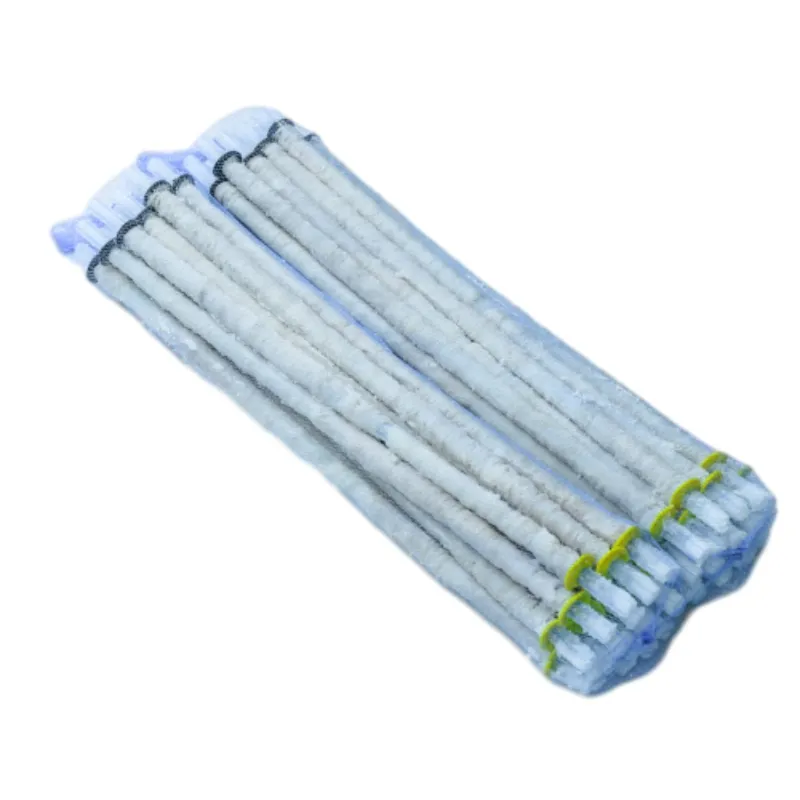
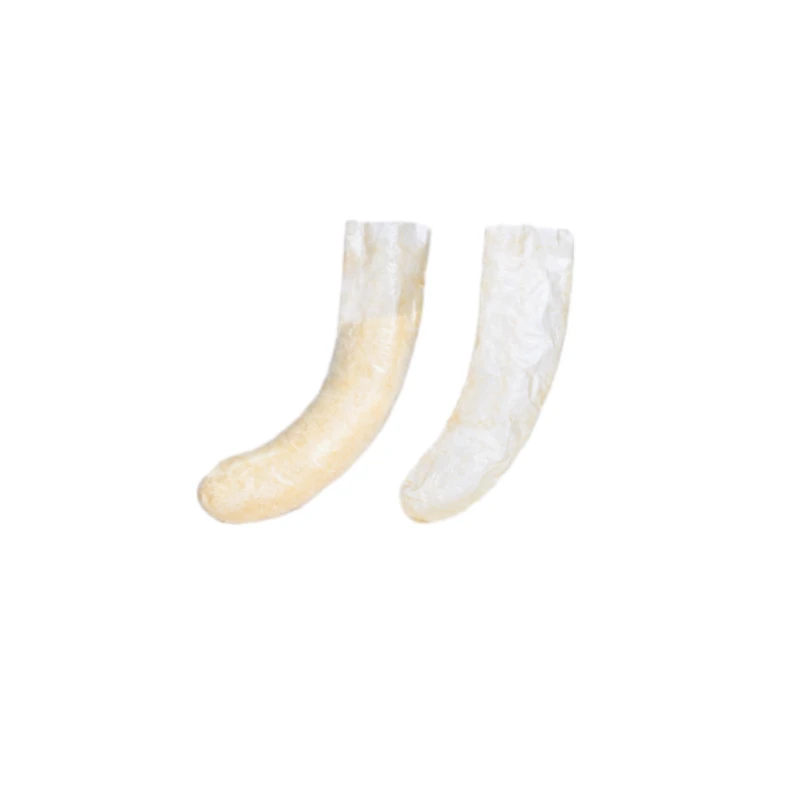
Material choice is key. Collagen casing—commonly used for that 22mm size—is praised for its natural bite and appearance. It’s produced from beef or pork by-products, then treated to ensure uniformity and strength. What’s cool is that modern collagen casings can be formulated to be edible or peelable, depending on what the product calls for.
Polyamide or fibrous casings usually sit outside the 22mm range, but I mention them here because understanding why collagen is preferred at this size sheds light on the industry’s trends. Many processors say that collagen hits the sweet spot for certain sausage types, balancing flexibility, yield, and price.
Customization Options for 22mm Sausage Casing
Customization isn’t just about diameter. Thickness variations, permeability rates (for smoking or drying), and surface treatments (for better adhesion or peelability) are just a few factors I routinely see discussed in project meetings. You also want to ensure the casing maintains integrity during mechanical stuffing—running tests with your actual equipment is vital.
For example, a client once requested a casing that would minimize product loss during packaging due to snap fractures. Tailored collagen casing with specific tensile strength characteristics improved their yields noticeably. That felt rewarding—when the right casing directly supports the bottom line.
| Property | Typical Value | Notes |
|---|---|---|
| Diameter | 22 mm ± 0.2 mm | Precision is critical for filling accuracy |
| Material | Collagen (bovine or porcine) | Food grade, edible, or peelable options |
| Tensile Strength | 35–50 N/mm² | Depends on application and stuffing speed |
| Thickness | 60–80 microns | Customized for permeability and strength |
| Smoke Permeability | Adjustable | Customized for drying/smoking processes |
A Quick Vendor Comparison to Help You Decide
With so many suppliers out there, it’s tempting to just pick the cheapest or the closest. But from my dealings, investing time in vetting vendor expertise pays off big. Here’s a small comparison I put together based on known industry players that specialize in 22mm sausage casings:
| Vendor | Material Options | Customization Level | Delivery Speed | Technical Support |
|---|---|---|---|---|
| RTCasing | Collagen (bovine & porcine) | High - tailored diameter, thickness & permeability | 4-6 weeks | Exceptional, industry experts available |
| Vendor B | Mostly porcine collagen | Medium customization | 3-5 weeks | Good, but limited to business hours |
| Vendor C | Synthetic & fibrous casings | Low for collagen 22mm | 7-8 weeks | Minimal technical backup |
Of course, I recommend reaching out directly, talking specs and end-use cases. You’d be surprised how much a good vendor can help optimize your whole process.
Final Thoughts
To sum up, choosing custom 22mm sausage casing is a crucial step that often flies under the radar—but shouldn’t. The right material, thickness, and finish tailored to your production needs can streamline operations, reduce waste, and enhance product appeal. It’s one of those things where a small investment in precision tends to pay big dividends downstream.
And honestly, after years in the trenches, I notice that companies who truly prioritize the casing as part of the product—not just a packaging afterthought—end up with happier customers and smoother lines. Makes sense, right?
Thanks for reading my two cents. If you want a deep dive or advice specific to your setup, it’s worth chatting with suppliers who do nothing but sausage casings. There’s no substitute for experience.
Referenced:
- International Meat Secretariat - Sausage casing materials & standards
- Food Engineering Magazine – Trends in collagen casing technology
- Personal industry insights & equipment supplier consultations (2010–2024)