Dec . 11, 2025 04:25
Understanding 22mm Sausage Casing Products: Insights from the Industry
Having spent well over a decade in the industrial equipment sector, I can tell you that sausage casing might not be the first product that comes to mind when you think “industrial materials.” Yet, those thin tubular membranes—especially the 22mm sausage casing products—are a vital piece of the puzzle in food manufacturing, particularly in meat processing factories around the world.
Oddly enough, the 22mm size is something of a sweet spot. It's neither too large nor too small, often used for snack-sized sausages, breakfast links, or specialty artisanal products. This size balances efficiency in packaging with product consistency. I’ve noticed that many engineers and production managers appreciate this diameter for its versatility.
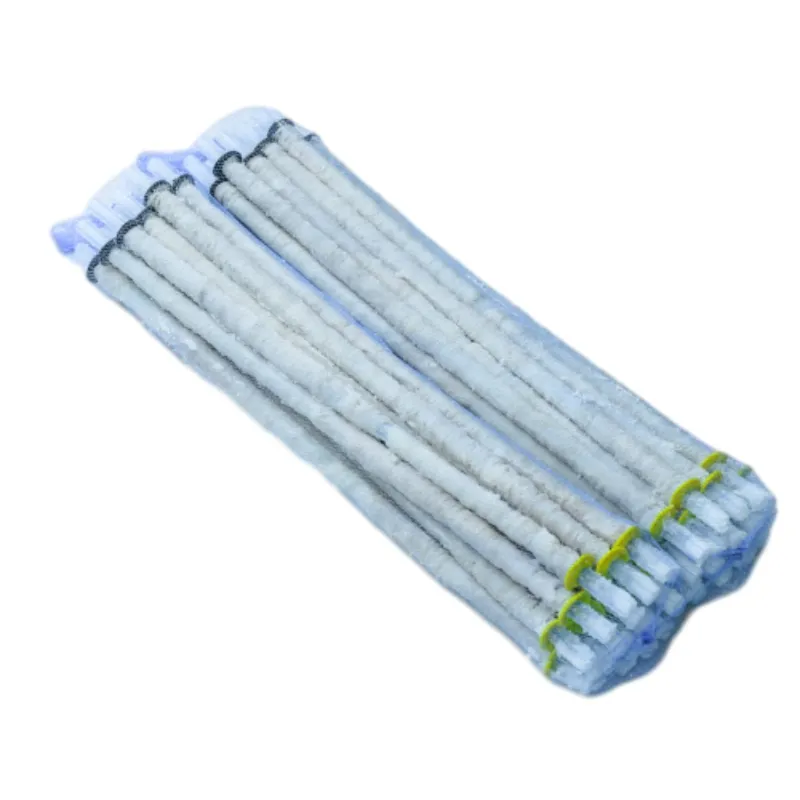
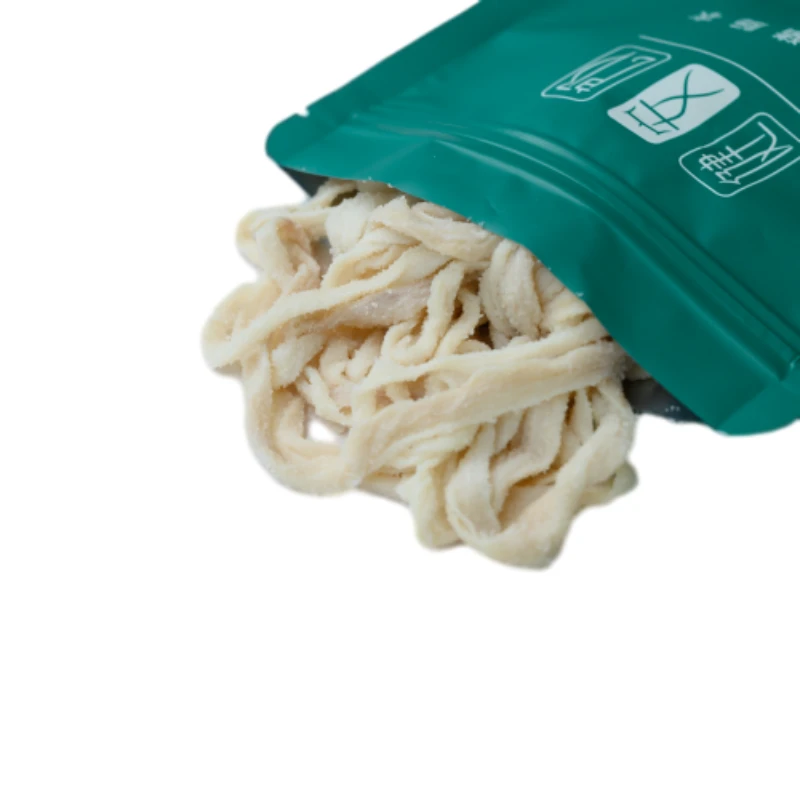
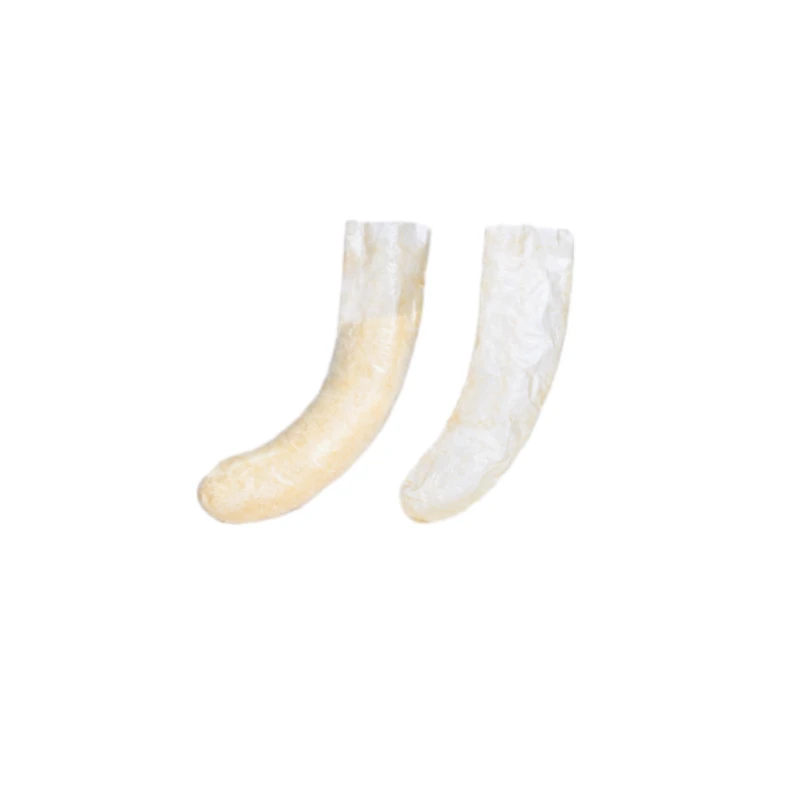
In real terms, the material used for these casings can vary significantly. Most common are collagen casings, which are derived from natural sources and offer great strength and smoke permeability. Then you’ve got cellulose casings that are biodegradable but can be a bit less durable. Synthetic options like fibrous or plastic casings tend to be more specialized but offer excellent uniformity and longer shelf life.
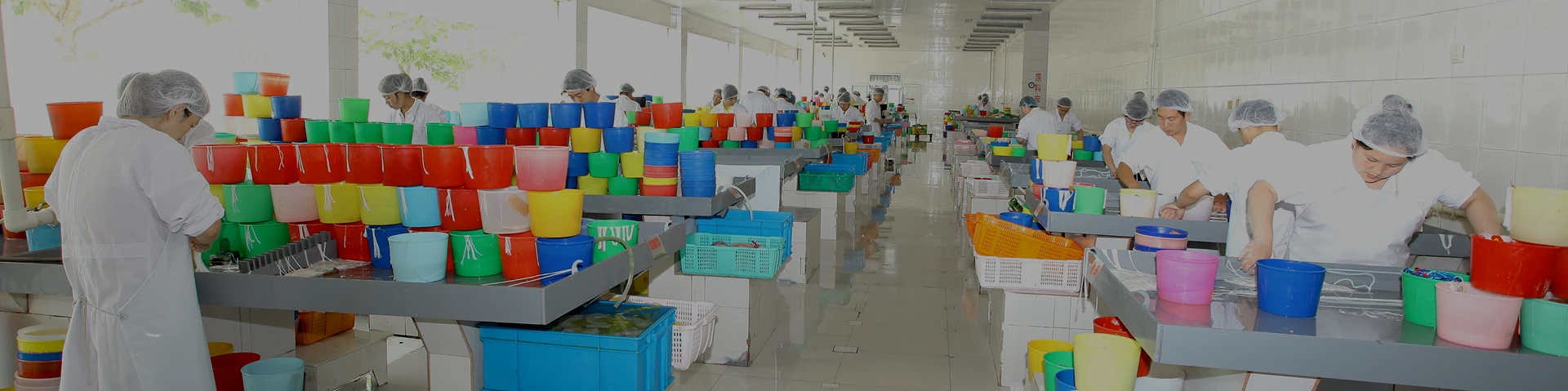
What truly stands out is how these casings go through stringent quality controls. For instance, thickness consistency, tensile strength, and permeability are tested extensively. You don’t want a casing that bursts mid-production or alters the product’s cooking properties. I once worked with a supplier whose product failure rate was below 0.1% — which frankly, felt like a miracle in this business.
Here’s a quick glance at typical specs for a 22mm collagen casing that’s commonly used in industrial setups:
| Specification | Value |
|---|---|
| Diameter | 22mm (+/-0.5mm) |
| Material | Collagen (bovine/pork) |
| Tensile Strength | ≥ 30 MPa |
| Thickness | 0.15-0.20 mm |
| Smoke Permeability | High |
| Usage | Snack sausages, cooked & smoked links |
Now, suppliers of 22mm sausage casings vary widely in their focus and product lines, so choosing the right vendor can make or break your production line’s smoothness. Here’s a quick look at three typical suppliers I’ve encountered over the years:
| Vendor | Product Range | Quality Assurance | Customization | Typical Lead Time |
|---|---|---|---|---|
| RTCasing | Collagen, fibrous, cellulose | ISO 22000, regular lab testing | Diameter & length options | 2-3 weeks |
| Vendor B | Primarily collagen varieties | Certified HACCP, spot checks | Limited customization | 3-4 weeks |
| Vendor C | Synthetic & fibrous options | ISO & FDA compliant | Custom branding & colors | 4-6 weeks |
On one occasion, a client needed a very particular collagen casing that had to fit a slower cooking process requiring enhanced smoke permeability and a slightly increased thickness. We found that RTCasing was quite responsive, creating a prototype sample within a week — a rarity in this industry where lead times often stretch out.
It’s these subtle differences that, frankly, can influence whether a production line remains glitch-free or ends up with costly downtime.
Customizable options are becoming more popular too. I suppose this mirrors the shift in consumer demand towards artisanal and specialty sausages. Whether it’s altering casing diameter slightly, changing permeability, or even coating casings with edible films for extra shelf life, manufacturers need flexibility. Vendors like RTCasing keep up with these trends better than most.
So, in summary: 22mm sausage casings might seem like a small detail, but they’re crucial. Their dimensions, material, and quality attributes can literally shape your product’s texture, appearance, and consumer appeal.
For those in the meat processing world, I’d say never underestimate the power of a good sausage casing supplier—they’re the quiet MVPs of your production line.
Cheers to smooth runs and tasty products!
References:
- Food Safety Standards – ISO 22000 & HACCP Documentation
- Material Properties of Collagen Casings – Journal of Food Engineering, 2020
- Industry Case Studies on Sausage Production Line Optimization