Dec . 02, 2025 19:20
Salted Sheep Casing Product: Why It Matters on a Global Scale
You might not realize it at first glance, but salted sheep casing products play a surprisingly vital role in various industries worldwide. Whether you're into artisanal sausage making, regional delicacies, or outfitting food production lines, understanding these natural casings can unlock benefits ranging from quality improvements to sustainability advantages.
On a global scale, the demand for natural casings—specifically those made from sheep intestines—reflects cultural traditions, food safety concerns, and economic factors that influence meat processing markets from Europe to Asia and beyond. Knowing how salted sheep casing products work and why they're preferred in certain regions offers clearer insight into international food trade, manufacturing logistics, and even preservation techniques.
The Global Context of Salted Sheep Casings
According to the Food and Agriculture Organization (FAO), natural casings remain essential in over 60% of traditional sausage production worldwide. Sheep casings, salted for preservation, are prized due to their thinness and elastic strength which adapts well to specialty sausages common in Mediterranean and Middle Eastern markets. UN reports suggest a steady rise in demand for natural meat products, and consequently, their casing materials.
Yet challenges persist—such as maintaining consistent quality, managing the cold chain, and navigating export regulations—that salt preservation directly addresses. Salted sheep casing products, by extending shelf life and preventing microbial spoilage, help mitigate these logistical headaches in a way synthetic alternatives occasionally fail to match.
So it’s not just about tradition or taste—it's a practical solution to modern supply chain dynamics.
What Exactly Is Salted Sheep Casing Product?
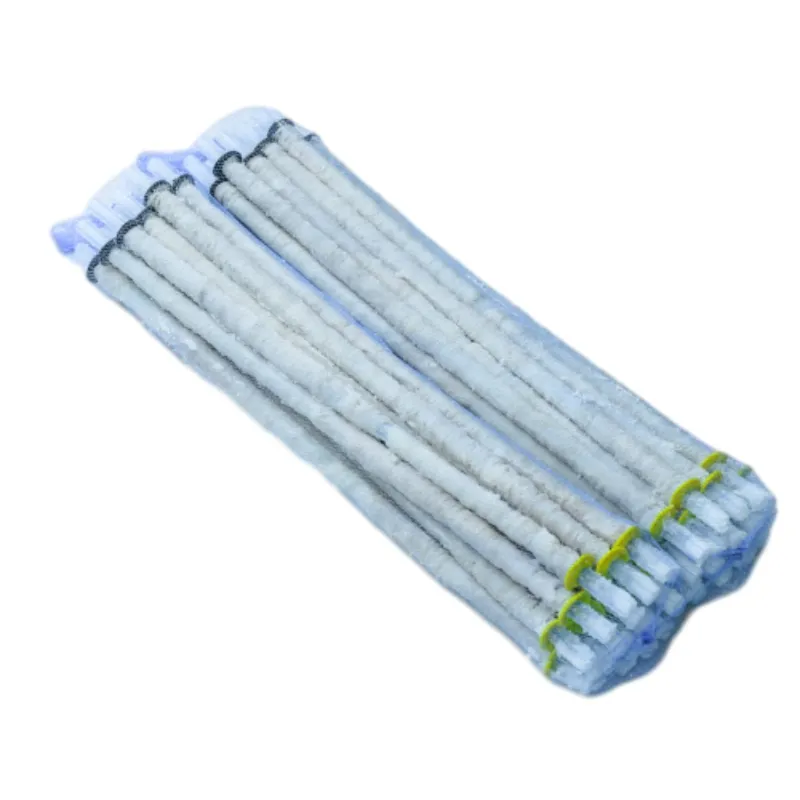
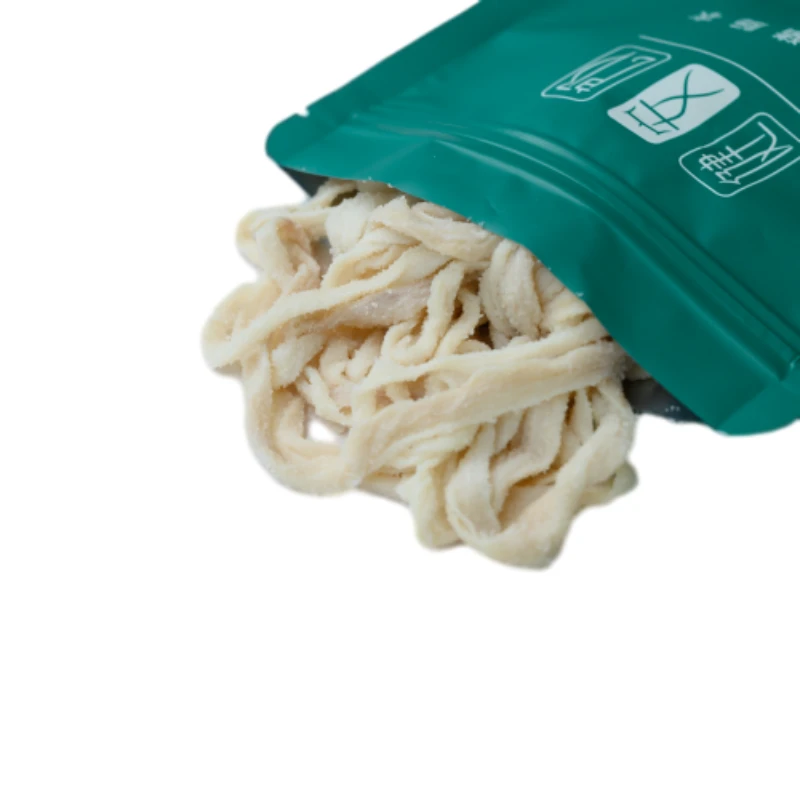
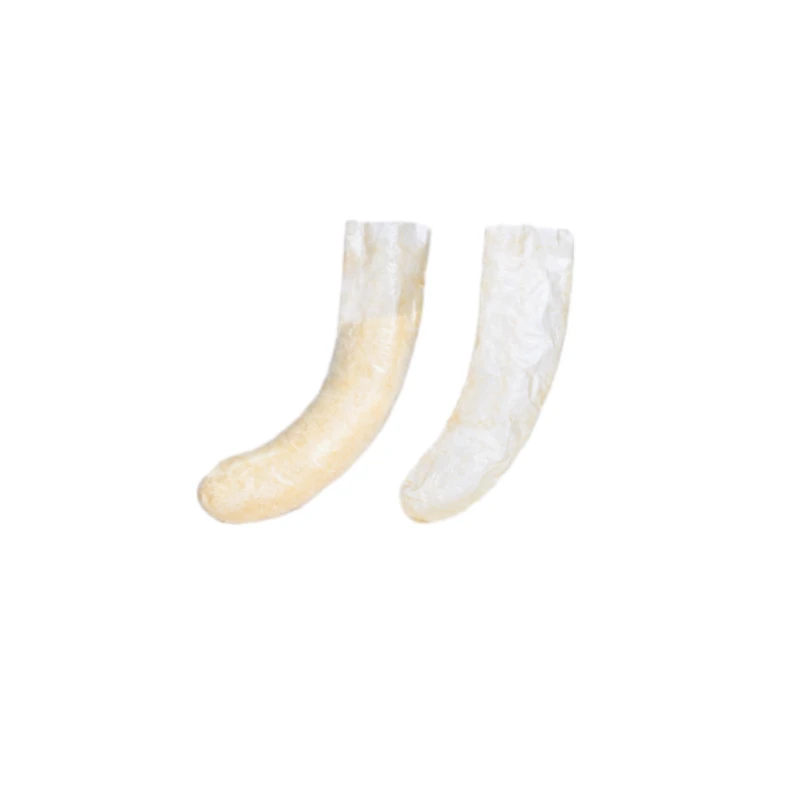
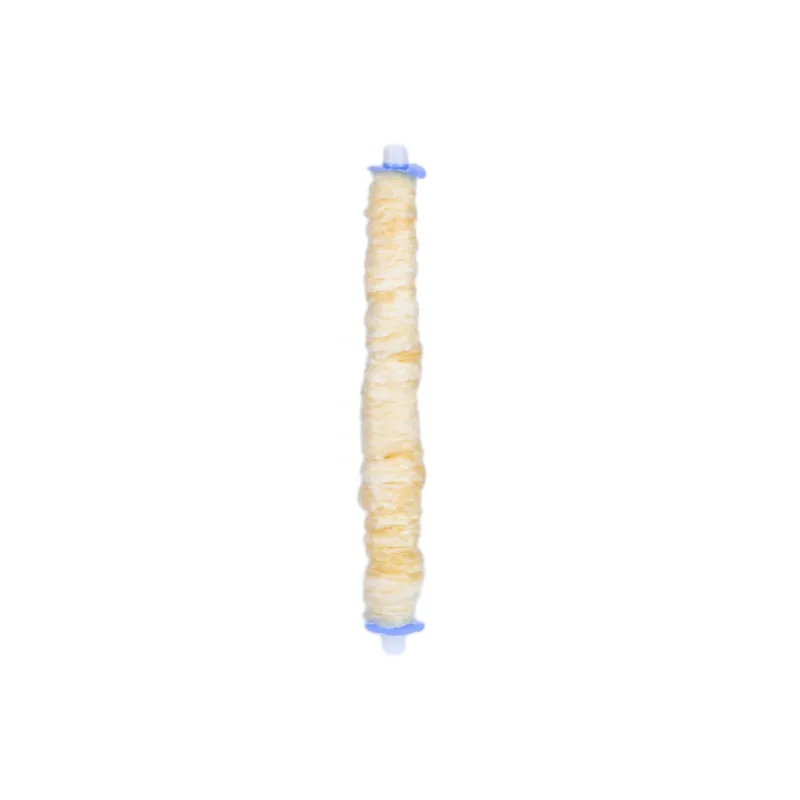
At its core, a salted sheep casing product is simply the cleaned, salted small intestine from sheep, prepared and packaged for use primarily as a natural sausage casing. The "salted" bit refers to a preservation process that involves packing the intestines in salt crystals, which draws out moisture and inhibits bacterial growth without compromising the casing's texture.
While that sounds straightforward enough, the end product serves a dual purpose: offering a natural, edible package for sausages while enabling long-distance transport and storage for producers, butchers, and distributors. It’s this intersection between biology, food science, and logistics that really fascinates me.
Core Components and Characteristics of Salted Sheep Casings
1. Durability and Elasticity
Salted sheep casings tend to be incredibly thin yet surprisingly strong. This elasticity lets them withstand stuffing pressures without tearing—ideal for delicate sausages. Many food engineers highlight how this natural flexibility outperforms many synthetic alternatives, especially for traditional recipes.
2. Preservation and Shelf Life
Salting is a centuries-old preservation method, but with modern quality controls, salted casings now come with consistent moisture content and predictable shelf lives—typically 1 to 2 years when kept refrigerated. This stability means fewer production disruptions.
3. Natural Flavor and Texture Compatibility
For artisans, salt-preserved sheep casings impart minimal off-flavors and maintain a pleasant “snap” when bitten. This sensory quality is a big part of their continued preference in many cultures.
4. Cost Efficiency
Yes, synthetics can be cheaper upfront, but when factoring in product waste, consumer preference, and even labeling claims, salted sheep casings often represent a better long-run investment.
5. Scalability and Sourcing
Local farms and butchers often collaborate with casing producers, but the salted product’s portability means it can easily serve large-scale industrial sausage manufacturers halfway across the world.
| Specification | Details |
|---|---|
| Diameter Range | 16 - 22 mm (varies with supplier) |
| Salt Content | Approx. 25-30% by weight |
| Shelf Life | 12-24 months (refrigerated) |
| Moisture Content | 35-45% (dependent on curing) |
| Packaging | Compressed piles in wooden boxes or plastic packages |
| Typical Use | Sausage casings (Mediterranean-style, Middle Eastern) |
Mini takeaway: Salted sheep casings are more than just “tubes” — think of them as biologically optimized, naturally preserved packaging with unique sensory and logistical benefits.
Worldwide Use Cases of Salted Sheep Casings
From Istanbul’s famed sucuk stalls to artisan producers in Spain, salted sheep casing products are part of a culinary and industrial tradition that spans continents. Here are some standout uses:
- Europe: Specialty sausage producers in Germany and France rely on sheep casings for regional recipes where thickness and snap are key.
- Middle East: Large-scale production of dry, cured sausages uses salted casings for long storage and transportation across hot climates.
- Asia: Emerging markets in countries like Turkey and Iran show increasing demand for natural casings amidst rising meat consumption patterns per World Bank data.
- North America: Artisan charcuterie makers prize these products for authenticity and traditional techniques.
In more specialized applications, humanitarian food programs sometimes opt for salted natural casings due to their biodegradable nature and ease of transport in disaster relief kits, compared to plastic or synthetic options.
A friend who works with NGOs mentioned how these casings helped maintain dignity in emergency food distributions — an often overlooked but important social aspect.
Comparing Top Vendors of Salted Sheep Casings
| Vendor | Product Range | Quality Certification | Price Range (per kg) | Lead Times |
|---|---|---|---|---|
| RTCasing | 16-22mm diameters, salted & fresh | ISO 22000, HACCP | $15 - $20 | 2-4 weeks |
| Natural Casings Co. | Wide range, focus on lamb & sheep | BRC, ISO 9001 | $13 - $18 | 3-6 weeks |
| Global Casings Ltd. | Broad product line, synthetic & natural | FDA, ISO 22000 | $14 - $22 | 1-3 weeks |
Why Choose Salted Sheep Casings? Advantages & Long-Term Value
There’s something reassuring about a natural product that’s stood the test of centuries. Salted sheep casings combine the advantages of cost-effectiveness, sustainability, and sensory excellence—making them a preferred choice for producers who care about quality and consumer trust.
Beyond cost savings, these casings reduce reliance on plastic alternatives and their environmental footprint. Plus, the emotional value tied to tradition, safety, and consistent culinary results add intangible but important benefits.
Innovation & Emerging Trends
The salted sheep casing market isn’t standing still. New processing techniques incorporating automation and digital moisture testing have improved consistency drastically. There’s also rising interest in “green” certification—pushing producers toward more eco-friendly salt and packaging alternatives.
Oddly enough, some start-ups are even exploring bio-based coatings to enhance casing durability without losing natural benefits.
Challenges and How Industry Is Responding
Quality variation remains a concern. Natural casings depend heavily on animal feed and local conditions, which can impact size and texture. To offset this, many suppliers implement strict traceability systems and collaborate with farms for better sourcing.
Also, balancing shelf life with preservation of natural qualities challenges producers, who have turned increasingly to optimized salting and controlled packaging atmospheres.
FAQ: Salted Sheep Casing Product
-
Q: How long do salted sheep casings last when stored properly?
A: Typically, salted sheep casings maintain optimal quality for 12 to 24 months if refrigerated. Proper moisture content and temperature control are key to extending shelf life. -
Q: Can salted sheep casings be used for all types of sausages?
A: While excellent for Mediterranean and dry sausages, very large diameter or highly processed sausages might require alternative casing types. The natural casing excels in thin to medium sizes. -
Q: What are the main differences between sheep and hog salted casings?
A: Sheep casings are thinner and more delicate, offering a finer texture, whereas hog casings are thicker and suited to larger sausage varieties. -
Q: How can international buyers ensure quality when importing salted sheep casings?
A: Look for vendors with ISO and HACCP certifications, request sample batches, and verify traceability. Partner with sellers experienced in export logistics.
Wrapping Up and Next Steps
Salted sheep casing products offer a unique blend of tradition, practicality, and innovation that keeps them relevant in today’s complex global meat industry. From their role in authentic recipes to their influence on sustainable sourcing, they carry a long-term value that synthetic options often can't match.
If you want to learn more or source quality salted sheep casings, check out trusted providers like RTCasing. It’s always nice to know where your food’s casing came from, isn’t it?
References:
1. Food and Agriculture Organization (FAO). Natural Casings Overview.
2. World Bank. Meat Production Data
3. ISO 22000 Food Safety Standard. ISO Official Site