Sep . 14, 2025 12:00
Understanding the Market for Natural Hog Casings
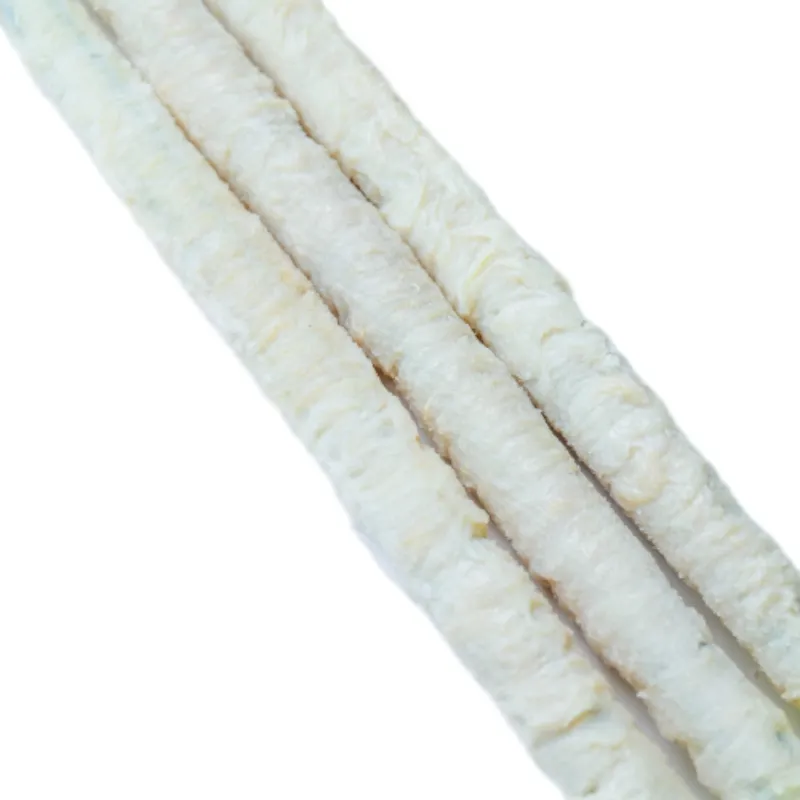
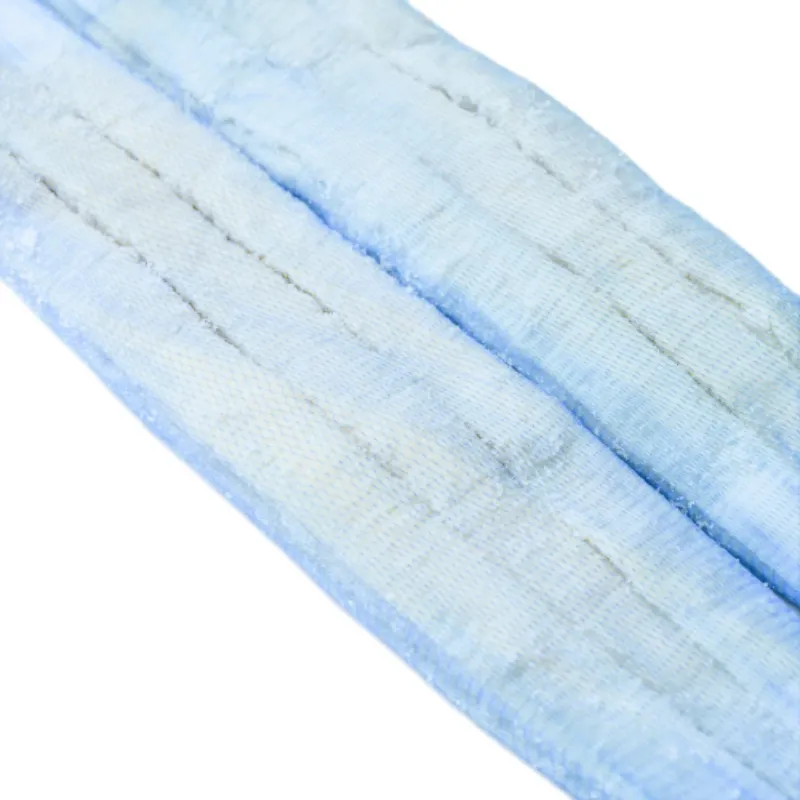
In the dynamic landscape of the food processing industry, the demand for authentic and high-quality ingredients remains paramount. Among these, natural hog casings for sale stand out as an indispensable component for premium sausage production. Renowned for their superior texture, distinctive "snap," and natural permeability to smoke, these casings are the preferred choice for manufacturers committed to delivering an exceptional culinary experience. This comprehensive guide delves into the technical aspects, market trends, and practical applications of natural hog casings, providing B2B decision-makers with the insights needed to optimize their sourcing strategies.
The market for natural hog casings, often sought as hog casing for sale or pork casing, is driven by consumer preferences for traditional, clean-label products. As global demand for processed meats, particularly gourmet sausages, continues to expand, the importance of sourcing reliable and high-quality natural casings becomes even more critical for maintaining product integrity and brand reputation.
Industry Trends and Market Dynamics
The market for natural hog casings is currently experiencing robust growth, primarily fueled by the increasing global consumption of processed meats and the rising demand for premium, artisanal sausage products. Consumers are increasingly valuing transparency in ingredients and traditional manufacturing methods, which inherently favors natural casings over synthetic alternatives.
Key Trends:
- Premiumization: A growing segment of consumers is willing to pay more for high-quality, naturally produced sausages, driving demand for superior casings.
- Clean Label Preference: Natural casings align perfectly with the "clean label" trend, as they are a minimally processed, natural product.
- Technological Advancements: Improvements in sorting, cleaning, and preservation technologies are enhancing the consistency and shelf life of natural casings, making them more attractive to large-scale manufacturers.
- Global Trade Expansion: Increased globalization of food supply chains facilitates wider availability and diverse sourcing options for pork casing for sausage.
According to recent market analyses, the global natural casings market is projected to grow at a Compound Annual Growth Rate (CAGR) of over 4% from 2023 to 2028, largely driven by the hog casing segment. This sustained growth underscores the importance for businesses to partner with reputable suppliers of natural hog casings for sale who can guarantee consistent quality and supply.
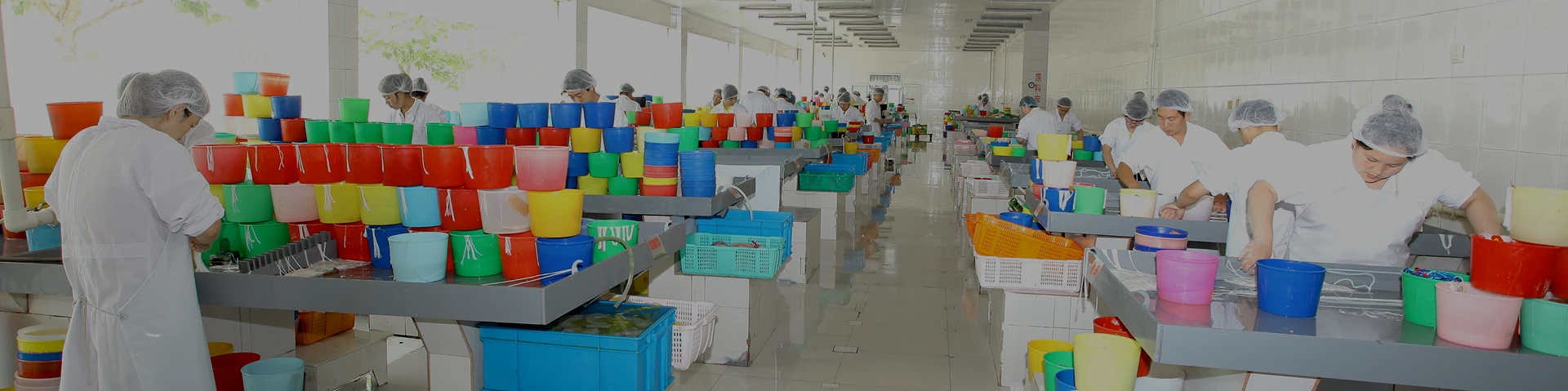
Detailed Process Flow: From Raw Material to Finished Product
The production of high-quality hog casing for sale involves a meticulous multi-stage process designed to ensure hygiene, consistency, and optimal functional properties. This rigorous approach is crucial for meeting stringent industry standards like ISO 22000 and HACCP.
Manufacturing Process Steps:
1. Raw Material Sourcing & Initial Cleaning
Sourcing healthy hog intestines from approved abattoirs. Immediate removal of initial contents and preliminary rinsing to prevent microbial growth and maintain freshness. Strict adherence to animal welfare and food safety regulations.
2. Flushing & Degreasing
Thorough internal and external flushing with potable water to remove any residual digestive contents, fats, and debris. This step is critical for cleanliness and minimizing off-odors.
3. Sliming (Mucosa Removal)
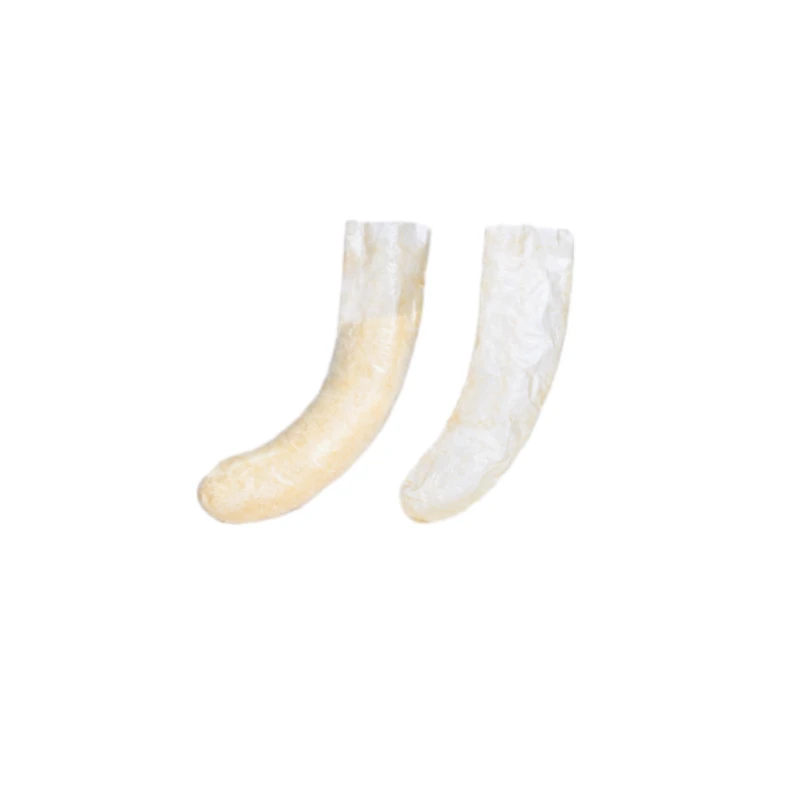
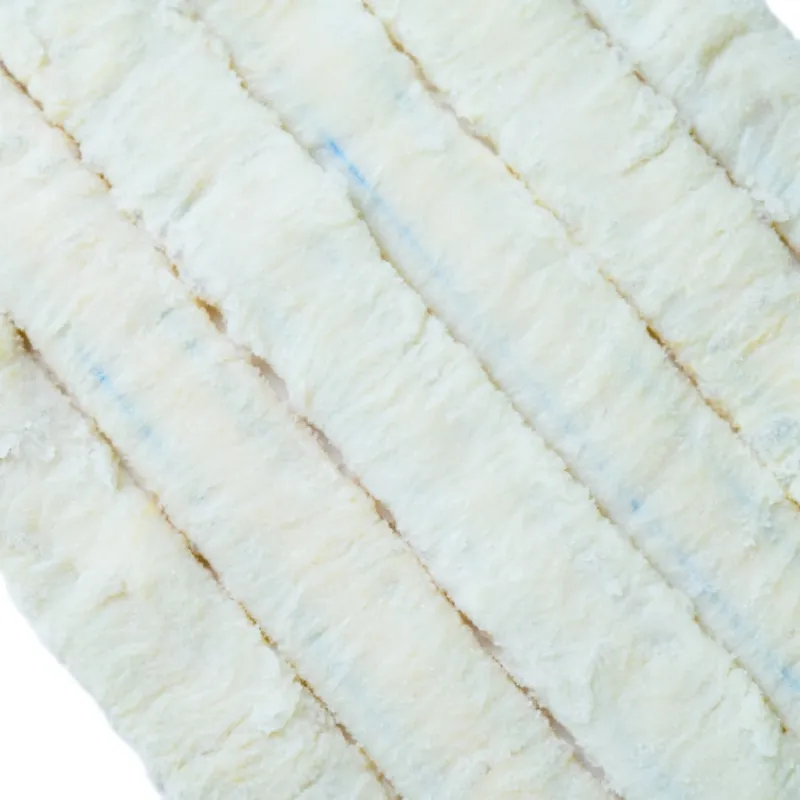
The delicate process of mechanically or manually removing the inner mucosal layer (serosa), leaving primarily the robust submucosa. This layer, rich in collagen, provides the characteristic strength and elasticity of natural casings. This step defines the quality and usability of the pork casing.
4. Sizing & Grading
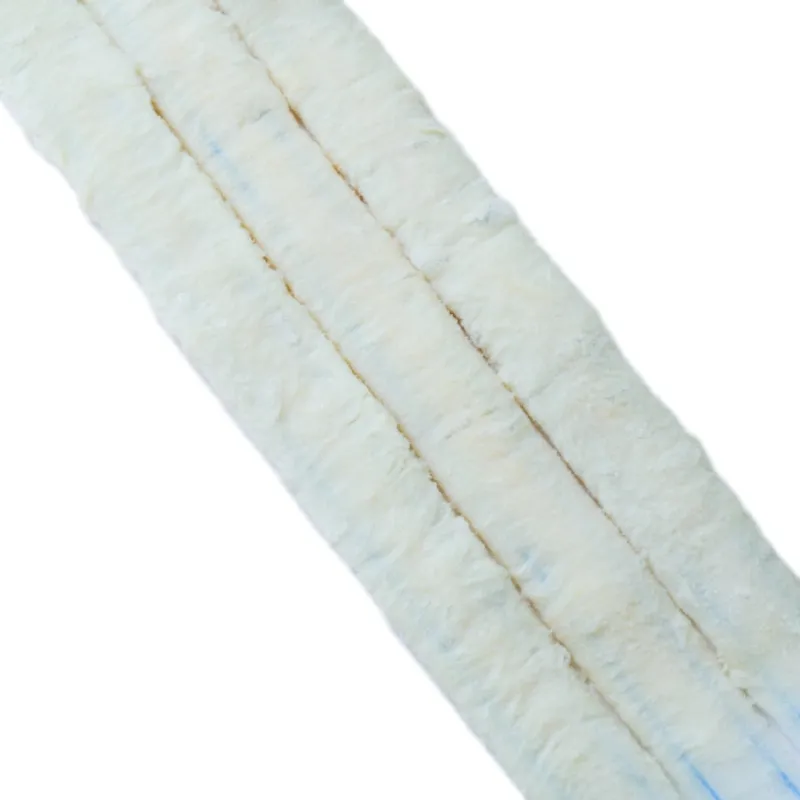
Casings are meticulously sorted by diameter (caliber), uniformity, strength, and overall quality. This grading ensures consistent product specifications, crucial for automated sausage production lines. Standard calibers range from 28mm to 40mm and beyond.
5. Salting & Curing
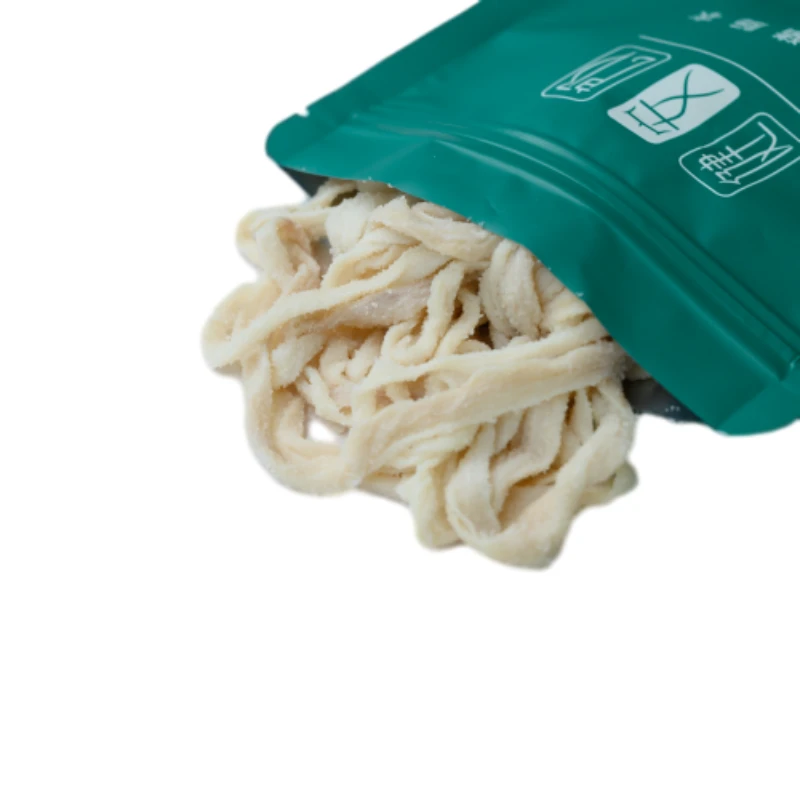
Cleaned and graded casings are liberally packed in high-quality salt (typically 20% NaCl solution or dry salt). This brining process preserves the casings, inhibits bacterial growth, and extends their shelf life, making them suitable for long-distance transport and storage.
6. Bundling, Packaging & Quality Control
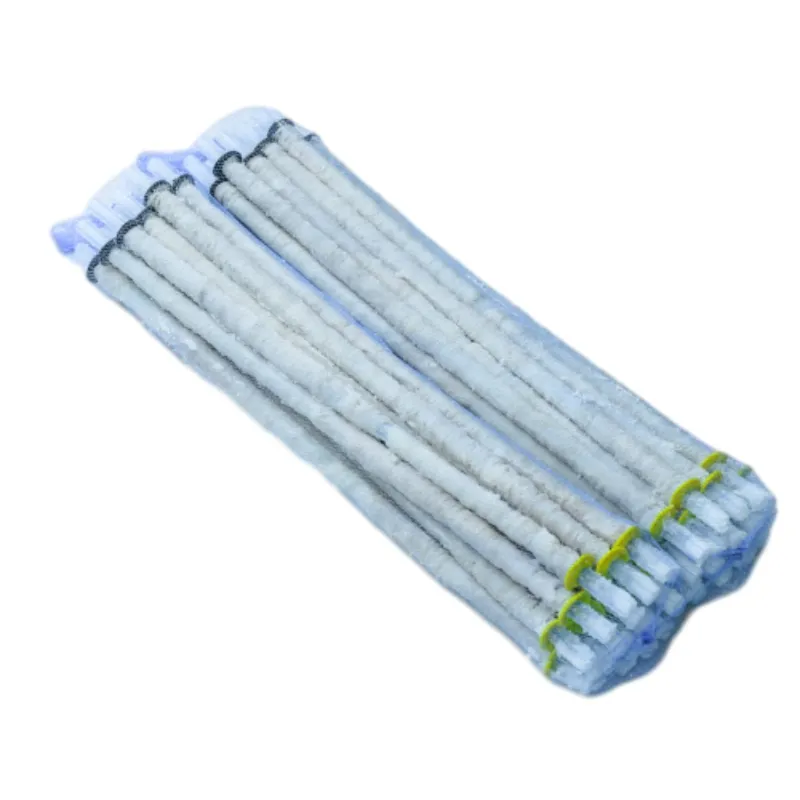
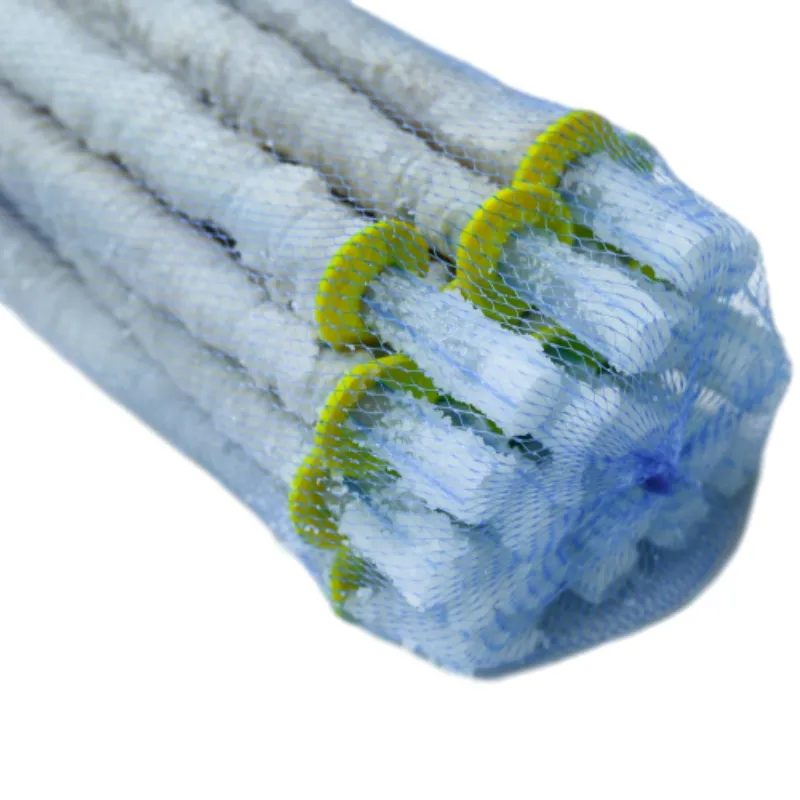
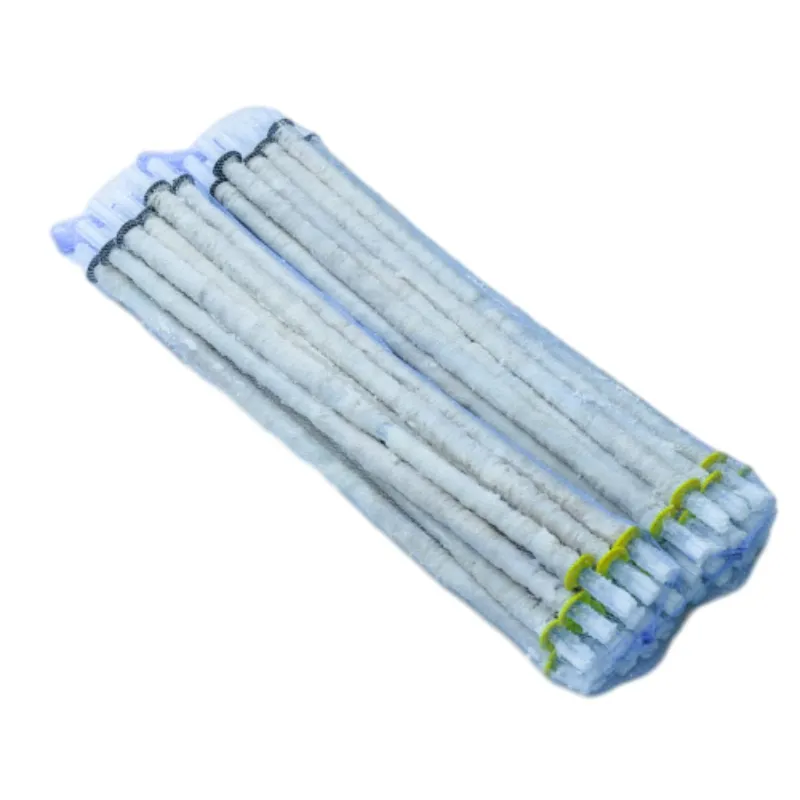
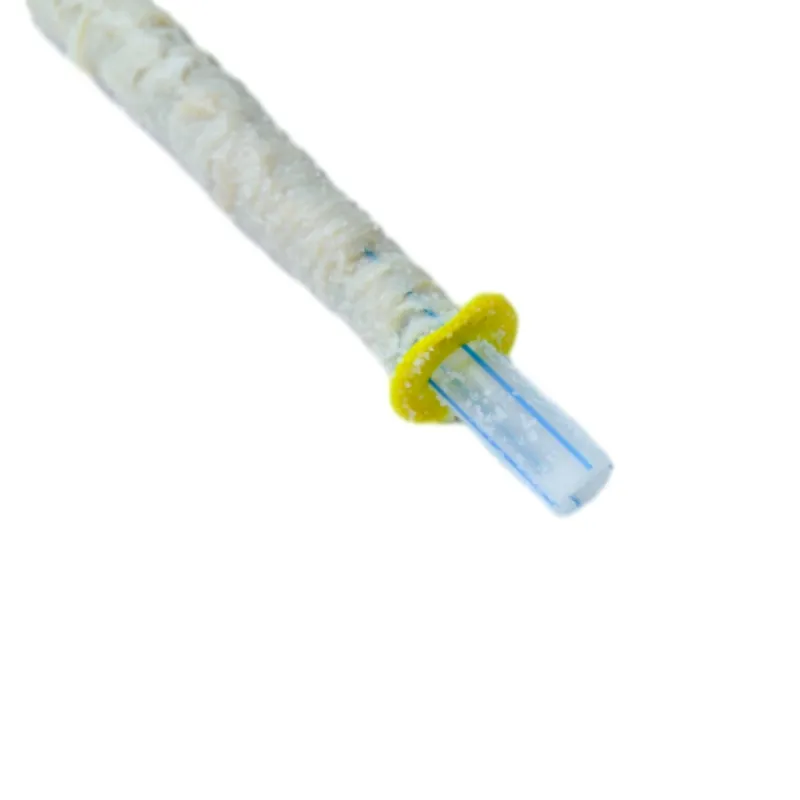
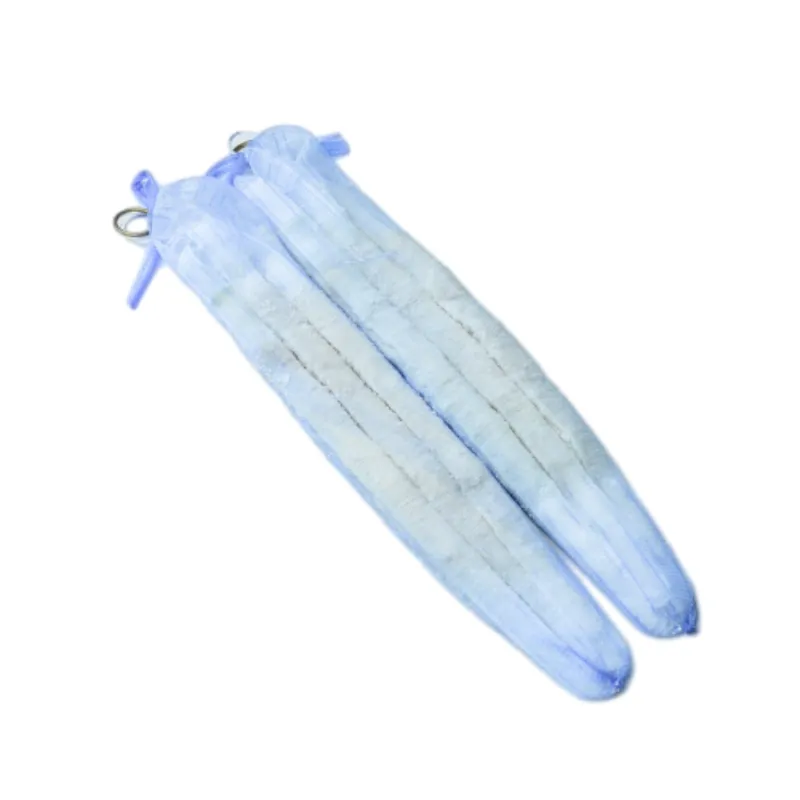
Casings are measured and tied into standard lengths (Hanks, typically 100 yards or 91.44 meters), then packaged into nets, pails, or vacuum-sealed bags with additional brine. Continuous quality control checks are performed at each stage, adhering to ISO 9001 and HACCP principles, to ensure microbial safety, structural integrity, and consistency of the natural hog casings for sale.
Technical Specifications and Parameters
Selecting the appropriate natural hog casings requires a detailed understanding of their technical specifications. These parameters directly influence product consistency, processing efficiency, and the final sensory attributes of the sausage.
Product Specification Table: Salted Hog Casings
| Parameter | Typical Range/Value | Significance |
|---|---|---|
| Caliber (Diameter) | 28mm - 40mm (e.g., 28/32, 32/35, 35/38, 38/40) | Determines sausage thickness and stuffing capacity. Critical for product uniformity. |
| Length per Hank | 100 Yards (91.44 meters) | Standard unit for commercial trade. Influences production batch sizes. |
| Tier (Quality Grade) | A, B, C (based on strength, uniformity, hole count) | Indicates overall quality. A-grade for premium products, minimal defects. |
| Salt Concentration | Typically 20% NaCl solution or dry salt | Preservative agent, crucial for shelf life and microbial stability. |
| Wall Thickness | Natural variation, but generally robust due to submucosa layer | Contributes to the characteristic "snap" and prevents breakage during stuffing/cooking. |
| Storage Conditions | 0°C to 10°C in sealed container111s, away from direct sunlight | Ensures optimal shelf life (12-24 months) and prevents spoilage. |
| Material Composition | Primarily collagen from the submucosa layer of hog intestine | Provides natural elasticity, permeability, and edibility. |
Application Scenarios and Technical Advantages
The versatility and unique properties of pork casing for sausage make them indispensable across various sausage types and manufacturing processes. Their natural attributes provide distinct advantages over artificial alternatives.
Typical Applications:
- Fresh Sausages: Ideal for products like Bratwurst, Italian Sausage, and Breakfast Sausage, where moisture retention and a tender bite are crucial. The casing protects the meat while cooking and adds to the juicy texture.
- Smoked Sausages: Perfect for Frankfurters, Kielbasa, and other smoked varieties. The natural permeability of natural hog casings allows smoke flavors to penetrate deeply and evenly, contributing to a rich, authentic taste and appealing color.
- Dry-Cured Sausages: Essential for products like Salami, Chorizo, and Pepperoni. The casing facilitates the slow, controlled drying and fermentation processes, allowing for proper moisture loss and flavor development while maintaining structural integrity.
- Specialty Sausages: Used in gourmet and artisanal sausages where a traditional appearance and superior mouthfeel are paramount.
Technical Advantages:
- Superior "Snap" and Bite: The inherent collagen structure of natural casings provides a highly desirable texture and a satisfying "snap" when bitten, a key characteristic prized by consumers.
- Excellent Smoke Permeability: Unlike many artificial casings, natural casings allow smoke to penetrate uniformly, resulting in deeper flavor infusion and a more authentic smoked appearance. This is a significant advantage for products requiring smoking or curing.
- Moisture Retention & Breathability: Natural casings effectively retain moisture during cooking, preventing dry, crumbly sausages, while also allowing for controlled moisture loss during drying processes, essential for fermented products.
- Natural Appearance: They offer an authentic, traditional look that resonates with consumers seeking high-quality, artisanal products.
- High Elasticity and Strength: The robust submucosa layer provides excellent elasticity, allowing for efficient stuffing on high-speed lines without excessive breakage, while also withstanding cooking and smoking processes.
- Edibility & Biodegradability: Natural casings are fully edible and biodegradable, contributing to a sustainable and consumer-friendly product.
Vendor Comparison and Selection Criteria
Choosing the right supplier for natural hog casings for sale is a critical decision that impacts product quality, operational efficiency, and cost. A thorough vendor comparison based on established criteria is essential for B2B procurement.
Key Vendor Selection Criteria:
| Criterion | Description & Importance |
|---|---|
| Quality Consistency | Uniformity in caliber, strength, and overall quality across batches is paramount. Inconsistent casings lead to production inefficiencies and product defects. |
| Certifications & Compliance | Suppliers should hold relevant certifications such as HACCP, ISO 22000, and comply with FDA/USDA regulations, demonstrating commitment to food safety and quality management. |
| Supply Chain Reliability | Ability to consistently meet order volumes and delivery schedules, especially for large-scale operations. A robust supply chain minimizes costly disruptions. |
| Customization Options | Availability of specific caliber ranges, pre-flushed or pre-tubed options, and varied packaging formats to suit specific production lines. |
| Technical Support & Expertise | Access to technical advice on casing preparation, stuffing techniques, and troubleshooting to optimize usage and minimize waste. |
| Pricing & Value Proposition | Competitive pricing combined with high quality and reliable service. The lowest price isn't always the best value if it compromises quality or supply. |
| Ethical Sourcing | Commitment to ethical and sustainable sourcing practices, including animal welfare standards, which can be increasingly important for consumer perception. |
Customized Solutions and Application Case Studies
Leading suppliers of pork casing understand that every sausage manufacturer has unique requirements. Offering customized solutions is crucial for optimizing production and achieving specific product characteristics.
Customization Options:
- Specific Caliber Ranges: Tailored sorting to provide tight caliber ranges (e.g., exclusively 32/34mm) for high-precision product lines.
- Packaging Formats: Options for bulk packaging in pails, vacuum-sealed bags, or pre-tubed configurations to streamline stuffing operations and reduce labor.
- Pre-flushed Casings: Casings that are ready for immediate use, reducing preparation time and water consumption at the client's facility.
- Length Customization: While Hanks are standard, specific requests for shorter or longer bundled lengths can be accommodated for certain production setups.
Application Case Study: Enhancing Premium Bratwurst Production
A major European specialty sausage producer faced challenges with inconsistent caliber and frequent breakage when sourcing hog casing for sale from multiple vendors. This led to increased waste and production downtime.
Solution: Partnering with a specialized supplier of natural hog casings for sale, the producer implemented a customized solution. The supplier provided:
- Consistently graded 32/35mm hog casings, ensuring uniform product diameter.
- Pre-tubed casings, significantly reducing preparation time on the stuffing line.
- Dedicated technical support for optimal rehydration and stuffing parameters.
Results: Over a six-month period, the producer reported a 15% reduction in casing breakage, a 10% increase in stuffing line efficiency, and a noticeable improvement in the consistency and consumer appeal of their premium bratwurst line. This strategic shift underscored the value of a reliable and quality-focused pork casing supplier.
Frequently Asked Questions (FAQ)
Q: What is the optimal storage temperature for salted natural hog casings?
A: Salted hog casings should be stored in a cool, dark place, ideally between 0°C and 10°C (32°F - 50°F). They must remain in their original sealed packaging or a tightly sealed container111 to prevent drying out and maintain quality. Freezing is not recommended as it can compromise their structural integrity.
Q: How should pork casing be prepared before stuffing?
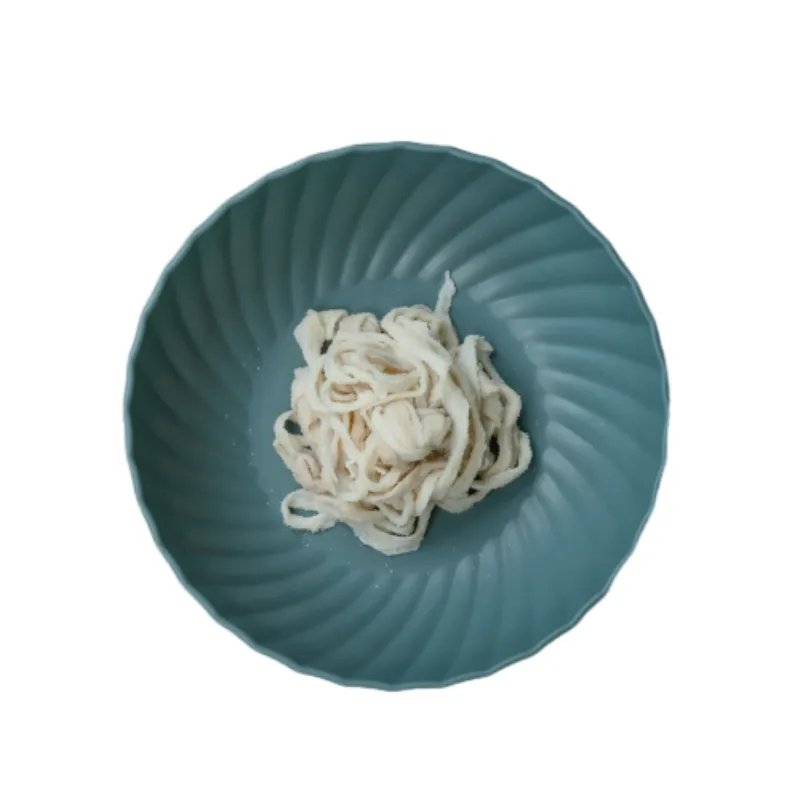
A: Before use, natural hog casings must be thoroughly rinsed to remove excess salt. They should then be soaked in lukewarm water (around 30-35°C or 86-95°F) for at least 30 minutes to 2 hours to rehydrate and regain elasticity. Multiple rinses and changes of water may be necessary depending on the salt content and desired pliability.
Q: What is the typical shelf life of salted hog casing for sale?
A: When stored correctly in their salted form, natural hog casings have a shelf life of 12 to 24 months from the production date. Proper storage conditions are vital to ensure their longevity and performance.
Q: Can these casings be used for all types of sausages?
A: Yes, natural hog casings are extremely versatile and are widely used for a vast range of sausages, including fresh, smoked, and dry-cured varieties. Their various calibers make them suitable for everything from slender breakfast links to robust bratwurst and salami.
Lead Time, Warranty, and After-Sales Support
Reliable logistics and comprehensive support are paramount for B2B partners sourcing natural hog casings for sale. We prioritize transparent processes and dedicated customer service to ensure seamless operations for our clients.
Lead Time & Fulfillment:
- Standard Orders: Typically 7-14 business days, depending on order volume, customization requirements, and destination.
- Expedited Shipping: Available upon request for urgent requirements, subject to additional charges.
- Global Logistics: We leverage established international shipping networks to ensure timely and secure delivery worldwide, adhering to all customs and import regulations for food-grade products.
Warranty Commitment:
Our natural hog casings are supplied with a comprehensive quality warranty, guaranteeing adherence to specified caliber ranges, strength parameters, and microbial safety standards (e.g., HACCP, ISO 22000). We warrant that our products are free from manufacturing defects and will perform as expected when stored and prepared according to our guidelines for their stated shelf life.
In the rare event of a quality concern, clients are encouraged to contact our support team within a specified period (e.g., 30 days of receipt) with relevant batch information and evidence. We are committed to a prompt investigation and resolution, which may include product replacement or credit, in accordance with our terms and conditions.
After-Sales Support:
Our commitment extends beyond delivery. We provide dedicated after-sales support to assist clients with any technical queries or operational challenges related to our pork casing for sausage.
- Technical Consultation: Our team of experts is available to provide guidance on optimal casing preparation, stuffing techniques, and problem-solving to maximize yield and product quality.
- Responsive Communication: We maintain multiple channels for communication, ensuring quick responses to inquiries via email, phone, or dedicated client portals.
- Documentation & Resources: Access to detailed product data sheets, handling instructions, and best practice guides to support your operations.
References
- USDA Food Safety and Inspection Service. (n.d.). FSIS Compliance Guidelines for Establishments That Produce Pork Sausages. Retrieved from USDA website.
- International Organization for Standardization. (2018). ISO 22000:2018 Food safety management systems – Requirements for any organization in the food chain. ISO.
- European Food Safety Authority (EFSA). (2014). Scientific Opinion on the safety of natural casings derived from the gastrointestinal tract of animals. EFSA Journal, 12(11), 3902.
- The National Academies of Sciences, Engineering, and Medicine. (2005). Dietary Reference Intakes for Water, Potassium, Sodium, Chloride, and Sulfate. The National Academies Press.
- Meat & Livestock Australia. (n.d.). Guide to Sausage Making. Retrieved from MLA website.