Nov . 18, 2025 16:00
Understanding Hog Casing for Sale: What’s the Real Deal?
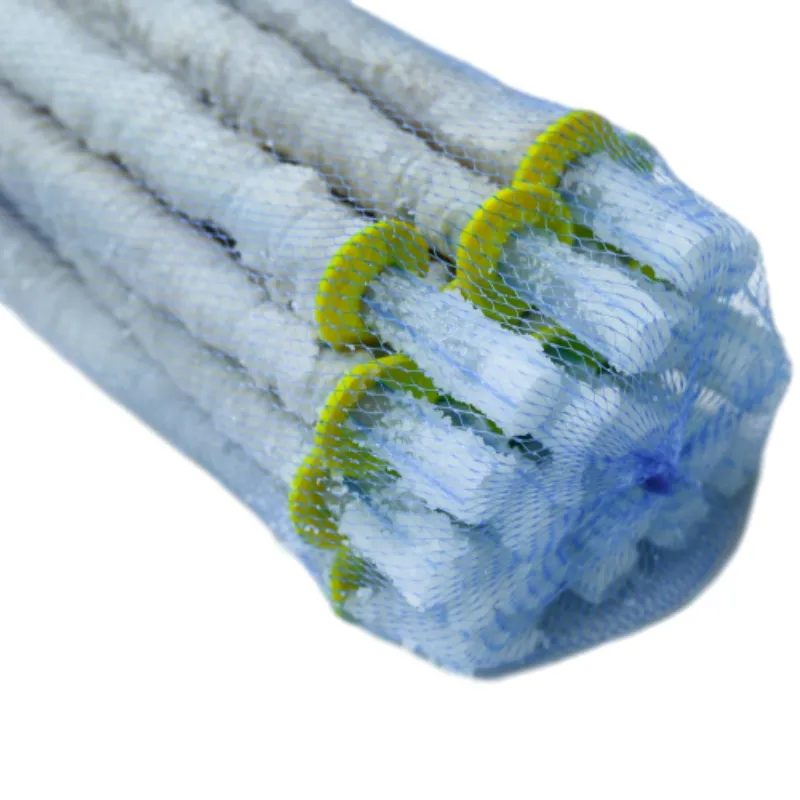
First things first — what exactly is hog casing for sale, and why should anyone outside of meat processing circles care? In short, hog casings are natural casings made from the intestines of pigs. They’re essential for making sausages and a range of other meat products. Now, you might wonder: why does this matter globally? Well, with the worldwide sausage market surpassing billions annually, the demand for reliable, consistent hog casings is high. And this isn’t just about food; it’s about tradition, economy, and sustainability folded together.
Thinking about it, whether you’re a small artisan butcher or a large food manufacturer, sourcing quality hog casing can make or break the final product’s texture and taste. Plus, knowing what’s behind the scenes helps consumers appreciate the craft—and yes, the biology—behind their favorite sausages.
Global Context: Why Hog Casings Still Matter in 2024
It might surprise some to realize that over 90% of natural sausage casings globally come from animals raised for food — pigs contributing a significant share. According to the Food and Agriculture Organization (FAO), global pork production reached nearly 120 million tonnes in recent years, which indirectly supports the hog casing supply chain. Countries like China, the USA, and several European nations dominate this space.
However, the market doesn’t come without challenges. For instance, variability in gut size, the need for hygiene in processing, and competition from synthetic casings can complicate supply chains. That’s why understanding the hog casing for sale market, pricing trends, and quality attributes is crucial — whether you’re managing an industrial scale operation or just looking for dependable suppliers.
Mini takeaway:
- Hog casings come from pig intestines and are vital for sausage making.
- The global pork industry supports a highly specialized casing market.
- Demand and supply are influenced by tradition, production scale, and alternatives.
Defining Hog Casing for Sale: More Than Just a Meat Wrapper
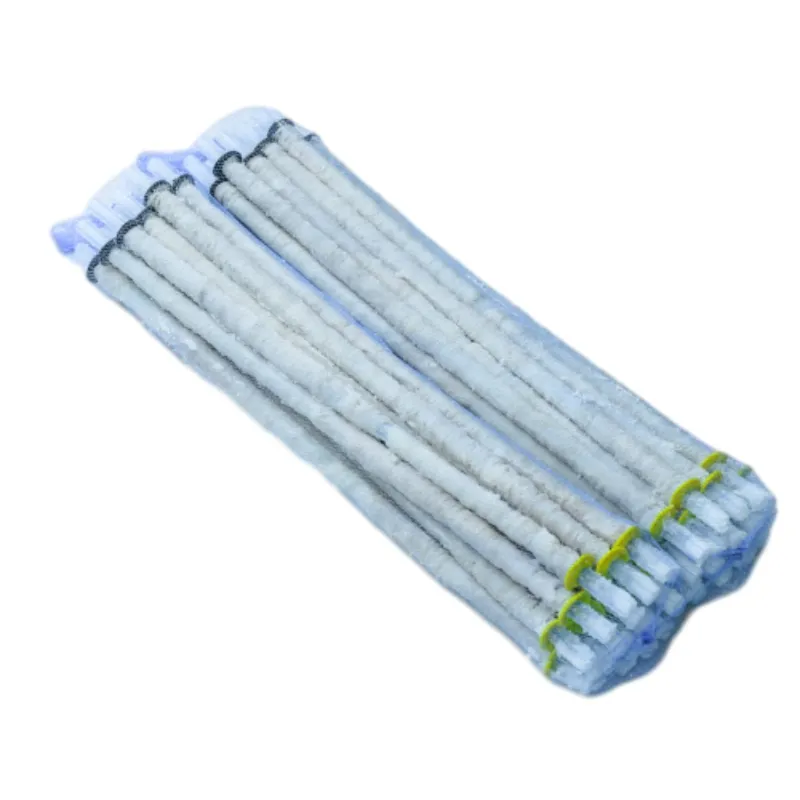
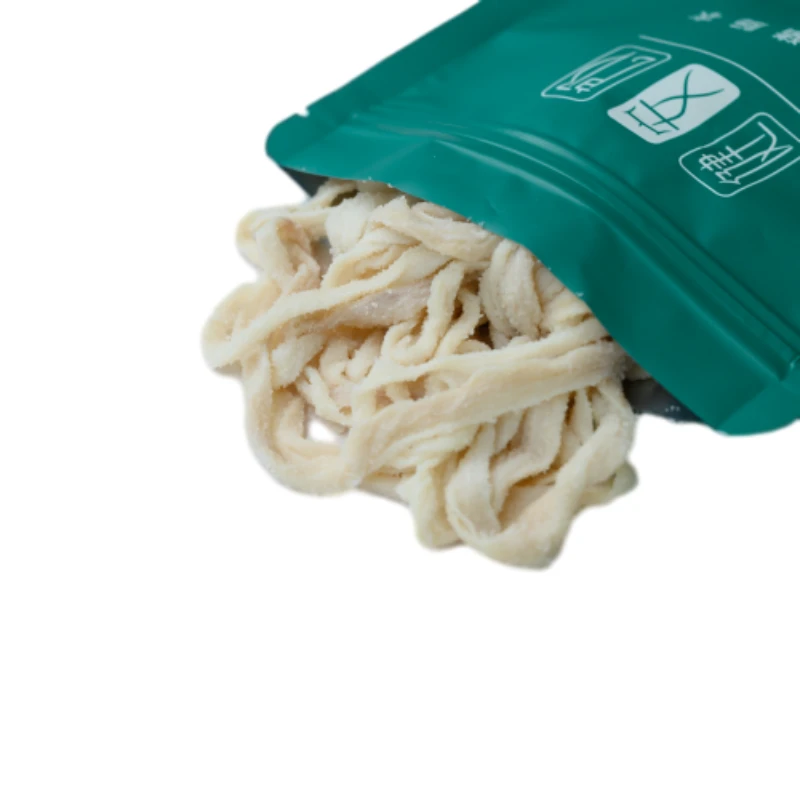
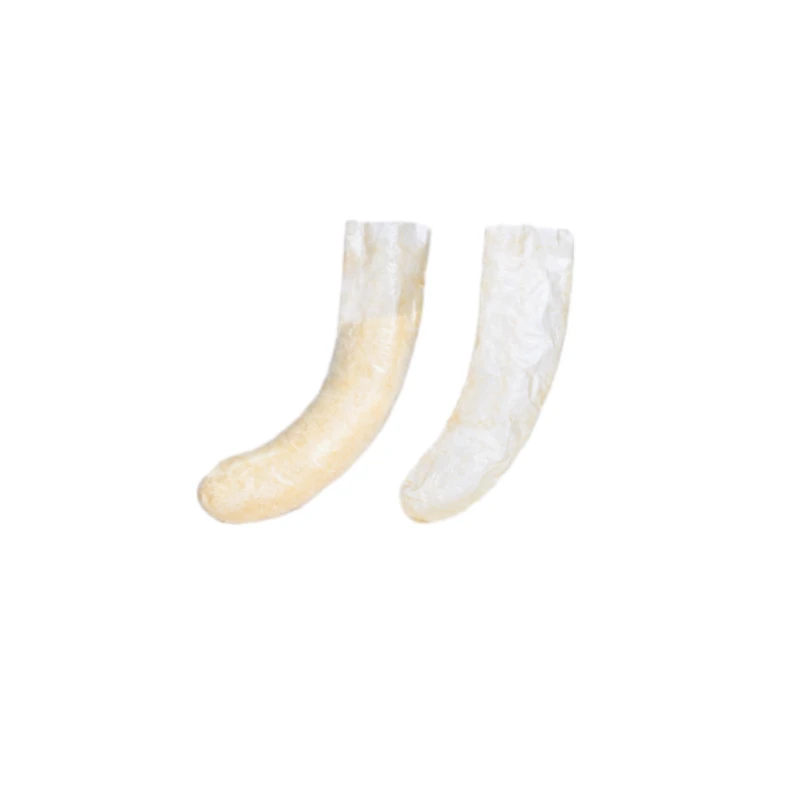
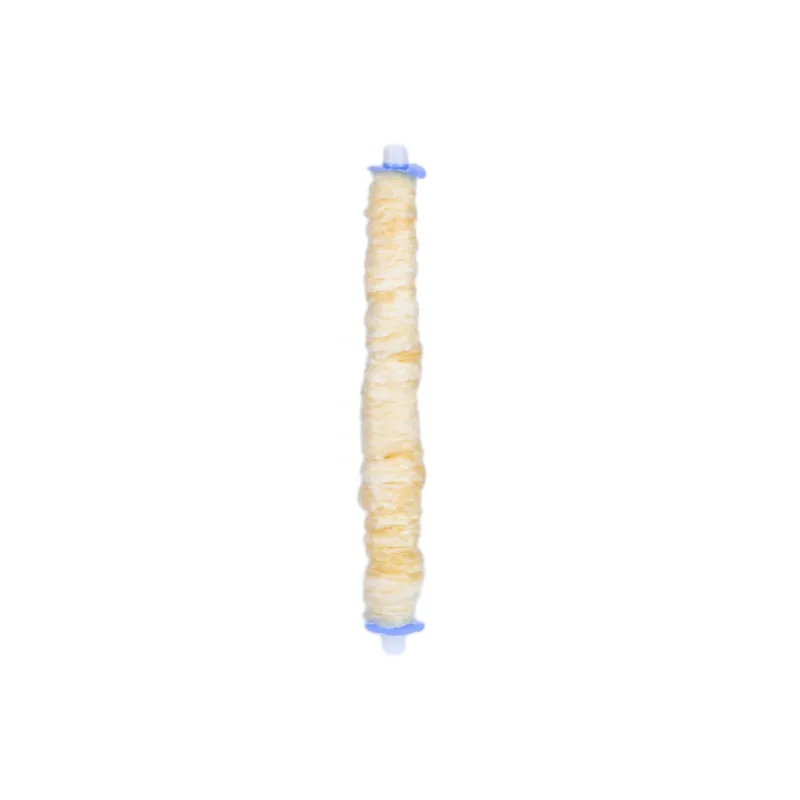
At its core, hog casing for sale simply means the commercial availability of cleaned, processed, and prepared pig intestines that manufacturers or artisans can purchase and use to encase meat. These casings are prized for their elasticity, bite, and ability to hold juices true to traditional sausage making.
Interestingly, hog casings are more than just culinary tools. Their natural origin and biodegradability make them a focus in sustainable meat production discussions — especially when synthetic alternatives fail to meet taste or environmental benchmarks. So, they’re straddling worlds: ancient craft and modern industry.
Key Aspects of Hog Casings: What Should You Look For?
1. Durability & Elasticity
Natural hog casings are famous for their strength and stretch. This matters because sausage recipes vary widely in fat and spice content. A casing that tears easily will ruin the batch. Many processors test hog casings extensively to ensure the right tensile strength.
2. Cleanliness & Preparation
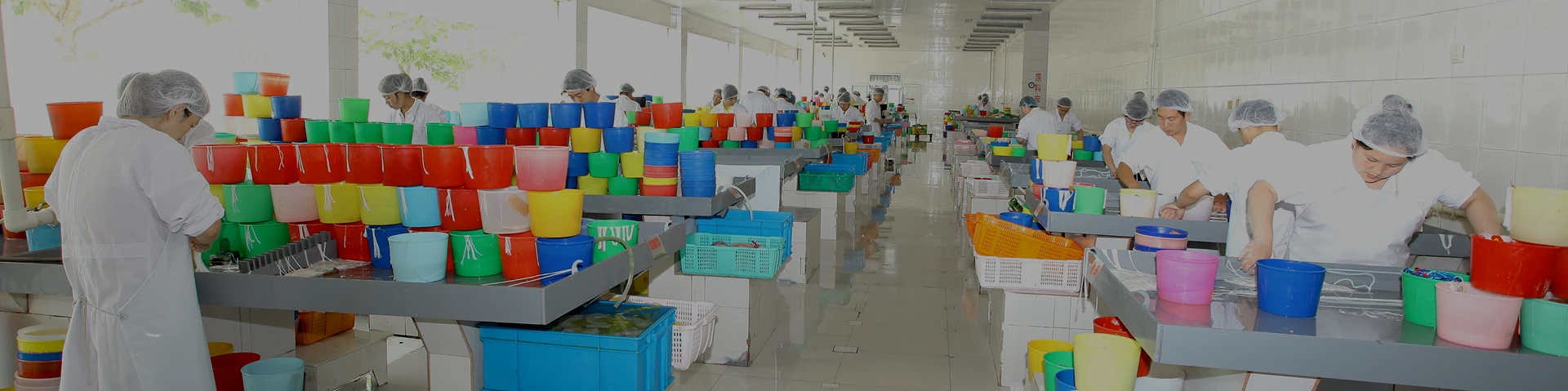
When you buy hog casing, cleanliness is non-negotiable. Properly cleaned and treated intestines ensure food safety and keep unpleasant odors away. Packaged casings are usually salted or refrigerated to maintain freshness.
3. Size & Consistency
Size ranges typically from 26mm to 38mm diameter for hog casings, suiting different sausage types — from frankfurters to artisanal links. Uniform diameter is important for consistency in production lines.
4. Cost Efficiency
While natural casings can be pricier than synthetics, their premium quality often justifies the cost for producers focusing on authentic flavor and texture. Bulk purchasing options and supplier relationships heavily influence prices.
5. Packaging & Shelf Life
Packaging methods vary, but salted hog casings stored cool can last months without losing quality. Innovations in vacuum packing are also becoming more common, extending shelf life further.
Mini takeaway:
- Choose durable, well-cleaned hog casings for best results.
- Size uniformity helps in efficient production.
- Consider packaging and shelf life, especially for bulk buying.
Product Specification Table: Typical Hog Casing Features
| Specification | Typical Range | Remarks |
|---|---|---|
| Diameter | 26 - 38 mm | Fits most sausage types |
| Material | Natural pig intestine | 100% biodegradable |
| Shelf Life | 6 - 12 months (salted) | Requires cool, dry storage |
| Strength | 15 - 35N tensile strength | Depends on dress quality |
| Cost | $2.5 - $4 per lb | Varies by quality and supplier |
Vendor Comparison for Hog Casing Suppliers
| Supplier | Price (per lb) | Quality Rating | Lead Time | Key Markets |
|---|---|---|---|---|
| RT Casing | $3.20 | 9/10 | 1-2 weeks | Asia, Europe, N. America |
| Global Casings Ltd. | $2.90 | 8/10 | 2-3 weeks | Europe, Africa |
| Natural Intestines Co. | $4.10 | 10/10 | 1 week | N. America, Asia |
Global Applications and Real-World Use Cases
So, where do hog casings come into play beyond the obvious? The sausage industry, unquestionably. Traditional European countries like Germany, Italy, and Spain rely heavily on hog casings to maintain authentic textures in products like bratwurst and chorizo. Meanwhile, in North America, demand has a quirky seasonal spike around holidays and barbecues.
Oddly enough, natural hog casings also find a place in niche biomedical uses — occasionally employed as surgical sutures due to their natural collagen content. And in developing regions, affordable, natural casings mean local producers can elevate their food products for better market positioning.
From a humanitarian perspective, companies supplying large batches of natural casings help sustain small-scale food businesses in rural areas, supporting livelihood and local economies. That’s not a side benefit, it’s part of the ecosystem.
Mini takeaway:
- Hog casings are key to authentic sausage production worldwide.
- Also used in unexpected biomedical and local economic applications.
- Supporting artisanal producers uplifts entire communities.
Advantages and Long-Term Value of Choosing Natural Hog Casings
Let's be frank: many manufacturers debate natural versus synthetic casings. But hog casings offer unmatched bite, taste profile, and biodegradability. Consumers tend to trust sausages with natural casings for their traditional appeal. Plus, the sustainability factor can’t be ignored in an increasingly eco-conscious market.
Financially, yes, hog casings require careful handling and procurement, but they reduce waste and add premium value, often translating into better margins. There's also a relational aspect — suppliers who specialize in natural casings often build long-term partnerships, ensuring consistency and trust that’s hard to replicate.
What’s Next? Future Trends and Innovations in Hog Casings
While hog casings themselves come from an ancient practice, the ways they’re processed and supplied are modernizing. Emerging low-water treatment methods reduce environmental impact during casing preparation. Some companies explore automated grading and cleaning lines using AI vision systems — yes, robots picking the “best” casings!
Another exciting frontier is hybrid casings: combining natural material integrity with coatings that improve shelf life or introduce flavor notes. Sustainability remains an industry buzzword driving all these innovations. Naturally sourced, traceable, and clean-label casings fit perfectly in that trend.
Challenges and How the Industry Tackles Them
Handling natural hog casings isn’t without headaches. Variability from animal to animal means inconsistent diameters or occasional weak spots. Logistics — especially refrigeration during long shipping — can be tricky. Plus, market fluctuations in pork production sometimes cause casing shortages.
Experts suggest building diversified supplier networks and investing in modern processing tech as solutions. Also, improved storage solutions like vacuum-packing advance preservation. Some even recommend hybrid or synthetic backups in the mix to keep production lines humming.
FAQs About Hog Casing for Sale
- Q: What makes natural hog casings better than synthetic ones?
- A: Natural hog casings offer superior texture, elasticity, and authentic flavor that synthetic casings often can’t replicate. They’re also biodegradable and favored by consumers valuing tradition and natural ingredients.
- Q: How do I store hog casings after purchase?
- A: Typically, salted hog casings are kept refrigerated at around 2–5°C and can last 6–12 months. Vacuum-packed casings may last longer but should remain cool and dry to prevent spoilage.
- Q: Can small producers buy hog casings in bulk?
- A: Absolutely. Many suppliers cater to a range of customers, offering bulk discounts and flexible order sizes. It’s worth contacting vendors directly to discuss minimum order quantities and shipping options.
- Q: Are hog casings safe and hygienic?
- A: Yes, provided they are cleaned and processed according to food safety standards. Reputable suppliers follow strict guidelines, and end-users should always rinse and soak casings properly before use.
Conclusion: Why Hog Casing for Sale Is a Worthy Investment
In the end, hog casings remain a cornerstone of sausage making, combining time-tested tradition with ongoing innovation. Whether you’re a seasoned butcher or a small-scale producer, choosing quality hog casing for sale ensures your products deliver that authentic bite and flavor consumers crave.
Interested in exploring options? Visit our website for a trusted range of hog casing supplies, competitive pricing, and expert advice: hog casing for sale.
References: