Dec . 02, 2025 18:32
Understanding Custom Pork Casing: Why It Matters Globally
We rarely stop to think about the humble sausage casing — yet in the global food industry, these thin, flexible tubes play a critical role. “Custom pork casing” might sound niche, but it intersects with global food standards, sustainability challenges, and evolving consumer tastes worldwide. Why? Because casings affect everything from product quality and shelf life to cultural preferences and safety regulations.
Far beyond just enclosing sausage meat, custom pork casing is a highly specialized product manufactured and tailored to meet exacting demands across continents. As supply chains globalize and markets diversify, understanding this often-overlooked component can save costs, reduce waste, and elevate product appeal.
Introduction: The Global Context of Custom Pork Casing
Worldwide sausage consumption is immense – for instance, the FAO estimates millions of tons produced annually. Within this, custom pork casings are prized for their natural texture, elasticity, and flavor contribution compared to synthetic or collagen alternatives.
However, global pork trade faces challenges — disease outbreaks, regulatory shifts, and demand fluctuations. According to recent data from the International Organization for Standardization (ISO), stricter hygiene and traceability rules are raising the bar for pork casing providers.
At the same time, consumers increasingly seek authentic, “clean-label” foods, pushing producers to source casings that are natural, customizable, and sustainably processed. This is where “custom” pork casing steps in: tailored size, thickness, and finish made to fit precise production lines and product types.
What Exactly is Custom Pork Casing?
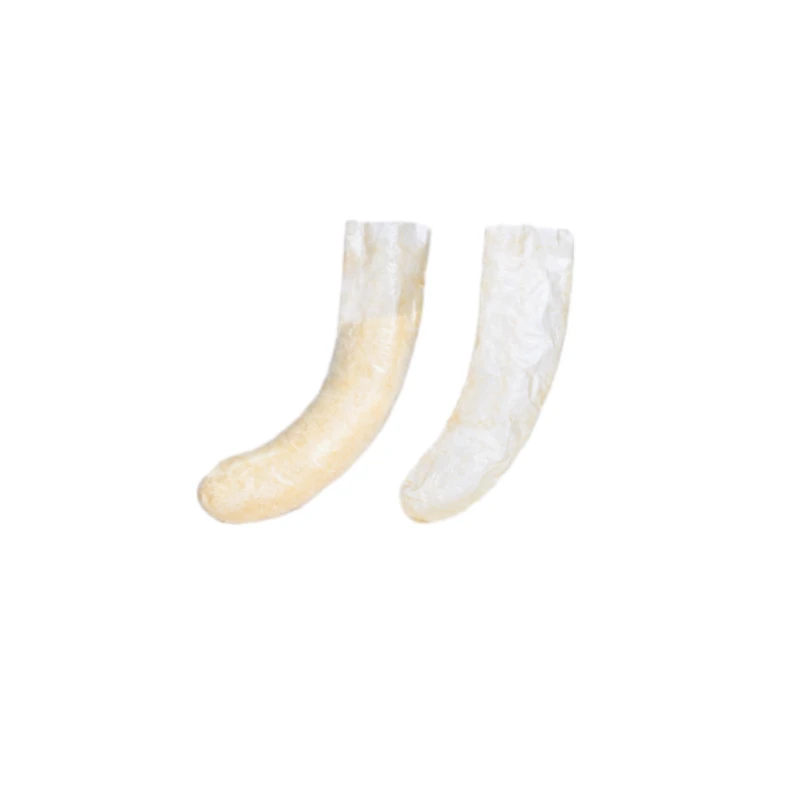
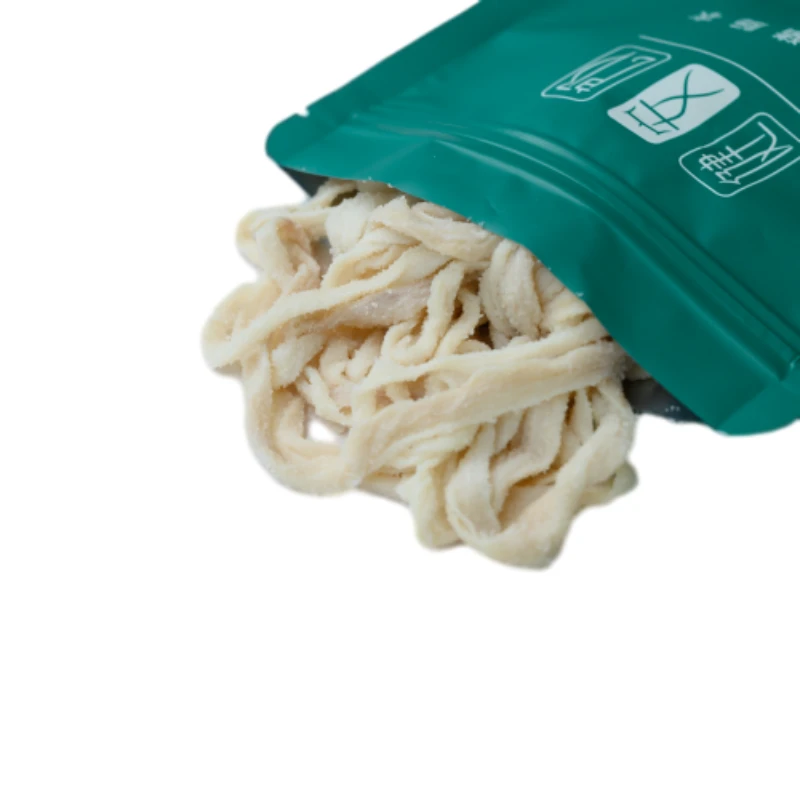
Simply put, custom pork casing consists of cleaned pig intestines prepared specifically as a natural container for sausage meat. Unlike generic off-the-shelf options, these casings can be adjusted — length, diameter, permeability — based on a manufacturer’s unique needs.
From a modern industry viewpoint, these are not “just” hog gut tubes; they're precision-engineered food packaging components that influence texture and bite and harmonize with automated stuffing machines. They're also crucial for humanitarian food programs where shelf stability and authenticity are vital.
Core Components and Key Factors in Custom Pork Casing
1. Durability and Strength
A good casing must hold its shape and withstand stuffing pressures without tearing. Custom pork casings offer just that, balancing thinness with tensile strength, which varies according to intended sausage types.
2. Permeability and Breathability
This affects drying and smoking processes critically. Some recipes require specific moisture exchange rates, and custom porcine casings can be treated to achieve this.
3. Size and Consistency
One size does NOT fit all. Producers want uniform diameters and wall thicknesses so their machinery runs smoothly and finished sausages look professional. If you’ve seen inconsistent “chunky bits” in sausages, that’s often casing variability.
4. Cost Efficiency
While natural casings are more expensive than synthetic options upfront, their impact on product quality, waste reduction, and consumer satisfaction often yields better value long-term.
5. Food Safety and Compliance
Given their organic origin, pork casings must meet rigorous hygiene standards—custom providers often test for pathogens and residues per ISO and USDA guidelines.
6. Customization Options
Some clients require salted, smoked, or dyed casings, or even special cuts for convenience in stuffing or portioning. A true “custom” supplier listens and adapts.
Mini takeaway: These key attributes make custom pork casing not just a wrapper but a vital contributor to product success and safety.
Global Applications and Use Cases of Custom Pork Casing
Custom pork casings shine in many settings, including:
- European charcuterie: Countries like Germany, Italy, and France prefer traditional natural casings for artisanal sausages.
- North American food producers: Mass-market sausages rely on standardized casings for speedy production.
- Asia-Pacific markets: Regional delicacies demand unique casing sizes and textures.
- Humanitarian food programs: Durable, natural casings give shelf stability with authentic taste in emergency relief packages.
- Small-scale artisan butchers: Custom casings enable differentiation and premium product lines.
For example, in post-disaster relief operations, access to high-quality, reliable casing supports nutritious and culturally sensitive food delivery – an aspect often overlooked but vital to maintaining dignity under duress.
Advantages and Long-Term Value of Choosing Custom Pork Casing
There’s a reason many gourmet producers swear by natural casings: the bite, the smoke absorption, the downright authentic look and feel don’t come from plastic tubes. Here are some advantages:
- Cost savings through waste reduction: Better uniformity and durability reduce breakage during production.
- Sustainability: Using a natural product that biodegrades contrasts sharply with synthetic casings.
- Consumer trust: Many niche markets value transparency — “natural” means real, unprocessed.
- Performance: Texture and flavor benefits often translate into premium pricing.
- Safety: Reliable sourcing and testing standards ensure fewer recalls or health hazards.
Equally important, the emotional side of producing “authentic food” fosters pride and brand loyalty — crucial in a competitive global market.
Future Trends and Innovations in Custom Pork Casing
The future isn’t just about tradition. New technologies are influencing casing production:
- Digital traceability: Blockchain and QR codes for tracking origin and processing steps.
- Eco-friendly treatments: Reducing salt content or using natural preservatives.
- Automation synergy: Casings engineered specifically for robotic stuffing lines.
- Hybrid materials: Combining natural casings with thin collagen or alginate coatings to enhance shelf life.
Interestingly, there’s also growing research into plant-based casing alternatives, though none mimic pork casings quite yet — proof that innovation and tradition often walk hand in hand.
Challenges and Possible Solutions in Custom Pork Casing Industry
It’s not all smooth sailing. A few hurdles persist:
- Supply variability: Seasonal pig harvest fluctuations can cause shortages.
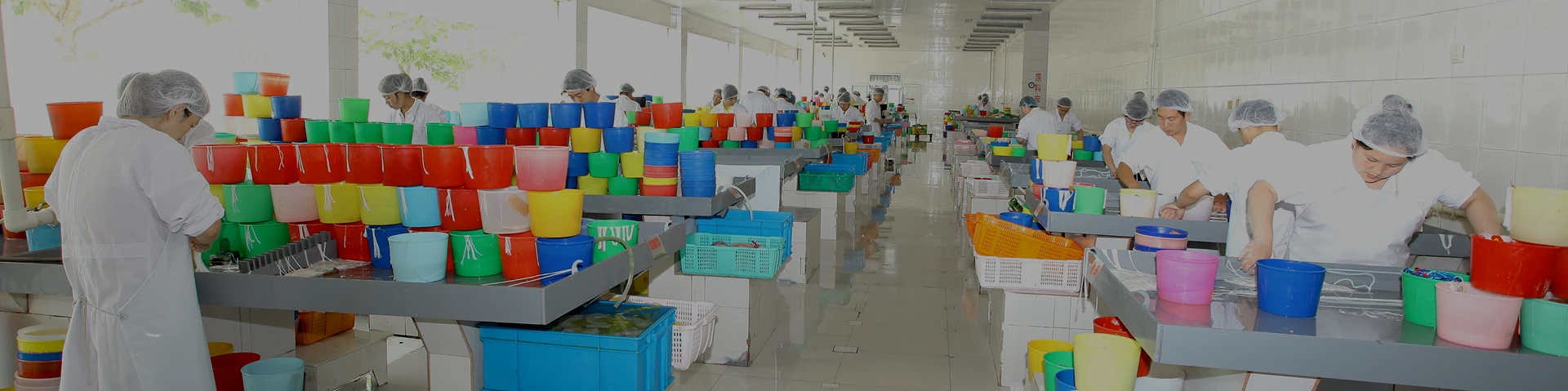
- Contamination risks: Organic materials require meticulous cleaning and testing steps.
- Cost pressure: Synthetic alternatives tempt some producers to switch.
Solutions? Many industry experts recommend comprehensive supplier partnerships centered on transparency and quality audits combined with flexible inventory strategies. New sterilization techniques also lower contamination risk without harming casing quality.
Product Specification Table: Typical Custom Pork Casing Attributes
| Specification | Detail |
|---|---|
| Material Source | Natural pig intestine (small/large) |
| Diameter Range | 14 to 32 mm (customizable) |
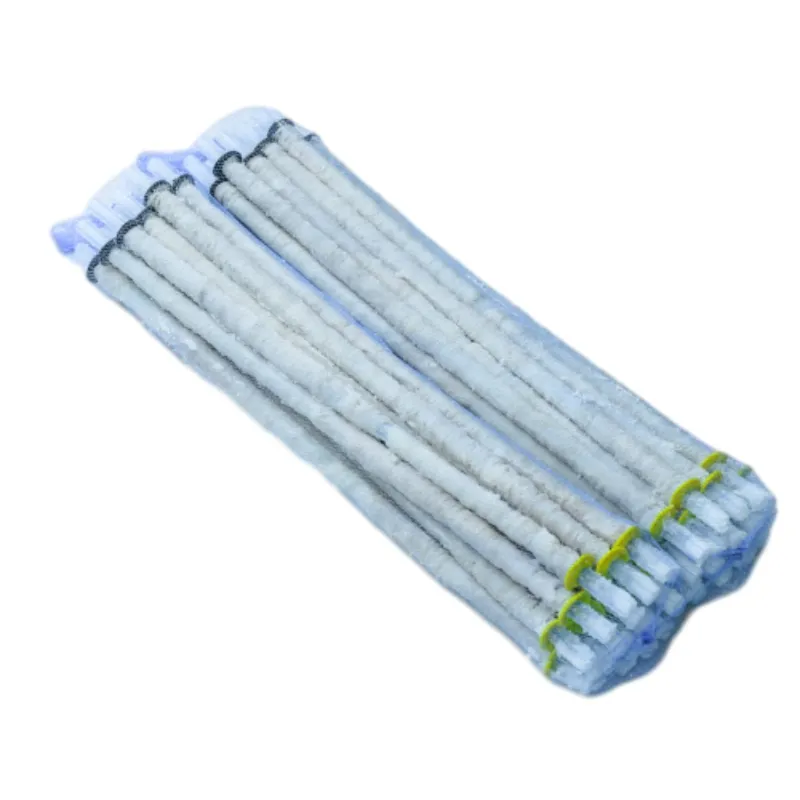
| Length per bundle | 100 to 300 meters |
| Treatment | Salted and sometimes smoked |
| Shelf Life | 6 to 12 months refrigerated |
| Compliance | ISO 22000, USDA certified |
Vendor Comparison: Leading Custom Pork Casing Suppliers
| Vendor | Customization | Quality Certifications | Typical Pricing per Bundle | Global Shipping |
|---|---|---|---|---|
| PorkCasingPro Ltd. | Full diameter & treatment options | ISO 22000, FDA | $350-$450 | Yes (priority) |
| NaturalCasings Global | Standard options only | ISO & USDA | $300-$400 | Yes (standard) |
| EuroPork Casings | Custom lengths & salt treatments | ISO 22000, FDA | $375-$460 | Limited |
Frequently Asked Questions About Custom Pork Casing
1. What makes custom pork casing better than synthetic alternatives?
Custom pork casings provide a natural, authentic sausage texture and flavor that synthetics often can't match. They also allow breathing during curing, leading to superior taste and appearance. While synthetics may be cheaper, the quality and consumer perception often justify the higher initial cost of natural casings.
2. Can I get pork casings tailored to my specific sausage line diameter?
Absolutely. That’s the whole point of “custom” casings. Manufacturers tailor diameters, lengths, and treatments to fit machine requirements and product specs, ensuring efficiency and uniform final products.
3. How long can properly stored custom pork casing last?
When refrigerated and salted as standard, pork casings can last between 6 to 12 months. Proper storage away from humidity and direct sunlight prolongs shelf life significantly.
4. Are there environmental benefits to choosing natural casings?
Yes — natural pork casings biodegrade and require less chemical processing compared to synthetic or collagen casings, reducing environmental impact overall. Plus, many suppliers are adopting sustainable farming and sourcing practices.
5. How can international buyers ensure they comply with import regulations?
It's important to work with certified suppliers who provide inspection and traceability documents compliant with USDA, ISO, or local food safety authority standards. Many vendors assist with export paperwork and certifications to ease customs clearance.
Conclusion
In real terms, custom pork casing is a deceptively simple yet crucial contributor to sausage quality and food industry success. Its tailored nature addresses both technical production needs and evolving consumer desires worldwide. From small artisan butchers to multinational food companies, investing in quality custom casings opens doors to better product consistency, sustainability, and ultimately stronger market trust.
Want to experience the difference yourself? Visit our website for premium options that meet your unique needs: custom pork casing.