Dec . 02, 2025 18:40
What Are Pork Casing Factories and Why Do They Matter Globally?
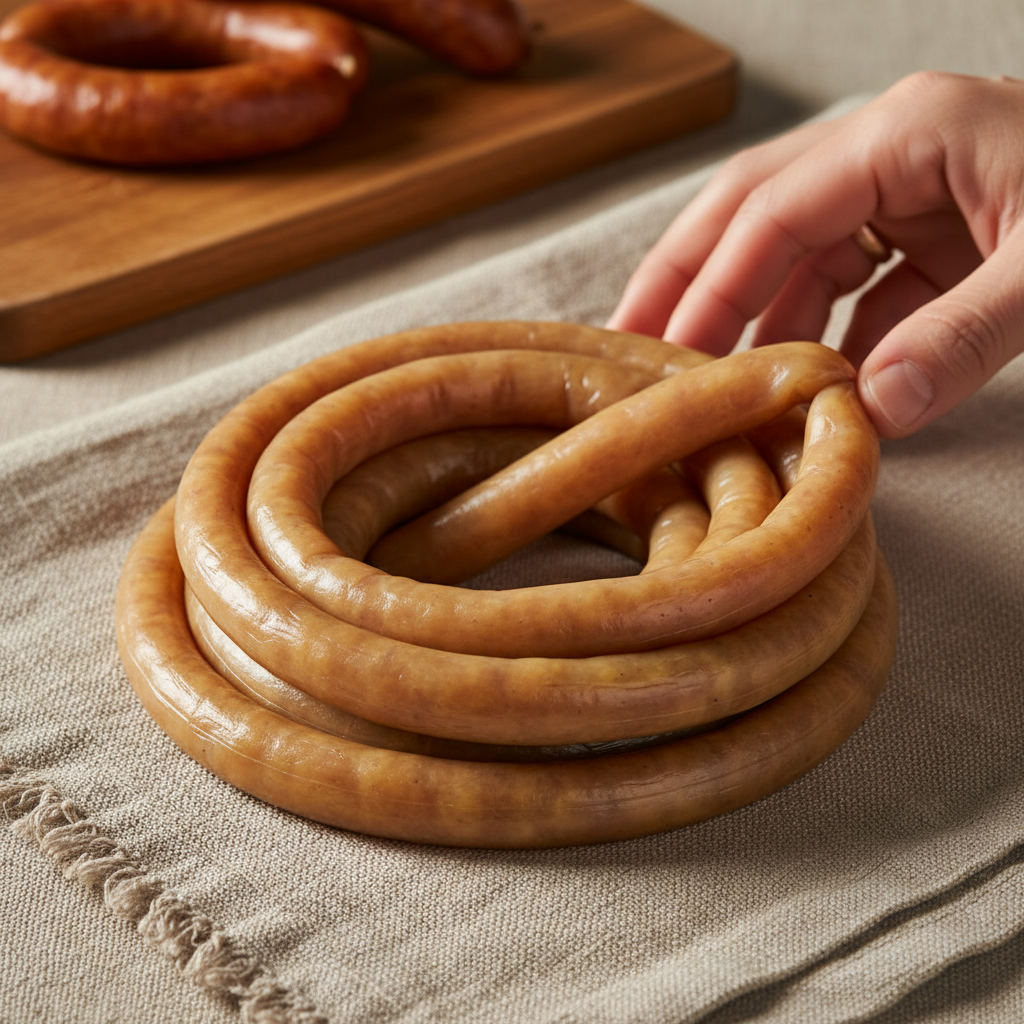
If you’ve ever savored a juicy, plump sausage, chances are pork casings played a starring role in delivering that familiar snap and flavor. Pork casing factories are the specialized facilities where the natural casings—derived mostly from pig intestines—are carefully processed, cleaned, and prepared for use in the meat industry. But beyond the culinary world, these factories contribute to a complex global supply chain, supporting food security, traditional industries, and even certain medical and technical uses.
Understanding pork casing factories isn’t just a niche interest for butchers or food manufacturers. It taps into broader discussions about sustainability, global trade, animal byproduct utilization, and food safety standards. Plus, with the ongoing demand for natural casings increasing worldwide, knowing how these factories operate can shed light on supply chain efficiencies and challenges that affect many industries.
Global Context: The Worldwide Importance of Pork Casing Production
Pork casing factories are pivotal parts of an international trade network that moves tons of natural casings globally each year. According to the Food and Agriculture Organization (FAO), around 100,000 tons of natural casings are produced globally every year, with Asia, Europe, and North America leading consumption. The demand isn’t just culinary: some countries rely on these byproducts to maintain sustainable meat production practices, reducing waste by turning what once was discarded into valuable goods.
Yet, global pork casing production faces challenges. For example, variable raw material quality, hygiene standards, and export restrictions can hamper consistent supply. Notably, pork casing factories have stepped up their game with ISO and HACCP certifications to meet stricter international food safety protocols, as spotlighted by the International Organization for Standardization (ISO).
Mini Takeaway:
Pork casing factories don’t just make sausage skins — they form a crucial nexus in global food security and sustainable meat processing, tightly linked to international trade and safety standards.
What Exactly Are Pork Casing Factories?
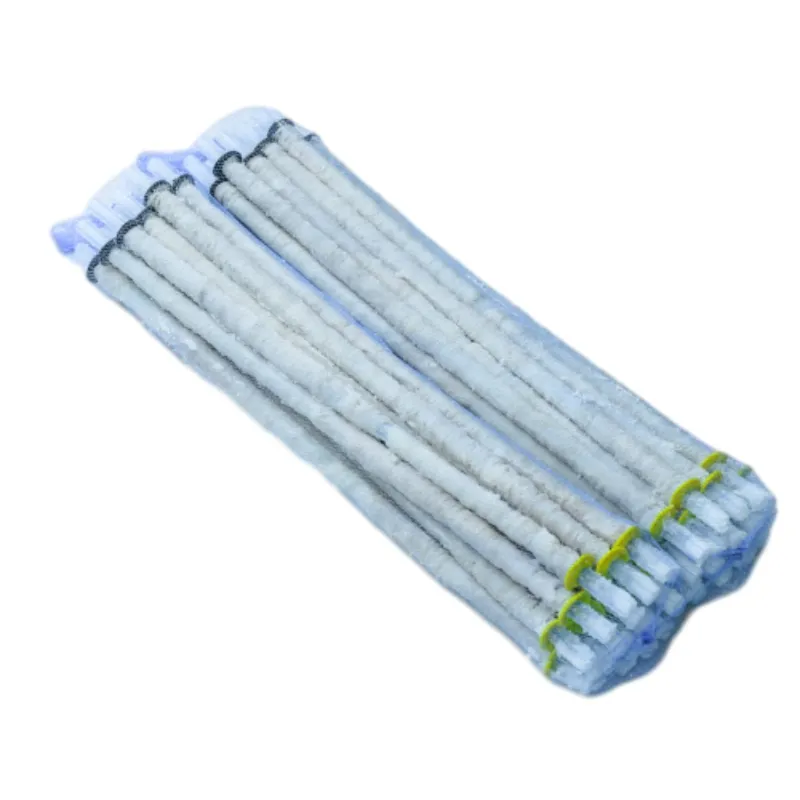
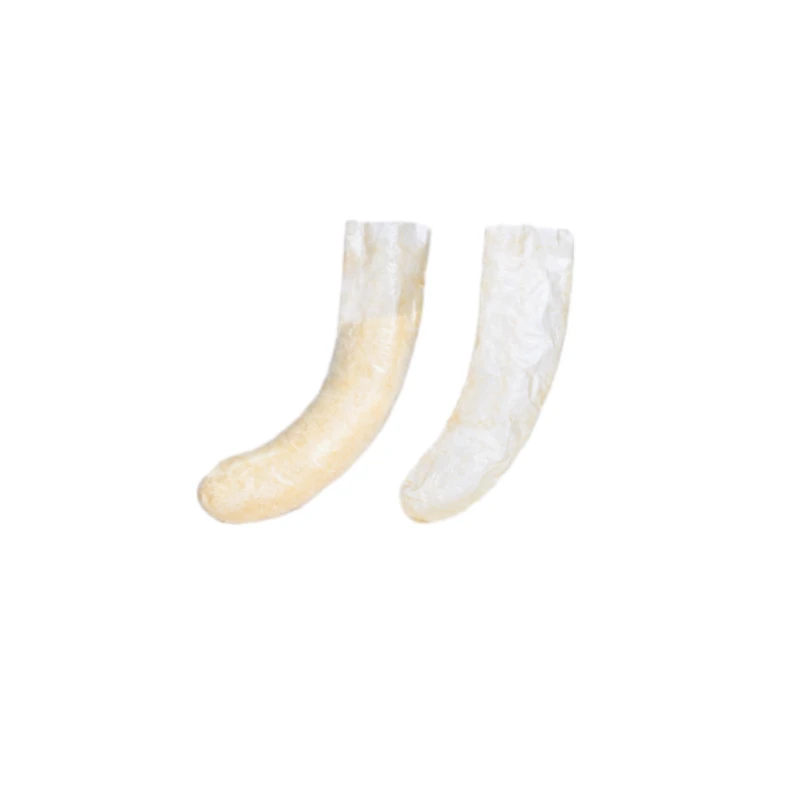
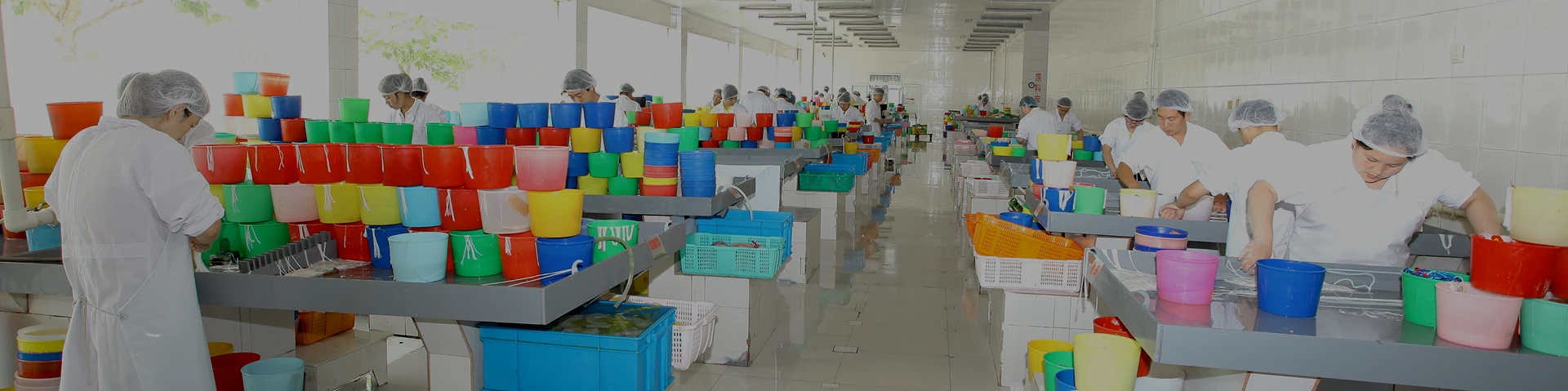
Simply put, pork casing factories process natural casings harvested from pig intestines to make them ready for use in sausage production and other food applications. The process involves thorough cleaning, salting, and grading to ensure durability, hygiene, and uniformity. Unlike synthetic casings, natural pork casings provide the unique texture and breathability prized by traditional sausage makers worldwide.
These factories are often set up close to abattoirs (slaughterhouses) due to the perishability of raw intestines. This proximity helps reduce transportation times and ensures the freshness needed for quality casing production. Modern pork casing factories also use advanced technology, such as automated scraping machines and sterilization systems, to maintain food safety and streamline production.
Beyond food, some specialized casings find niche applications in the pharmaceutical and technical sectors, where their natural properties are harnessed differently. But the vast majority of production is still destined for the food processing industry.
Mini Takeaway:
Pork casing factories turn a perishable byproduct into a high-demand natural material, marrying traditional craft with modern food safety and technology.
Core Aspects That Define Pork Casing Factories
1. Quality & Hygiene Standards
Meeting international food safety requirements is non-negotiable. Factories adhere to sanitization protocols, often aiming for ISO 22000 or HACCP certification. From initial cleaning to packaging, preventing contamination is paramount.
2. Processing Technology
Modern factories utilize machinery like automated de-fattening, brushing units, and salting drums. This tech ensures consistent sizing, texture, and preservation.
3. Raw Material Sourcing
Freshness of pig intestines is critical. Factories often collaborate with slaughterhouses using cold chain logistics to maintain quality.
4. Product Grading & Packaging
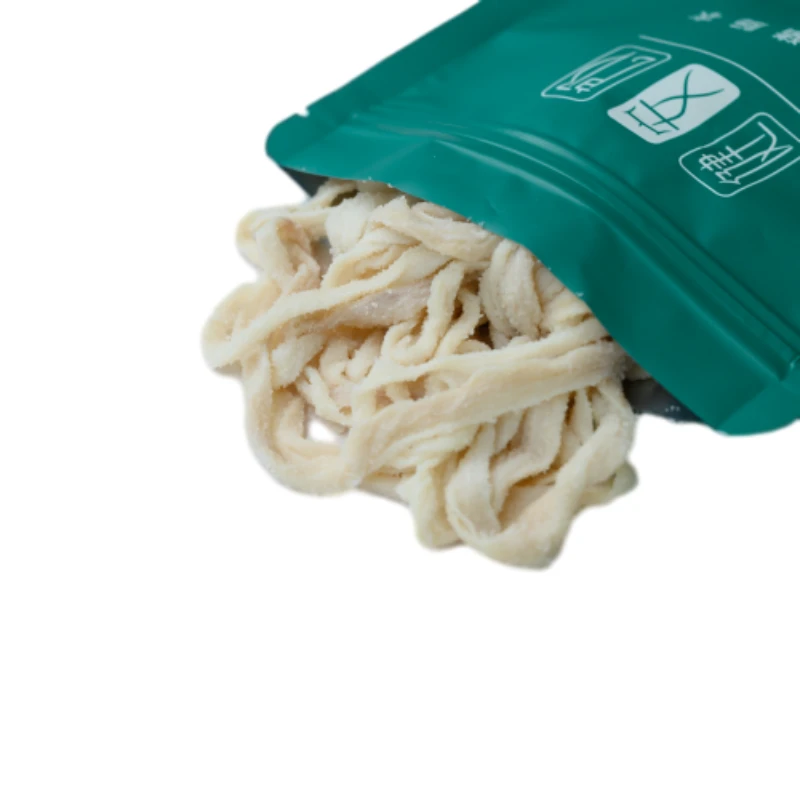
Casings are graded by diameter and quality, then salted and packed for export or domestic sale. Packaging protects casings during shipping while extending shelf life.
5. Environmental and Waste Management
Responsible disposal or treatment of wastewater and leftover materials helps factories minimize their ecological footprint.
Mini Takeaway:
Combining stringent hygiene, smart processing, and sustainability makes for a pork casing factory that meets today's exacting standards.
Typical Factory Product Specifications
| Specification | Details |
|---|---|
| Material | Natural pork small intestine casing |
| Diameter | 18–32 mm (varied grades) |
| Processing method | Mechanical scraping, washing, salting |
| Shelf life | 12 months under refrigeration |
| Certifications | ISO 22000, HACCP, Halal |
| Packaging | Vacuum sealed or salted bundles (5-10 m each) |
Global Applications and Real-world Use Cases
Pork casing factories predominantly serve the food processing industry — especially sausage manufacturers and gourmet producers — located in countries like Germany, China, the USA, and Spain. Asia, with its strong pork consumption culture, represents a significant market both for domestic production and imports.
Oddly enough, some humanitarian and emergency relief programs have explored natural sausage casings for mobile food kits, which combine durability with natural biodegradability. Post-disaster zones in Southeast Asia have seen these products used where refrigeration infrastructure is limited but locally sourced ingredients abound.
Industrial sectors in remote regions also prize pork casings for traditional curing processes, preserving cultural food heritage in places such as Eastern Europe or Latin America.
Mini Takeaway:
Beyond gourmet kitchens, pork casing factories support international food traditions, emergency nutrition strategies, and sustainable waste reuse worldwide.
Vendor Comparison: Top Pork Casing Manufacturers
| Factory Name | Location | Certifications | Annual Output (tons) | Export Regions |
|---|---|---|---|---|
| RichTown Casings | China | ISO 22000, Halal | 1500 | Asia, Europe, Americas |
| Euro Natural Casings | Germany | ISO 22000, HACCP, Halal | 1200 | Europe, Middle East |
| American Casing Co. | USA | HACCP, USDA | 800 | North America, Asia |
Advantages and Long-Term Value of Pork Casing Factories
When you think about sustainability in food production, pork casing factories stand out as a prime example of reducing waste by turning animal byproducts into valuable materials. They decrease landfill load and offer a renewable alternative to synthetic casings, which often rely on plastics.
Practically, their products deliver superior taste and texture, providing a “natural” eating experience that synthetic alternatives can’t replicate. Socially, many small-scale producers rely on casings sourced from these factories to continue cultural food traditions, supporting local economies.
Emotionally, offering consumers safe, natural sausage casings means trust and quality assurance — which in the modern marketplace is priceless.
Looking Ahead: Innovations & Trends in Pork Casing Manufacturing
Advances like automation and AI-driven quality control are making production more consistent and efficient. New sustainable packaging—biodegradable wraps—and cleaner water recycling systems are also gaining traction.
There’s increasing interest in traceability solutions, enabling buyers to track casings from source to end product, which responds to growing consumer demands for transparency and ethical sourcing.
Common Challenges and How the Industry is Overcoming Them
While demand is strong, pork casing factories must tackle issues like fluctuating raw material availability due to disease outbreaks or supply chain disruptions. Maintaining hygiene in high-output environments is also a constant battle.
Industry leaders invest in digital monitoring and predictive maintenance to avoid downtime. Partnerships with slaughterhouses and farmers enhance supply stability, and adopting strict international certifications helps build customer confidence.
FAQ: Practical Questions About Pork Casing Factories
Q1: How do pork casing factories ensure product safety?
Factories follow rigorous cleaning, sterilization, and packaging protocols certified by ISO 22000 and HACCP standards. Regular microbiological testing prevents contamination, and continuous monitoring ensures compliance with export regulations.
Q2: Can pork casings from these factories be used internationally?
Absolutely. Most pork casing factories customize production to meet international customer specifications, export with proper certifications, and follow cold chain logistics to preserve freshness upon arrival.
Q3: How long do natural pork casings last in storage?
When properly salted and refrigerated, pork casings can last up to 12 months. Vacuum sealing can even extend shelf life slightly, but once opened, they should be used quickly to maintain quality.
Q4: What is the typical sizing range for casings from these factories?
Pork casing diameters usually fall between 18 and 32 mm, designed to fit a variety of sausage types, from breakfast links to specialty cured products.
Q5: Are there sustainable practices in casing production?
Many pork casing factories recycle water, manage waste responsibly, and employ eco-friendly packaging to reduce their environmental footprint, acknowledging rising sustainability demand.
Final Thoughts
So, next time you bite into a delicious sausage, spare a thought for the intricate journey taken by that humble pork casing through specialized factories around the world. Their contribution extends beyond taste: supporting traditions, reducing waste, and powering global food industries.
Interested in exploring more about natural casings or sourcing options? Feel free to visit pork casing factories to learn how modern facilities bridge traditional craftsmanship with industry innovation.
References
- Food and Agriculture Organization of the United Nations (FAO). www.fao.org
- International Organization for Standardization (ISO). ISO 22000 Food Safety Management
- World Bank Global Trade Data, 2023.