Dec . 12, 2025 07:35
High Quality 24 26mm sheep casing – Industry Insights & Expertise
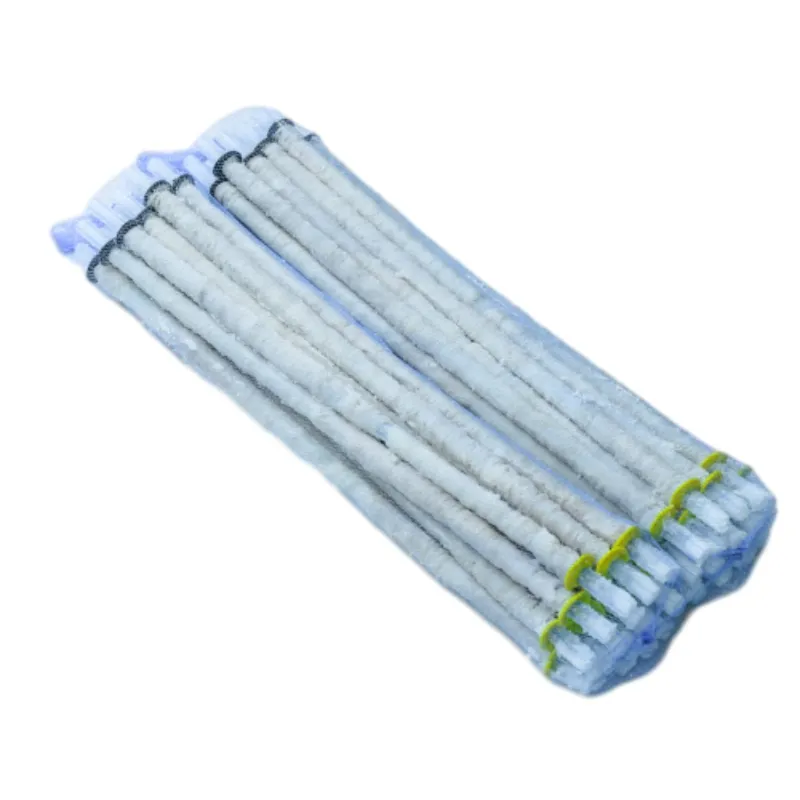
You know, after spending well over a decade dealing with industrial casing materials, I can say that 24 and 26mm sheep casing hold a very special place in the world of natural sausage production. It’s not just about size – it’s the subtle balance of quality, consistency, and strength that make these casings a reliable choice for seasoned processors.
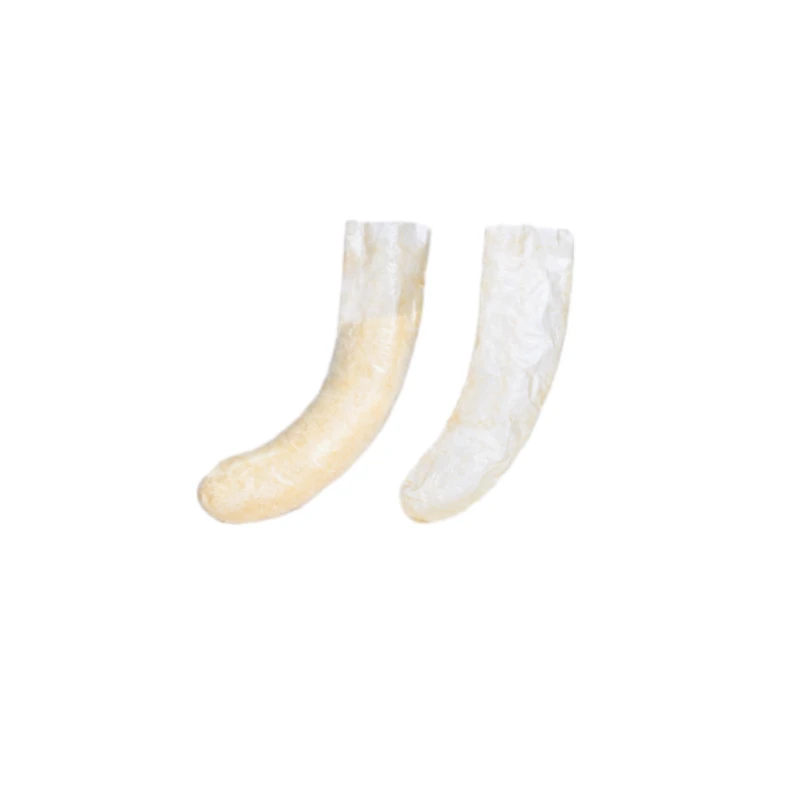
When I first encountered these sheep casings, what struck me was their versatility. Oddly enough, despite their modest diameter, they perform exceptionally well across various types of traditional and artisanal sausage products. If you’ve ever worked with casings that felt flimsy or inconsistent, you’ll immediately appreciate the tight, uniform dimensions and robust yet tender texture that top-quality 24 and 26mm casings offer.
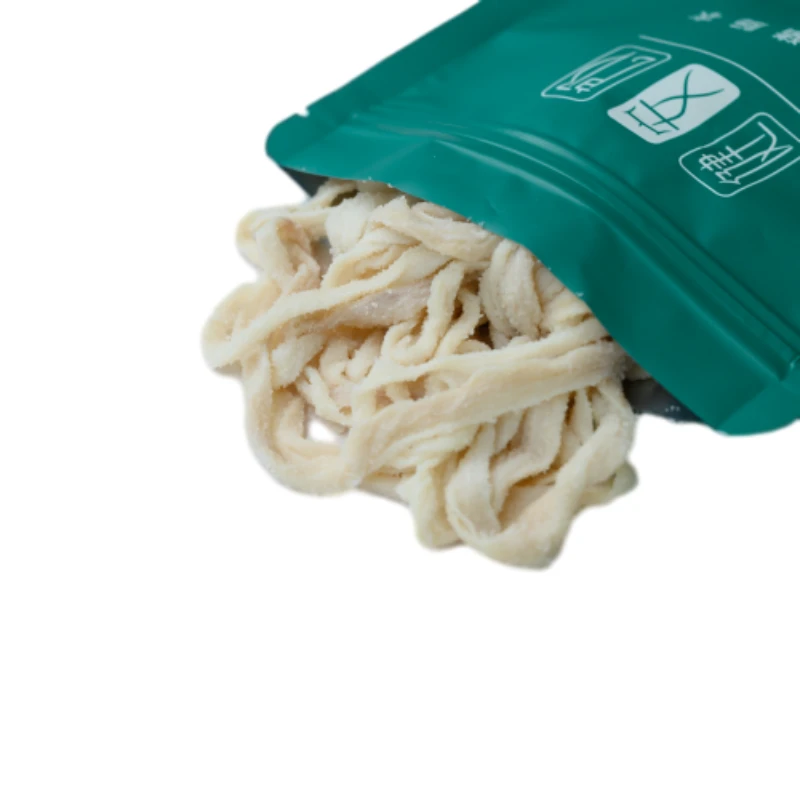
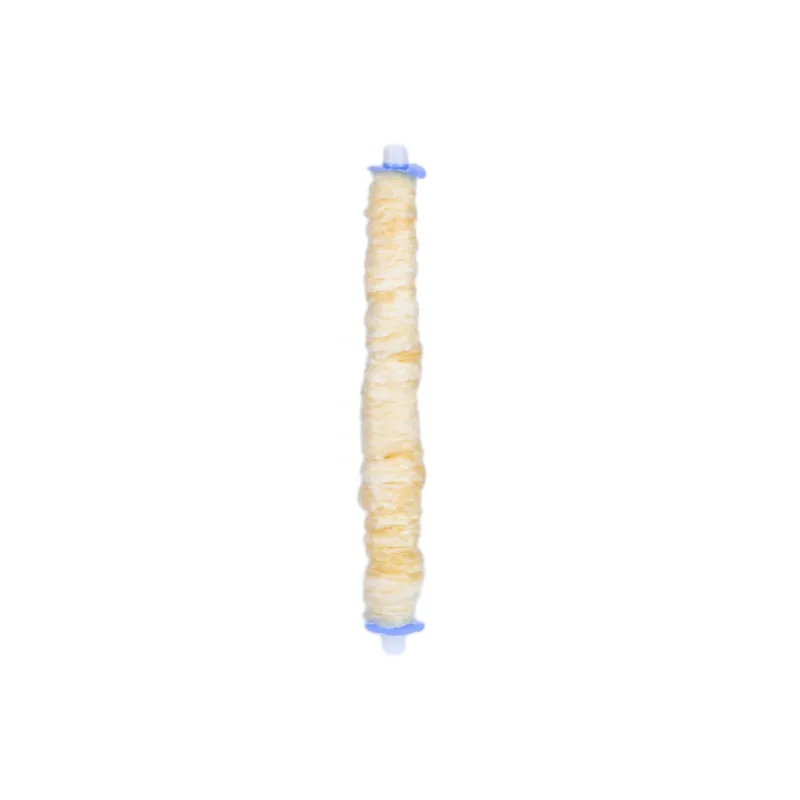
From a practical standpoint, the key is sourcing casings that have been carefully processed to retain natural elasticity without compromising tensile strength. This ensures fewer breaks during stuffing – which, frankly, can save a processor hours in lost production time and waste. The 24 26mm sheep casing we rely on typically undergoes a rigorous cleaning and salting process, preserving its integrity while making it easy to hydrate and handle.
Understanding Sheep Casing Specifications
| Specification | Value | Notes |
|---|---|---|
| Diameter (Dry) | 24 – 26 mm | Common size for snack-sized and traditional sausages |
| Length per bundle | 50 – 60 meters | Uniform and easy-to-handle lengths |
| Preparation | Salted, cleaned | Ready for hydration |
| Tensile Strength | High | Fewer breaks, reliable stuffing |
| Packaging | Vacuum sealed / salted bundles | Extends shelf life |
Let me share a quick anecdote. A small artisan butcher I worked with switched to using premium 24 26mm sheep casing and noticed a remarkable drop in casing rupture rates during both manual and automated stuffing. This, in turn, elevated product quality and customer satisfaction—two things every producer values deeply.
Vendor Comparison: Finding the Right Supplier
| Feature | RTCasing | Competitor A | Competitor B |
|---|---|---|---|
| Quality Control | Strict, batch tested | Moderate checks | Basic inspection |
| Consistency of Diameter | ±0.5 mm | ±1.5 mm | ±2 mm |
| Packaging | Vacuum sealed bundles | Salted bulk bags | No specialized packaging |
| Customer Support | Responsive, knowledgeable | Basic support | Limited support |
| Price | Competitive | Lower | Lowest |
In real terms, the value of high-grade sheep casing often outweighs the slightly higher upfront cost. When you factor in less downtime and higher yield, it’s a solid investment. Plus, with vendors like RTCasing, you get a product backed by expertise, a reliable supply chain, and quality checks that actually matter.
Of course, not every supplier is created equal. I’ve seen cases where cheaper casing led to uneven stuffing, higher breakage rates, and—honestly—a lot of headaches that no technician or production manager wants. So I always encourage clients and colleagues to put quality first, even if it means paying a little more per meter.
In my experience, those nuances matter, especially when you’re producing on a scale where every sausage counts. I suppose it’s like anything else in the industrial sector: the devil really is in the details.
So, if you’re looking for reliable 24 26mm sheep casing to step up your production game, take the time to choose your supplier carefully, know your specs, and test batches before committing fully. When you nail those basics, the rest tends to fall into place more smoothly than you might expect.
And hey – if you ever want a recommendation on a supplier that’s stood the test of time, I can’t recommend RTCasing enough.
One last thing: always remember that behind every good product is a quality casing – and these 24 and 26mm sheep casings are quietly doing a lot of the heavy lifting.
References:
1. Industrial Sausage Casing Standards, FoodTech Journal (2022)
2. “Optimizing Sausage Production,” Meat Science Quarterly (2023)
3. RTCasing Product Data Sheets, 2024