Sep . 30, 2025 18:20
Salted Sheep Casings: Insider Guide to Buying, Specs, and Real-World Performance
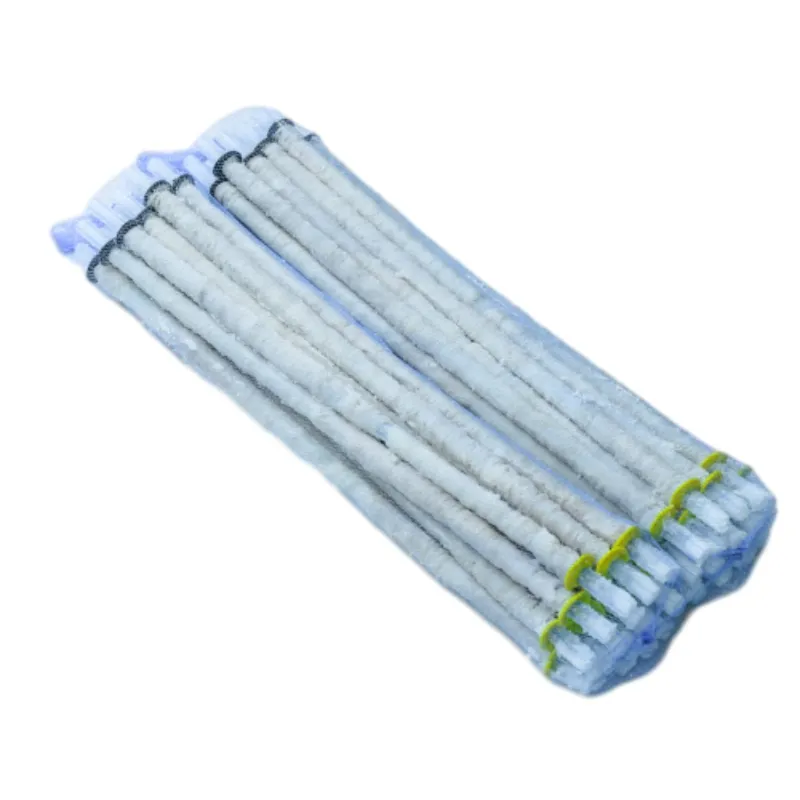
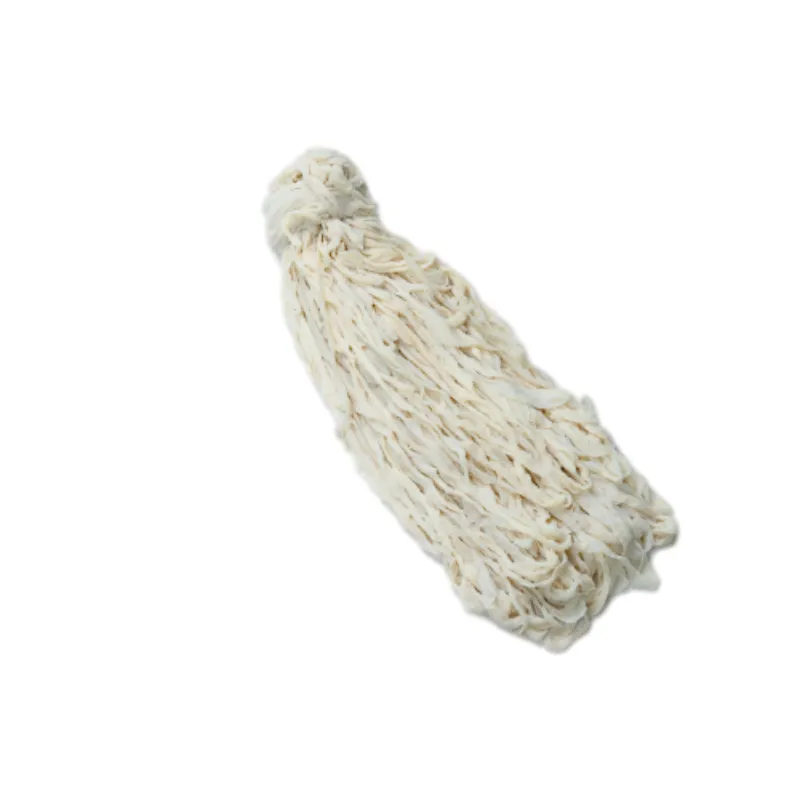
If you’re actively searching for sheep casing for sale, you already know the stakes: clean-label texture, uniform caliber, and zero drama on the stuffing line. I’ve walked enough factories to know that a good casing turns an ordinary sausage into something people remember. RTCasing’s Salted Sheep Casings—sourced and processed in WEST PING’AN STREET, SHUNPING COUNTY, HEBEI, CHINA—lean on a tightly controlled supply chain “from slaughterhouse to final product.” In practice, that line isn’t marketing fluff; it’s the difference between smooth production and costly waste.
What’s trending in natural casings
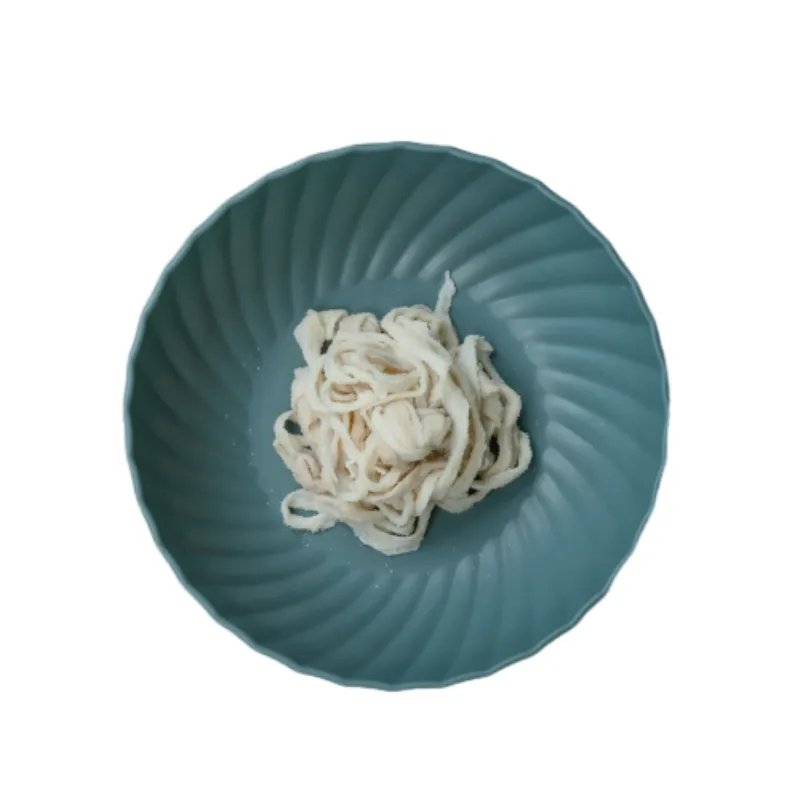
Two big shifts: clean-label demand (natural snap, visible artisanal cues) and predictable throughput. Collagen still has its place, sure, but many processors—especially premium hot dog and snack-stick makers—are swinging back to sheep casings for bite and smoke permeability. Interestingly, export buyers in the EU and Middle East ask more about calibration tolerance and traceability than price alone. That tells you something.
Product snapshot and specs
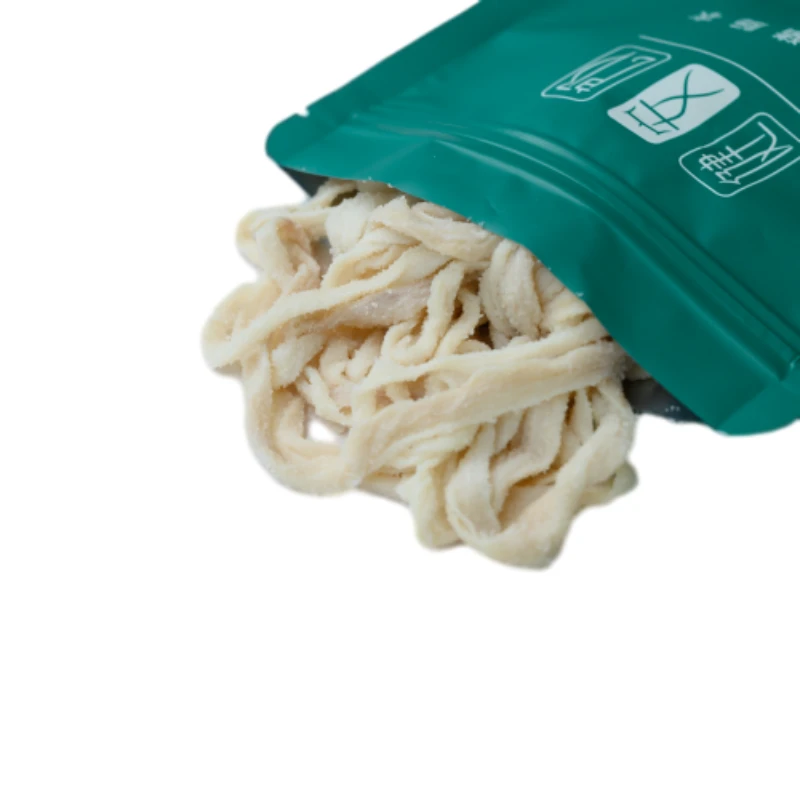
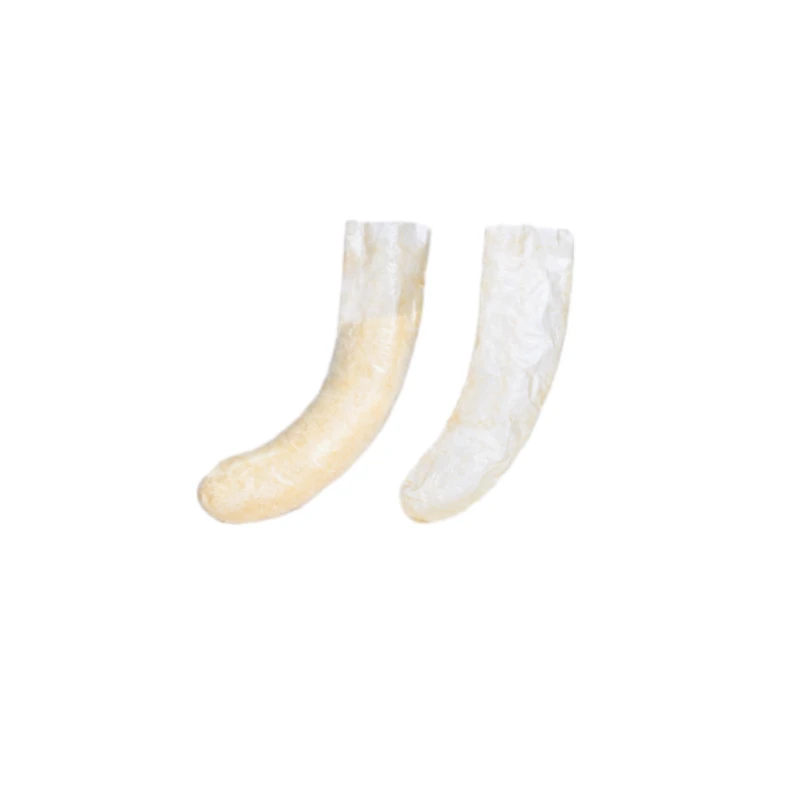
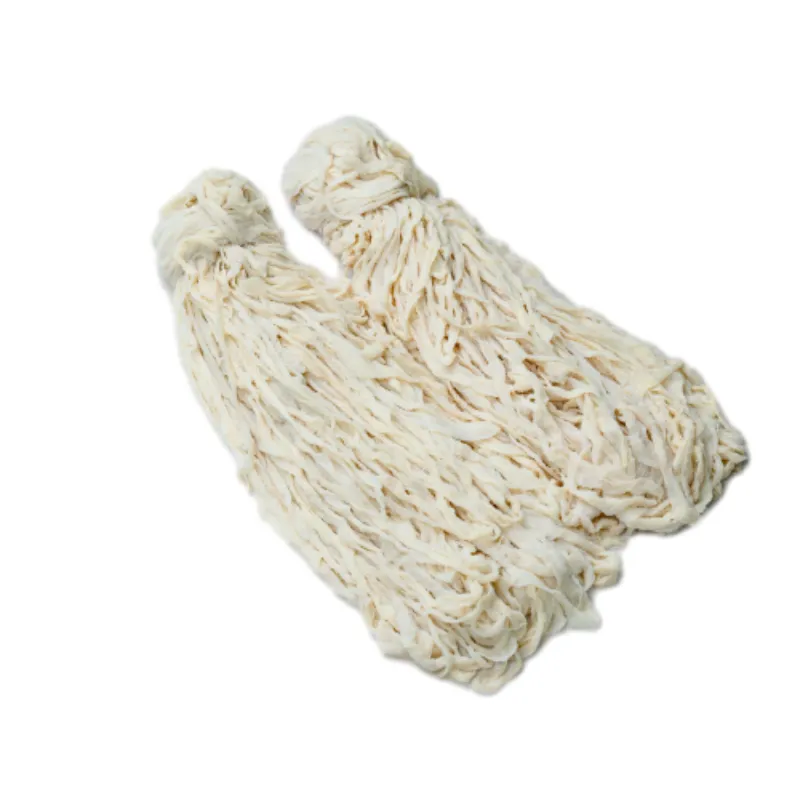
RTCasing Salted Sheep Casings arrive hand-selected, calibrated, and salted. Many customers say the “twist” is more consistent than their previous suppliers. Below are typical specs (real-world use may vary a bit):
| Caliber ranges (mm) | 18/20, 20/22, 22/24, 24/26 (tolerance ≈ ±0.5 mm) |
| Standard length per hank | ≈ 91 m (100 yards), custom options available |
| Salt content | ≈ 20–40% NaCl for preservation |
| Burst strength | Typically > 1.2 kgf (bench tests; depends on caliber) |
| Shelf life | 18–24 months at 0–10°C; keep fully salted; avoid freezing |
| Certifications | HACCP, ISO 22000/9001; Halal upon request; BRCGS available |
Process flow (how quality is built, not inspected)
- Raw material: selected ovine intestines from approved slaughterhouses (lot-tracked).
- Flushing and desliming: RO water, controlled pressure; enzymatic surfactants as needed.
- Calibration: mechanical rods and visual grading; holes/dark spots culled.
- Salting and maturation: food-grade NaCl; equilibrium salting for stability.
- Testing: ISO 4833-1 (TPC), ISO 16649-2 (E. coli), ISO 6579 (Salmonella absence/25g); moisture and salt by AOAC methods; odor/appearance checks.
- Packing: hanks in salt, inner liner + labeled cartons for cold storage.
I guess the unglamorous bit—diligent culled defects—matters most. That’s what reduces blowouts at the stuffer.
Applications and advantages
Ideal for: breakfast links, hot dogs, snack sticks, merguez, chorizo fino, and grillers up to ~26 mm. Advantages include natural snap, smoke permeability, and that slightly rustic look consumers “read” as authentic. In fact, industrial lines report cleaner twists and fewer mid-run stoppages when the casing is consistent.
Vendor comparison (quick reality check)
| Vendor | Supply Chain Control | Certs | Lead Time | Customization |
|---|---|---|---|---|
| RTCasing Salted Sheep Casings | End-to-end, lot-traced | HACCP, ISO; Halal | Around 2–4 weeks | Caliber, pre-tubed, hank length |
| Generic Importer | Partial (varied sources) | Basic QA | 3–6 weeks | Limited options |
| Local Broker | Unknown | Varies | Stock-dependent | Minimal |
Customization, usage tips, and test data
- Customization: pre-tubed casings, private-label cartons, tighter caliber bands.
- Stuffing tips: soak 20–30 min in lukewarm water (some add a pinch of vinegar); reduce horn friction; watch overfill on 18/20.
- Typical micro results (example lot): TPC
For buyers comparing sheep casing for sale options, ask for recent COAs and calibration histograms. You’ll spot inconsistency fast.
Mini case studies
US snack-stick plant: Switched to tighter 22/24; reported ≈1.7% reduction in blowouts and 0.5% yield gain—modest, but it paid for itself. EU co-packer: Pre-tubed 20/22 cut line changeover by ~12 minutes per batch. Multiply that over a season, and you feel it.
Who benefits
Artisan butchers, mid-scale co-packers, QSR suppliers, and premium retail brands seeking consistent sheep casing for sale with documented traceability and credible certifications.
Citations
- Codex Alimentarius, General Principles of Food Hygiene CXC 1-1969 (HACCP, latest revision).
- ISO 22000:2018 Food safety management systems.
- FSIS Directive 7160.3: Imported Natural Casings, USDA Food Safety and Inspection Service.
- Regulation (EC) No 853/2004, EU hygiene rules for food of animal origin.
- ISO 4833-1, ISO 16649-2, ISO 6579 microbiological methods for food.