Nov . 30, 2025 02:40
Why Natural Sheep Sausage Casings Matter — A Global Snapshot
If you’ve ever bitten into a perfectly textured sausage with that slight natural snap, you’ve probably experienced the magic of natural sheep sausage casings—though you might not have realized it at the time. These casings, sourced primarily from sheep intestines, have played a quietly pivotal role in food production worldwide for centuries.
But why should anyone outside the butchery or charcuterie circle actually care? Well, these casings are more than just packing materials. They connect deeply with socio-economic factors, sustainability goals, and even humanitarian relief efforts — exporting a product that’s biodegradable, traditional, and often superior in quality to synthetic alternatives. According to the Food and Agriculture Organization of the United Nations (FAO), the global meat consumption is steadily rising, pushing demand for natural casings along with it (FAO, 2023).
In short, understanding natural sheep sausage casings is not just a niche foodie factoid. It’s an insight into how traditional methods continue to underpin a complex global food system that cares about taste, ethics, and environmental impact.
Setting the Stage: The Global Industry Context
Natural casings, particularly from sheep, contribute significantly to meat product quality in markets ranging from Europe to Asia and the Americas. As of 2023, the global casing market was valued at approximately $1.2 billion, with natural sheep casings making up roughly 35% of all natural casings produced (MarketsandMarkets Report, 2023).
Factors like rising health consciousness have sparked renewed interest in cleaner labels and traditional ingredients — which puts natural sheep sausage casings in the spotlight again. However, challenges like variable supply due to livestock health, stricter import/export regulations, and competition with synthetic alternatives make the space complex.
One interesting conundrum: how to scale production sustainably while retaining the artisanal quality so prized by gourmet producers. It’s a knotty problem, especially as export routes can be affected by geopolitical tensions or biosecurity scares.
What Exactly Are Natural Sheep Sausage Casings?
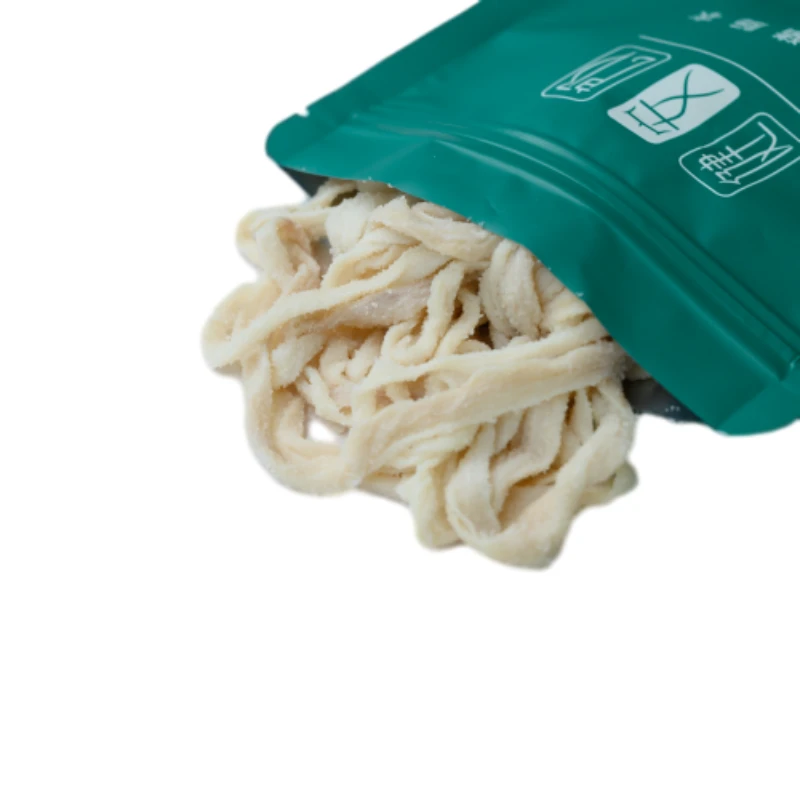
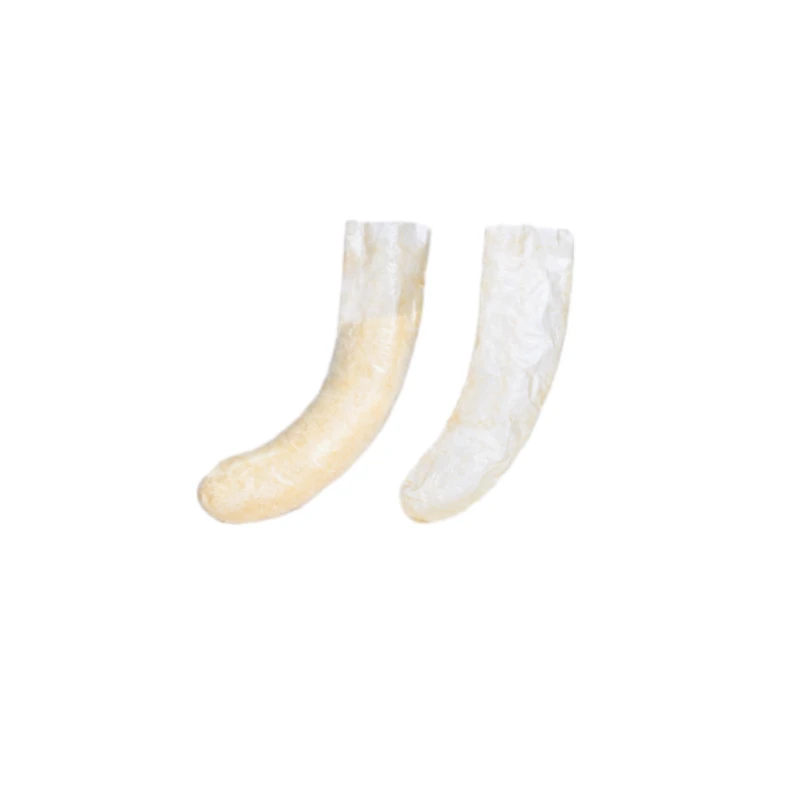
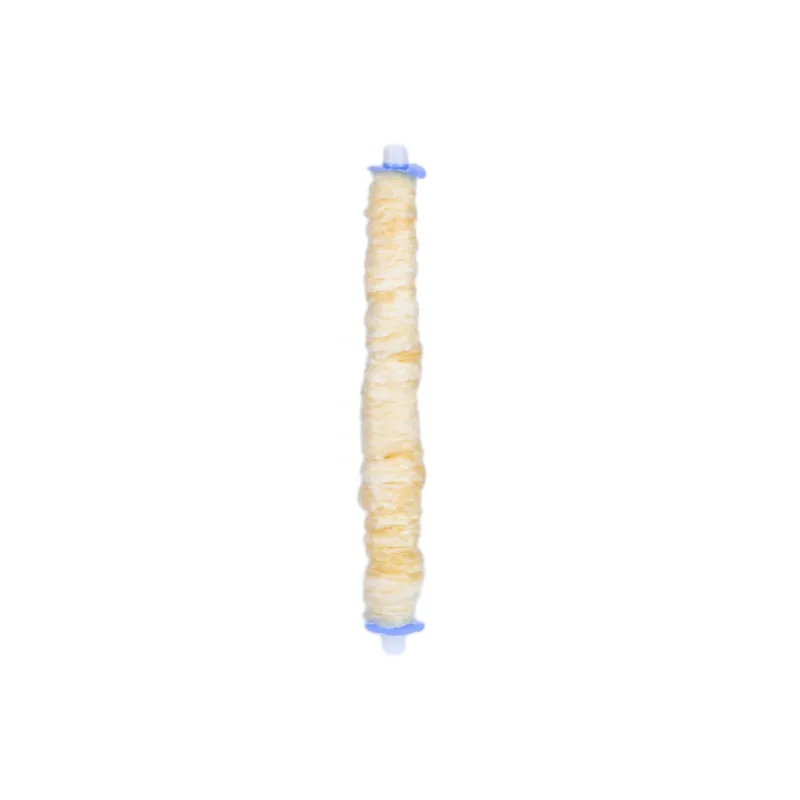
Simply put, natural sheep sausage casings are the cleaned and processed intestines of sheep, turned into edible skins that encase sausage mixtures during cooking and curing. Unlike synthetic casings made of collagen or cellulose, natural casings offer a unique texture and breathability that many butchers and chefs prize.
Think of them as a natural gift from animal processing, repurposed to create something delicious and authentic. Beyond just food production, these casings occasionally find uses in humanitarian contexts — especially where local food production supports nutrition in affected communities.
Core Aspects of Natural Sheep Sausage Casings
1. Durability
Many sausage makers attest that natural sheep casings offer a reliable tensile strength that synthetic alternatives struggle to match — especially in thin, delicate sausage types like merguez or breakfast links. They stretch without tearing easily, which reduces waste during production.
2. Flavor & Texture Contribution
The subtle “pop” or snap from a natural casing offers a sensory experience that feels authentic and satisfying. It also allows smoke and spices to penetrate better during curing.
3. Biodegradability
This is where environmentalists cheer — natural sheep sausage casings decompose naturally, reducing packaging waste compared to plastics or collagen casings.
4. Cost Efficiency
While natural casings often command a slightly higher price, their durability and flavor payoff settle the debate for premium producers. Additionally, local sourcing in sheep-farming regions helps lower logistics costs.
5. Scalability & Availability
Though supply depends heavily on sheep farming output and local hygiene standards, many producers can scale to meet demand by sourcing globally, with major suppliers concentrated in New Zealand, China, and parts of Europe.
Where and How Are Natural Sheep Sausage Casings Used Worldwide?
- Europe: Regions like Germany and Spain have deep culinary traditions relying on sheep casings for specialty sausages.
- Asia: Countries such as China and Vietnam use these casings in street food and local delicacies daily.
- North America: Artisan producers and ethnic markets drive increasing demand.
- Humanitarian Aid: In food security programs, local small-scale butchers use natural casings to produce affordable protein-rich snacks.
- Specialized Charcuterie: High-end establishments prize their ability to create delicate, stuffed sausages with flawless texture.
Oddly enough, the simplest natural element—sheep intestines—finds a surprisingly wide range of applications when you zoom out globally.
Product Specification: Natural Sheep Sausage Casings Overview
| Specification | Details |
|---|---|
| Material Source | Sheep small intestine |
| Diameter Range | 16–28 mm (approx.) |
| Tensile Strength | Medium-high; flexible but durable |
| Shelf Life | Up to 18 months when refrigerated |
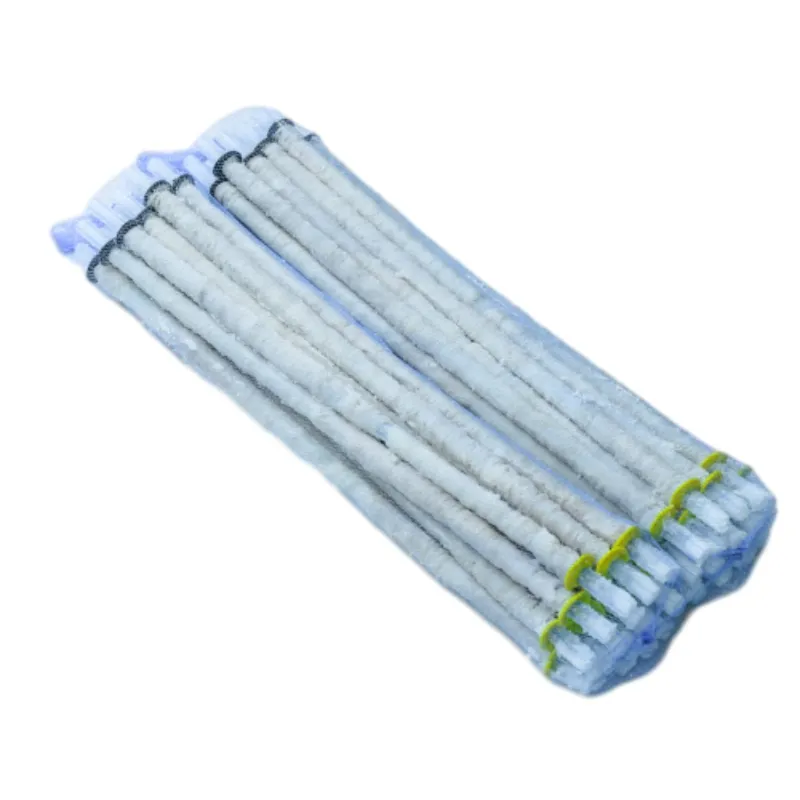
| Packaging | Salted or refrigerated in bulk |
| Applications | Fresh sausages, dry-cured sausages, specialty meat products |
Supplier Comparison: Top Vendors of Natural Sheep Casings
| Vendor | Country | Product Quality | Sustainability Practices | Typical Clients |
|---|---|---|---|---|
| NZ Natural Casings Ltd | New Zealand | Premium, consistent sizing | Ethical sourcing, eco-friendly processing | Specialty food producers, artisan butchers |
| Beijing Casing Co. | China | Good quality, high volume | Moderate; improving waste management | Mass-market manufacturers, export clients |
| European Casings Group | Germany | High precision, reliable | Certified organic casings available | Organic food producers, gourmet brands |
What Makes These Casings an Advantage Over Alternatives?
Many in the industry say natural sheep sausage casings provide irreplaceable benefits:
- Authenticity & Tradition: The natural casing “snap” is hard to reproduce with synthetics.
- Sustainability: They biodegrade quickly, satisfying eco-conscious producers.
- Food Safety: When properly processed, they comply with rigorous hygiene standards set by ISO 22000 and national food safety bodies.
- Social Impact: Supporting local farmers and processors often helps rural economies flourish.
- Reliability: For premium sausages, consistency in cooking behavior is invaluable.
At the same time, the emotional allure of a food product that is “natural” resonates well in a market increasingly wary of synthetic additives and overly processed goods.
Emerging Trends & Innovations to Watch
Though natural casings are an age-old product, the space is far from static. Current innovations include:
- Advanced Cleaning Techniques: New enzymatic processes reduce chemical usage and improve product safety.
- Vertical Integration: Some producers now handle sheep farming and casing processing, ensuring traceability from farm to table.
- Digital Quality Control: AI-powered cameras and sensors can detect imperfections early on, reducing waste.
- Sustainability Certifications: ISO 14001 environmental standards and organic certifications foster greater consumer confidence.
It’s exciting to see how tradition can coexist with digital transformation and sustainable innovations.
Common Challenges & Expert Solutions
Working with natural sheep sausage casings is not without quirks:
- Variable Sizing & Quality: Because they’re biological materials, size and strength can vary. The solution? Rigorous sorting and grading systems combined with supplier partnerships.
- Supply Chain Disruptions: Livestock diseases or export restrictions sometimes tighten availability. Long-term contracts and inventory buffers help stabilize supply.
- Regulatory Compliance: Complex food safety regulations demand ongoing monitoring and testing. Many firms invest in ISO 22000 certification to stay ahead.
Experts often advise a blend of artisanal skill and modern analytics to optimize casing usage and reduce waste.
FAQ: Natural Sheep Sausage Casings
Q1: Are natural sheep sausage casings better than synthetic casings?A1: Natural sheep casings are preferred in many cases for their superior texture, flavor contribution, and breathability. Synthetic casings can be more uniform but often lack the characteristic snap and biodegradability of natural casings. Q2: How long can packaged natural sheep casings be stored?
A2: When salted and kept refrigerated, natural sheep sausage casings can be stored up to 18 months. Proper handling is crucial to prevent spoilage and maintain quality. Q3: Can natural casings be used for all types of sausages?
A3: While natural sheep casings are ideal for small to medium-sized sausages, their thin diameter limits their use for larger, coarser sausages. Different animal casings (hog or beef) suit larger sizes better. Q4: Is importing natural sheep casings legally complicated?
A4: Import regulations vary by country and often require sanitary certificates and compliance with animal by-product regulations. Partnering with experienced suppliers who understand export/import laws can simplify the process.
Wrapping Up: Why Choose Natural Sheep Sausage Casings?
To sum it up, natural sheep sausage casings carry a timeless appeal. They balance authenticity with modern-day sustainability efforts and meet the high sensory standards of both artisan and commercial sausage producers worldwide. If you're keen on sourcing quality casings that are biodegradable, durable, and deeply connected to food tradition, natural sheep sausage casings are well worth exploring.
Explore our portfolio at natural sheep sausage casings for trusted sourcing, expert guidance, and product details.
The last thought:
In a world striving for balance between progress and heritage, natural sheep sausage casings stand firm. They’re a quiet reminder that sometimes, nature still knows best.