Jan . 06, 2026 03:45
Natural Sausage Casings for Sale: Quality Matters in Every Link
Having been around the industrial equipment and food processing sectors for well over a decade, I can tell you this: natural sausage casings for sale are more than just a commodity. They’re a fundamental part of crafting authentic sausages that customers remember. Oddly enough, it’s not just the meat recipe that counts but the casing — the thin yet tough exterior that holds it all together.
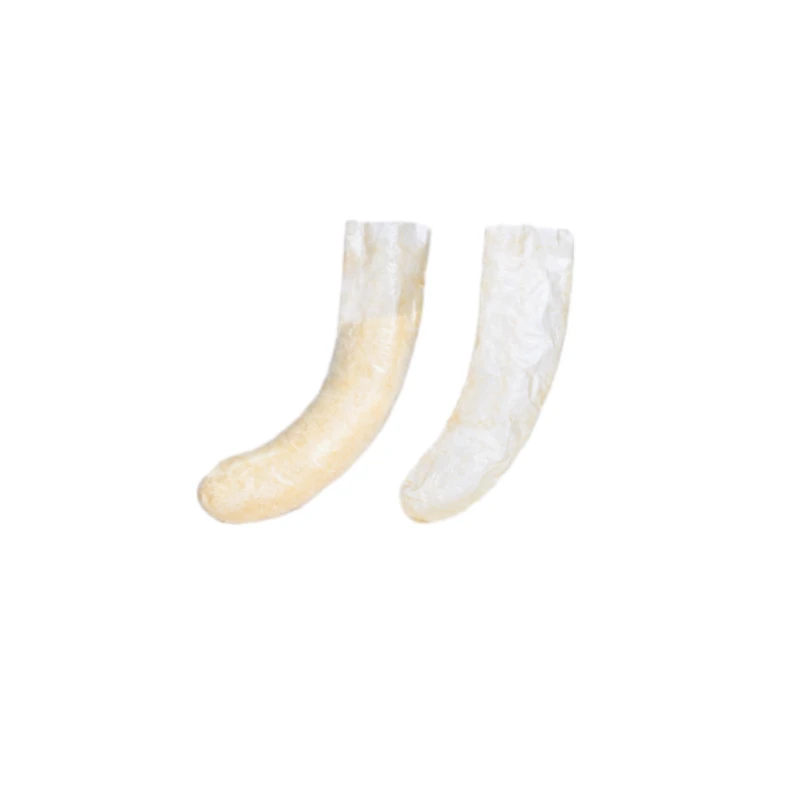
Natural casings, sourced primarily from hog, sheep, and beef intestines, offer unmatched bite and texture. You feel it immediately when cooking — the snap that folks love in a bratwurst or classic Italian link is nearly impossible to replicate with synthetic options.
I remember visiting a midsized sausage producer in the Midwest; they switched from collagen to natural casings about three years ago, and their refreshing customer feedback was palpable. You could almost taste the difference. They told me it boosted repeat orders, partly because the natural casings allow for better smoke absorption and casing elasticity, leading to a juicier, tastier sausage.
What Makes These Casings Stand Out?
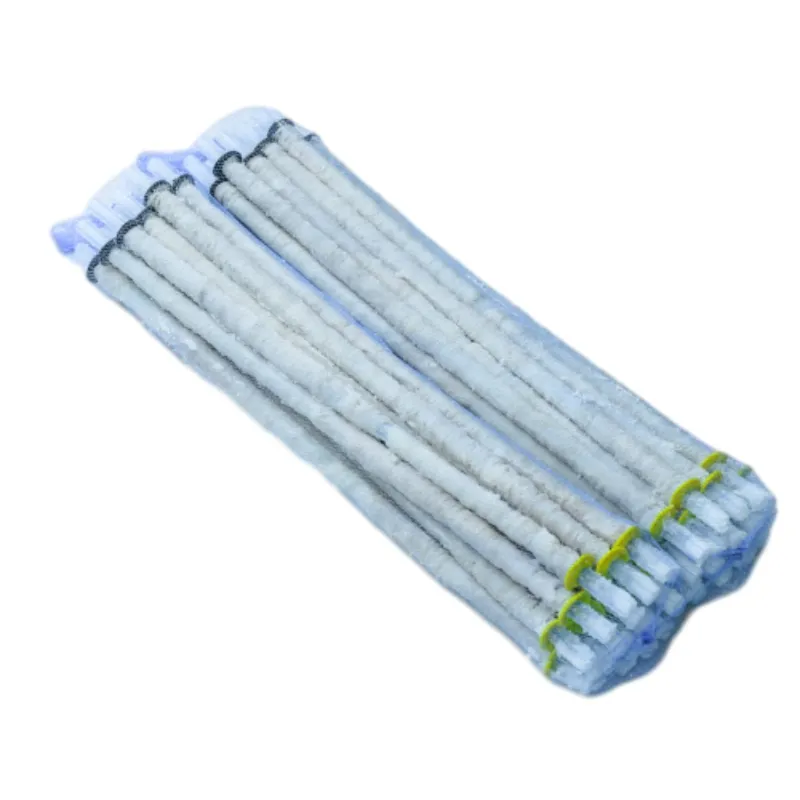
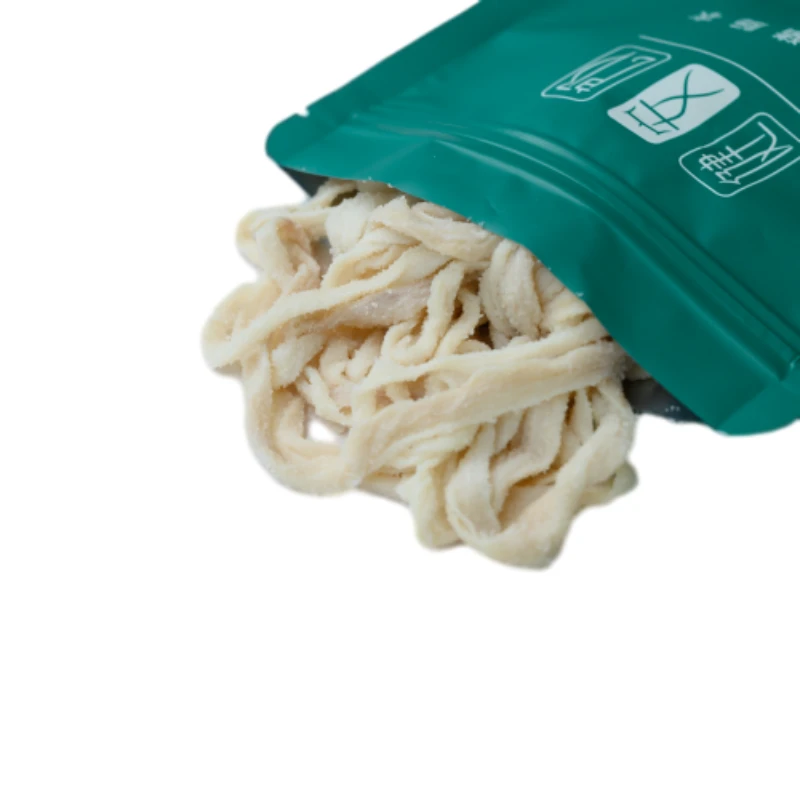
First off, natural casings are carefully cleaned, salted, and inspected. Some suppliers go an extra mile, offering antibiotic-free, sustainably sourced options that many of today’s upscale charcuterie makers want. This isn’t just a product; it’s a piece of tradition, with a manufacturing process that’s been refined for centuries.
Of course, with natural materials, there’s a little variability — size, thickness, and appearance differ a bit from batch to batch. For those unfamiliar, this can seem tricky. But truly, it’s part of the charm and challenge. Operators learn to adjust smoke times, stuffing pressures, and casing soak durations accordingly.
Technical Specs: A Quick Look
| Specification | Typical Range | Notes |
|---|---|---|
| Material Source | Hog, Sheep, Beef Intestines | Certified food-grade, antibiotic-free options available |
| Caliber (Diameter) | 16 mm to 32 mm | Varies by animal and cut location |
| Length per bundle | 5 - 15 meters | Usually salted and preserved for freshness |
| Shelf Life (Unopened) | Up to 12 months (refrigerated) | Keep in a cool, dry place for best results |
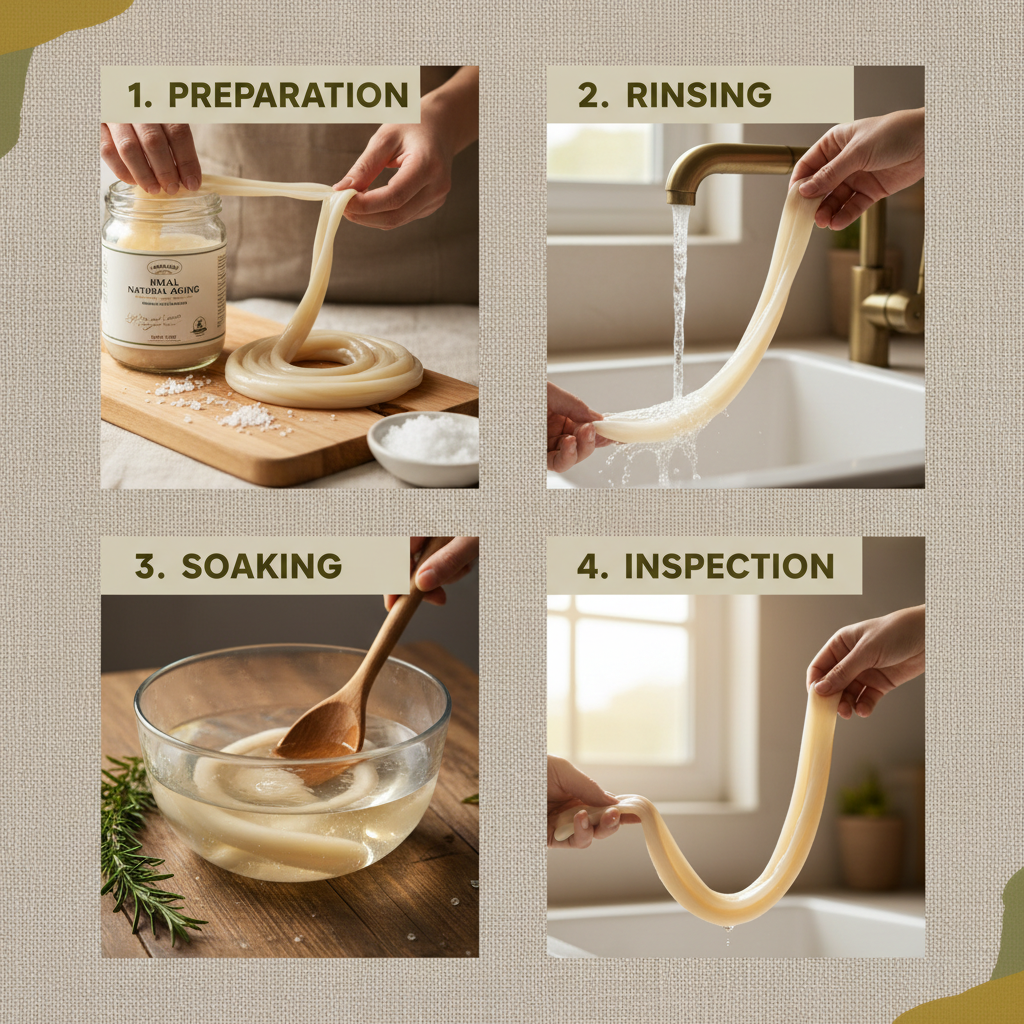
| Preparation | Soaking in water (30-60 mins) | Removes salt and softens casing |
Choosing the Right Vendor: What Should Industrial Users Expect?
In my experience, not all vendors are created equal — and frankly, your product quality depends on the consistency of your casings. When comparing suppliers, consider these criteria:
| Feature | Vendor A (RTCasing) | Vendor B | Vendor C |
|---|---|---|---|
| Product Range | Hog, Sheep, Beef | Hog & Sheep only | Beef exclusively |
| Quality Consistency | High (individual batch testing) | Medium | Low |
| Lead Time | 7-10 days | 2 weeks | 3+ weeks |
| Customer Support | Responsive and knowledgeable | Average | Limited |
| Sustainability Certifications | Yes (organic, antibiotic-free) | No | No |
What I noticed, over years working with companies large and small, is the difference a quality supplier like natural sausage casings for sale makes in not only the final product but workflow efficiency. Reliable casing quality reduces waste, downtimes, and inconsistencies in your links — and that’s priceless when you’re producing by the ton.
Ultimately, natural casings might demand a bit more skill and patience than synthetic ones, but the payoff is that unmistakable flavor and authentic look that consumers crave. If you’re in the business of sausage-making, it’s truly worth investing in the right supplier.
Oh, and just a quick tip from personal experience: always soak your casings properly and keep an eye on temperature during stuffing. Even the best casings can burst if treated roughly or stuffed too tightly, and that’s just a headache you can do without.
In real terms, natural casings remain a timeless, trusted choice. They’re the link to tradition — literally. And I suppose, in a world that’s quick to synthetic everything, that kind of authenticity counts for a lot.
Reflection: There’s something oddly satisfying about working with natural ingredients in industrial settings, a rare blend of old-world craft and modern scale. You learn to respect materials — even intestines — on a whole different level.
References:
- Food Safety and Inspection Service (FSIS) - USDA Guidelines on Sausage Casings
- Journal of Food Science – "Effect of natural casing on sausage quality," 2021
- Industry interview, private visit to sausage producer, 2022