Nov . 12, 2025 18:30
A Practical Guide to Using Sausage Casings in Industrial Production
Having clocked over a decade in the industrial equipment and food processing sector, I’ve seen sausage casings evolve from humble natural skins to highly engineered materials designed for specific applications. It’s surprising how much nuance goes into what many just see as “a simple casing.” Understanding the different types, materials, and how to handle them properly can mean the difference between a flawless production run and a complete waste of time — or worse, product loss.
One trend I've noticed recently is the surge in demand for collagen casings that mimic natural casings but offer better consistency. Plus, customization isn’t just a nice-to-have anymore; it’s becoming a must. Clients want sizes, thickness, and strength tuned specifically to their product needs, whether it's fine bratwurst or thick smoked sausage.
Understanding Sausage Casings: Materials and Their Importance
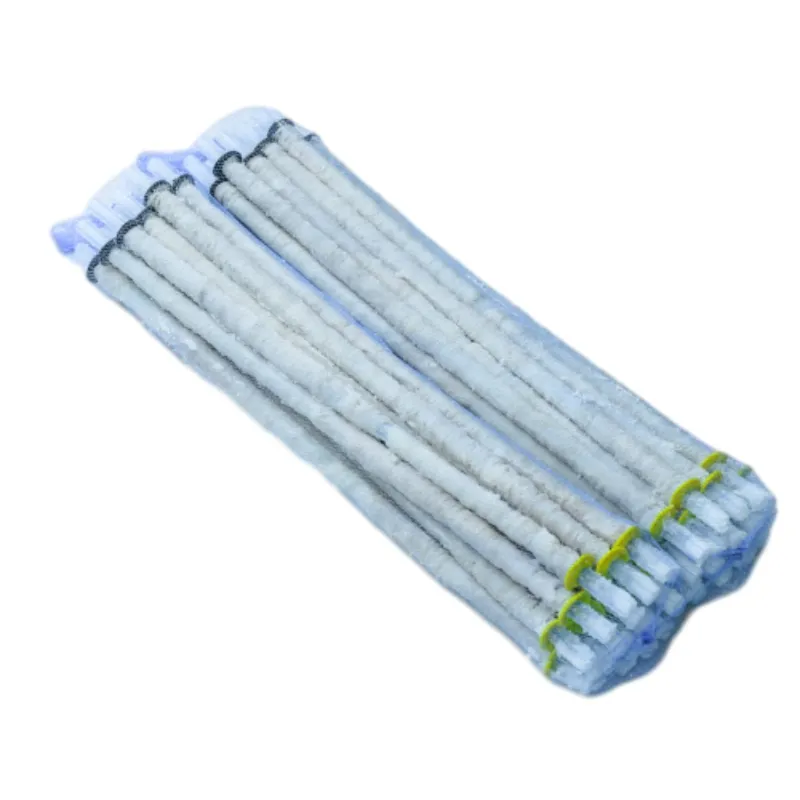
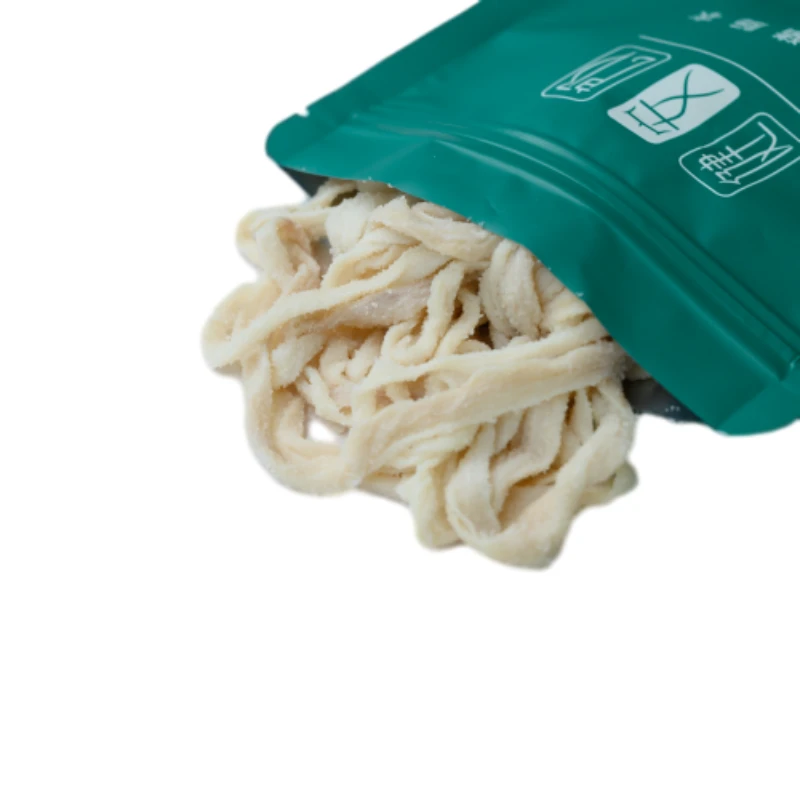
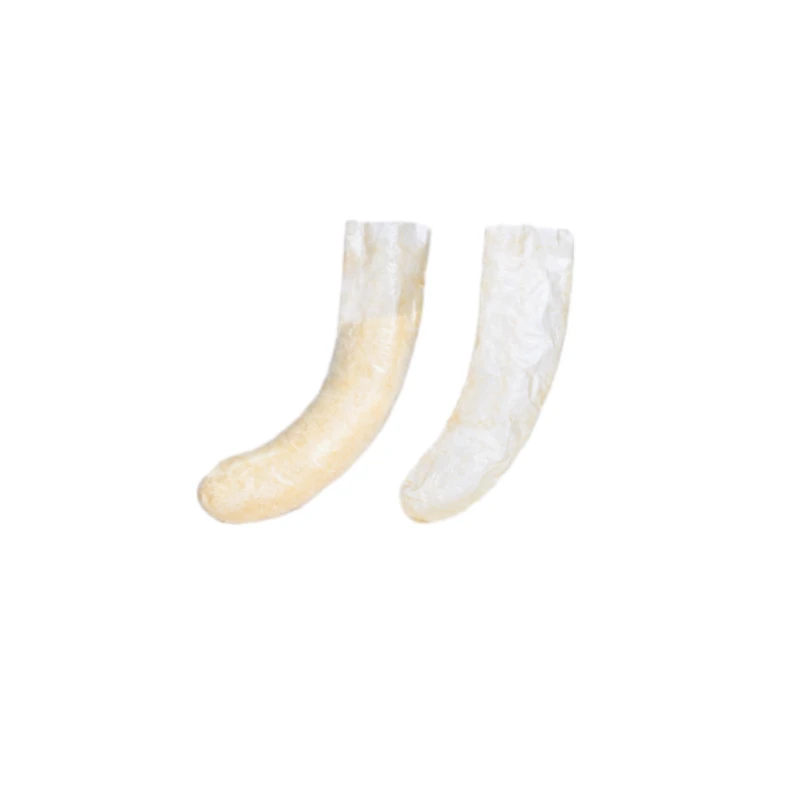
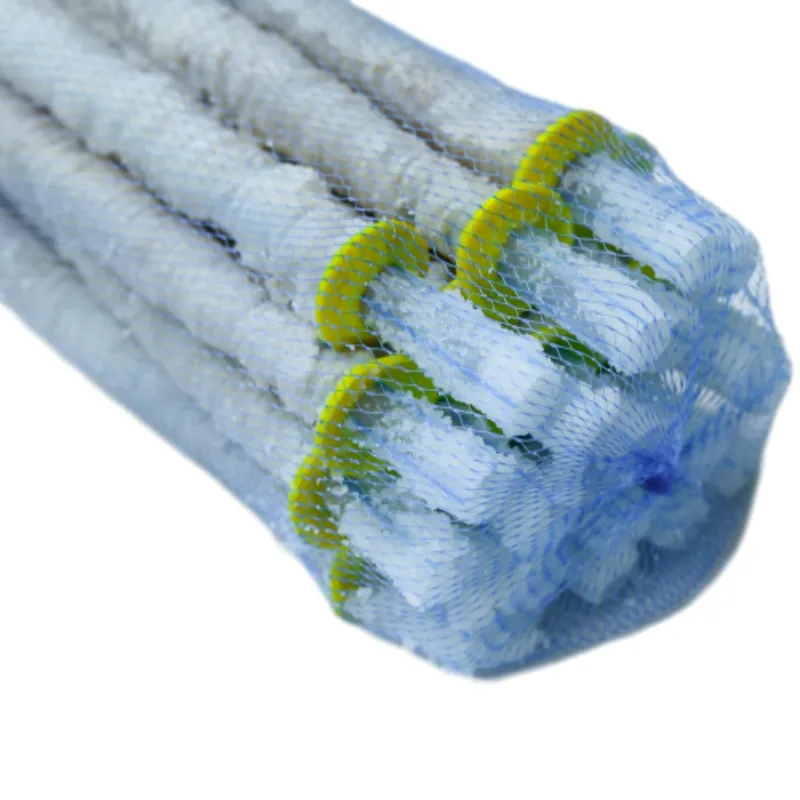
Let’s get a bit technical but not too much. Sausage casings generally come in three types: natural, collagen, and cellulose. Naturally, the choice depends largely on the product and the process.
- Natural Casings are made from animal intestines and have been around forever. They’re prized for their bite and traditional appeal but can be tricky — thickness varies, and they need careful cleaning.
- Collagen Casings are made from purified collagen (mainly from cattle hides). They are more uniform, easy to handle, and can be edible or non-edible. Many producers jump at these for consistency.
- Cellulose Casings tend to be non-edible and mainly for skinless products. They're excellent for machine stuffing but removed before packaging.
Using them effectively means knowing the strengths and weaknesses. For example, natural casings provide a snap and flavor profile you simply can't replicate with synthetic types. On the other hand, collagen casings offer tremendous durability, which is critical when automated lines are humming along at high speed.
Key Product Specifications for Sausage Casings
| Specification | Natural Casings | Collagen Casings | Cellulose Casings |
|---|---|---|---|
| Diameter Range | 13-50 mm (variable) | 16-60 mm (precise) | 15-65 mm (fixed) |
| Edibility | Edible | Edible or Non-edible | Non-edible |
| Tensile Strength | Medium | High | Very High |
| Shelf Life | Short (weeks) | 6–12 months | 6–9 months |
| Usage | Traditional, artisanal sausages | Mass production, uniform products | Skinless sausages, hot dogs |
Choosing Your Sausage Casing Supplier
I’ve had my fair share of working with different vendors, and odd as it sounds, it’s much more than price. It’s about consistency, supply reliability, and being able to get customized solutions fast. Many engineers I talk to rely on vendors who offer technical support and testing assistance — especially for specialized casing blends.
| Vendor | Product Range | Customization | Lead Time | Technical Support |
|---|---|---|---|---|
| RTCasing | Natural & collagen casings | High (custom diameters/thickness) | 2–4 weeks | Excellent (onsite/testing) |
| FreshCasing Ltd. | Natural casings only | Low | 3–5 weeks | Moderate |
| GrainPro | Collagen & cellulose | Medium | 1–3 weeks | Good |
Why I Recommend RTCasing
It’s not just marketing fluff when I say quality can vary quite a bit. I had a client once who switched to RTCasing after struggling with flimsy casings that kept tearing mid-production — total nightmare. After the switch, productivity improved noticeably, and the uniformity across batches made downstream packaging easier. Plus, their team is genuinely helpful. I’ve spent hours troubleshooting with their experts, and honestly, their advice saved a product launch.
Whether you’re rolling out a new product or just fine-tuning production, having reliable casing suppliers is something I’d never gamble with.
So here’s a little takeaway: knowing your casing type is step one, but partnering with the right vendor shapes everything else. And if you’re curious, click here — their stock and customization options have impressed me time and time again.
I suppose, working in this field long enough gives you a strange appreciation for something as “simple” as sausage casings. It's little details — thickness, tensile strength, even shelf life — those are your allies. You sort of grow fond of these unassuming products because they silently make or break your whole line.
References & Thoughts
- Industry reports on casing trends, 2023.
- Personal interviews with food production engineers.
- Hands-on experience troubleshooting high-speed production lines.