Dec . 02, 2025 21:02
The Quiet Giant: Why the Dried Sausage Casing Company Matters Globally
If you’ve ever bitten into a perfectly textured sausage, you probably didn’t consider the humble casing that holds it together. Yet, that casing is a quietly sophisticated product in its own right — and the companies behind them, dried sausage casing companies, play a bigger global role than most realize. These providers connect centuries-old food traditions with today's industrial food supply chains, humanitarian needs, and innovative packaging trends. Understanding these companies isn’t just for producers—it informs how we think about food safety, sustainability, and even disaster relief on a global scale. You might be wondering why such a niche topic demands attention. Well, dried sausage casings span far beyond just food lovers. They influence commerce between countries, impact animal product processing regulations, and even affect ecological footprints thanks to evolving materials. In short: this topic matters more than meets the eye.Introduction: The Global Context of Dried Sausage Casing Companies
The global market for dried sausage casings, by recent UN and ISO-based evaluations, is a multi-hundred-million-dollar industry that fuels meat production from North America to Asia, and Europe to Africa. According to industry insights, the worldwide demand for sausage casing has grown by nearly 4% annually over the last decade, influenced by rising meat consumption and convenience food trends. But here’s the thing: sourcing high-quality casings is a constant challenge. Producers need uniformity, food-grade safety certifications, and resilient products that can endure varying climates and storage conditions. And because dried casings—typically from natural sources such as sheep, hog, or cattle intestines—are a biological product, supply chains are sensitive to factors from animal farming regulations to geopolitical trade barriers. One challenge that a dried sausage casing company often faces is balancing scale with ethical and sustainable sourcing. Increasingly, companies must also answer tougher questions about vegan or synthetic alternatives, waste reduction, and traceability. In real terms, this makes the industry a fascinating crossroads of tradition and modernity.
Mini Takeaway: Though inconspicuous, dried sausage casing companies operate a vital role at the junction of global trade, food safety, and evolving sustainability demands.
What Exactly is a Dried Sausage Casing Company?
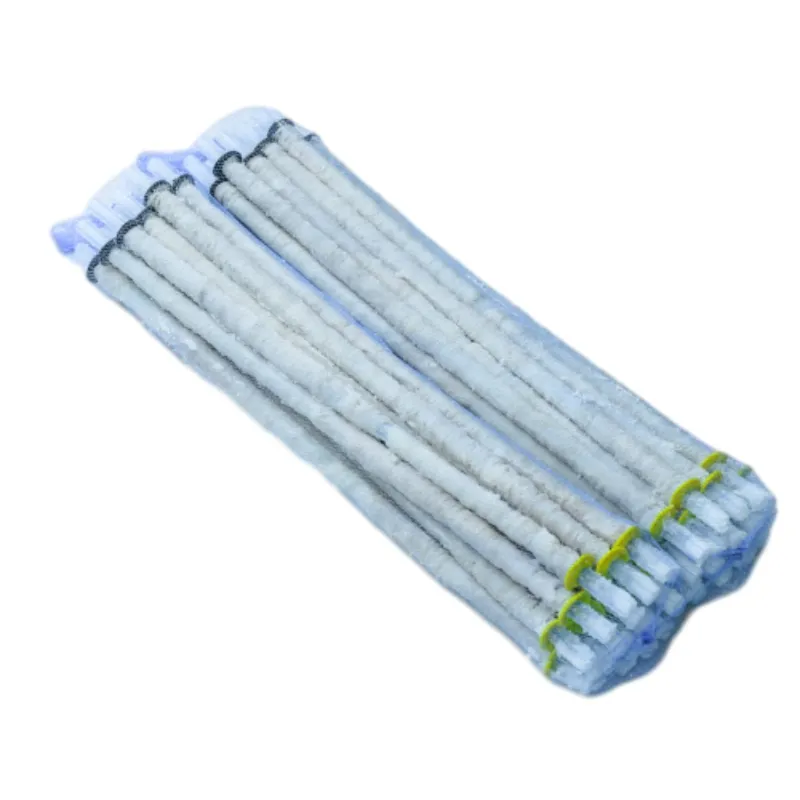
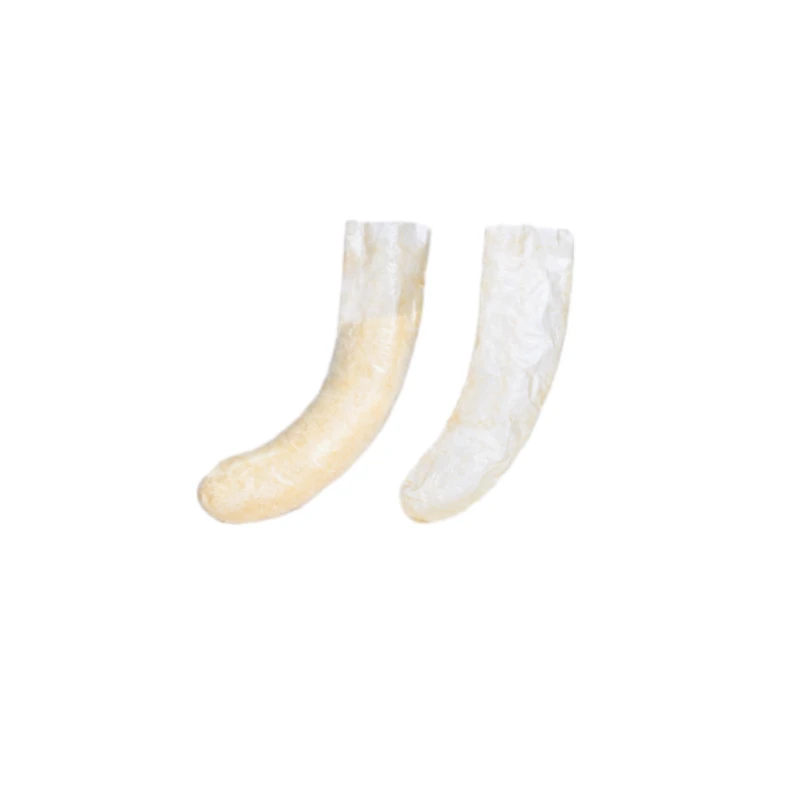
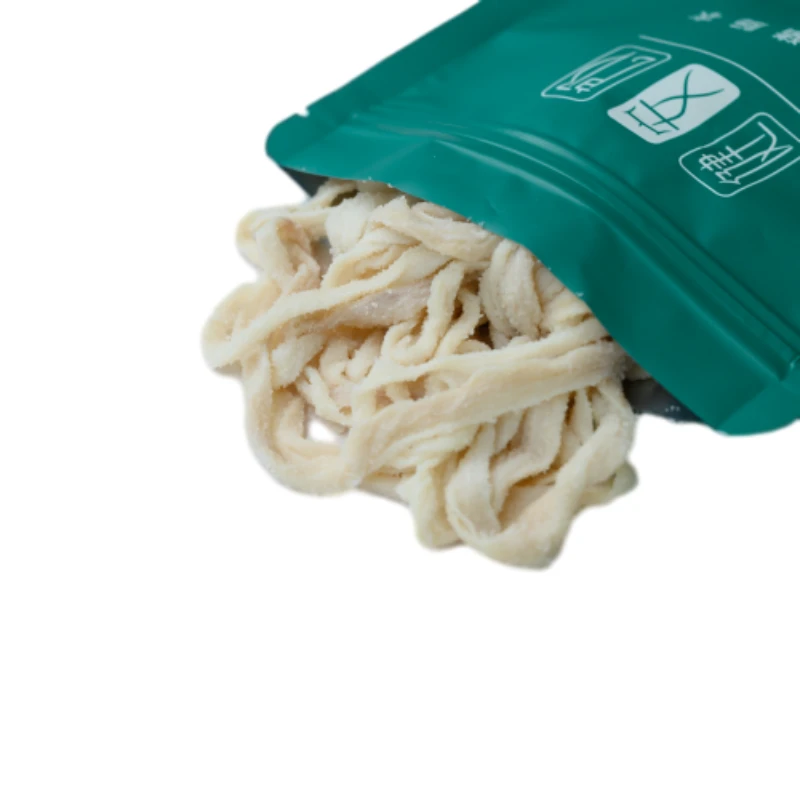
Put simply, a dried sausage casing company is a business specializing in producing, processing, and selling dried casings used to encase sausages and other cured meats. These casings often come from cleaned and processed animal intestines, then dried and stored for long-term use and shipping. On a broader scale, these companies serve the food industry but also humanitarian sectors, where safe protein sources are crucial in emergency food supplies. By providing durable, food-grade casings, these companies help ensure that sausage products maintain integrity from production to consumption, offering a reliable, natural packaging medium without artificial plastics. Interestingly, this traditional food packaging method ties deeply into cultural and historical patterns of food preservation. And yet, it still finds itself adapting to 21st-century needs: automation, quality control, and international sanitary standards.Core Components of a Successful Dried Sausage Casing Business
1. Durability and Shelf Stability
Dried casings must withstand fluctuating humidity and temperature changes without cracking or spoiling. Manufacturers rigorously test casings for tensile strength and flexibility to ensure end-users get consistent performance during stuffing and smoking processes.2. Quality Assurance and Food Safety
Since casings come from animal tissue, safety is paramount. Companies invest in microbial testing, certifications (like ISO 22000), and traceability systems to comply with international food safety laws ensuring the final product is safe to consume.3. Scalability of Supply
Meeting ever-growing demand across continents requires well-managed supply chains. The best companies collaborate closely with farms, slaughterhouses, and distributors — sometimes incorporating vertical integration to control quality from source to delivery.4. Cost Efficiency
Balancing high-quality output with competitive pricing is critical — many sausage producers operate on thin margins. Efficient drying technologies, smart logistics, and innovative packaging within the supplier network help keep costs manageable.5. Sustainability Initiatives
In recent years, companies emphasize reducing ecological impact — shifting toward more ethical sourcing, minimizing waste through by-product use, or exploring alternative casing materials (like collagen or cellulose-based options).
Mini Takeaway: From durability to sustainability, multiple factors shape how dried sausage casing companies meet complex modern demands.
Global Applications and Everyday Examples
Dried sausage casings are everywhere, yet the users aren’t always obvious. Let’s look at a few places and sectors that rely heavily on these companies:- Europe & Mediterranean: Traditional sausages like chorizo, salami, and merguez demand natural casings for authentic texture and flavor profiles.
- North American Food Industry: Mass production of hot dogs and smoked sausages involves large-scale dried casing suppliers who cater to food factories with automated stuffing equipment.
- Food Relief and Humanitarian Aid: Organizations operating in disaster zones often rely on ready-to-use dried sausage casings for protein preservation in emergency food kits.
- Small Craft Producers & Artisans: Increasingly, boutique producers seek specialized natural casings that offer differentiation in look and bite quality.
Product Specification: Typical Natural Dried Sausage Casing
| Specification | Details |
|---|---|
| Material | Sheep or Hog Small Intestine (Natural) |
| Diameter Range | 16-38 mm (varies by use case) |
| Length | 5-9 meters per piece |
| Moisture Content | 12-15% (ensures dryness and shelf life) |
| Packaging | Vacuum-sealed bundles or salted preservation |
| Shelf Life | Up to 12 months under proper storage |
Comparing Top Dried Sausage Casing Companies
| Company | Origin | Product Range | Certifications | Sustainability Efforts |
|---|---|---|---|---|
| RTCasing | Europe | Natural & Collagen Casings | ISO 22000, HACCP | Animal welfare sourcing, waste reduction |
| GastroCasing Inc. | North America | Natural Casings only | FDA compliant, USDA certified | Limited recyclable packaging |
| Orient Sausage Suppliers | Asia | Natural & Synthetic Collagen | ISO 9001, GMP | Developing bio-based materials |
Advantages & Long-Term Value of Working with a Dried Sausage Casing Company
Choosing the right dried sausage casing supplier affects product consistency, consumer trust, and company sustainability goals. A good casing company delivers:- Cost Savings: Reducing waste during production thanks to reliable casing strength.
- Sustainability: Natural casings are biodegradable, and ethical sourcing reduces environmental footprints.
- Safety and Trust: Certified products mean food meets rigorous sanitary demands.
- Innovation and Customization: Offering tailored casing diameters and materials to suit different products.
- Cultural Integrity: Supporting artisanal traditions by preserving time-tested casing methods alongside modern industry.
Looking Ahead: Future Trends in Dried Sausage Casings
Innovation never stops. The industry is exploring:- Synthetic Alternatives: Collagen and plant-based casings gain traction among flexible dietary preferences.
- Automation-Friendly Designs: Casings engineered for high-speed, precision stuffing machinery.
- Digital Traceability: Blockchain and smart labeling to verify full supply chains — crucial for food safety & trade.
- Environmentally Friendly Processing: Green energy-powered drying and biodegradable packaging.
- Expanded Use Cases: Integrating dried casings into ready meals, and innovative protein products for future markets.
Challenges and How Experts Solve Them
Despite the progress, dried sausage casing companies face hurdles like supply variability, contamination risks, and regulatory changes. Some solutions include:- Enhanced Quality Controls: Real-time microbial testing and certification audits.
- Supply Chain Diversification: Partnering with multiple farms and regions to avoid bottlenecks.
- Research & Development: Investing in alternative materials to reduce reliance on natural intestines.
- Industry Collaboration: Sharing best practices globally through networks and trade groups.
FAQ: Common Questions About Dried Sausage Casing Companies
Q1: What are the main differences between natural and collagen sausage casings?Natural casings come directly from animal intestines, offering superior texture and permeability. Collagen casings are made from processed animal proteins, allowing more uniform sizing and easier handling in industrial production.
Q2: Can dried casings be stored long-term without losing quality?
Yes, when stored properly in cool, dry conditions and vacuum-sealed or salted, dried casings maintain their quality up to 12 months or more.
Q3: How do dried sausage casing companies ensure food safety across borders?
They comply with international certifications like ISO 22000 and HACCP, use traceability systems, and continuously monitor sanitation to meet importing country standards.
Q4: Are there vegan alternatives to traditional dried sausage casings?
Yes, plant-based and synthetic collagen casings exist, though they may differ in texture and permeability. Many companies are developing these options to meet expanding dietary demands.
Q5: How can small artisanal producers find reliable casing suppliers?
Many dried sausage casing companies support smaller clients with flexible ordering quantities and technical support, often available through direct inquiries or trade platforms such as dried sausage casing company websites.
In Closing: Why the Right Casing Partner Matters
Looking back, the dried sausage casing company is a somewhat invisible yet essential player in feeding the world — or at least making sure that each bite tastes right, every time. These companies blend tradition with innovation, scale with craftsmanship, and often preserve culinary cultures while responding to 21st-century food safety and environmental challenges. If you’re in the business or even just curious about where your sausages come from, exploring the nuances of these companies is worthwhile. After all, you don’t often think about casing, but it’s the difference between sublime flavor and a culinary flop. For more details or to connect with trusted suppliers, feel free to visit our drying sausage casing company page. Who knew this niche could be so global and vital?
References:
1. Wikipedia - Sausage Casing
2. Food and Agriculture Organization (FAO) reports on meat processing
3. ISO 22000 Food Safety Management Systems documentation
1. Wikipedia - Sausage Casing
2. Food and Agriculture Organization (FAO) reports on meat processing
3. ISO 22000 Food Safety Management Systems documentation