Nov . 29, 2025 18:30
The Unsung Hero of Sausage Crafting: Lamb Casing for Sausage
When we talk about making sausages, most folks immediately focus on the meat or spices. But there’s a quiet champion behind that perfect link — the lamb casing for sausage. This tiny yet essential piece plays a huge role not just in food culture but also in global food industries and humanitarian efforts. Understanding this natural ingredient’s significance can open some unexpected doors, whether you’re a small butcher shop or an international relief organization.
Global Context: Why Lamb Casing for Sausage Matters Worldwide
Globally, the meat processing industry is massive, expected to reach a valuation north of $1 trillion by 2027 according to the Food and Agriculture Organization (FAO). Sausage production is a big slice of that pie. Yet the demand for natural casings, especially lamb casings, keeps growing steadily, driven by consumer preference for authenticity and sustainability.
Oddly enough, this trend ties into larger issues like food security and cultural preservation. Through the UN Food Systems Summit and ISO food safety regulations, producers worldwide are urged to maintain quality while minimizing environmental footprint. Lamb casing for sausage answers some of those calls — they are biodegradable, renewable, and traditional, making them a perfect bridge between old-world craftsmanship and modern expectations.
But there are challenges, too. Synthetic alternatives can underdeliver on texture and flavor, and supply chain difficulties (animal health regulations, seasonal availability) make sourcing lamb casing tricky. That's where real expertise and quality product choice become critical.
So What Exactly Is Lamb Casing for Sausage?
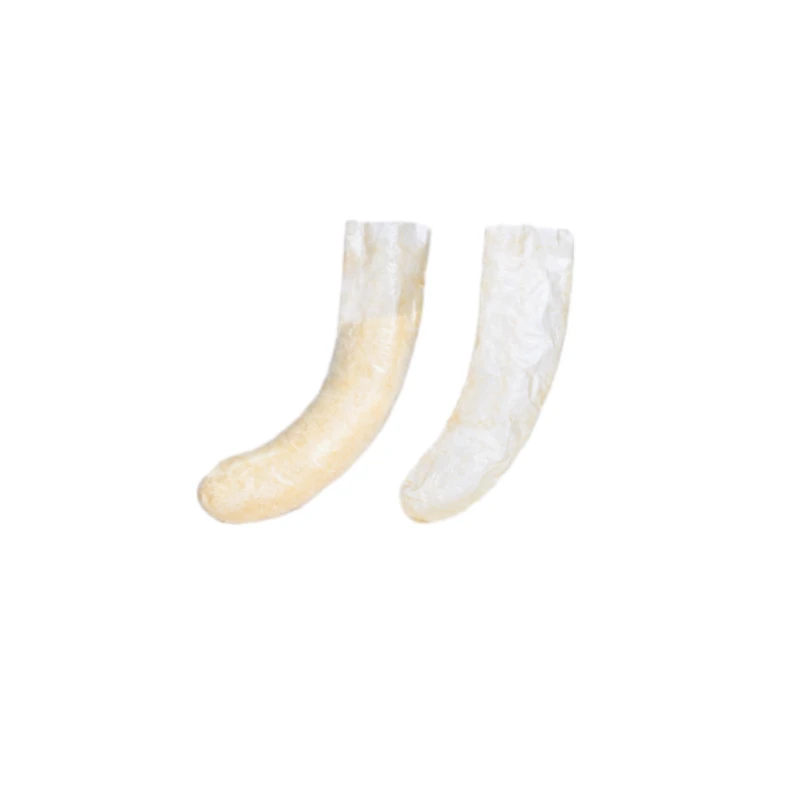
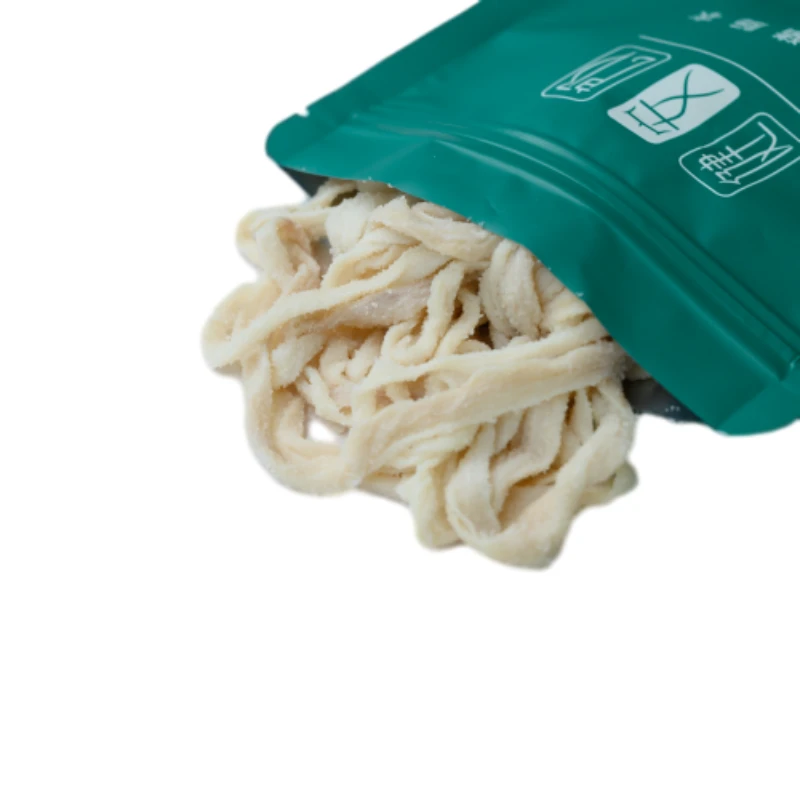
In simplest terms: lamb casing is the cleaned and prepared small intestine of lambs, specially processed to be used as a natural casing for sausages. It naturally encases the meat mixture, providing elasticity, a bite-worthy snap, and an edible shell, unlike plastic or collagen alternatives which might be less appealing to purists.
The use of lamb casing goes beyond just culinary art; it fits into contemporary humanitarian and industrial needs. For example, in many regions with limited refrigeration, lamb casings allow sausages to be preserved and transported with reduced spoilage.
Core Components and Key Factors
1. Elasticity and Durability
Lamb casings maintain excellent stretch without breaking. This means sausage makers can fill them firmly, achieving that sought-after bite without fear of splitting during cooking or transport.
2. Natural Flavor and Texture
Unlike synthetic materials, lamb casings subtly interact with the meat’s moisture and spice, enhancing juiciness and texture. It gives sausages a more authentic taste, appreciated especially in artisanal and ethnic sausages.
3. Size and Scalability
Lamb casings are typically around 16–22 mm in diameter, ideal for smaller or delicately flavored sausages — think breakfast links, frankfurters, or hot dogs. This size range allows producers to fine-tune portion control and presentation.
4. Cost Efficiency
While sometimes pricier than synthetic alternatives, the long-term value — due to customer preference and product quality — often outweighs initial costs. Plus, the natural biodegradability can reduce waste management expenses.
5. Compliance and Safety
Proper processing ensures FDA compliance and reduces microbial risks. Many suppliers now offer halal and kosher-certified lamb casings, making them accessible for diverse markets.
Mini Takeaway:
Lamb casing for sausage is not just a shell; it’s an essential ingredient delivering texture, flavor, and integrity while aligning with modern food safety and sustainability demands.
Real-World Uses Around the Globe
From small butcher shops in Bavaria to large-scale processors in South America, lamb casings have found their niche. In Italy, they’re preferred for traditional sausages like Cotechino. In the Middle East, they are a staple for making authentic merguez. Oddly enough, humanitarian organizations in disaster zones use natural casings when distributing preserved meats — they’re easier to handle than vacuum packs and can be cooked over open fires.
In remote industrial zones, where refrigeration is scarce, high-quality lamb casings help maintain food safety and extend shelf life for street vendors and mess halls. This natural solution is part of a broader push to use biodegradable materials in food packaging, reflecting global sustainability goals.
Advantages & Long-Term Value of Choosing Lamb Casings
- Sustainability: Biodegradable, renewable, and sourced from existing livestock production cycles.
- Consumer Trust: Customers willingly pay a premium for natural casing sausages, associating them with authenticity and quality.
- Food Safety: When correctly processed, lamb casings meet stringent safety standards, which is vital in global supply chains.
- Economic Uplift: Often sourced from small-scale farms, supporting rural economies and animal breeders.
- Emotional Connection: The bite and mouthfeel remind people of traditional, home-style cooking — an intangible but powerful selling point.
Mini Takeaway:
Choosing lamb casing goes beyond taste — it builds trust, supports communities, and aligns perfectly with today's eco-conscious market trends.
Emerging Trends & Innovations In Lamb Casing Production
The industry isn’t standing still. New processing methods are reducing water usage and chemical treatments to further greenify production. Automation is creeping into cleaning and packaging steps, raising throughput and consistency — something many artisans hope won't kill the “craft” feel but rather support it.
There’s also research into hybrid casings — combining lamb intestines with plant-based or collagen layers to maximize strength while enhancing sustainability. Digital tracking and blockchain certifications for sourcing also add transparency to an otherwise traditional supply chain.
Challenges & Practical Solutions
Despite these benefits, lamb casing for sausage isn’t without its challenges:
- Supply Variability: Seasonal and geographical dependence can cause shortages.
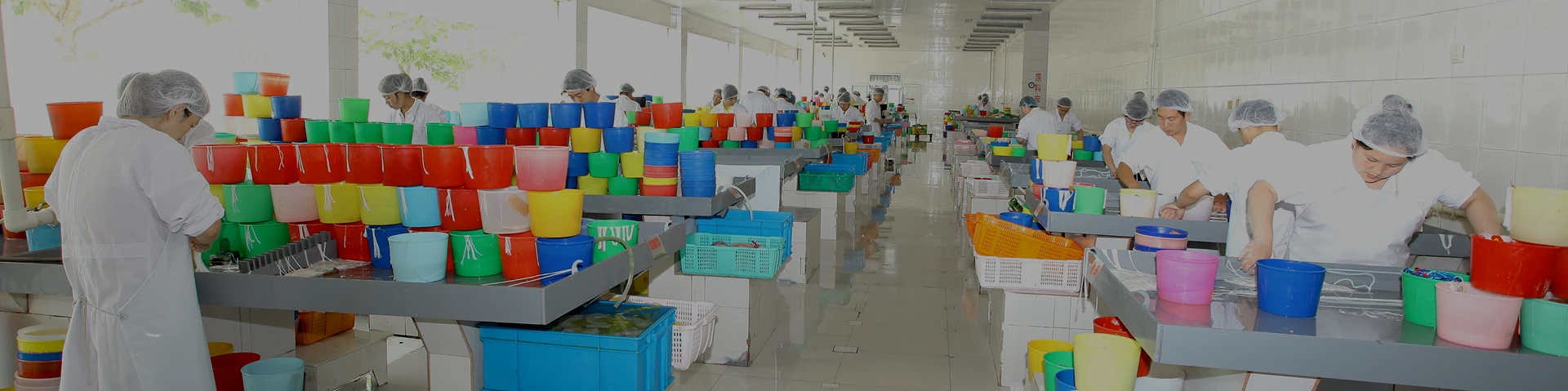
- Processing Complexity: Requires skilled handling and hygiene measures.
- Storage: Natural products need cold storage — not always feasible in remote areas.
Many producers address these hurdles by diversifying supplier networks, partnering directly with farmers, and investing in cold chain logistics. Some NGOs sponsor local processing workshops to build self-reliance in areas where casings are critical to local diets.
Product Specifications at a Glance
| Specification | Typical Range | Notes |
|---|---|---|
| Diameter | 16–22 mm | Ideal for small to medium sausages |
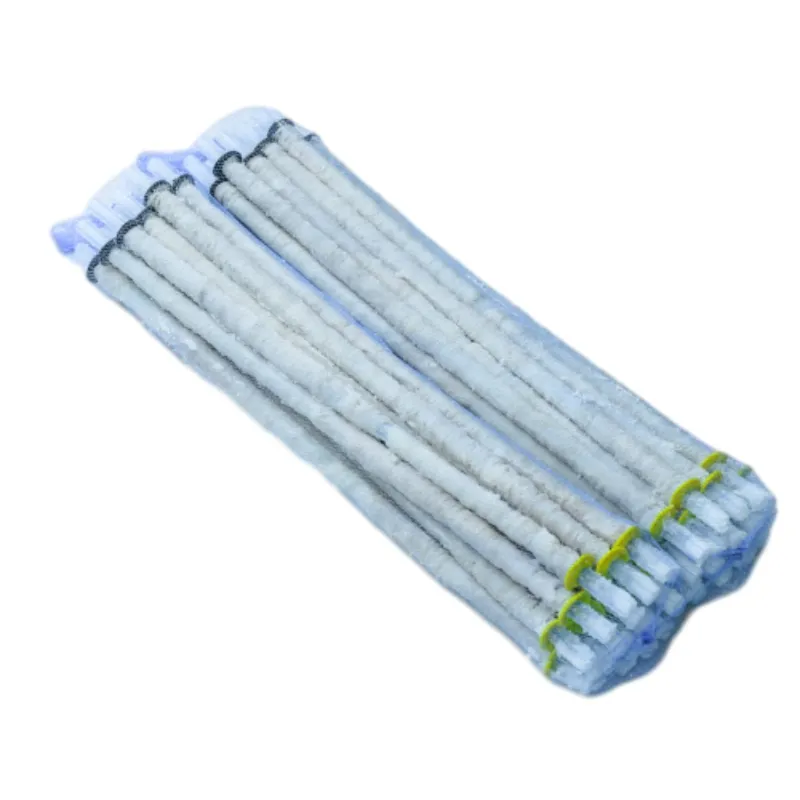
| Length per bundle | 50 meters | Standard for commercial use |
| Salt content | 12–16% | Preservation measure |
| pH value | 5.5–7.0 | Ensures freshness |
| Certification | Halal, Kosher, ISO | Market depending |
Vendor Comparison: Choosing the Right Supplier
| Vendor | Quality Grade | Processing Method | Lead Time | Price Range | Notes |
|---|---|---|---|---|---|
| Alfa Natural Casings | Premium | Traditional cleaning & salt curing | 2 weeks | $$$ | Known for consistency and Halal certifications |
| Beta Casing Co. | Standard | Automated cleaning & drying | 1 week | $$ | Competitive pricing but smaller size range |
| Gamma Intestines Ltd. | Artisanal | Hand-cleaned, no chemicals | 3 weeks | $$$+ | Niche market, ideal for artisans |
Frequently Asked Questions About Lamb Casing for Sausage
Q1: What makes lamb casing superior to synthetic sausage casings?
A1: Lamb casings provide an authentic texture and natural "snap" that synthetics lack. They are biodegradable and tend to enhance the overall flavor profile due to their natural permeability and moisture retention. This quality is nearly impossible to replicate in artificial casings, which can feel plastic or rubbery.
Q2: How do I store lamb casings to ensure freshness?
A2: Unused lamb casings should be kept refrigerated, ideally between 4–7°C (39–45°F), and stored in salted brine or vacuum-packed to prevent drying out. For longer storage, freezing is possible but may slightly affect texture. Always rinse and soak casings before use to restore flexibility.
Q3: Are lamb casings suitable for halal and kosher diets?
A3: Absolutely. Many lamb casings on the market come with halal and kosher certification to accommodate religious dietary laws. Always check with your vendor and request certification documentation to ensure compliance.
Q4: Can lamb casing sausage be used in industrial scale production?
A4: Yes, lamb casings are commonly used in industrial settings, especially for smaller diameter sausages. Some processors use automated stuffing machines compatible with lamb casings, balancing traditional quality with modern efficiency.
Conclusion: Why Lamb Casing for Sausage Still Holds Its Ground
In a world buzzing with synthetic alternatives and technology-driven food solutions, lamb casing for sausage remains a humble, essential element bridging tradition and modern industry. With benefits ranging from natural texture and flavor to sustainability and cultural relevance, it’s more than just a “skin” — it’s the quiet foundation of quality sausage production worldwide.
If you’re looking to step up your sausage game or require dependable, certified natural casings, don’t hesitate to explore options at lamb casing for sausage. The difference in your product and customer satisfaction might just surprise you.
Final Note
Understanding lamb casings isn’t just about food tech; it’s about appreciating a natural craft that meets global needs — from daily meals to humanitarian missions. Next time you bite into a perfectly snapped sausage, remember the small intestine doing big work behind the scenes.