Nov . 16, 2026 01:23
Summary
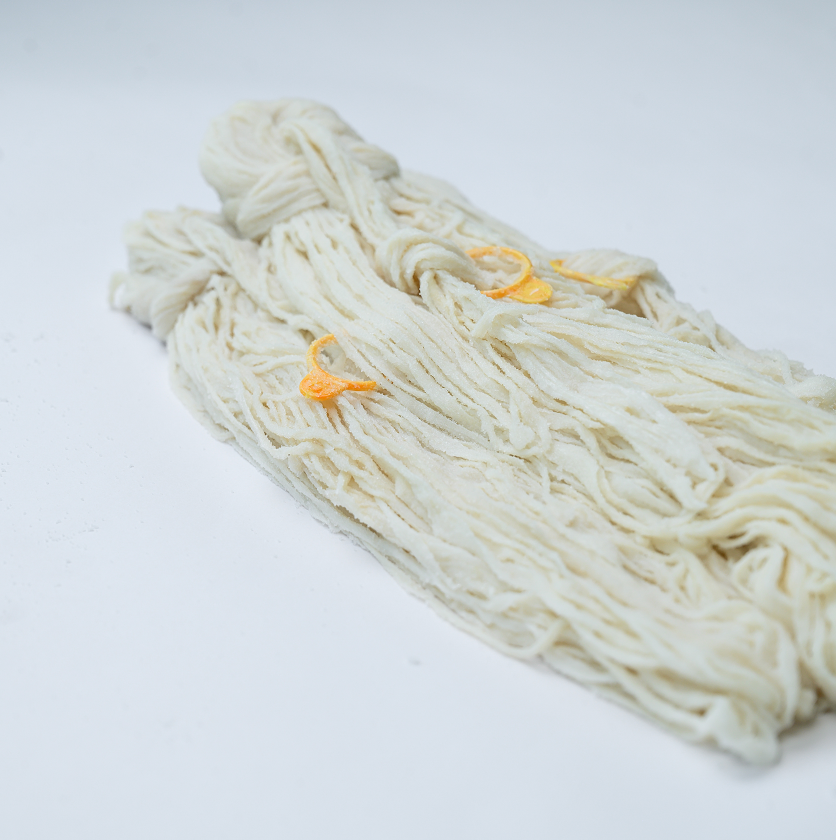
Salted hog casings should be matched to sausage diameter, filling method, and smoking needs before you commit to a bulk shipment. Check the 28mm to 48mm+ size range, 90-meter hank length, 150-hank cask packing, salt-preservation process, and natural casing performance. Then use a sample, packing review, and written quote questions to compare suppliers on a like-for-like basis.

Start with the sausage diameter and process
The casing diameter should match the finished sausage you plan to fill. Our salted hog casings are available from 28mm to 48mm+, with practical groupings for different products:
| Casing size | Typical use | What to confirm before ordering |
|---|---|---|
| 28-32mm | Breakfast sausages and hot dogs | Finished diameter, stuffing horn, and recipe target |
| 32-35mm | Bratwurst and Italian sausages | Target fill size and the required appearance after cooking |
| 38-42mm+ | Summer sausage and salami | Product diameter, curing process, and stuffing equipment |
The size range gives you a starting point, but the final choice should follow your recipe and filling setup. Ask for the supplier's grading method and the expected diameter consistency within each shipment. A buyer who orders by sausage name alone may receive a casing that does not suit the horn, filling pressure, or finished presentation.
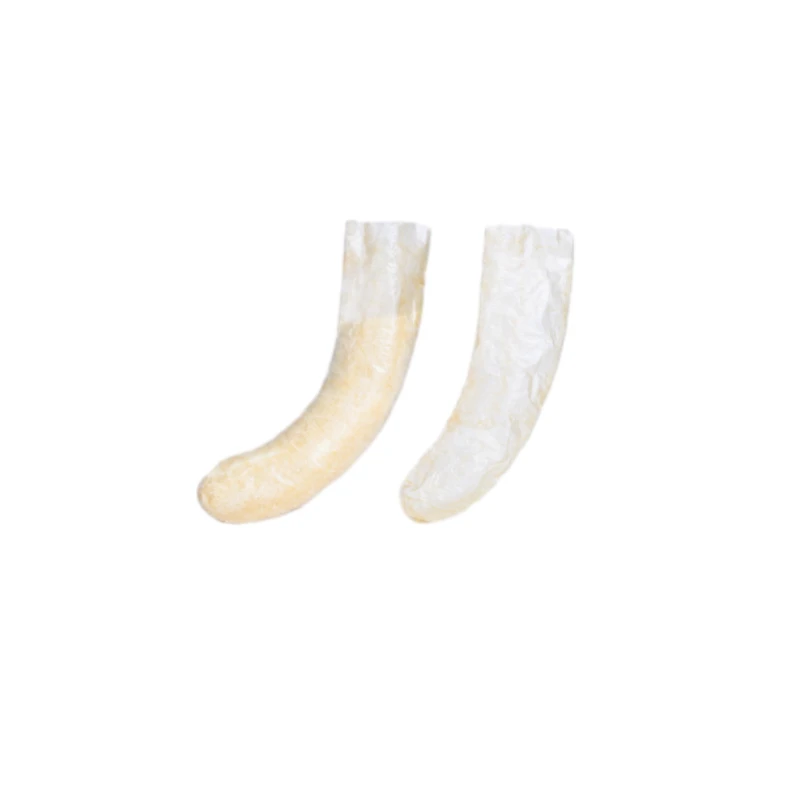
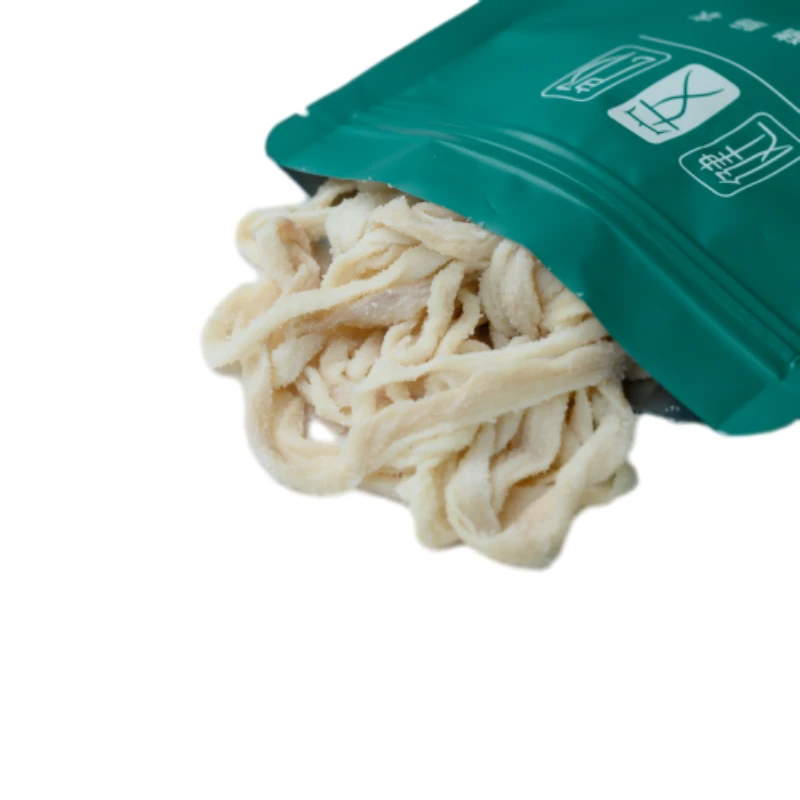
The material is natural animal intestine and the processing method is salted preservation. That combination suits fresh and smoked sausages where a natural casing, traditional texture, and visible snap are part of the product specification. If you sell several sausage styles, separate the required diameters by SKU instead of treating the full range as interchangeable.
Approve the casing by sausage diameter and production trial, not by product name alone. Request MOQ, lead time, capacity, price basis, payment terms, quotation validity, sample terms, shipment conditions, and destination requirements in the quote request because these commercial details must be agreed for your order. Reconcile 90-meter hanks and 150-hank casks with the quotation and packing list. Retain the accepted sample and use the same checks for repeat lots.
Check casing performance with a sample
A pre-order sample should be evaluated under the same preparation and stuffing conditions used in production. Check the casing's appearance, elasticity, continuity, and behavior as it is prepared. During filling, record breakage, stretching, slipping on the horn, and any variation that changes the finished sausage size.
Salted hog casings are more robust than sheep casings, which is relevant when your line uses mechanical stuffing or handles larger sausage formats. Strength still needs to be checked against your own filling pressure and recipe. Use a representative sample, including the diameter you expect to buy, and retain a sample from the accepted lot for receiving inspection.
Permeability is another production check. These casings allow smoke and moisture to penetrate during cooking or smoking. Confirm that the sample gives the color, surface, and moisture movement your process requires. For fresh sausage, focus on filling behavior and texture. For smoked or cured products, include the complete smoke or curing step in the trial instead of approving the casing from a dry visual inspection.
The natural casing also contributes a slightly chewy mouthfeel and a satisfying snap. Have your product team assess the cooked result after the normal preparation process. Record the result by diameter and recipe, because a casing that works well for a medium bratwurst may not be the right choice for a larger salami.
Before you approve the sample
Review the packing unit and shipment handling
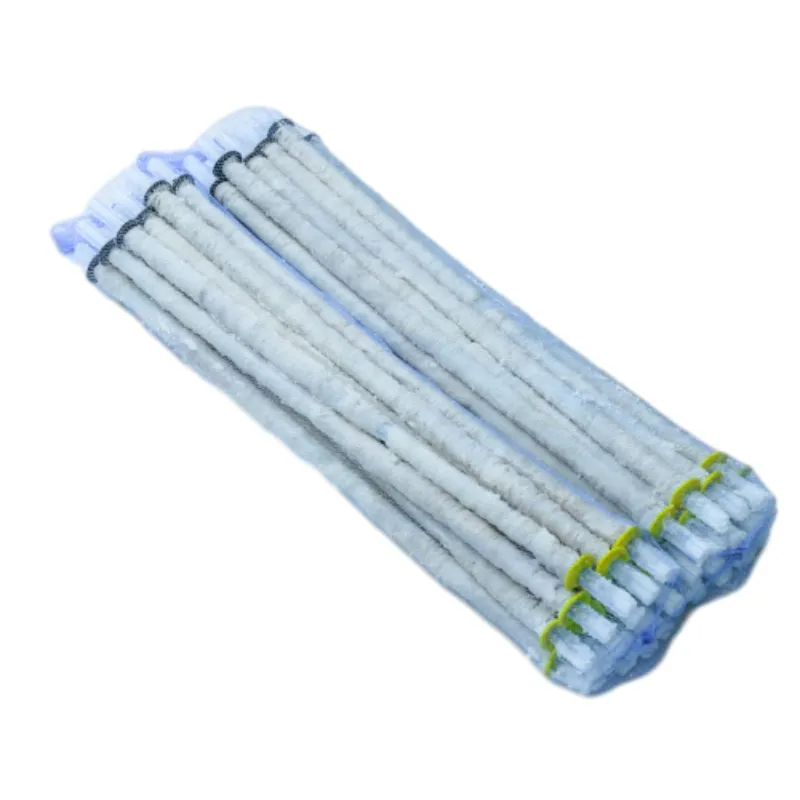
The packing unit is 150 hanks per cask, and each hank is 90 meters. Use those quantities to reconcile the supplier's quotation, packing list, and receiving plan. The cask and hank counts should be clear enough for your warehouse team to identify what was ordered, what arrived, and which diameter belongs to each unit.
| Packing point | Quantity or format | Receiving check |
|---|---|---|
| Length per hank | 90 meters | Match the ordered hank specification and packing list |
| Hanks per cask | 150 hanks | Count or reconcile the cask quantity on receipt |
| Outer packing | Cask or bulk packing | Confirm cask marks, diameter, lot, and handling labels |
Ask for photographs or a packing description before the order is released. Confirm whether different diameters are packed separately, how lot identification appears on the cask, and what information is printed on the shipping marks. These details reduce sorting time when several casing sizes arrive together.
Shipping arrangements should protect the salted casings during transit. Ask the supplier to state the proposed transport and storage conditions, the shipping point, and the handoff responsibility in the quotation. Temperature-controlled shipping and storage management are part of the casing logistics, so make those conditions explicit in the order documents and check that the carrier instructions match your receiving facility.
Clarify quantity, timing, and quote terms
Your inquiry should ask for the supplier's MOQ, available diameters, lead time from order confirmation, production capacity for the requested mix, price basis, payment terms, and quotation validity. Do not compare a cask price with a hank price without converting both offers to the same packing basis.
State the intended diameter, hank or cask quantity, destination, required arrival window, and whether you need one diameter or a mixed order. Ask how the supplier treats partial casks, lot splits, sample charges, and changes to the diameter mix. Request the planned production date and shipping date separately, because they answer different scheduling questions.
For recurring supply, ask how the supplier controls diameter sorting and batch identification. A consistent receiving routine should compare the delivered cask count, hank count, diameter marking, lot number, and sample condition with the accepted quotation. Keep the accepted sample and agreed packing description with the purchase order.
Request the right documents
Request a product specification sheet for the selected casing and a lot or batch identification record linking the shipped casks to the supplier's production and sorting records. These documents give your quality team a reference for incoming inspection.
For shipment preparation, request a commercial invoice, packing list, and shipping marks before dispatch. The packing list should identify the number of casks, hanks per cask, diameter by package, gross and net weights if used for the shipment, and lot references. Ask for any food-grade, traceability, export, or destination-market certificates required for your receiving country, but approve only the documents that match your regulatory and customer requirements.
A sample report or pre-shipment inspection report can help your team compare the delivered lot with the accepted sample. Ask the supplier to identify the inspection method and the lot covered. If your process depends on smoke penetration, stuffing strength, or preparation guidance, request the supplier's handling and soaking instructions for the selected diameter.
Evaluate the supplier's response
A suitable supplier should answer the product questions in measurable terms and keep the commercial offer consistent with the physical packing unit. Compare suppliers on the same diameter, hank length, cask quantity, sample result, packing method, shipping condition, and document set. A lower quoted unit price is difficult to evaluate if the supplier has changed the hank length, mixed diameters, or excluded shipment-related requirements.
Check whether the supplier can identify the source lot, explain its cleaning and salting process, and show how it sorts by diameter. Ask who handles quality approval, how a nonconforming lot is recorded, and what information will appear on the packing list. The supplier's ability to connect the sample, production lot, cask marks, and shipment documents is important for repeat purchasing.
For a first order, make the sample approval part of the purchasing record. For repeat orders, compare the new lot with the retained sample and use the same receiving checks. If you need fresh, smoked, or cured sausage casings across several product lines, ask for separate recommendations by diameter and application instead of accepting one general size statement.
Documents to prepare
Questions to settle before release
Is 28-32mm suitable for breakfast sausages?
Yes, 28-32mm is the small size for breakfast sausages and hot dogs. Confirm the finished diameter required by your recipe and the fit with your stuffing horn before ordering. Use the sample to check whether the casing fills evenly and gives the intended cooked appearance. Keep the size on the purchase order so it is not confused with the medium 32-35mm range.
Which size fits bratwurst and Italian sausages?
The medium 32-35mm range is intended for bratwurst and Italian sausages. Confirm the target diameter after cooking, because filling pressure and recipe behavior affect the final result. Ask the supplier to identify this range on the sample, quotation, cask marks, and packing list. Approve the casing after a production-style stuffing trial, not from the diameter label alone.
How should a smoked sausage sample be assessed?
Run the sample through your normal preparation, stuffing, and smoking process. Check smoke and moisture penetration, surface color, breakage during stuffing, and the cooked texture. The casing allows smoke and moisture to pass through, so the trial should include the actual smoke step. Record the result against the selected diameter and retain the accepted sample for lot comparison.
What quantity should one cask represent?
The packing configuration is 150 hanks per cask, with 90 meters per hank. Ask the supplier to repeat these quantities in the quotation and packing list, then confirm how many casks your order requires. If you need a mixed-diameter shipment, ask whether each diameter is packed in separate casks and how partial quantities are identified.
Put the selected details into the order
Our salted hog casings fit buyers who need natural casings for fresh, smoked, or traditional sausage products and can select the diameter by recipe. Before requesting a firm offer, send the intended sausage types, selected diameter, packing basis, destination, sample requirements, and requested arrival window so we can quote the same configuration you plan to receive.

About the author
The company
RUNTAI (HEBEI)CASING CO.,LTD.
Runtai(hebei) casings co., ltd established in july 2003, which is specializing in processing sausage casings mainly for export. We are the member of international natural sausage casings assotiation. we are appointed to import and export casings and got qualification of processing overseas casings as the designated factory. It is located in the west of shunping county, near to the baofu road to the west.…
About Us ↗Visit company website ↗