Dec . 02, 2025 18:34
Understanding High Quality Pork Casing: Why It Matters Worldwide
When you think about the humble sausage casing, most folks probably don’t consider its global importance. Yet, high quality pork casing quietly carries one of the oldest food traditions and plays a surprisingly vital role in supporting food industries across continents. From small artisanal butchers in Europe to large industrial meat processors in Asia and the Americas, reliable casing means safe, uniform, and appealing sausage products. On a global scale, ensuring consistent, sustainable pork casing quality affects food security, trade, and even cultural identity. Beyond taste and tradition, understanding these natural casings helps improve processing efficiency and meets the demands of modern consumers who want clean-label, natural products.
Oddly enough, a sausage casing isn’t just a sheath — it’s a delicate balance of food science, hygiene, and supply chain precision, and grasping its nuances is key to making superior products.
The Global Context of High Quality Pork Casing
Globally, the demand for natural casings remains robust despite synthetic alternatives. According to the Food and Agriculture Organization (FAO), the natural casing market grows steadily with increased meat consumption and export activities, especially in regions like Europe, North America, and parts of Asia. In 2023, the world produced roughly 1.1 million tons of pork globally, a good chunk of which generates natural casings as by-products for value-added uses.
Yet, the industry grapples with challenges: inconsistent casing quality, supply chain disruptions from animal diseases (like African Swine Fever), and environmental pressures to reduce waste and chemical processing. These issues have sparked heightened interest in quality assurance and sustainable sourcing.
High quality pork casing helps solve these challenges by offering superior durability, hygiene, and usability — thus, keeping sausage producers competitive and consumers confident.
What Exactly Is High Quality Pork Casing?
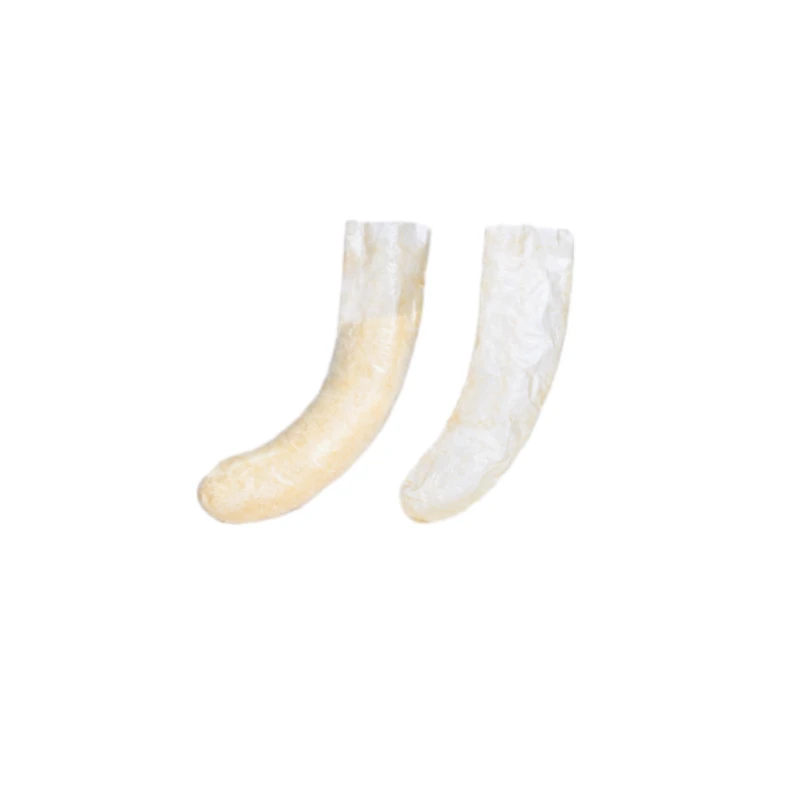
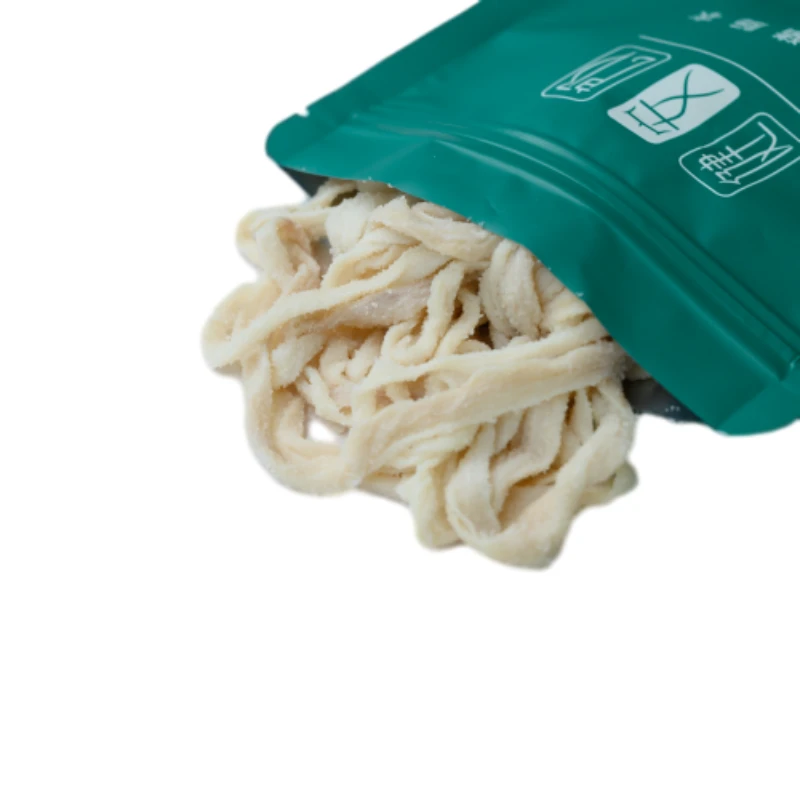
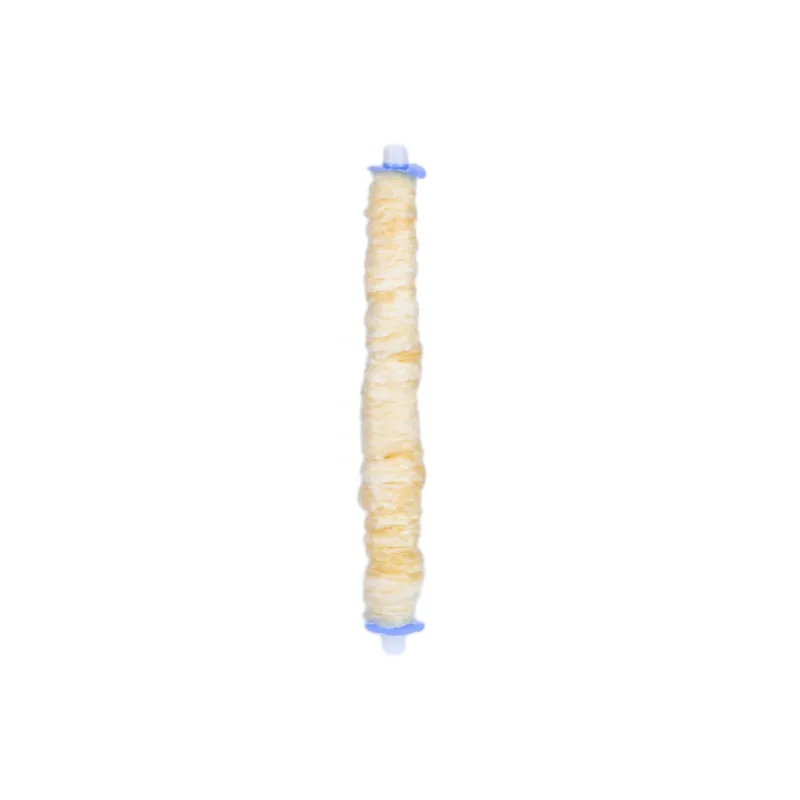
Put simply, pork casing is the cleaned small intestine of a pig used traditionally as a natural sausage casing. High quality pork casing refers to casings that have been carefully selected, cleaned, and preserved to meet strict parameters of thickness, elasticity, cleanliness, and strength.
In industrial terms, these casings contribute to product consistency — ensuring sausages keep their shape during smoking, cooking, or drying without bursting or becoming too tough. On a humanitarian or food security front, dependable casings support nutritious food availability, especially in regions where industrial packaging options are limited.
Core Elements Defining High Quality Pork Casings
1. Durability & Elasticity
Many sausage makers say that the casing’s ability to stretch and hold together under pressure is paramount. Tough but flexible casings allow more stuffing without rupturing, improving yield and appearance.
2. Cleanliness & Hygiene
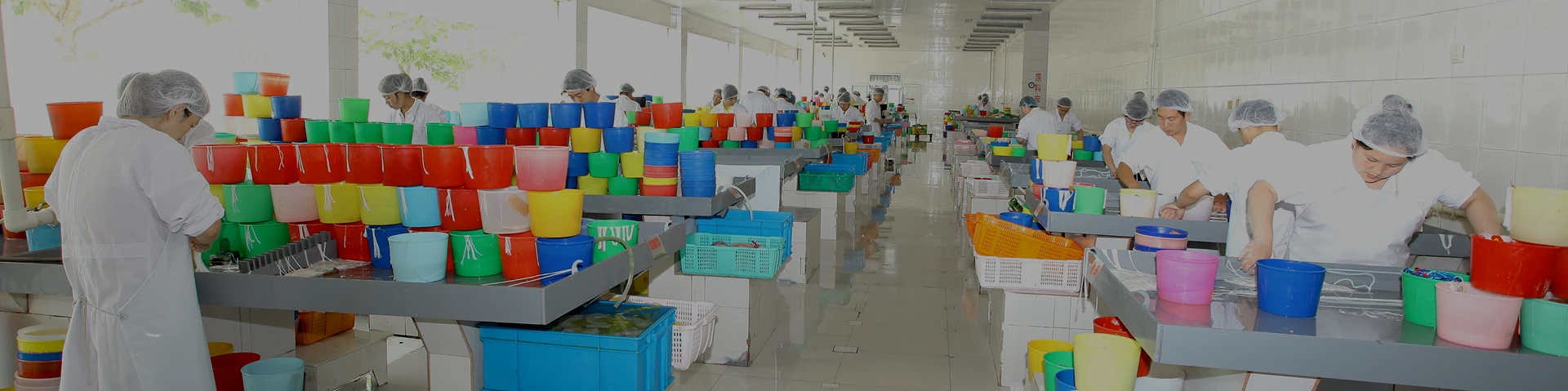
Since these casings come from animal intestines, rigorous cleaning and sterilization are essentials to avoid contamination. Modern high quality casings go through multiple washings and treatments to meet ISO hygiene standards.
3. Uniform Thickness
Variations in thickness can cause uneven cooking and texture. Vendors of high quality pork casing invest in sorting and grading to ensure consistency — a must-have for large scale processors.
4. Preservation & Shelf Life
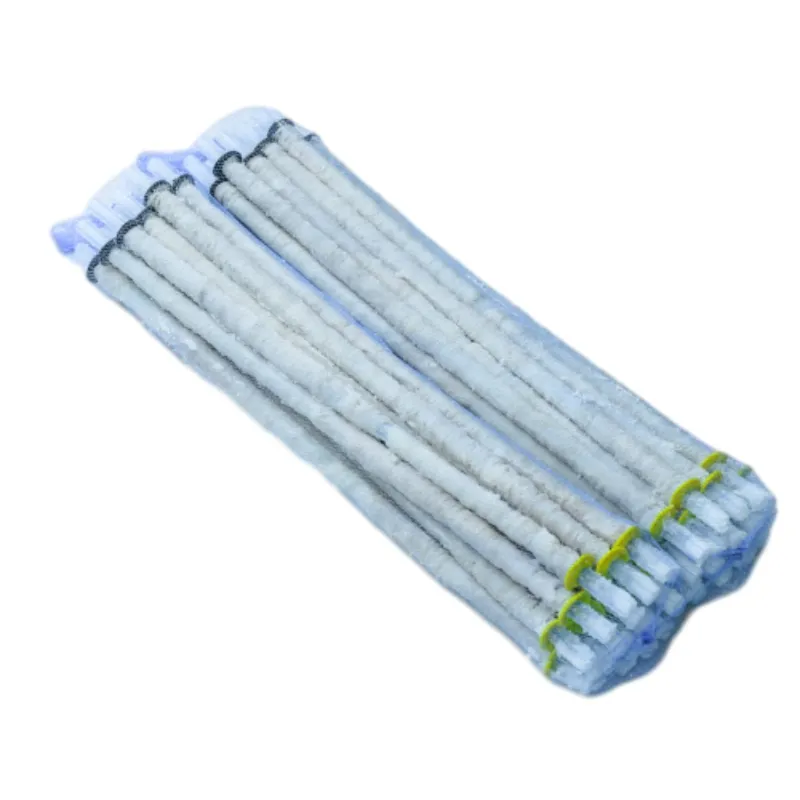
Proper salting and drying techniques preserve casings without compromising their properties. This extends usability and shipping logistics — critical for exporters.
5. Traceability & Sustainability
Increasingly, buyers want transparency on sources and environmental impact. Sustainable sourcing and full traceability align with consumer demands and regulatory frameworks.
Applications of High Quality Pork Casings Around the World
The use of pork casing spans caste and class—regions with deep culinary traditions to fast-growing meat industries. Here are some notable contexts:
- Europe: Traditional sausages like bratwurst and chorizo remain top sellers, driving demand for premium casings.
- North America: Both artisanal and industrial producers use casings, often emphasizing natural and clean-label advantages.
- Asia: Large-scale meat processors rely on casings to meet rising protein demands and export standards.
- Humanitarian Aid: Organizations use natural casings in food kits during disaster relief to provide high energy and culturally sensitive foods.
- Specialty Foods: Casings enable production of niche products like dry-cured meats and fermented sausages.
In fact, in many remote or developing areas, natural pork casings remain one of the most accessible and affordable ways to package meat, preserving both flavor and safety.
Advantages and Lasting Value of Superior Pork Casings
Why fuss over pork casings at all? Besides tradition, here are some standout benefits:
- Cost Efficiency: Stronger casings reduce waste from bursting and improve throughput.
- Sustainability: Using natural, biodegradable casings reduces plastic usage and environmental footprint.
- Product Integrity: Maintains sausage shape and texture, enhancing consumer trust in the product.
- Safety & Hygiene: Minimizes contamination risks with controlled processing.
- Social Impact: Supports rural economies engaged in casing preparation and trading.
Future Trends and Innovations in Pork Casing Production
Though it seems like an old-school product, pork casings are steadily catching up with high tech.
- Automation: New machinery improves sorting and cleaning efficiency.
- Green Processing: Chemical-free sterilization and biodegradable packaging address sustainability goals.
- Digital Traceability: Blockchain and RFID tags let buyers verify origin and quality.
- Material Research: Hybrid casings combining natural and synthetic fibers aim to optimize performance.
Common Challenges & Solutions with Natural Casings
Natural casings are wonderful but not without quirks. Quality can vary due to animal feed, age, and regional processing differences. Also, storage conditions dramatically affect shelf life.
Experts recommend investing in supplier relationships emphasizing certification and consistency. Innovations like computerized grading and quick shipment mitigate freshness issues. Lastly, alternatives like collagen or cellulose casings are sometimes needed but come with their own trade-offs.
Technical Specifications of Typical High Quality Pork Casings
| Specification | Typical Range | Notes |
|---|---|---|
| Diameter | 22–28 mm | Suited for medium sausages |
| Wall Thickness | 0.15–0.20 mm | Ensures uniform cooking |
| pH Level | 4.8 – 5.2 | After processing |
| Salt Content | ≥ 18% | For preservation |
| Moisture | ≤ 20% | Avoids spoilage |
Comparing Leading Suppliers of High Quality Pork Casings
| Supplier | Processing Method | Quality Certification | Geographical Reach | Sustainability Focus |
|---|---|---|---|---|
| PorkPrime Casing | Automated cleaning & grading | ISO 22000, HACCP | Europe, Asia | Eco-friendly salt use |
| EuroCasing Ltd. | Traditional manual cleaning + tech inspection | BRC Global Standard | Europe, North America | Carbon footprint monitoring |
| AsianCasing Co. | Semi-automated with chemical-free sterilization | ISO 9001, HALAL | Asia Pacific | Sustainable sourcing advocates |
Frequently Asked Questions About High Quality Pork Casings
Q1: What makes high quality pork casing better than synthetic alternatives?
Natural pork casings offer unmatched texture and cooking properties that synthetic casings can't replicate. They’re edible, biodegradable, and typically preferred in traditional sausage recipes for authentic taste. Many professionals trust natural casings for their elasticity and permeability, which affect smoking and drying. However, synthetic options may be chosen for consistency or allergen concerns.
Q2: How should I store high quality pork casing to maintain freshness?
Proper storage is key: keep salted casings refrigerated at 0–4°C and avoid excessive moisture that can lead to mold. If long-term storage is needed, frozen casings are an option but may affect texture slightly. Always rinse thoroughly before use. Following supplier instructions can extend shelf life up to 12 months in ideal conditions.
Q3: Can high quality pork casings be used for all sausage types?
Generally, yes. Their elastic nature suits a wide range of applications from fresh sausages to dry-cured products. However, different sausage types may require casings of specific thickness or diameter, so it’s important to select casings tailored to the product.
Q4: Are ethically sourced pork casings available?
Yes, many suppliers now prioritize traceability back to farms following animal welfare standards. Certifications like HALAL or organic can ensure ethical sourcing while maintaining natural casing quality. Consumers’ growing awareness pushes the market towards more responsible practices.
Q5: How do industry players handle supply chain disruptions for casings?
Combining local sourcing, diverse supplier networks, and cold storage helps mitigate risks. Some manufacturers stockpile casings during stable periods; others innovate with alternative casings or blends to stay flexible. Digital tracking systems further enhance timely logistics.
Conclusion: The Lasting Value of Choosing High Quality Pork Casings
At the end of the day, investing in high quality pork casing translates to better products, happier customers, and smoother operations. It’s not just a sheath but a vital ingredient that shapes the aroma, texture, and safety of countless beloved foods worldwide. As markets grow more discerning and sustainable sourcing gains importance, the value of top-tier natural casings stands to rise even further.
For producers seeking both tradition and innovation wrapped up in one, high quality pork casing remains the natural choice — secure supply, premium performance, and a nod to centuries of culinary heritage.
Ready to upgrade your product’s foundation? Visit our website for trusted high quality pork casing solutions and expert support.
References:
1. Food and Agriculture Organization of the United Nations (FAO). Global Meat Production Data. fao.org
2. ISO 22000: Food safety management systems — Requirements for any organization in the food chain.
3. BRC Global Standards for Food Safety.