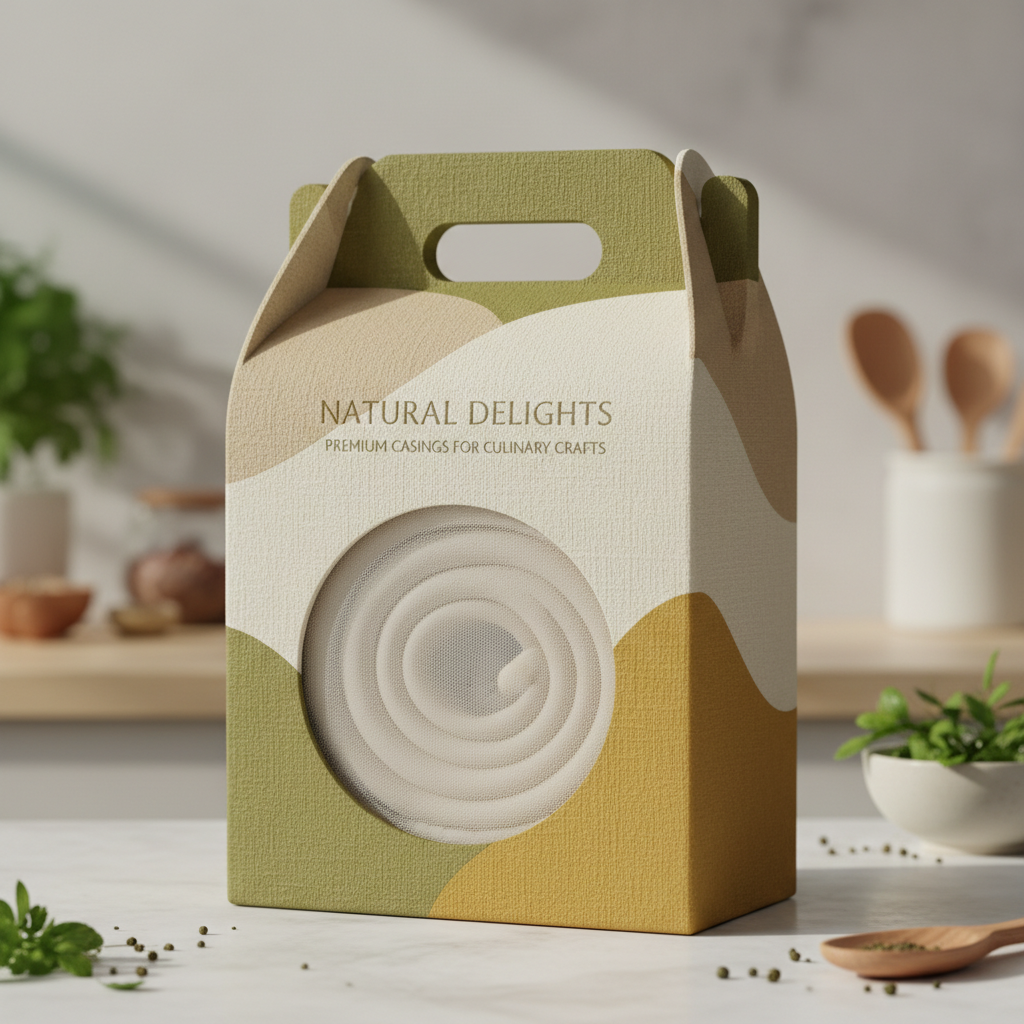
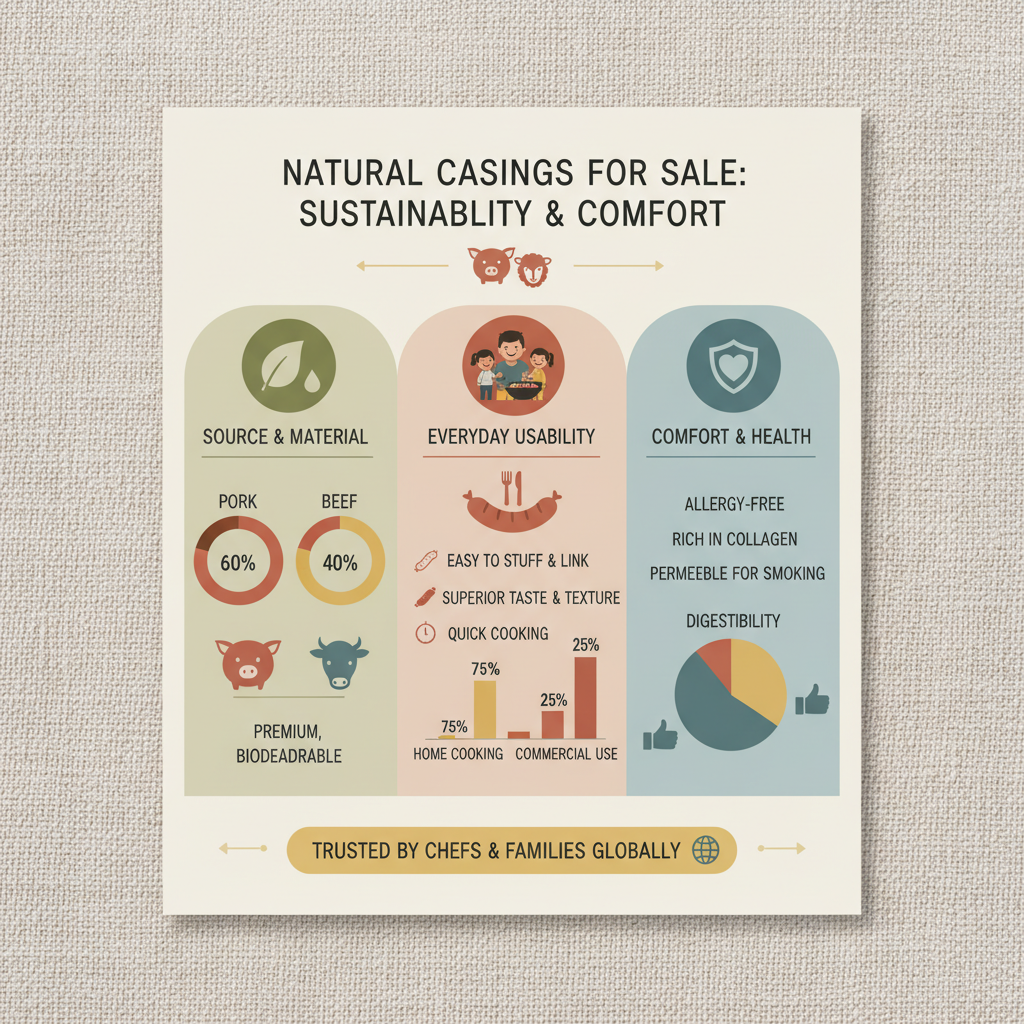
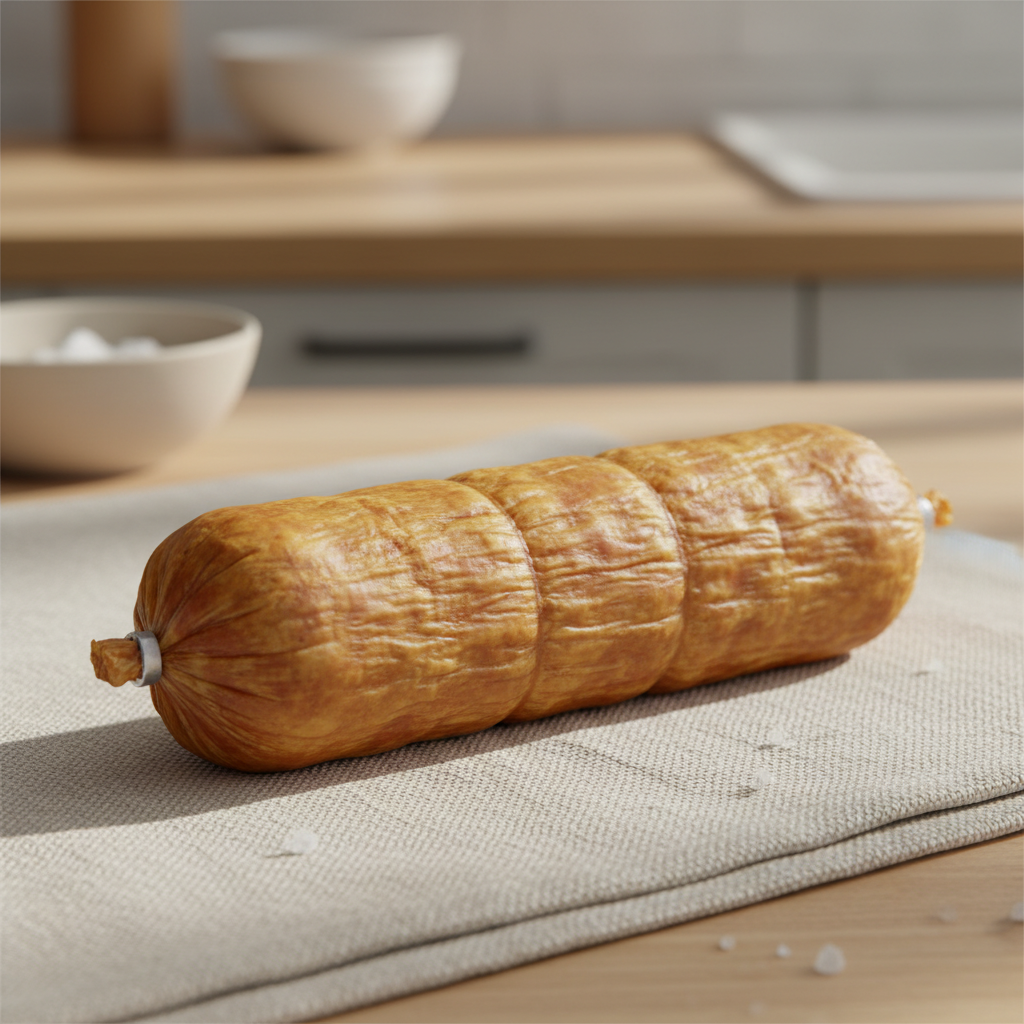
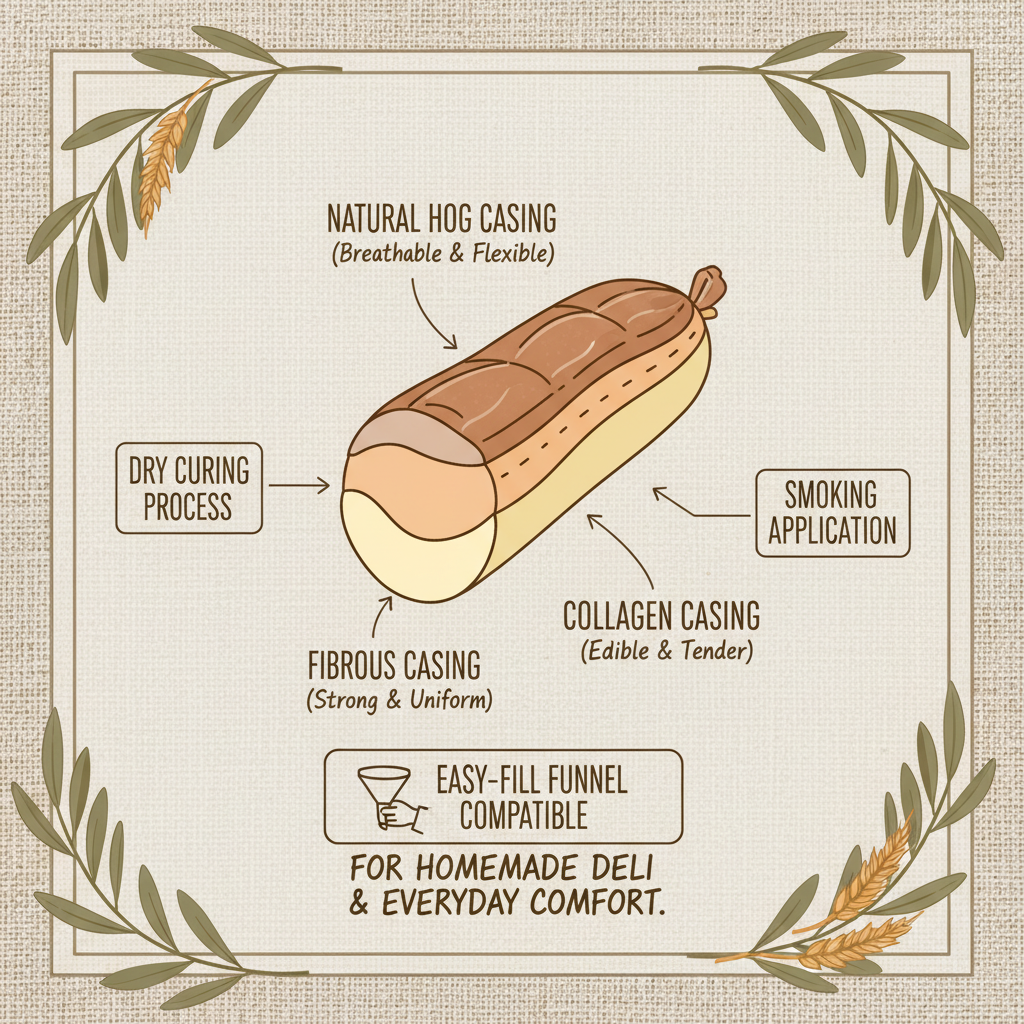
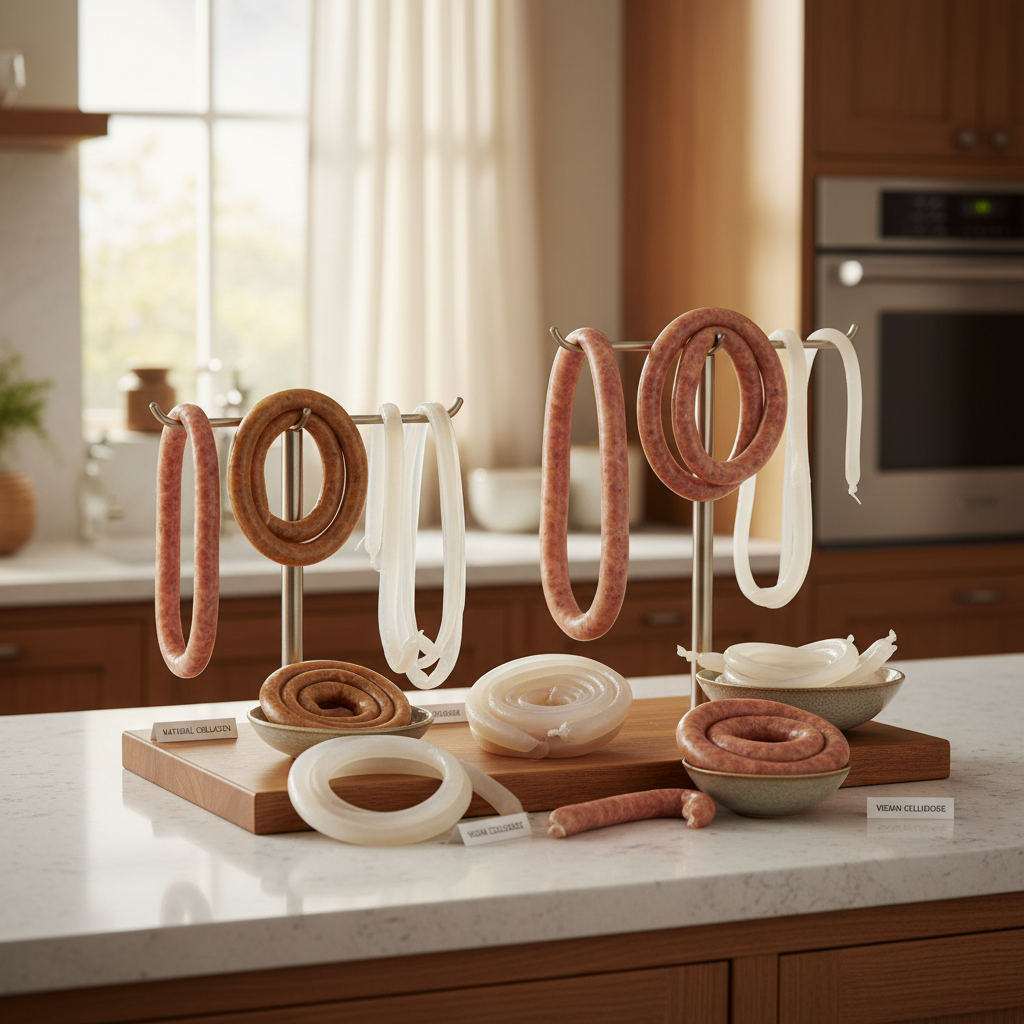
Natural casings, traditionally derived from the intestinal linings of animals, represent a cornerstone of the sausage-making industry and beyond. Their unique properties—breathability, natural flavor contribution, and snap texture—have made them a favored choice for centuries. Understanding the sourcing, processing, and applications of natural casings for sale is crucial for food producers aiming for premium quality and authenticity. The global market for these casings is substantial, driven by consumer demand for traditional food products and specialized sausage varieties.
The relevance of natural casings extends beyond culinary applications, impacting cultural traditions and economic livelihoods worldwide. From Europe’s artisanal sausage culture to the thriving meat industries in North and South America, natural casings play a vital role. The United Nations Industrial Development Organization (UNIDO) highlights the importance of sustainable food processing techniques, and responsible sourcing of materials like natural casings aligns with this goal. The challenge lies in maintaining quality, traceability, and ethical production standards amidst growing global demand.
In an age dominated by synthetic alternatives, the demand for genuine, natural ingredients is increasing. This resurgence is fueled by health-conscious consumers and a desire to reconnect with traditional food production methods. Natural casings for sale aren't simply a product; they represent a link to culinary heritage and a commitment to natural food practices. They are a vital component in delivering a unique sensory experience that synthetic casings struggle to replicate.
The Significance of Natural Casings
The importance of natural casings stretches back centuries, intrinsically linked to the art of sausage making. They offer a unique combination of qualities – permeability to smoke, a distinct "snap" when bitten, and a natural flavor profile – that synthetic casings struggle to match. The availability of natural casings for sale is a critical factor for businesses specializing in authentic, high-quality meat products.
Beyond their functional benefits, natural casings carry cultural significance. In many regions, specific sausage varieties are defined by the type of casing used, representing a time-honored culinary tradition. Maintaining access to these traditional materials is vital for preserving these cultural heritage practices and supporting local economies.
Defining Natural Casings
Natural casings are the outer membranes of animal intestines – typically from pigs, sheep, or cattle – carefully processed for use as sausage casings. They are composed primarily of collagen, a protein that provides strength and elasticity. The process involves cleaning, desalting, and sometimes grading based on size and quality. Unlike synthetic casings made from collagen, cellulose, or plastics, natural casings are a completely natural product.
Their connection to modern industry stems from the ongoing demand for high-quality, traditionally-made sausages. While modern food production often prioritizes efficiency and cost-effectiveness, a significant segment of the market continues to value the superior characteristics of natural casings. This drives a continuous need for natural casings for sale.
This product isn’t merely a container for meat; it's an integral component of the final product, contributing significantly to its texture, flavor, and overall eating experience. They also align with a growing consumer trend toward natural and unprocessed foods, representing a return to traditional foodways.
Core Properties of Natural Casings
One of the key properties of natural casings is their permeability. This allows smoke to penetrate during the smoking process, imparting a distinctive flavor and color to the sausage. Synthetic casings often lack this permeability, resulting in a different flavor profile. Quality natural casings for sale are specifically chosen for their ability to impart these desirable qualities.
Durability is another crucial factor. Natural casings are surprisingly strong and resilient, capable of withstanding the rigors of stuffing, cooking, and handling. They also offer excellent elasticity, allowing the sausage to expand during cooking without bursting. This inherent strength contributes to the overall yield and reduces product waste.
The “snap” – the audible tearing sound when a sausage is bitten into – is a highly prized characteristic, largely attributable to the unique structure of natural casings. This textural element is a key indicator of quality and craftsmanship. Consumers often associate this “snap” with a superior sausage-making process, driving the demand for genuine materials.
Global Applications & Industry Impact
The applications of natural casings are widespread, encompassing a diverse range of sausage varieties across the globe. In Germany, they are essential for traditional Bratwurst and Weisswurst. In Italy, they are favored for Salsiccia and other regional sausages. Spain relies on them for Chorizo, while many Eastern European countries utilize them extensively in their kielbasa and other smoked sausages.
The impact on the meat industry is significant. Regions with established sausage-making traditions, like those in Europe, have a consistent demand for natural casings for sale. Beyond these traditional markets, growing interest in artisanal and gourmet foods in North America and Asia is also driving demand.
Even in post-disaster relief operations, the shelf-stability of properly processed sausages made with natural casings can be a valuable asset. In remote industrial zones, where access to refrigeration may be limited, these sausages provide a relatively safe and nutritious food source.
Natural Casing Usage by Sausage Type
Advantages & Long-Term Value Proposition
The advantages of using natural casings are multi-faceted. Cost-effectively, while the initial price might be slightly higher than synthetic options, the reduced risk of casing failure during production—resulting in less product waste—often translates to lower overall costs. Sustainability is also a key benefit, as natural casings are a biodegradable byproduct of the meat processing industry.
Beyond the tangible benefits, natural casings enhance brand reputation. Utilizing natural ingredients conveys a commitment to quality, authenticity, and traditional values, fostering consumer trust and loyalty. The unique sensory experience – the snap, the smoke permeation, the natural flavor – creates a product that stands out in a crowded marketplace.
Future Trends & Innovations in Casings
Innovations in processing and preservation techniques are extending the shelf life and improving the consistency of natural casings. Research is focused on developing more efficient cleaning and grading methods, as well as new packaging solutions to maintain quality during transport and storage.
The rise of traceability technologies, such as blockchain, is playing an increasingly important role in ensuring the ethical and sustainable sourcing of natural casings for sale. Consumers are demanding greater transparency in the supply chain, and these technologies enable producers to demonstrate their commitment to responsible practices.
Challenges & Sustainable Solutions
A primary challenge is maintaining a consistent supply of high-quality natural casings, as availability can be affected by factors such as animal populations and processing capacity. Ensuring animal welfare and ethical sourcing are also paramount concerns.
Sustainable solutions involve strengthening relationships with suppliers, investing in improved processing infrastructure, and promoting responsible animal husbandry practices. Developing alternative sourcing options, while maintaining the unique properties of natural casings, is another area of exploration.
Furthermore, reducing waste during the cleaning and processing stages is crucial. Implementing closed-loop systems to recover and reuse water and other resources can minimize environmental impact and enhance overall sustainability.
Summary of Solutions for Challenges in Natural Casing Supply
| Challenge |
Solution Area |
Implementation Strategy |
Expected Impact |
| Supply Volatility |
Supplier Relationship Management |
Long-term contracts, diversification of suppliers |
Improved supply chain stability |
| Quality Consistency |
Process Optimization |
Standardized cleaning and grading protocols |
Reduced variability in casing performance |
| Ethical Sourcing |
Traceability & Certification |
Implementation of blockchain tracking, animal welfare certifications |
Enhanced transparency and consumer trust |
| Waste Management |
Circular Economy Principles |
Water recycling, byproduct utilization |
Reduced environmental footprint |
| Rising Costs |
Technological Advancements |
Automated processing, efficiency improvements |
Lower production costs |
| Regulatory Compliance |
Proactive Standards Adherence |
Regular audits, compliance training |
Minimization of legal and reputational risks |
FAQS
Natural casings, derived from animal intestines, offer superior permeability for smoke penetration and a characteristic "snap" when bitten, qualities synthetic casings struggle to replicate. Synthetic casings, often made from collagen, cellulose, or plastics, are typically more uniform in size and offer cost advantages, but lack the same flavor and textural qualities as natural options. The choice depends on desired product characteristics and cost considerations.
Natural casings are perishable and require proper storage. They should be refrigerated at temperatures between 32-38°F (0-3°C) and kept in a brine solution to prevent drying out. Avoid freezing, as it can damage the casing structure. Proper storage is vital for maintaining their flexibility and preventing spoilage before use, ensuring optimal results when making sausages.
Natural casings are traditionally favored for sausages where texture and flavor are paramount, like German Bratwurst, Italian Salsiccia, Spanish Chorizo, and Polish Kielbasa. They excel in smoked sausages, as their permeability allows for optimal smoke penetration. Any sausage where a natural "snap" and authentic taste are desired will benefit from using natural casings.
Ethical sourcing is a valid concern. Reputable suppliers prioritize animal welfare and adhere to stringent hygiene and processing standards. Traceability programs and certifications, like those verifying humane animal treatment, are increasingly important. Choosing suppliers committed to responsible practices ensures ethical sourcing of natural casings for sale.
When properly processed and stored, sausages made with natural casings can have a good shelf life, particularly smoked varieties. The natural casing provides a barrier against contamination and allows for proper drying, inhibiting microbial growth. However, it's essential to follow proper sanitation and preservation techniques to maximize shelf life and ensure food safety.
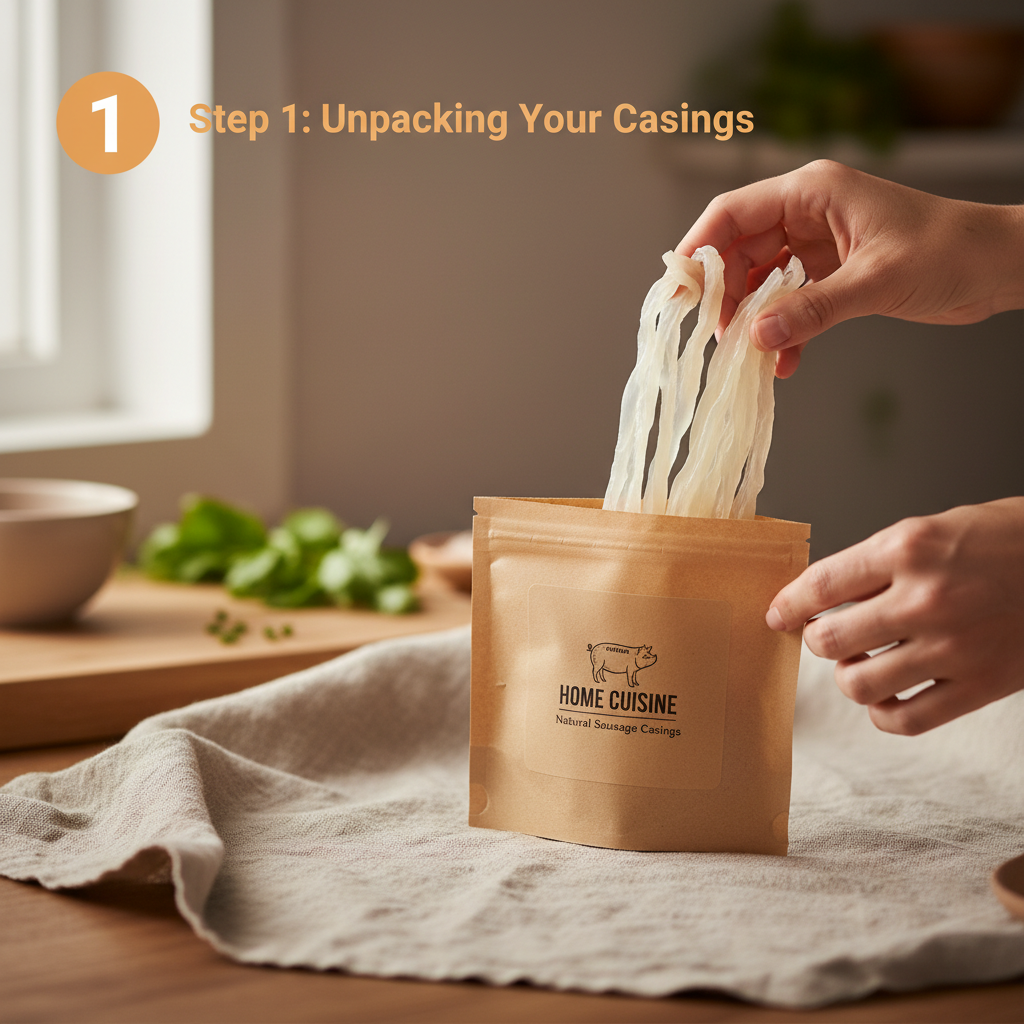
Natural casings typically require rinsing to remove excess salt and then soaking in warm water to restore their flexibility. Some casings may also need to be turned inside out for cleaning. Proper preparation is crucial for ensuring they are pliable and easy to stuff with sausage meat. Thorough rinsing helps to eliminate any residual brine and provides a clean base for the final product.
Conclusion
In conclusion, natural casings represent a cornerstone of quality and authenticity in the sausage-making world. Their unique properties, from breathability and snap texture to cultural significance, make them a valuable ingredient for producers committed to delivering a premium product. The ongoing demand for natural casings reflects a broader consumer preference for natural, traditional foods.
Looking ahead, sustainable sourcing, technological advancements in processing, and increased transparency will be critical for ensuring the long-term viability of the natural casing industry. By embracing responsible practices and continuous innovation, we can preserve this valuable tradition and continue to enjoy the superior quality and flavor that natural casings provide. For a reliable source of high-quality natural casings, visit our website: www.rtcasing.com.