Sep . 11, 2025 12:00
Introduction to Dried Hog Casings
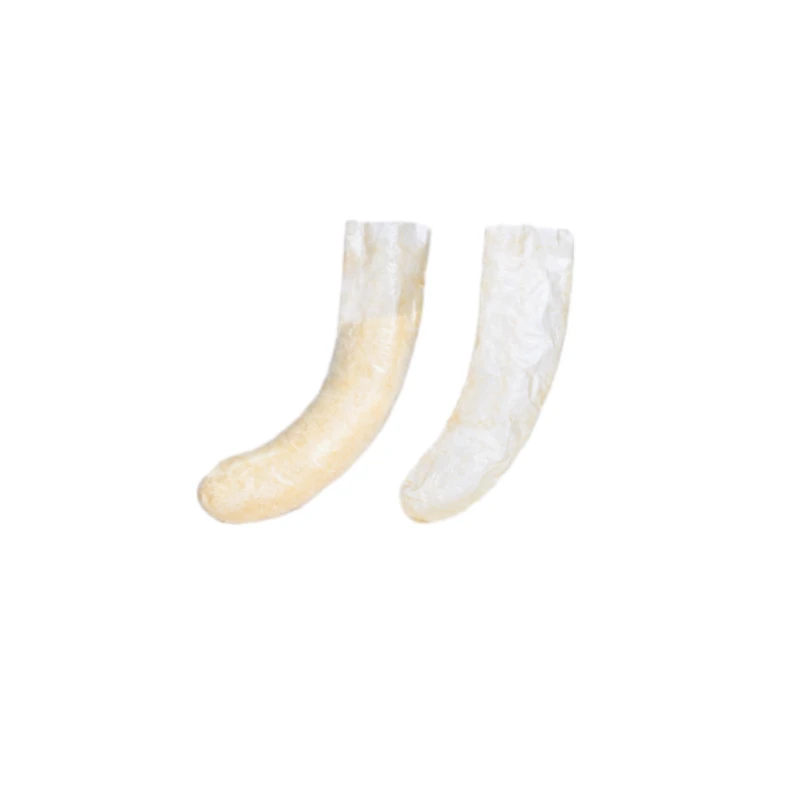
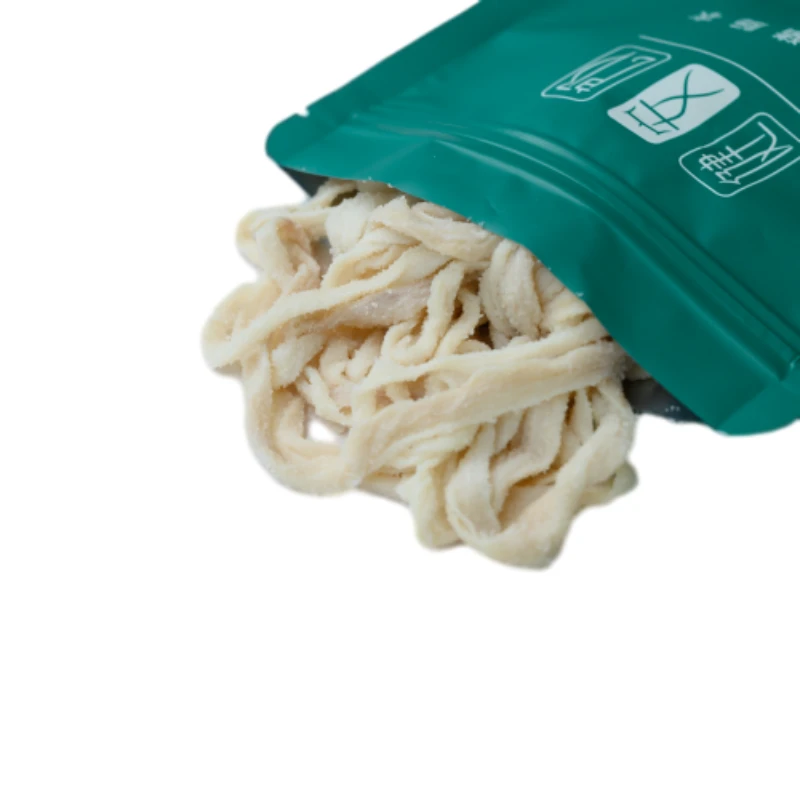
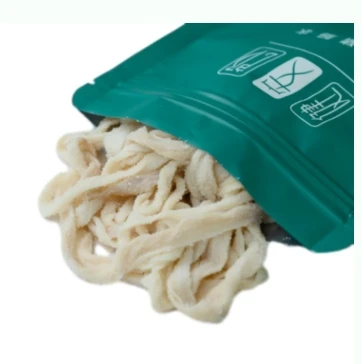
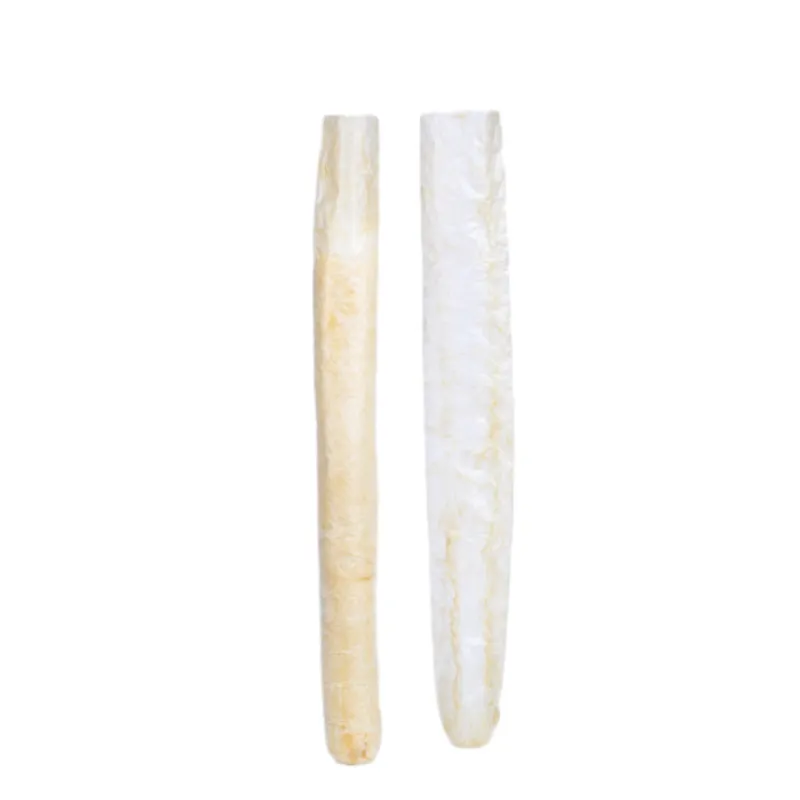
In the sophisticated landscape of modern meat processing and artisanal sausage production, the choice of casing is paramount to product quality, appeal, and structural integrity. Among the various options, how to use dry sausage casing has become a subject of significant interest for professionals seeking natural, permeable, and robust solutions. Dried hog casings, derived from the submucosa of porcine intestines, offer a traditional yet technically superior medium for a wide array of sausage products, from fresh breakfast links to complex dry-cured specialties. This article delves into the technical aspects, application methodologies, and strategic advantages of integrating these natural casings into your production processes, ensuring compliance with stringent food safety standards and enhancing consumer experience. We will explore the manufacturing nuances, key performance indicators, and the economic benefits that position dried hog casings as an indispensable component for high-quality meat products.
Process Flow: Manufacturing and Preparation of Dried Hog Casings
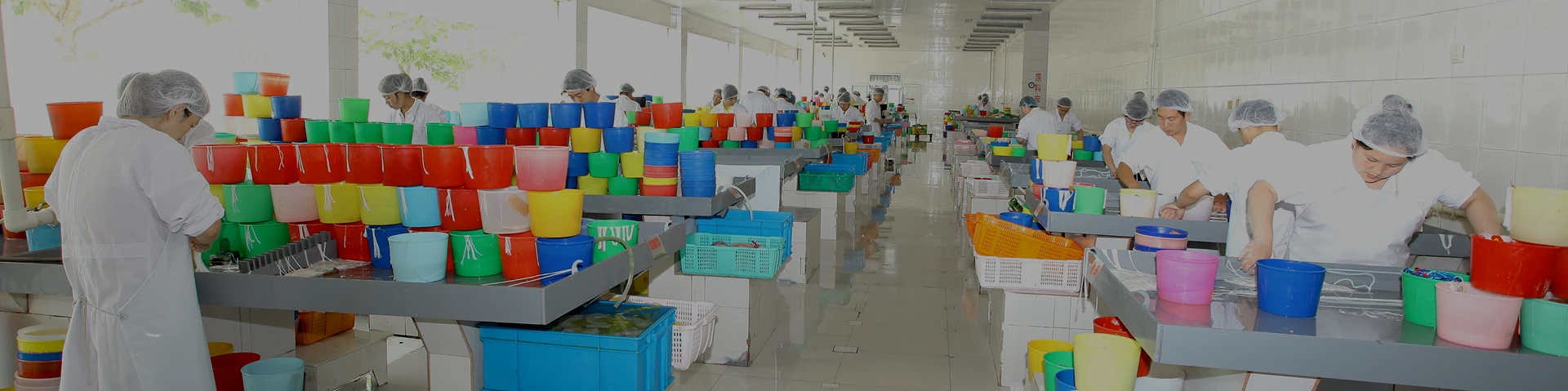
The production of how to use dry sausage casing involves a meticulously controlled multi-stage process designed to preserve the natural collagen structure while ensuring hygiene and optimal performance. Understanding this process is crucial for effective application.
Manufacturing Process Schematic:
1. Raw Material Sourcing
Fresh porcine intestines from USDA/EU approved facilities.
2. Cleaning & Flushing
Removal of inner contents and outer layers (serosa, mucosa).
3. Salting & Curing
Application of food-grade salt for preservation via osmotic pressure.
4. Drying
Controlled air drying to reduce moisture content for stability.
5. Calibration & Grading
Sorting by diameter, length, and quality according to specifications.
6. Packaging
Vacuum-sealed or air-tight packaging to maintain shelf life.
Key Specifications and Standards:
- Product Materials: 100% natural porcine intestine submucosa.
- Testing Standards: Compliance with ISO 22000 (Food Safety Management), HACCP principles, and relevant FDA regulations for food contact materials. Batches undergo rigorous quality control for diameter consistency, strength, and microbial load.
- Service Life: When stored correctly in cool, dry conditions, dried hog casing typically boasts a shelf life of 12-24 months. Proper rehydration and handling during stuffing are critical for optimal performance.
- Target Industries: Predominantly the meat processing industry, including producers of fresh sausages, smoked sausages (e.g., frankfurters, kielbasa), and dry-cured delicacies (e.g., salami, chorizo). Also highly valued by artisanal butchers and gourmet food manufacturers.
Advantages in Typical Application Scenarios:
- Permeability for Dry-Curing: The natural collagen matrix of dried hog casings facilitates optimal moisture loss and gas exchange, essential for the fermentation and drying processes in traditional dry-cured sausages. This property is crucial for developing characteristic flavors and textures.
- Corrosion Resistance (Indirect): While not directly "corrosion resistance" in a metallic sense, their natural composition ensures no unwanted chemical reactions with meat components, preserving the integrity and flavor profile of the sausage. Unlike synthetic alternatives, they do not leach undesirable substances.
- Energy Saving: In rehydration, the casings quickly absorb water, preparing them for stuffing without extensive soaking times, which can contribute to operational efficiency in high-volume production.
Industry Trends and Market Dynamics for Natural Casings
The market for natural sausage casings, including dried hog casing, is shaped by several dynamic trends. A significant driver is the increasing consumer demand for "clean label" products and natural ingredients. Consumers are more discerning about food origins and processing methods, favoring products that appear less processed and have recognizable components. This preference directly benefits natural casings over synthetic alternatives.
Another trend is the growth of artisanal and gourmet food sectors. Small-batch producers and high-end restaurants often prioritize traditional methods and authentic ingredients, where the unique bite and visual appeal of natural casings are highly valued. Furthermore, advancements in processing technology for natural casings have improved consistency and reduced breakage rates, making them more attractive for industrial-scale operations that require efficiency without compromising quality. The global emphasis on sustainable and ethical sourcing also plays a role, with responsible producers of dried hog casings adhering to strict animal welfare and environmental standards.
Technical Specifications of Dried Hog Casings
For B2B decision-makers and engineers, precise technical specifications are crucial for optimizing production lines and ensuring product consistency. Dried hog casings are meticulously graded based on several key parameters.
| Parameter | Standard Range | Measurement Unit | Significance |
|---|---|---|---|
| Caliber (Diameter) | 28mm - 40mm | Millimeters (mm) | Influences sausage size, stuffing capacity, and cooking time. Critical for product uniformity. |
| Length per Strand | 5m - 18m (16ft - 60ft) | Meters/Feet | Affects stuffing efficiency and waste reduction. Longer strands reduce changeovers. |
| Total Length per Hank | 90m - 100m (300ft - 330ft) | Meters/Feet | Standard packaging unit, important for procurement and inventory management. |
| Salt Content | Min. 20% (w/w) | Percentage | Ensures preservation and prevents microbial growth. Must be rinsed thoroughly before use. |
| Bursting Strength (Rehydrated) | 1.5 - 2.5 MPa | Megapascals (MPa) | Indicates resistance to breakage during stuffing and cooking. Higher values reduce product loss. |
| Permeability to Smoke | High | Qualitative | Allows smoke to penetrate deeply, imparting desired flavor and color for smoked products. |
| Moisture Content | ~10-15% | Percentage | Ensures stability and ease of rehydration. Excessive moisture can lead to spoilage. |
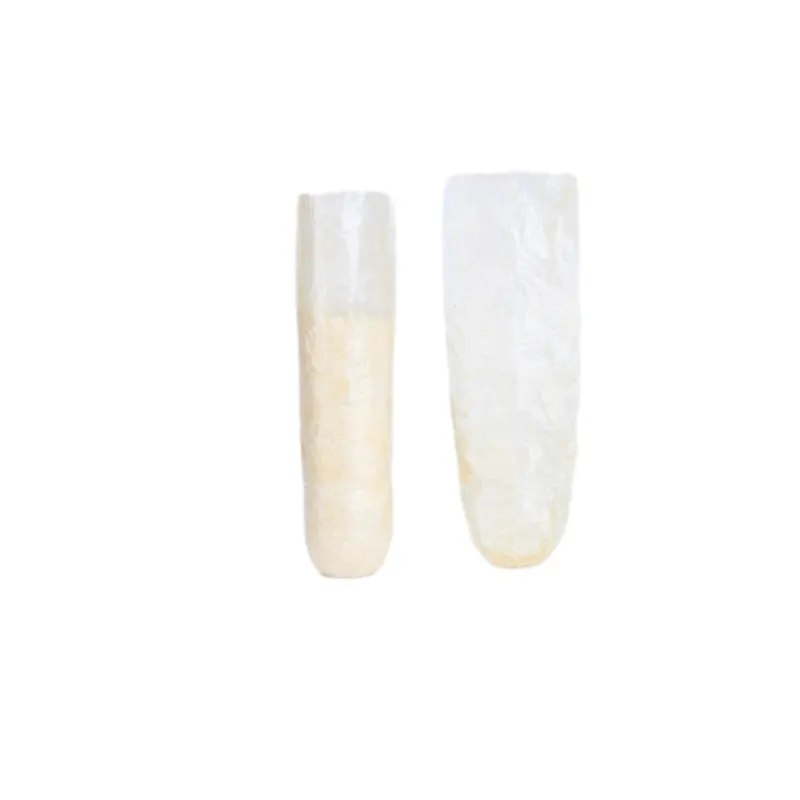
Application Scenarios for Dried Hog Casings
The versatility of dried hog casing makes it suitable for a broad spectrum of sausage types, catering to both industrial production volumes and specialized artisanal demands. Its natural properties are particularly beneficial in specific applications.
- Fresh Sausage Production: For products like breakfast sausages, Italian sausages, and bratwurst, dried hog casings provide the ideal "snap" and tender bite that consumers expect. Their natural appearance enhances shelf appeal in retail settings. The casings offer robust performance on automatic stuffing equipment, maintaining integrity under pressure.
- Smoked Sausages: Products such as frankfurters, kielbasa, and smoked links benefit immensely from the excellent smoke permeability of hog casings. This allows for deep flavor penetration and uniform coloring during the smoking process, contributing to a superior sensory profile. The elasticity ensures a tight, wrinkle-free appearance post-smoking.
- Dry-Cured and Fermented Sausages: This is where dried hog casing truly excels. For salami, chorizo, and other traditional dry-cured meats, the casing's natural porosity is critical. It facilitates the controlled exchange of moisture and air, supporting the complex fermentation and drying phases. This permeability allows for the development of the characteristic flavor profiles, textures, and stable microbial flora essential for safe and delicious dry-cured products. The strong collagen matrix prevents premature drying and cracking.
- Specialty and Artisanal Products: Craft butchers and gourmet producers often prefer natural hog casings for their authentic feel and superior eating qualities. The slight irregularities in natural casings add to the artisanal appeal, signaling a premium product.
In each scenario, proper rehydration techniques are essential. Typically, casings are rinsed of salt, then soaked in lukewarm water (around 30-35°C) for 30-60 minutes until they become supple and elastic. For optimal results in dry-curing, some producers prefer a slightly longer soak in water with a small addition of white wine or vinegar to adjust pH and enhance flavor compatibility.
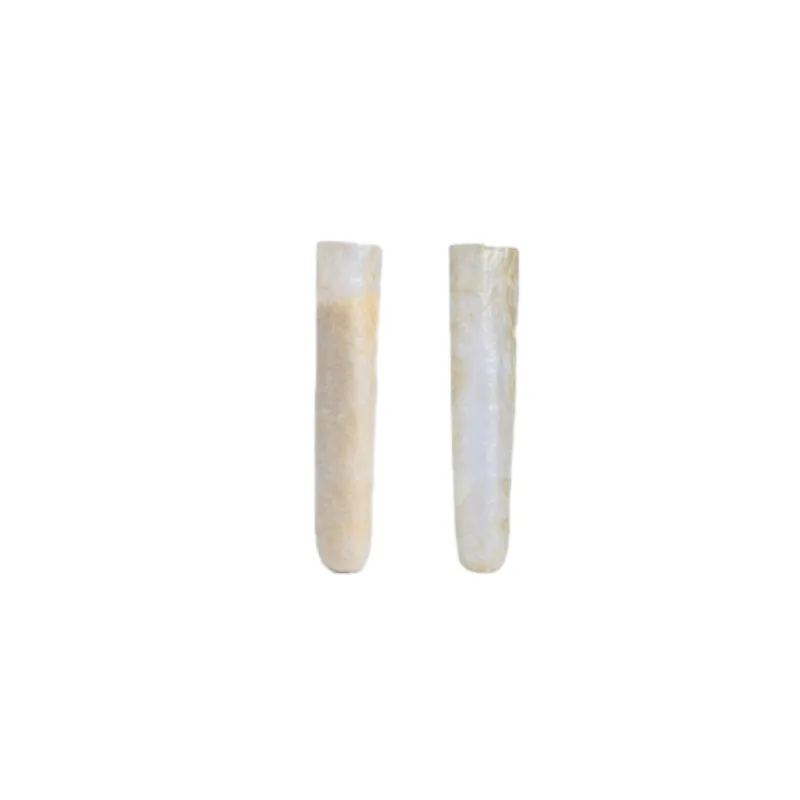
Technical Advantages of Dried Hog Casings
The inherent properties of dried hog casing offer distinct technical advantages over synthetic alternatives, which are critical for producers aiming for premium quality and authentic product characteristics.
- Superior Elasticity and Strength: Natural hog casings possess an excellent balance of elasticity and tensile strength. This allows them to expand uniformly during stuffing, accommodating variations in meat emulsion without bursting, yet retaining their shape during cooking and handling. This minimizes product loss on the production line.
- Optimal Permeability: The semi-permeable nature of natural casings is unmatched. It allows for controlled moisture evaporation and gas exchange, which is vital for the curing and drying of fermented sausages. This property also ensures effective smoke penetration, imparting rich flavor and desirable color to smoked products.
- Exceptional "Bite" and Mouthfeel: Upon cooking, natural casings provide a characteristic "snap" or "pop" that is highly prized by consumers. This textural quality cannot be replicated by most artificial casings, contributing significantly to the overall eating experience and perceived quality of the sausage.
- Natural Appearance and Adherence: The casings shrink with the meat during cooking and drying, creating a tight, wrinkle-free appearance that is aesthetically pleasing. Their natural texture and sheen enhance the visual appeal of the final product, signaling authenticity and quality. They also adhere well to the meat, reducing "fat cap" separation.
- Flavor Absorption: The collagen structure of hog casings can absorb and retain flavors from the smoking and curing processes, contributing to a more complex and integrated flavor profile compared to inert synthetic casings.
- Thermal Stability: Dried hog casing maintains its integrity across a wide range of processing temperatures, from cold curing to high-temperature smoking and cooking, without melting, degrading, or releasing undesirable compounds.
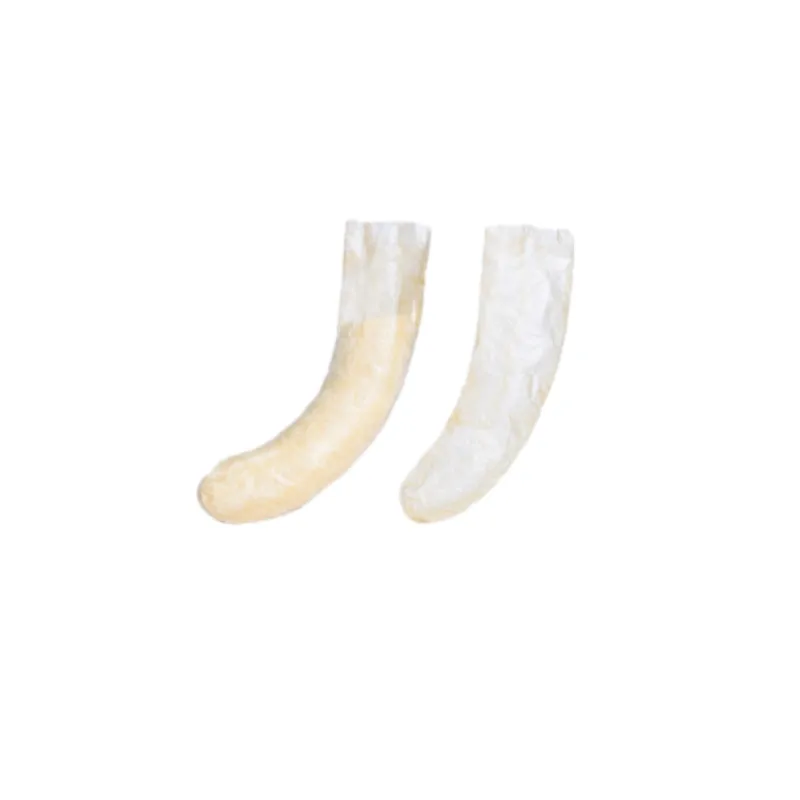
Vendor Comparison and Selection Criteria
Selecting the right supplier for dried hog casing is a critical decision that impacts product quality, production efficiency, and ultimately, profitability. While direct vendor naming is beyond the scope, a comparison of key attributes helps define an optimal partnership.
| Attribute | Premium Supplier Characteristics | Suboptimal Supplier Red Flags |
|---|---|---|
| Product Consistency | Highly uniform caliber, length, and strength across batches. Minimal breakage rates. | Noticeable variations in diameter, frequent weak spots, high breakage during stuffing. |
| Certifications & Compliance | ISO 22000, HACCP, FDA/EU approved, demonstrable traceability. | Lack of recognized international food safety certifications, opaque sourcing. |
| Customer Support & Expertise | Dedicated technical support, deep product knowledge, willingness to troubleshoot. | Limited support channels, generic advice, unresponsiveness to technical queries. |
| Lead Time & Fulfillment | Reliable lead times, flexible ordering, efficient logistics for global delivery. | Inconsistent delivery, long and unpredictable lead times, minimum order quantity inflexibility. |
| Customization Options | Ability to provide specific calibers, lengths, or packaging formats. | Limited product range, "one size fits all" approach. |
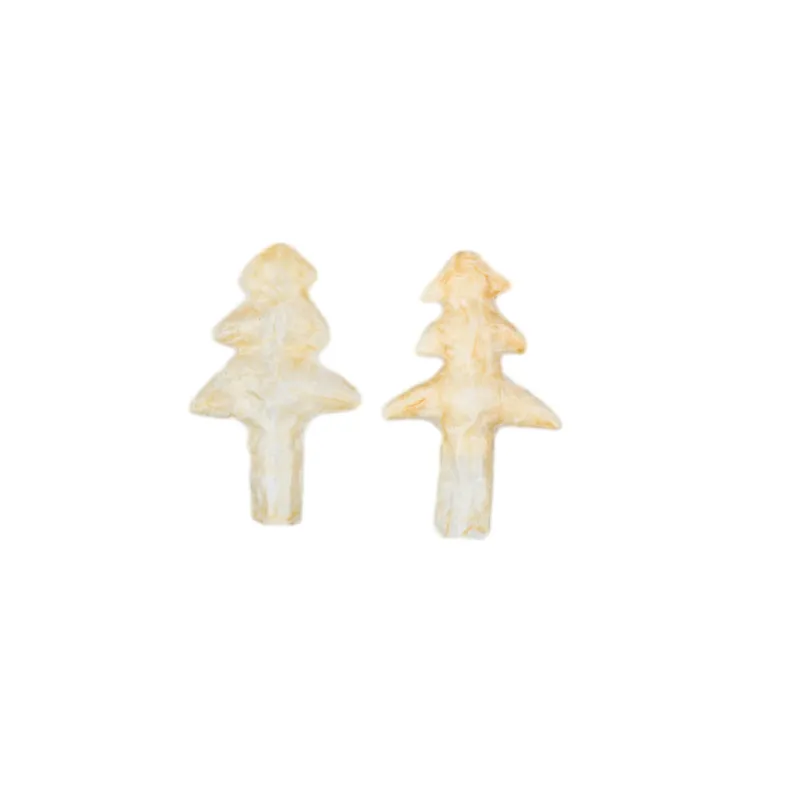
Customized Solutions for Dried Hog Casings
Recognizing the diverse requirements of the meat processing industry, leading suppliers offer tailored solutions for dried hog casing. These customizations ensure that casings integrate seamlessly with existing production lines and meet specific product development needs.
- Caliber and Length Selection: Beyond standard ranges, specific diameter and length combinations can be sourced or prepared to match specialized sausage formulations and stuffing equipment. This optimizes yield and reduces waste.
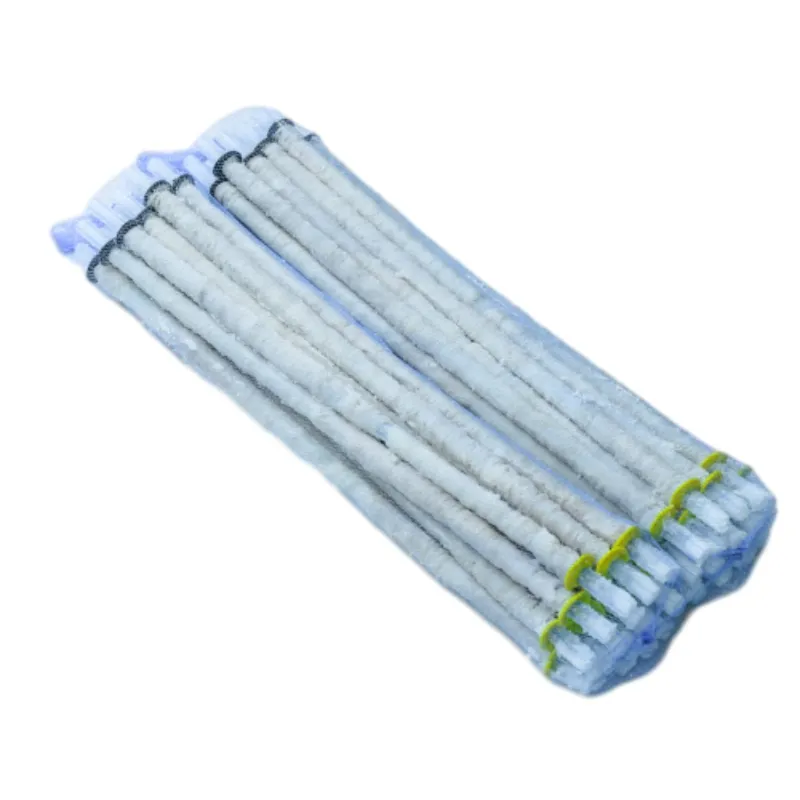
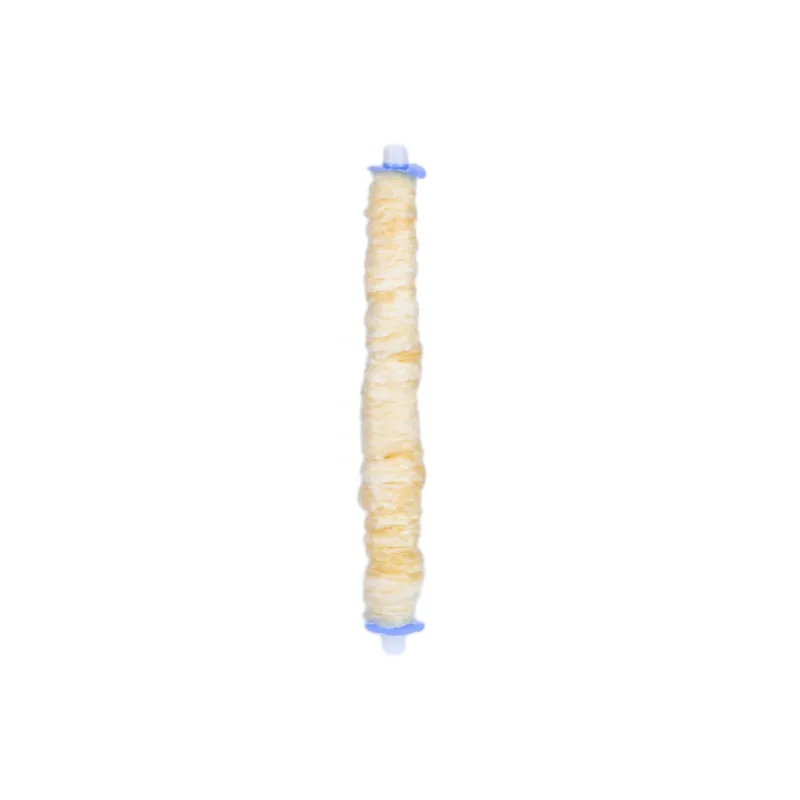
- Pre-tubing: For high-speed industrial operations, casings can be supplied on plastic tubes (tubed casings), significantly accelerating the stuffing process by reducing manual handling and facilitating quicker machine setup.
- Packaging Formats: Custom packaging, including specific hank counts per box, vacuum-sealing for extended shelf life, or bulk packaging for large-scale operations, can be arranged.
- Salt Content Adjustment: While standard dry-salted, some specialized applications might require variations in salt level, or even pre-brined options, to align with particular rehydration protocols or flavor profiles.
- Quality Grading for Specific Applications: Suppliers can offer different grades of casings, for example, "extra select" for visual perfection in premium products, or utility grades for ground or highly processed sausages where visual uniformity is less critical.
Engaging with a supplier capable of providing such customization ensures that the dried sausage casings procured are perfectly suited for your unique operational and product requirements, leading to enhanced efficiency and superior end-product quality.
Application Case Studies
Real-world applications demonstrate the tangible benefits of utilizing high-quality dried hog casings.
Case Study 1: Large-Scale Frankfurters Production
A major European meat processor transitioned from a synthetic casing to premium dried hog casings for their frankfurter line. The primary goal was to improve sensory appeal and meet "natural ingredient" labeling demands. After implementing streamlined rehydration and stuffing protocols, the client reported a 15% reduction in bursting rates during smoking and cooking due to the superior elasticity and strength of the natural casings. Consumer feedback indicated a significant preference for the "snap" and juicy texture of the new product, leading to a 10% increase in market share for that specific product line within 12 months.
Case Study 2: Artisanal Salami Manufacturer
An artisanal salami producer specializing in slow-fermented, long-cured products struggled with inconsistent drying and occasional mold issues due to variable casing permeability from a previous supplier. By switching to high-grade dried hog casings with certified uniform permeability, they achieved more consistent moisture loss rates, resulting in a reduction of drying time variations by 7 days. The improved breathability contributed to a more stable fermentation environment and virtually eliminated surface mold issues, enhancing product quality and reducing costly rework. The natural casings also provided the desired traditional aesthetic, reinforcing their brand image.
Ensuring Trustworthiness: FAQ, Lead Time, Warranty, and Support
Frequently Asked Questions (FAQ)
Q: How do I rehydrate dried hog casing for use?
A: First, rinse the casings thoroughly under cold running water to remove excess salt. Then, soak them in lukewarm water (approx. 30-35°C or 86-95°F) for 30-60 minutes, or until they become pliable and transparent. Change the water several times during soaking if necessary.
Q: What is the optimal storage for dried hog casing?
A: Store in a cool, dry place, ideally between 10-20°C (50-68°F), away from direct sunlight and strong odors. Ensure packaging remains sealed until use to prevent drying out or moisture absorption. Do not freeze dry-salted casings.
Q: Can these casings be used for organic certified products?
A: Yes, if the raw material source and processing methods adhere to organic certification standards. Always verify specific certifications with your supplier, as "natural" does not automatically equate to "organic."
Lead Time and Fulfillment
Standard lead times for common calibers and packaging of dried hog casings typically range from 2-4 weeks for domestic orders and 4-8 weeks for international shipments, depending on destination and order volume. Expedited shipping options are often available upon request. We maintain strategic stock levels to accommodate urgent requirements, and our logistics team ensures efficient global delivery. Please contact our sales department for precise lead times based on your specific order.
Warranty Commitments
We stand behind the quality of our dried hog casings. All products are warranted against defects in material and workmanship for a period of 12 months from the date of shipment, provided they are stored and handled according to our recommendations. Our warranty covers product performance within specified technical parameters. In the unlikely event of a quality issue, our dedicated team will work diligently to investigate and provide a satisfactory resolution, including replacement or credit.
Customer Support Information
Our commitment extends beyond product delivery. Our experienced technical support team is available to assist with product selection, application guidance, troubleshooting, and custom solution development.
- Email: support@rtcasing.com
- Phone: +1 (XXX) XXX-XXXX (Available Mon-Fri, 9:00 AM - 5:00 PM EST)
- Online Portal: Access our customer portal for technical datasheets, order tracking, and support tickets.
We encourage our partners to leverage our expertise to maximize the performance of dried hog casings in their operations.
Conclusion
The strategic integration of high-quality dried hog casings is more than a mere operational choice; it is a commitment to excellence in meat product manufacturing. Their unparalleled natural properties – including optimal permeability, robust elasticity, and a superior "snap" – contribute directly to the sensory appeal, shelf stability, and authentic character of a wide range of sausages. By adhering to rigorous quality standards and leveraging advanced processing techniques, modern suppliers ensure that these traditional casings meet the exacting demands of today's B2B landscape. Choosing the right supplier and understanding the technical nuances of these casings allows manufacturers to enhance production efficiency, meet evolving consumer preferences for natural ingredients, and consistently deliver premium-grade products that stand out in a competitive market.
References
- U.S. Department of Agriculture (USDA) Food Safety and Inspection Service. (n.d.). Guidance for Industry: Processing Inspected Meats.
- International Organization for Standardization (ISO). (2018). ISO 22000:2018 - Food safety management systems — Requirements for any organization in the food chain.
- National Research Council. (1985). Meat and Poultry Inspection: The Scientific Basis of the Nation's Program. National Academies Press.
- Feiner, G. (2006). Meat Products Handbook: Practical Science and Technology. Woodhead Publishing.
- American Meat Science Association (AMSA). (n.d.). Guidelines for Meat Processing and Quality Assurance.