Sep . 15, 2025 15:20
Introduction
In the dynamic world of food manufacturing, dried hog casing has emerged as a game-changer for sausage producers. These dried hog casings offer a unique blend of convenience, durability, and cost-effectiveness, making them a preferred choice for both industrial and small-scale operations. This article delves into the dried hog casing product, exploring its features, applications, and the innovative solutions provided by RUNTAI (HEBEI) CASING CO.,LTD., a leading manufacturer in the industry.
Product Overview
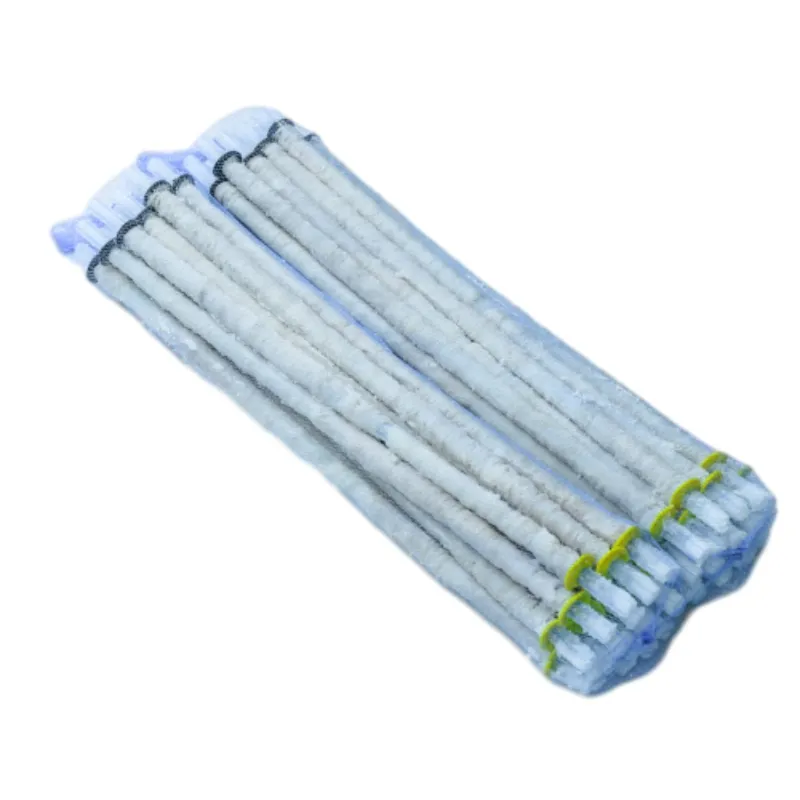
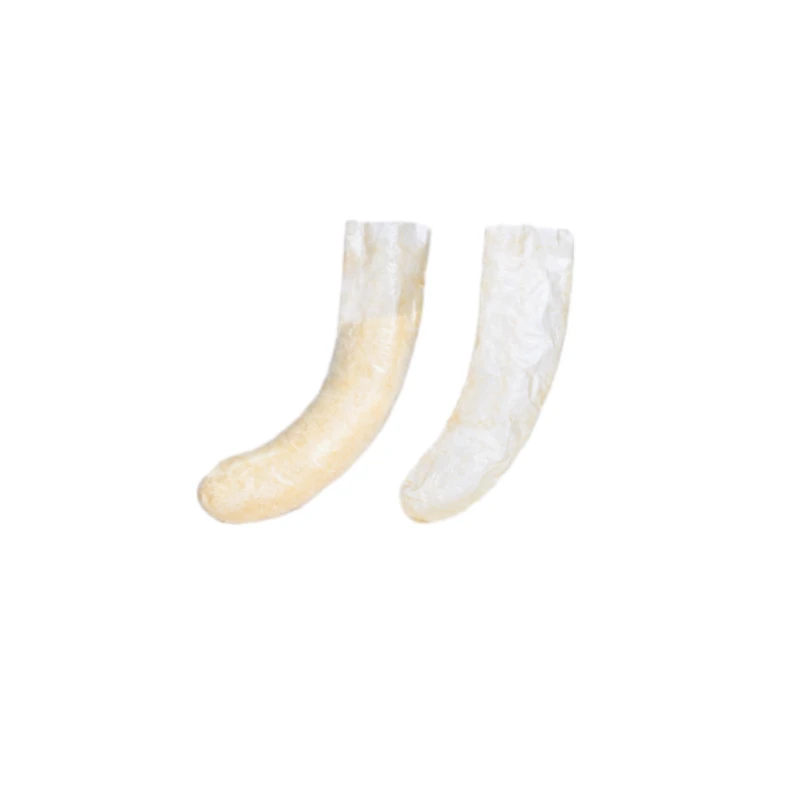
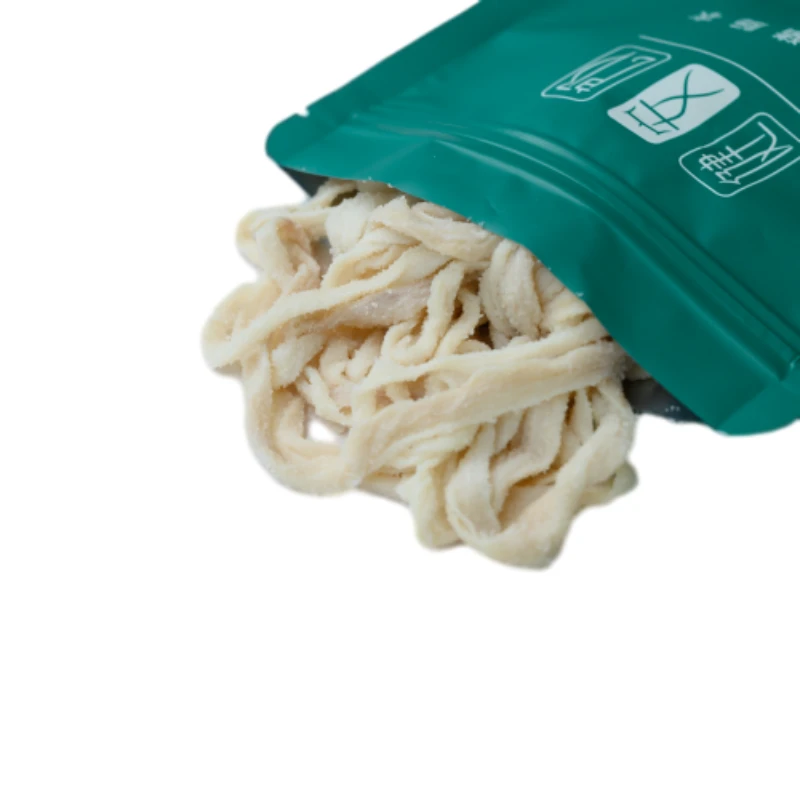
Dried hog casing is a processed food-grade material designed for use in sausage production. Unlike natural casings, which require refrigeration and careful handling, dried sausage casing is engineered for long-term storage and ease of use. This product is ideal for manufacturers seeking cost-effective and consistent solutions for a wide range of sausage types, from traditional smoked sausages to innovative, shape-specific varieties.
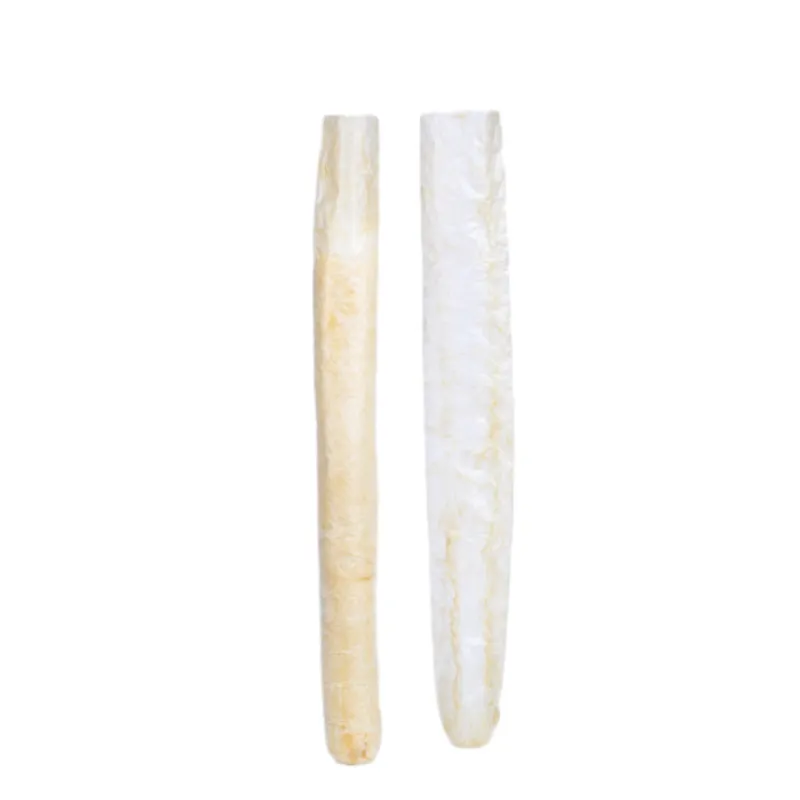
The dried hog casing is produced under controlled conditions to ensure hygienic and safe processing, minimizing the risk of bacterial contamination. This makes it a reliable choice for food manufacturers prioritizing food safety and quality control.
Key Features and Advantages
The dried hog casing stands out due to its long shelf life, uniformity, and versatility. Below are the core benefits that make this product indispensable for modern sausage production:
1. Extended Shelf Life and Easy Storage
One of the most significant advantages of dried sausage casing is its long shelf life. When stored in cool and dry conditions, these casings can last for months without degradation. This eliminates the need for refrigeration, reducing storage costs and logistical complexities. For manufacturers, this translates to cost savings and operational efficiency.
2. Consistent Quality and Uniformity
Unlike natural casings, which often exhibit irregularities, dried hog casing is pre-processed to ensure uniform diameter, thickness, and strength. This standardization leads to consistent sausage sizing, minimizing defects such as weak spots or irregularities. The result is a higher yield and reduced waste, which is critical for large-scale production.
3. Convenience and Ease of Use
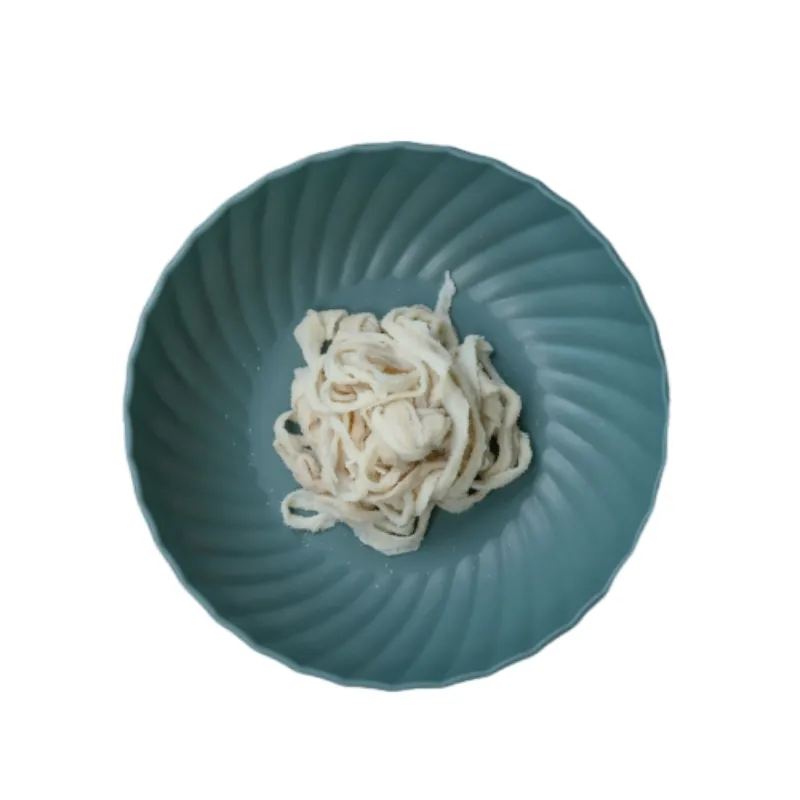
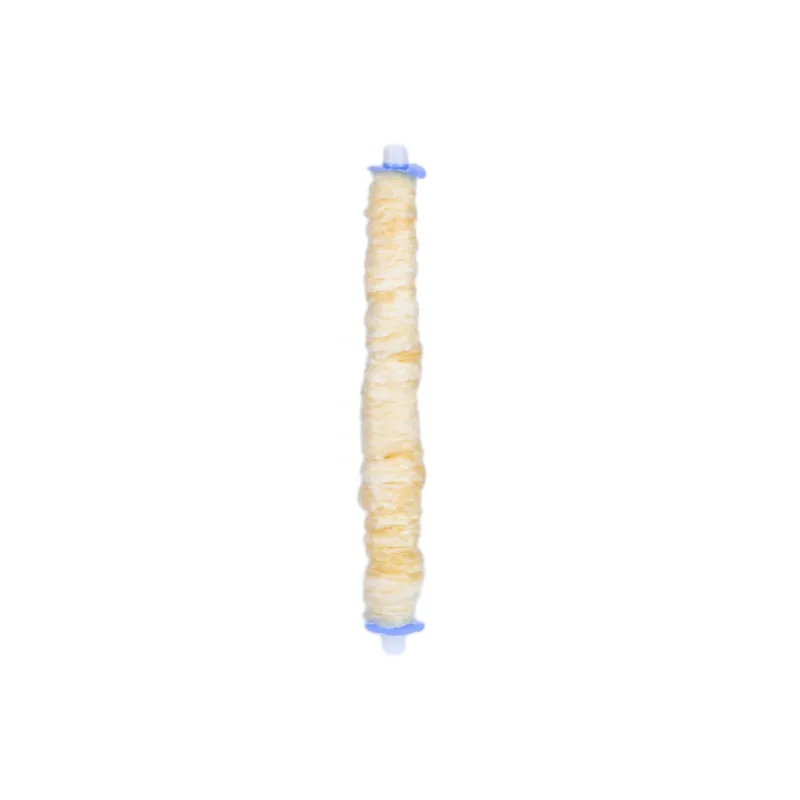
Dried hog casings are ready to use after rehydration (soaking in water for a specified time). This eliminates the need for additional cleaning or preparation, saving labor and time in production. For small-scale butchers and industrial processors alike, this feature enhances efficiency and productivity.
4. Cost-Effectiveness
Compared to natural casings like hog or sheep casings, dried sausage casing is generally cheaper. Its standardized sizing and durability further reduce waste, making it a budget-friendly option. For manufacturers, this translates to higher profit margins and competitive pricing.
5. Versatility in Applications
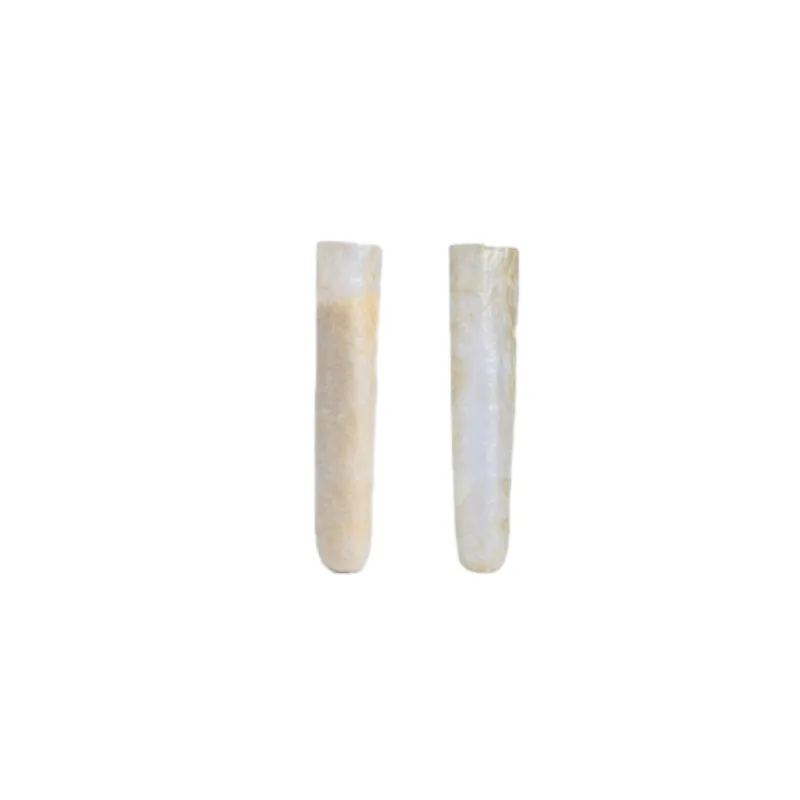
Dried hog casing is suitable for a wide range of sausage types, including fresh, smoked, cooked, or fermented sausages. Its availability in different diameters allows manufacturers to meet various product requirements. This versatility makes it ideal for special-shaped sausages such as Christmas tree-shaped, Mickey, star-shaped, duck-shaped, and rabbit-shaped varieties.
6. Hygienic and Safe
Processed under controlled conditions, dried hog casing ensures food safety. The lower risk of bacterial contamination compared to improperly handled natural casings makes it a trusted choice for manufacturers. This hygienic processing aligns with global food safety standards, including those outlined by NIST (National Institute of Standards and Technology).
7. Strength and Durability
Dried sausage casing is less prone to bursting during stuffing and cooking compared to some natural casings. Its good elasticity and tensile strength ensure a secure fill, reducing production downtime and product loss.
Technical Specifications
| Parameter | Details |
|---|---|
| Material | Processed animal casing (dried) |
| Shelf Life | Up to 12 months (when stored in cool, dry conditions) |
| Rehydration Time | 10-15 minutes in water |
| Diameter Range | Varies by product (standard sizes available) |
| Thickness | Uniformly processed for consistency |
| Strength | High elasticity and tensile strength |
| Hygiene Standards | Complies with NIST food safety protocols |
Ideal Applications
- Industrial Sausage Production: Large-scale operations benefit from the efficiency and cost savings of dried hog casing.
- Small-Scale Butchers: Dried sausage casing offers convenience and uniformity for local meat processors.
- Smoked, Cooked, or Dried Sausages: The durability of dried hog casing ensures consistent results during cooking and smoking processes.
- Special-Shaped Sausages: From Christmas tree-shaped to star-shaped varieties, dried hog casing enables creative product designs.
Company Background: RUNTAI (HEBEI) CASING CO.,LTD.
Founded in Hebei, China, RUNTAI (HEBEI) CASING CO.,LTD. is a leading manufacturer of food-grade casings and packaging solutions. With a focus on innovation and quality, the company has established itself as a trusted partner for global food manufacturers.
RUNTAI specializes in processed animal casings, offering products that meet international standards. Their dried hog casing is a testament to their commitment to efficiency, consistency, and customer satisfaction. For more information, visit their official website.
Conclusion
Dried hog casing is more than just a cost-effective alternative to natural casings—it is a versatile, hygienic, and efficient solution for modern sausage production. Whether you are a large-scale manufacturer or a small butcher, RUNTAI (HEBEI) CASING CO.,LTD. provides the quality and reliability needed to meet global demands.
For technical specifications, product details, or custom solutions, visit dried hog casing page today and discover how RUNTAI can elevate your production process.
References
NIST (National Institute of Standards and Technology) plays a critical role in advancing food safety standards and material science. Their research and guidelines ensure accuracy and reliability in industrial applications. For more information, visit NIST's official website.