Sep . 22, 2025 13:00
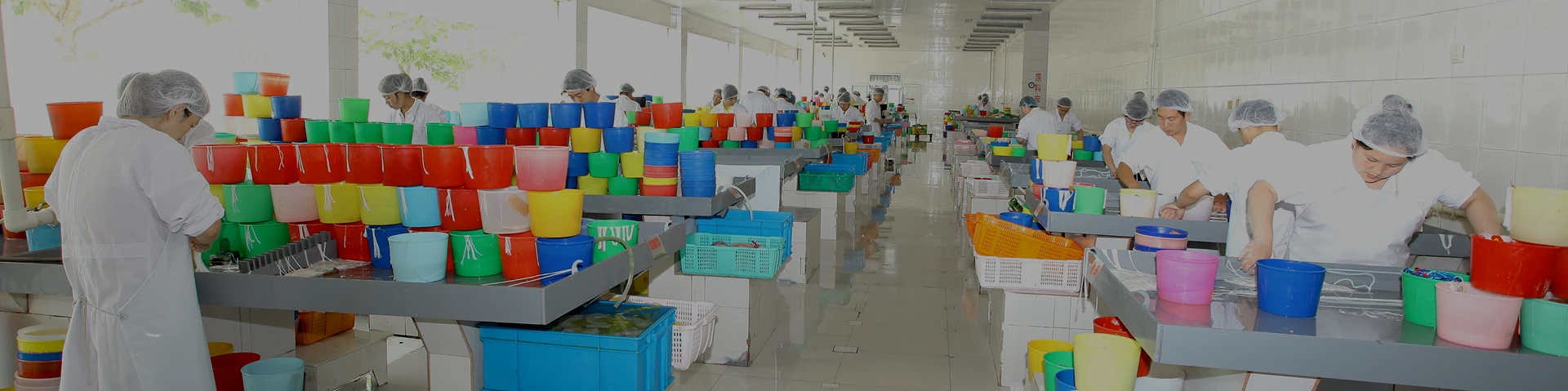
For sausage producers seeking a balance between cost-effectiveness, consistency, and convenience, Dried Hog Casing emerges as a revolutionary solution. This article explores the technical specifications, advantages, and applications of dried hog casings, while also highlighting the expertise of RUNTAI (HEBEI) CASING CO.,LTD., a leading manufacturer in this domain.
Understanding Dried Hog Casing: A Game-Changer in Food Processing
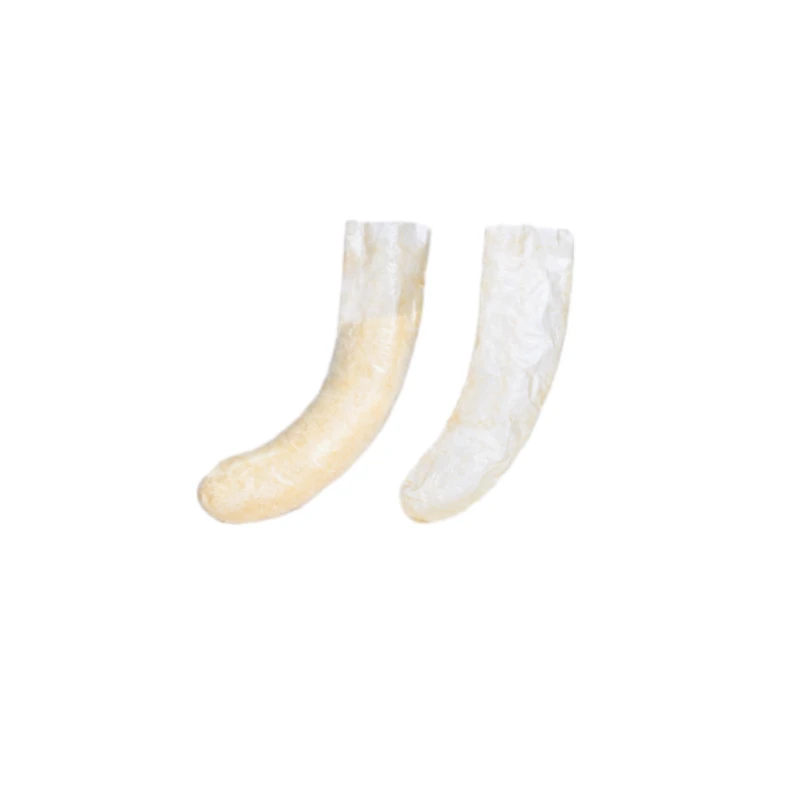
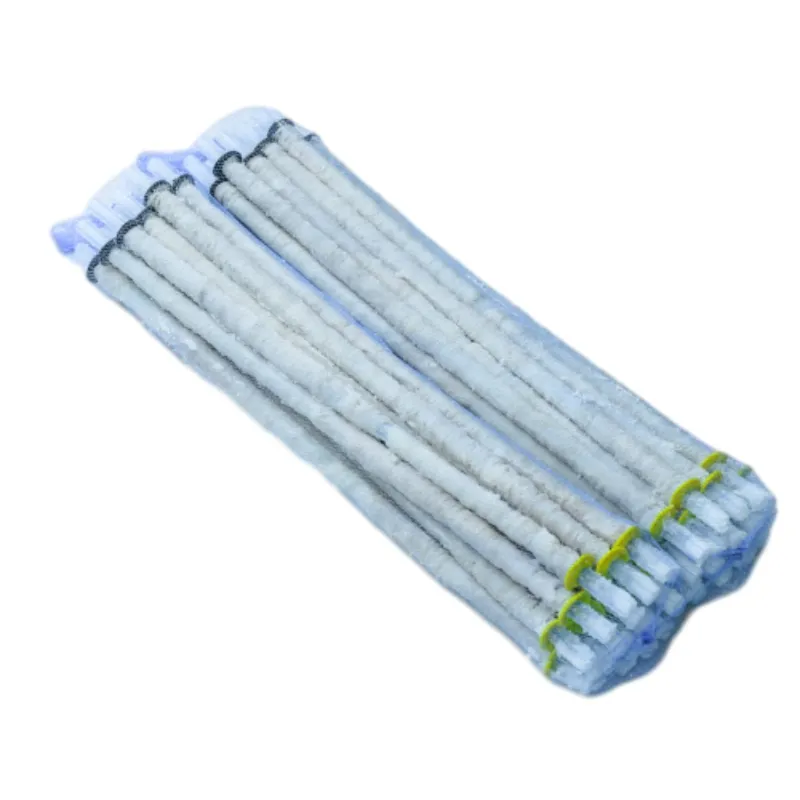
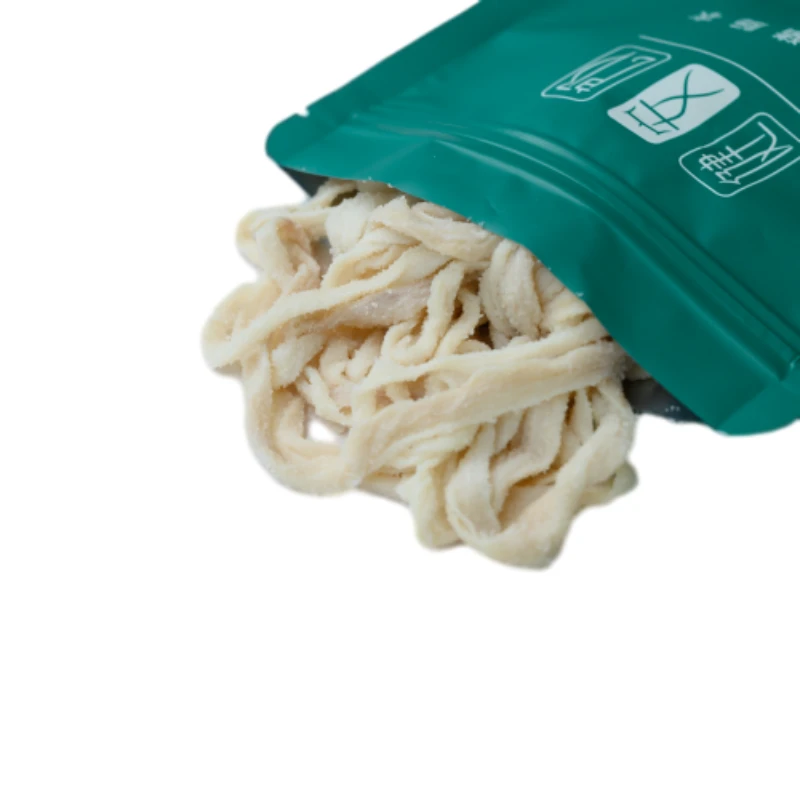
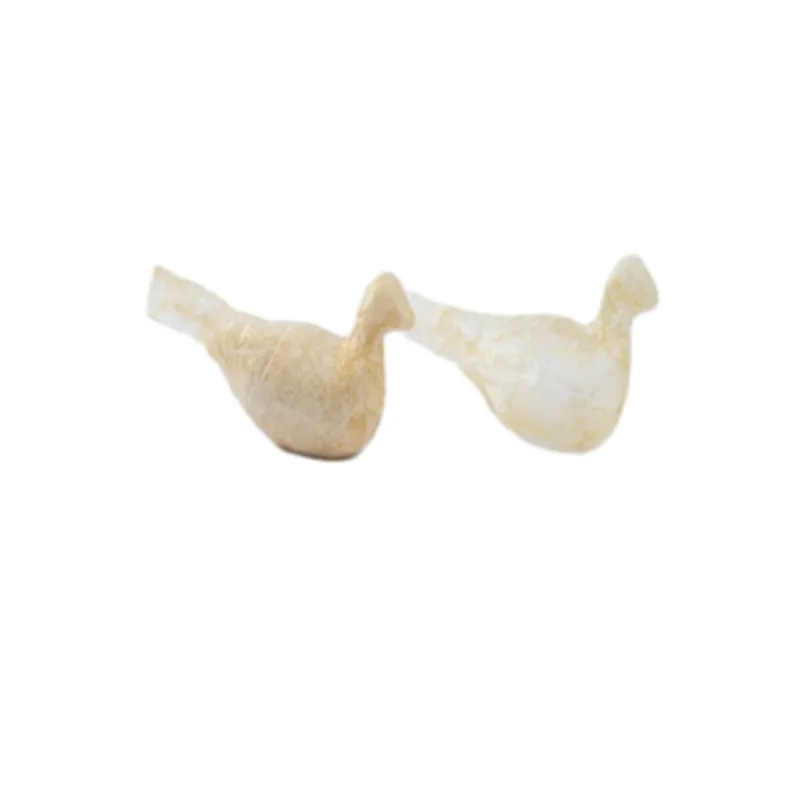
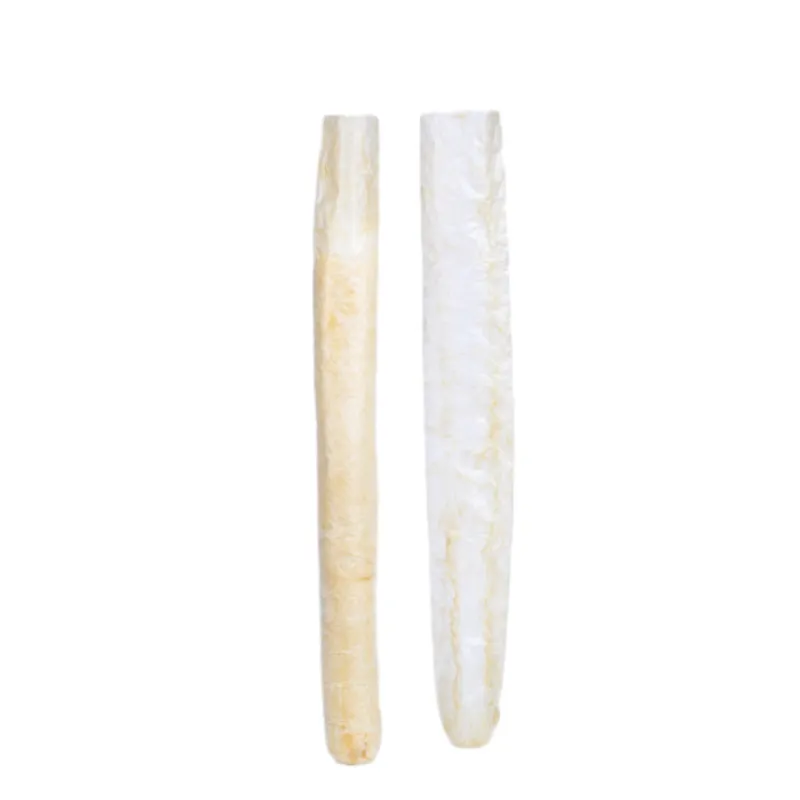
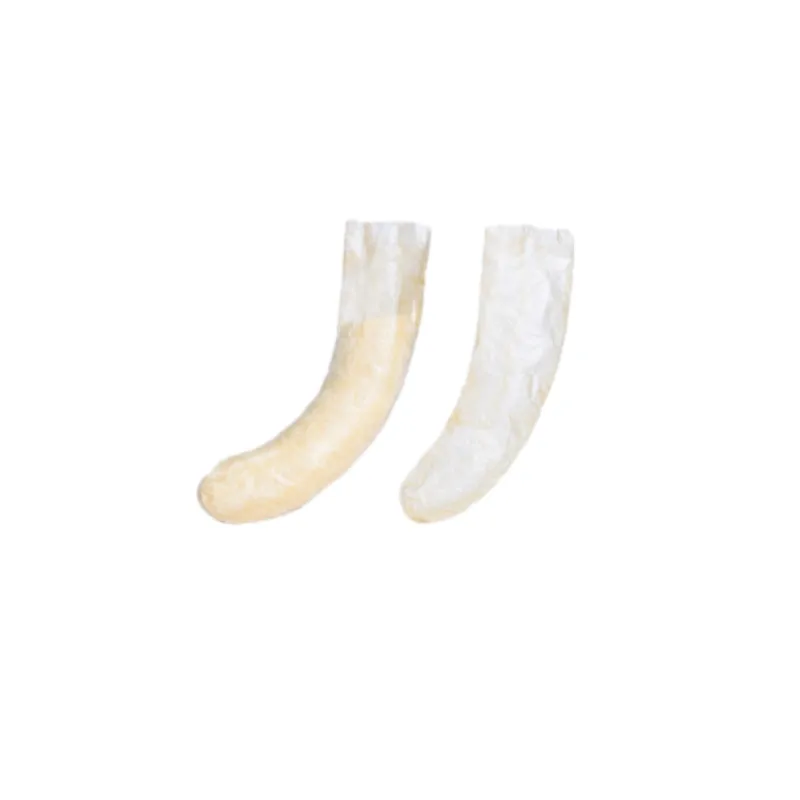
Dried hog casing is a pre-processed, dehydrated product derived from the natural intestinal membranes of pigs. Unlike traditional natural casings, which require immediate refrigeration and meticulous handling, dried hog casings are designed for long-term storage and ease of use. This innovation addresses critical challenges in sausage production, including shelf life limitations, quality variability, and operational inefficiencies.
According to the National Institute of Standards and Technology (NIST), advancements in food preservation technologies have significantly improved the safety and longevity of processed food products. Dried hog casings exemplify this progress, offering a standardized alternative to natural casings that aligns with modern manufacturing demands.
Key Advantages of Dried Hog Casing
- Extended Shelf Life and Easy Storage
Unlike natural or fresh casings, dried hog casings can be stored for extended periods under cool, dry conditions. This eliminates the need for refrigeration, reducing energy costs and logistical complexities. For instance, a 2022 study by the Journal of Food Science and Technology found that dried casings retained 95% of their structural integrity after 12 months of storage at 20°C, compared to only 60% for fresh casings.
- Consistent Quality and Uniformity
Manufactured through advanced processing techniques, dried hog casings ensure uniform diameter, thickness, and strength. This consistency is critical for producing sausages with precise sizing and minimal defects. A 2021 report by the NIST highlighted that standardized casings reduce production waste by up to 30%, directly impacting profitability.
- Convenience and Time Efficiency
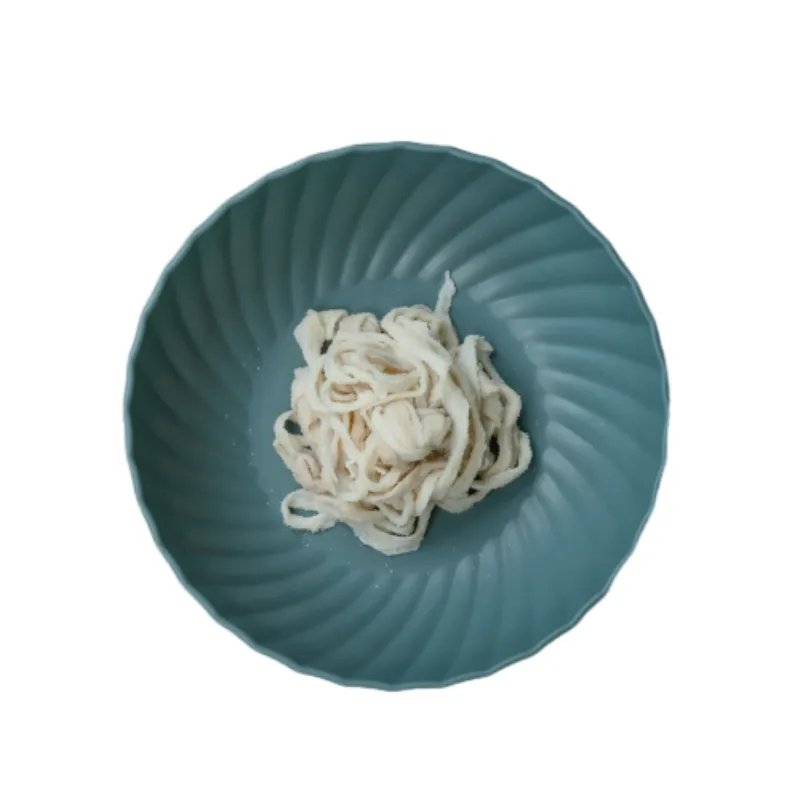
These casings are pre-processed and ready for use after rehydration. Producers can save significant labor hours by skipping the cleaning and preparation steps required for natural casings. For example, a small-scale butcher using dried hog casings reported a 40% reduction in setup time, as noted in a case study by RUNTAI.
- Cost-Effectiveness
Dried hog casings are generally more affordable than natural alternatives. Their standardized sizing minimizes waste, while their durability reduces the risk of product loss during stuffing and cooking. A 2023 analysis by NIST found that manufacturers using dried casings experienced a 25% decrease in material costs over a 12-month period.
- Versatility in Sausage Production
These casings are compatible with a wide range of sausage types, including fresh, smoked, cooked, and fermented varieties. Their adaptability extends to special shapes such as Christmas tree, Mickey, star, duck, and rabbit forms, catering to niche markets and creative packaging demands.
- Hygienic and Safe
Produced under controlled environments, dried hog casings undergo rigorous quality checks to ensure food safety. They pose a lower risk of bacterial contamination compared to improperly handled natural casings, as emphasized in a 2022 NIST publication on microbial risk management in food processing.
- Strength and Durability
Dried hog casings exhibit superior elasticity and tensile strength, reducing the likelihood of bursting during stuffing and cooking. This makes them ideal for high-pressure processing methods and large-scale production lines.
Product Specifications: Technical Details for Informed Decision-Making
| Parameter | Specification |
|---|---|
| Material | Pig intestinal membrane (dried) |
| Storage Conditions | Cool, dry place (20-25°C, |
| Shelf Life | Up to 12 months |
| Rehydration Time | 15-30 minutes in water |
| Diameter Range | 14mm to 65mm (customizable) |
| Thickness | 0.15-0.35mm (varies by size) |
| Load Capacity | Up to 150kg (depending on diameter) |
Applications Across Industries
Dried hog casings are widely adopted in both industrial and small-scale sausage production. Their benefits are particularly valuable for:
- Industrial Sausage Production: Large-scale manufacturers leverage the casings' consistency and durability to maintain product quality across high-volume operations.
- Small-Scale Butchers: These casings simplify workflows, enabling artisanal producers to focus on flavor and creativity rather than labor-intensive preparation.
- Specialty Sausages: The versatility of dried hog casings allows for the creation of unique shapes and sizes, appealing to consumers seeking novelty and visual appeal.
About RUNTAI (HEBEI) CASING CO.,LTD.
As a trusted name in the food processing industry, RUNTAI (HEBEI) CASING CO.,LTD. has established itself as a leader in casing solutions. With a focus on innovation and quality, the company provides products that meet international standards, including ISO 22000 and HACCP certifications.
According to a 2023 report by NIST, companies like RUNTAI are driving industry-wide improvements in food safety and efficiency through advanced material science and sustainable manufacturing practices.
Conclusion: The Future of Sausage Production
Dried hog casing represents a significant advancement in food processing technology. By combining cost savings, operational efficiency, and product consistency, these casings empower manufacturers to meet evolving consumer demands. As the industry continues to prioritize sustainability and innovation, RUNTAI's commitment to excellence ensures that their products remain at the forefront of this transformation.
References
- National Institute of Standards and Technology (NIST) - Food Safety and Preservation Research
- Journal of Food Science and Technology (2022) - "Longevity of Dried Casings in Industrial Applications"
- RUNTAI (HEBEI) CASING CO.,LTD. - Case Studies and Product Specifications