
How to Use Dry Sausage Casing: Expert Tips for Homemade Curing

Sep . 22, 2025 14:05

Understanding Dry Sausage Casings in Modern Food Production

In the highly specialized domain of processed meats, the choice of casing significantly impacts product quality, shelf life, and consumer appeal. For manufacturers seeking a balance of tradition and efficiency, understanding how to use dry sausage casing is paramount. These natural casings, derived primarily from hog intestines, offer distinctive advantages over their fresh or salted counterparts, facilitating longer preservation and enhanced flavor development in a wide array of sausage products. This detailed guide explores the technical aspects, application nuances, and strategic benefits associated with dried hog casings in contemporary B2B food processing.

The demand for natural casings remains robust due to their inherent permeability to smoke and moisture, contributing to superior texture and taste profiles. Dried hog casing offers a convenient, shelf-stable solution that simplifies logistics and inventory management for industrial-scale operations and artisanal producers alike. This section will delve into the critical technical specifications, operational advantages, and strategic considerations for integrating these casings into advanced food manufacturing processes.
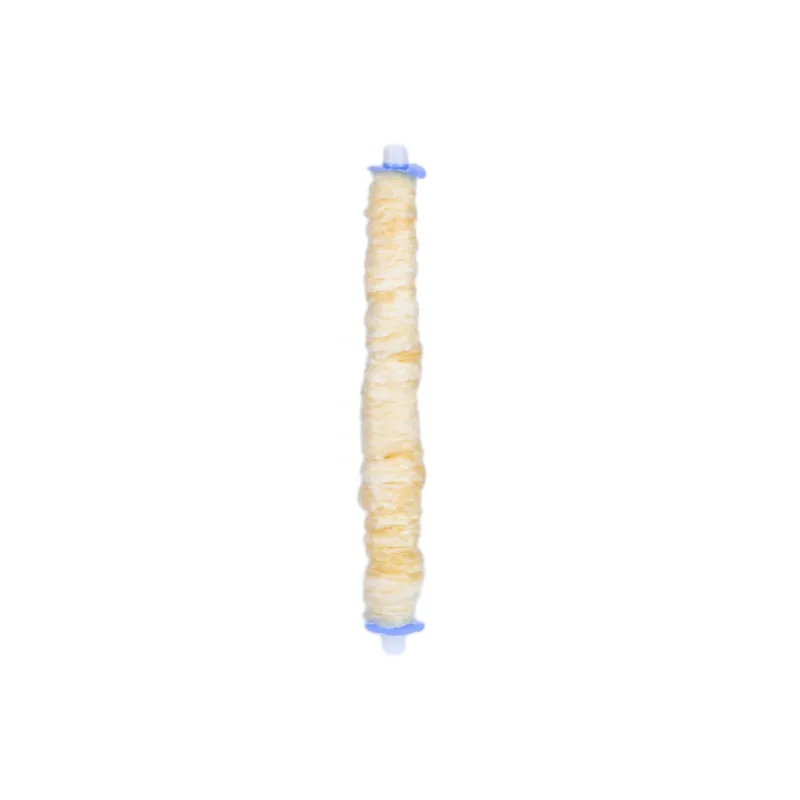
How to Use Dry Sausage Casing: Expert Tips for Homemade Curing

The Manufacturing Process of Dried Hog Casing

The production of dried hog casings is a meticulous process demanding precision and adherence to stringent hygiene standards. Unlike mechanical fabrication, it leverages biological structures with carefully controlled curing and drying techniques. Understanding this process is key to appreciating the quality and performance of the final product when considering how to use dry sausage casing.

  1. Sourcing and Initial Cleaning: Fresh hog intestines are carefully sourced from approved abattoirs. Immediately after slaughter, they undergo rigorous cleaning to remove residual contents, fat, and the outer serosa layer. This stage is critical for preventing microbial growth and ensuring purity.
  2. Sliming and Stripping: The inner mucosal layer (slime) is methodically removed using specialized mechanical equipment or manual techniques. This exposes the sub-mucosal layer, which forms the structural integrity of the casing. This step directly influences the casing's final strength and stuffing capacity.
  3. Calibration and Grading: Casings are then meticulously calibrated for diameter (caliber) and graded based on their visual quality, strength, and absence of perforations. This ensures consistency for automated stuffing operations. Common calibers for dried hog casings range from 28mm to 40mm.
  4. Salting and Curing: The cleaned and graded casings are heavily salted with food-grade sodium chloride. This curing process draws out moisture through osmosis, inhibits bacterial activity, and prepares the casing for drying. Salting is typically done in multiple stages to ensure thorough penetration.
  5. Drying Process: Following salting, the casings are air-dried in controlled environments. This process involves precise regulation of temperature, humidity, and airflow to achieve a specific moisture content, typically below 15%. This drying transforms the casing into a shelf-stable product with enhanced elasticity and firmness. The absence of excessive moisture is what defines a dried sausage casing and contributes to its extended service life.
  6. Final Inspection and Packaging: Each batch undergoes a final quality inspection, checking for uniform drying, absence of defects, and correct caliber. The dried casings are then bundled and packaged in airtight, food-grade container111s to protect them from moisture and environmental contaminants, ensuring they maintain their quality until rehydration.

The manufacturing process adheres to international food safety standards such as ISO 22000 and HACCP principles, ensuring product safety and quality for target industries including artisanal butcheries, large-scale meat processors, and specialty food manufacturers. The inherent advantages, such as extended shelf life and consistent performance, make dried sausage casings an indispensable component in the production of high-quality sausages.
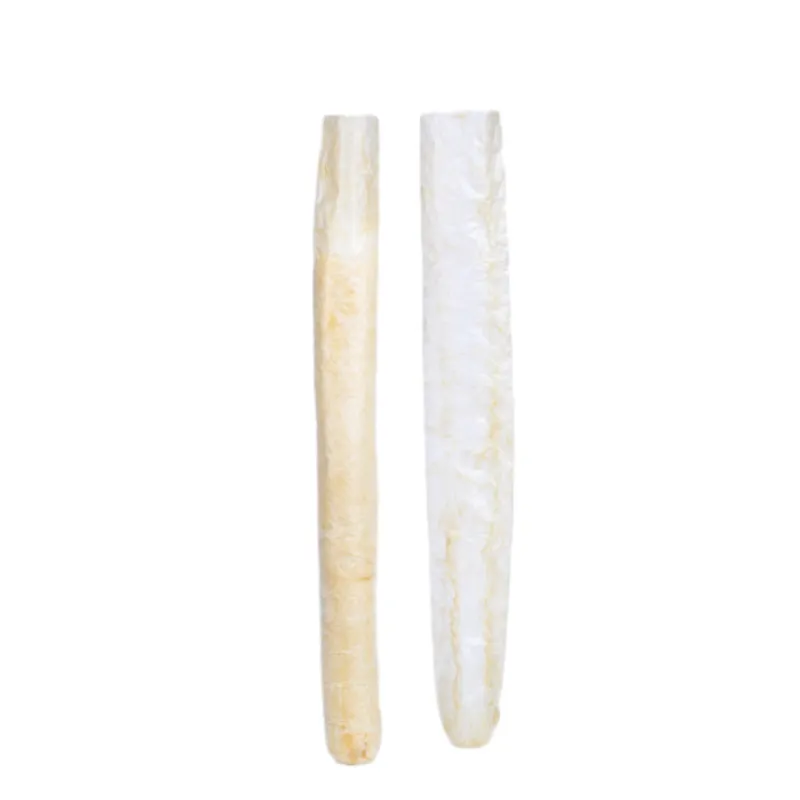
How to Use Dry Sausage Casing: Expert Tips for Homemade Curing

Technical Specifications and Parameters

The performance of a dried hog casing is defined by a set of precise technical parameters. These specifications are critical for food engineers and production managers to ensure optimal stuffing, cooking, and final product characteristics.

Dried Hog Casing - Typical Product Specifications
Parameter Specification Range Impact on Usage
Caliber (Diameter) 28mm - 40mm (e.g., 28/30, 30/32, 32/35, 35/38, 38/40) Determines sausage thickness and suitability for specific products (e.g., breakfast sausages, frankfurters). Critical for automated stuffing.
Moisture Content Typically Ensures shelf stability and dictates rehydration requirements before how to use dry sausage casing. Lower moisture extends shelf life significantly.
Tensile Strength > 15 N/cm² (after rehydration) Resistance to breakage during stuffing and handling. A strong casing minimizes production losses.
Permeability (Smoke/Moisture) High Allows for optimal smoke penetration and moisture release during drying/cooking, crucial for flavor and texture development in smoked and cured sausages.
Salt Content > 20% by weight Primary preservative. Requires thorough rinsing before use to prevent excessively salty flavor in the final product.
Stuffing Yield Typically 50-60 lbs/hank (after rehydration) Measures the amount of sausage meat a hank can hold, directly impacting production efficiency and cost per unit.

These parameters are meticulously monitored throughout the production cycle, often using methods aligned with ISO and ANSI standards for food product evaluation. The specific structure of natural collagen fibers provides the desirable 'snap' and mouthfeel, which synthetic casings often struggle to replicate.
How to Use Dry Sausage Casing: Expert Tips for Homemade Curing

Application Scenarios and Industry Trends

The versatility of dried hog casings makes them suitable for a diverse range of applications across the food industry. From traditional artisanal products to large-scale industrial processing, their inherent qualities provide significant advantages.

  • Fresh Sausages: Ideal for products like breakfast sausages, Italian sausage, and Bratwurst, where a tender bite and appealing natural curvature are desired. The rehydrated casing provides a robust yet pliable conduit for various meat formulations.
  • Smoked and Cured Sausages: Essential for products such as frankfurters, knockwurst, and some regional specialties. The permeability of dried sausage casings allows smoke to infuse evenly, contributing to characteristic flavor, color, and extended shelf life through controlled moisture loss.
  • Dry-Cured Sausages: While sometimes requiring different casing types, thinner dried hog casings can be used for smaller diameter dry-cured sausages where slow, even drying is paramount. Their natural collagen structure supports the complex biochemical processes of curing.

Industry Trends Shaping Casing Usage:

  • Clean Label Movement: Consumers increasingly demand products with natural ingredients and minimal processing. Natural casings, including dried hog casing, align perfectly with this trend, providing an authentic, transparent ingredient list.
  • Artisanal and Craft Food Boom: The resurgence of artisanal meat production has driven demand for high-quality natural casings. Craft butchers and small-batch producers value the traditional appearance and texture that only natural casings can provide.
  • Automation in Production: While natural, modern dried casings are processed to ensure consistent caliber and strength, facilitating their use in automated stuffing lines. This marries traditional quality with industrial efficiency. Manufacturers need to understand precisely how to use dry sausage casing with their existing equipment.
  • Global Market Expansion: As international food trade grows, the need for shelf-stable, high-quality ingredients like dried hog casings becomes more pronounced, simplifying logistics and extending market reach.
How to Use Dry Sausage Casing: Expert Tips for Homemade Curing

Technical Advantages of Dried Hog Casings

Selecting dried hog casings offers several distinct technical advantages that contribute to superior product quality and operational efficiency in B2B meat processing.

  • Extended Shelf Life and Storage: The primary advantage of dried casings is their significantly extended shelf life compared to fresh or even salted casings. With low moisture content, they can be stored at ambient temperatures for prolonged periods (typically 12-24 months), reducing refrigeration costs and simplifying inventory management. This logistical benefit is crucial for large-scale operations.
  • Enhanced Strength and Elasticity: The drying process, when correctly executed, results in a more robust and resilient casing structure. When properly rehydrated, dried hog casings exhibit excellent tensile strength and elasticity, minimizing breakage during high-speed stuffing operations and cooking, thereby reducing product loss.
  • Superior Permeability: Natural casings are inherently permeable to smoke and moisture. This characteristic is vital for products requiring smoking or drying, as it allows for uniform flavor absorption and controlled moisture loss, leading to optimal texture and preservation. This permeability is often superior to many synthetic alternatives.
  • Natural Aesthetic and Mouthfeel: The natural, slightly irregular appearance and the characteristic "snap" or "bite" provided by dried sausage casings are highly valued by consumers. This natural appeal cannot be fully replicated by most artificial casings, directly impacting consumer preference and brand perception.
  • Consistency in Caliber: Modern processing techniques for dried hog casing include rigorous sorting and grading, ensuring a high degree of caliber consistency within each hank. This uniformity is essential for automated production lines, leading to predictable sausage sizes and weights.
  • Cost-Effectiveness (Long-Term): While initial cost might vary, the benefits of reduced spoilage, extended storage, and efficient stuffing often translate to lower overall operational costs and higher yields over the long term. This demonstrates a clear return on investment for those who master how to use dry sausage casing effectively.
How to Use Dry Sausage Casing: Expert Tips for Homemade Curing

Vendor Comparison and Customization Solutions

Choosing the right supplier for dried hog casings is a critical strategic decision for meat processors. Vendors differ not only in product quality but also in their ability to offer specialized services and customized solutions.

Key Factors for Vendor Comparison:

  • Quality Consistency: Reputable vendors ensure consistent caliber, strength, and integrity across all batches. This is paramount for high-volume automated processing. Look for ISO and FDA-approved suppliers.
  • Sourcing and Traceability: Transparency in sourcing raw materials (hogs) and robust traceability systems are essential for food safety and regulatory compliance.
  • Supply Chain Reliability: The ability to deliver consistent supply, especially for bulk orders, is crucial for maintaining production schedules.
  • Technical Support and Expertise: A vendor that can provide guidance on optimal rehydration techniques, stuffing pressures, and problem-solving for specific applications offers significant value to clients learning how to use dry sausage casing efficiently.
  • Customization Capabilities: The ability to provide specific calibers, lengths, or even pre-tubed options can significantly streamline production processes.
Dried Hog Casing Vendor Comparison Factors (Hypothetical)
Feature/Service Vendor A (RTCasing.com) Vendor B (Competitor)
Product Range (Caliber) 28mm-40mm, various lengths Limited to common 30-38mm
Quality Certifications ISO 22000, HACCP, FDA-compliant Basic food safety only
Customization Options Specific length, tubed, pre-flushed options Standard Hanks only
Technical Support Dedicated product specialists, usage guides Limited to basic inquiries
Lead Time for Bulk Orders 2-4 weeks (dependent on volume) 4-6 weeks or longer

Customization Solutions:

Leading suppliers offer tailored solutions to meet specific production needs. This can include:

  • Specific Caliber and Length Combinations: For specialized sausage products requiring precise dimensions.
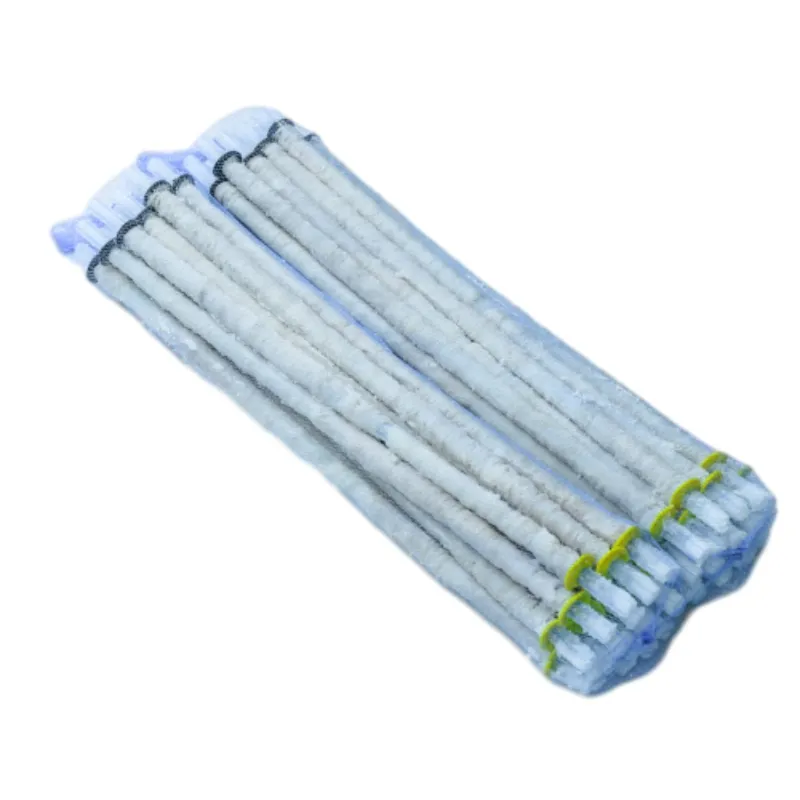
  • Tubed Casings: Pre-loaded casings onto plastic tubes significantly reduce preparation time and labor costs in high-volume operations, simplifying how to use dry sausage casing on automatic stuffers.
  • Pre-Flushed Casings: Some solutions offer casings pre-flushed to reduce the initial rinsing required by the client, though thorough rehydration remains critical.
  • Packaging Options: Bulk packaging, vacuum-sealed bags, or retail-ready formats depending on the client's distribution model.
How to Use Dry Sausage Casing: Expert Tips for Homemade Curing

Real-World Application Case Studies

Understanding how to use dry sausage casing optimally is best illustrated through practical examples. These case studies highlight the tangible benefits for B2B clients.

Case Study 1: Large-Scale Frankfurther Production

A major European meat processor, facing challenges with inconsistent casing strength and limited shelf life from traditional salted casings, transitioned to a premium supplier of dried hog casings. By implementing a standardized rehydration protocol and leveraging pre-tubed casings, they achieved:

  • Reduced Breakage: A 15% reduction in casing breakage during high-speed stuffing, leading to significant yield improvements.
  • Increased Throughput: Automation benefits from consistent casing dimensions and strength allowed for a 10% increase in daily production volume.
  • Improved Logistics: Ambient storage capabilities eliminated the need for refrigerated casing storage, saving approximately 8% in energy costs for warehousing.

Client Feedback: "The transition to dried hog casings from RTCasing.com was seamless. The consistency and shelf life have streamlined our operations and improved our bottom line significantly."

Case Study 2: Artisanal Specialty Sausage Manufacturer

An artisanal producer of gourmet sausages sought to expand their market reach to distant regions without compromising on product quality or requiring specialized refrigerated transport for their casings. By switching to dried sausage casings, they were able to:

  • Enhance Product Reach: Ship casings to production facilities that lacked extensive cold storage infrastructure.
  • Maintain Quality and Authenticity: Preserve the natural look, feel, and smoke absorption crucial for their premium brand image.
  • Optimize Inventory: Order larger quantities, benefiting from bulk pricing, and store them efficiently without fear of spoilage, resulting in a 7% reduction in raw material costs.

Client Feedback: "RTCasing's dried hog casings allowed us to scale our unique product while retaining the handcrafted quality our customers expect. Their consistency makes all the difference."
How to Use Dry Sausage Casing: Expert Tips for Homemade Curing

FAQ: Optimizing Your Use of Dried Hog Casings

Q1: What is the proper rehydration process for dried hog casings?
A: Rehydration is crucial. Begin by rinsing the salt off the casings under cool running water. Then, soak them in lukewarm water (approx. 30-35°C or 86-95°F) for at least 30-60 minutes, changing the water several times. For optimal elasticity, some processors add a small amount of vinegar or lemon juice to the final soak water. The casings should be pliable and transparent before use, making them ready for stuffing.
Q2: Can dried sausage casings be used on automated stuffing equipment?
A: Yes, absolutely. Modern dried hog casings are processed and graded for consistent caliber and strength, making them highly compatible with automated stuffing machines. For maximum efficiency, consider pre-tubed options offered by suppliers like RTCasing.com, which minimize handling and preparation time.
Q3: What is the typical shelf life of dried hog casing?
A: When stored in a cool, dry place away from direct sunlight and temperature fluctuations (typically below 20°C or 68°F), dried hog casings have a shelf life of 12 to 24 months from the production date. Proper sealing and packaging are vital to prevent moisture absorption.
Q4: Are there any specific food safety certifications for these casings?
A: Reputable manufacturers adhere to strict food safety standards. Look for suppliers who comply with international standards such as ISO 22000 (Food Safety Management Systems), HACCP principles, and are often regulated by authorities like the USDA or FDA in their respective regions. Traceability from source to final product is also a key indicator of quality and safety.
Q5: How do dried hog casings compare to collagen or fibrous casings?
A: Dried hog casings are natural products, offering superior permeability for smoking and a distinct 'snap' that collagen casings often mimic but rarely perfectly replicate. Fibrous casings are much stronger and larger, typically used for products like salami and bologna, and are generally inedible, unlike natural dried hog casings. The choice depends heavily on the desired final product characteristics and processing method.
How to Use Dry Sausage Casing: Expert Tips for Homemade Curing

Lead Time, Warranty, and After-Sales Support

At RTCasing, we understand that reliability and support are as crucial as product quality for our B2B partners. Our commitment extends beyond providing premium dried hog casings to ensuring a seamless procurement and usage experience.

Lead Time and Fulfillment:

Standard orders for dried hog casings typically have a lead time of 2-4 weeks, depending on order volume and specific customization requirements (e.g., specific caliber selections, pre-tubing). Expedited shipping options are available upon request for urgent requirements. We maintain robust inventory levels of popular calibers to facilitate faster turnaround times where possible. Our logistics team works diligently to ensure timely and efficient delivery to locations worldwide, minimizing disruptions to your production schedule.

Warranty Commitments:

RTCasing stands behind the quality of its dried sausage casing products. We offer a comprehensive warranty against manufacturing defects and non-compliance with agreed-upon specifications for a period of 12 months from the date of shipment, provided the products are stored and handled according to our recommendations. This commitment ensures that our clients receive products that meet or exceed industry standards, giving them confidence in how to use dry sausage casing from our supply chain.

Customer Support and Technical Assistance:

Our dedicated customer support team and technical specialists are available to assist with any inquiries related to product selection, rehydration techniques, stuffing optimization, and troubleshooting. We provide detailed user guides and can offer on-site consultation for large-scale operations. From initial inquiry to post-delivery support, our goal is to ensure that our clients are fully equipped to maximize the benefits of our premium dried hog casings. Contact us via phone, email, or our online portal for prompt and expert assistance.

References

  1. International Organization for Standardization. ISO 22000:2018, Food safety management systems — Requirements for any organization in the food chain. Geneva, Switzerland.
  2. United States Department of Agriculture (USDA), Food Safety and Inspection Service (FSIS). General Guidelines for Casing Use in Sausage Production. Available at: www.fsis.usda.gov
  3. European Food Safety Authority (EFSA). Scientific Opinion on the safety of natural casings. EFSA Journal 2014;12(10):3884.
  4. Pearson, A. M., & Gillett, T. A. (1996). Processed Meats. Springer Science & Business Media. ISBN: 978-0834215241.
  5. American Meat Science Association (AMSA). Casing Selection Guide for Meat Processors. Available at: www.meatscience.org
Hot Sale Natural Casings

Hot Sale Natural Casings

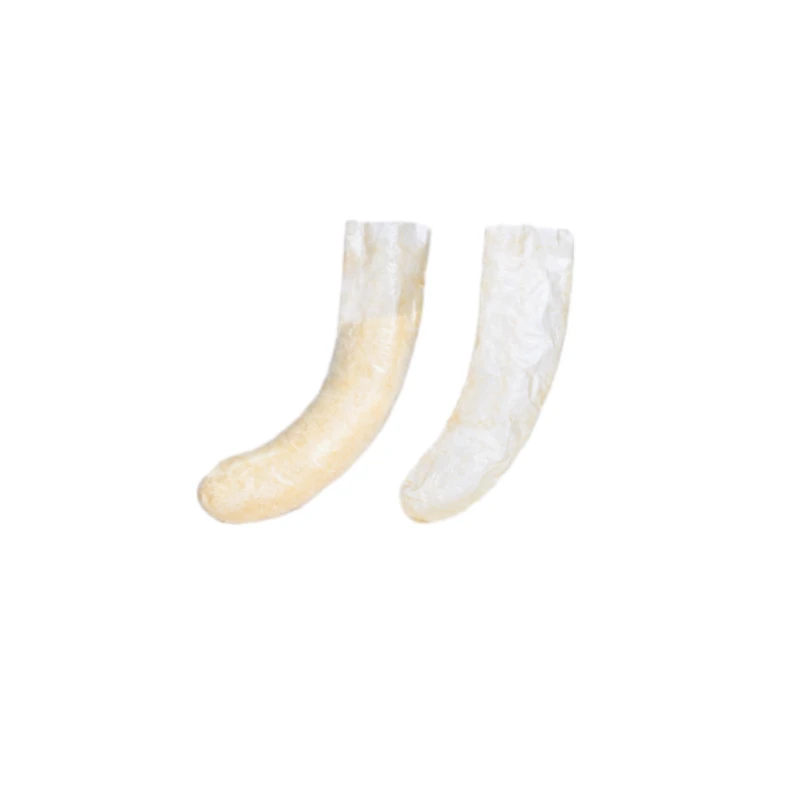
Our Salted Casings preserve this tradition through careful brine curing, delivering ready-to-use convenience without compromising the natural elasticity and strength that professionals demand. Meanwhile, our Dried Hog Casings offer exceptional shelf stability and lightweight handling, rehydrating to restore all the desirable qualities of fresh casings.

Salted Hog Casings
Hog casings, made from the intestines of pigs, are widely used in sausage production due to their unique properties.
Dried Hog Casing
Dried casings are widely used in the food industry, particularly for sausage production, due to their convenience, consistency, and cost-effectiveness.
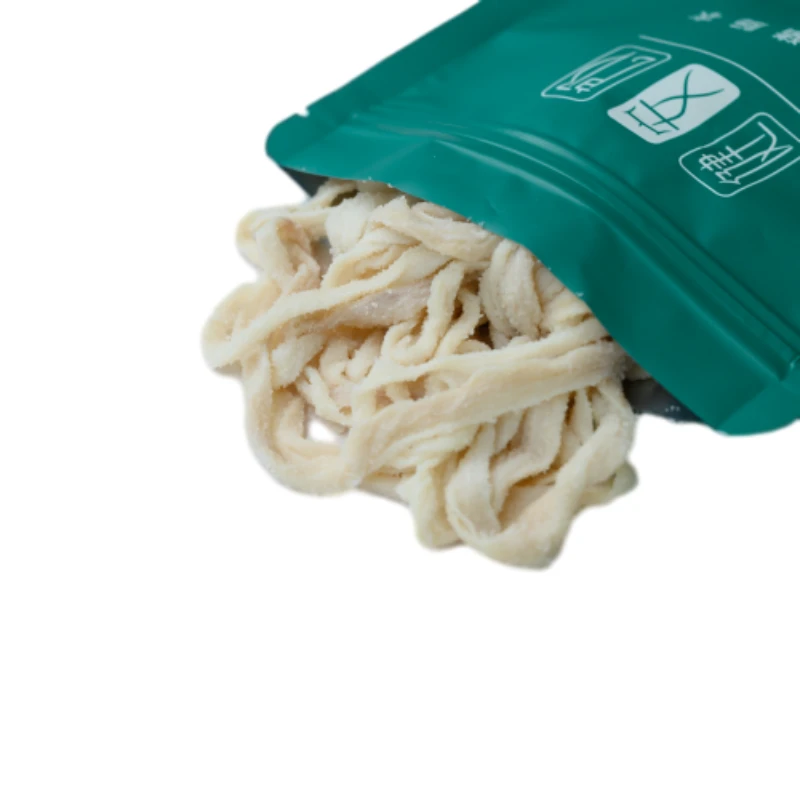
Salted Sheep Casings
By controlling the supply chain from slaughterhouse to final product, we deliver uncompromised quality—the key to premium sausage craftsmanship.

LATEST NEWS

Runtai Casings' Latest News delivers essential updates and expert analysis on the evolving sausage casing industry, keeping you at the forefront of technological innovations, quality advancements, and global market trends. Our carefully curated content provides valuable perspectives on emerging processing techniques, shifting international standards, and new opportunities in the global marketplace - all designed to help industry professionals make informed decisions and maintain a competitive edge.

Oct. 27, 2025

Natural Hog Casings for Sale - Fresh, Uniform, Ready to Use
  Buying Guide and Field Notes on natural hog casings for sale If you make sausages for a livin
READ MORE

Nov. 03, 2025

Natural Hog Casings for Sale – Fresh, Pre-Tubed, Bulk
  Natural Hog Casings For Sale is a key solution in the food industry, specifically within meat
READ MORE

How to Use Dry Sausage Casing: Expert Tips for Homemade Curing

Sep . 08, 2025 16:38

Understanding Dry Sausage Casings in Modern Food Production

In the highly specialized domain of processed meats, the choice of casing significantly impacts product quality, shelf life, and consumer appeal. For manufacturers seeking a balance of tradition and efficiency, understanding how to use dry sausage casing is paramount. These natural casings, derived primarily from hog intestines, offer distinctive advantages over their fresh or salted counterparts, facilitating longer preservation and enhanced flavor development in a wide array of sausage products. This detailed guide explores the technical aspects, application nuances, and strategic benefits associated with dried hog casings in contemporary B2B food processing.

The demand for natural casings remains robust due to their inherent permeability to smoke and moisture, contributing to superior texture and taste profiles. Dried hog casing offers a convenient, shelf-stable solution that simplifies logistics and inventory management for industrial-scale operations and artisanal producers alike. This section will delve into the critical technical specifications, operational advantages, and strategic considerations for integrating these casings into advanced food manufacturing processes.

how to use dry sausage casing

The Manufacturing Process of Dried Hog Casing

The production of dried hog casings is a meticulous process demanding precision and adherence to stringent hygiene standards. Unlike mechanical fabrication, it leverages biological structures with carefully controlled curing and drying techniques. Understanding this process is key to appreciating the quality and performance of the final product when considering how to use dry sausage casing.

  1. Sourcing and Initial Cleaning: Fresh hog intestines are carefully sourced from approved abattoirs. Immediately after slaughter, they undergo rigorous cleaning to remove residual contents, fat, and the outer serosa layer. This stage is critical for preventing microbial growth and ensuring purity.
  2. Sliming and Stripping: The inner mucosal layer (slime) is methodically removed using specialized mechanical equipment or manual techniques. This exposes the sub-mucosal layer, which forms the structural integrity of the casing. This step directly influences the casing's final strength and stuffing capacity.
  3. Calibration and Grading: Casings are then meticulously calibrated for diameter (caliber) and graded based on their visual quality, strength, and absence of perforations. This ensures consistency for automated stuffing operations. Common calibers for dried hog casings range from 28mm to 40mm.
  4. Salting and Curing: The cleaned and graded casings are heavily salted with food-grade sodium chloride. This curing process draws out moisture through osmosis, inhibits bacterial activity, and prepares the casing for drying. Salting is typically done in multiple stages to ensure thorough penetration.
  5. Drying Process: Following salting, the casings are air-dried in controlled environments. This process involves precise regulation of temperature, humidity, and airflow to achieve a specific moisture content, typically below 15%. This drying transforms the casing into a shelf-stable product with enhanced elasticity and firmness. The absence of excessive moisture is what defines a dried sausage casing and contributes to its extended service life.
  6. Final Inspection and Packaging: Each batch undergoes a final quality inspection, checking for uniform drying, absence of defects, and correct caliber. The dried casings are then bundled and packaged in airtight, food-grade container111s to protect them from moisture and environmental contaminants, ensuring they maintain their quality until rehydration.

The manufacturing process adheres to international food safety standards such as ISO 22000 and HACCP principles, ensuring product safety and quality for target industries including artisanal butcheries, large-scale meat processors, and specialty food manufacturers. The inherent advantages, such as extended shelf life and consistent performance, make dried sausage casings an indispensable component in the production of high-quality sausages.

how to use dry sausage casing

Technical Specifications and Parameters

The performance of a dried hog casing is defined by a set of precise technical parameters. These specifications are critical for food engineers and production managers to ensure optimal stuffing, cooking, and final product characteristics.

Dried Hog Casing - Typical Product Specifications
Parameter Specification Range Impact on Usage
Caliber (Diameter) 28mm - 40mm (e.g., 28/30, 30/32, 32/35, 35/38, 38/40) Determines sausage thickness and suitability for specific products (e.g., breakfast sausages, frankfurters). Critical for automated stuffing.
Moisture Content Typically < 15% Ensures shelf stability and dictates rehydration requirements before how to use dry sausage casing. Lower moisture extends shelf life significantly.
Tensile Strength > 15 N/cm² (after rehydration) Resistance to breakage during stuffing and handling. A strong casing minimizes production losses.
Permeability (Smoke/Moisture) High Allows for optimal smoke penetration and moisture release during drying/cooking, crucial for flavor and texture development in smoked and cured sausages.
Salt Content > 20% by weight Primary preservative. Requires thorough rinsing before use to prevent excessively salty flavor in the final product.
Stuffing Yield Typically 50-60 lbs/hank (after rehydration) Measures the amount of sausage meat a hank can hold, directly impacting production efficiency and cost per unit.

These parameters are meticulously monitored throughout the production cycle, often using methods aligned with ISO and ANSI standards for food product evaluation. The specific structure of natural collagen fibers provides the desirable 'snap' and mouthfeel, which synthetic casings often struggle to replicate.

how to use dry sausage casing

Application Scenarios and Industry Trends

The versatility of dried hog casings makes them suitable for a diverse range of applications across the food industry. From traditional artisanal products to large-scale industrial processing, their inherent qualities provide significant advantages.

  • Fresh Sausages: Ideal for products like breakfast sausages, Italian sausage, and Bratwurst, where a tender bite and appealing natural curvature are desired. The rehydrated casing provides a robust yet pliable conduit for various meat formulations.
  • Smoked and Cured Sausages: Essential for products such as frankfurters, knockwurst, and some regional specialties. The permeability of dried sausage casings allows smoke to infuse evenly, contributing to characteristic flavor, color, and extended shelf life through controlled moisture loss.
  • Dry-Cured Sausages: While sometimes requiring different casing types, thinner dried hog casings can be used for smaller diameter dry-cured sausages where slow, even drying is paramount. Their natural collagen structure supports the complex biochemical processes of curing.

Industry Trends Shaping Casing Usage:

  • Clean Label Movement: Consumers increasingly demand products with natural ingredients and minimal processing. Natural casings, including dried hog casing, align perfectly with this trend, providing an authentic, transparent ingredient list.
  • Artisanal and Craft Food Boom: The resurgence of artisanal meat production has driven demand for high-quality natural casings. Craft butchers and small-batch producers value the traditional appearance and texture that only natural casings can provide.
  • Automation in Production: While natural, modern dried casings are processed to ensure consistent caliber and strength, facilitating their use in automated stuffing lines. This marries traditional quality with industrial efficiency. Manufacturers need to understand precisely how to use dry sausage casing with their existing equipment.
  • Global Market Expansion: As international food trade grows, the need for shelf-stable, high-quality ingredients like dried hog casings becomes more pronounced, simplifying logistics and extending market reach.
how to use dry sausage casing

Technical Advantages of Dried Hog Casings

Selecting dried hog casings offers several distinct technical advantages that contribute to superior product quality and operational efficiency in B2B meat processing.

  • Extended Shelf Life and Storage: The primary advantage of dried casings is their significantly extended shelf life compared to fresh or even salted casings. With low moisture content, they can be stored at ambient temperatures for prolonged periods (typically 12-24 months), reducing refrigeration costs and simplifying inventory management. This logistical benefit is crucial for large-scale operations.
  • Enhanced Strength and Elasticity: The drying process, when correctly executed, results in a more robust and resilient casing structure. When properly rehydrated, dried hog casings exhibit excellent tensile strength and elasticity, minimizing breakage during high-speed stuffing operations and cooking, thereby reducing product loss.
  • Superior Permeability: Natural casings are inherently permeable to smoke and moisture. This characteristic is vital for products requiring smoking or drying, as it allows for uniform flavor absorption and controlled moisture loss, leading to optimal texture and preservation. This permeability is often superior to many synthetic alternatives.
  • Natural Aesthetic and Mouthfeel: The natural, slightly irregular appearance and the characteristic "snap" or "bite" provided by dried sausage casings are highly valued by consumers. This natural appeal cannot be fully replicated by most artificial casings, directly impacting consumer preference and brand perception.
  • Consistency in Caliber: Modern processing techniques for dried hog casing include rigorous sorting and grading, ensuring a high degree of caliber consistency within each hank. This uniformity is essential for automated production lines, leading to predictable sausage sizes and weights.
  • Cost-Effectiveness (Long-Term): While initial cost might vary, the benefits of reduced spoilage, extended storage, and efficient stuffing often translate to lower overall operational costs and higher yields over the long term. This demonstrates a clear return on investment for those who master how to use dry sausage casing effectively.
how to use dry sausage casing

Vendor Comparison and Customization Solutions

Choosing the right supplier for dried hog casings is a critical strategic decision for meat processors. Vendors differ not only in product quality but also in their ability to offer specialized services and customized solutions.

Key Factors for Vendor Comparison:

  • Quality Consistency: Reputable vendors ensure consistent caliber, strength, and integrity across all batches. This is paramount for high-volume automated processing. Look for ISO and FDA-approved suppliers.
  • Sourcing and Traceability: Transparency in sourcing raw materials (hogs) and robust traceability systems are essential for food safety and regulatory compliance.
  • Supply Chain Reliability: The ability to deliver consistent supply, especially for bulk orders, is crucial for maintaining production schedules.
  • Technical Support and Expertise: A vendor that can provide guidance on optimal rehydration techniques, stuffing pressures, and problem-solving for specific applications offers significant value to clients learning how to use dry sausage casing efficiently.
  • Customization Capabilities: The ability to provide specific calibers, lengths, or even pre-tubed options can significantly streamline production processes.
Dried Hog Casing Vendor Comparison Factors (Hypothetical)
Feature/Service Vendor A (RTCasing.com) Vendor B (Competitor)
Product Range (Caliber) 28mm-40mm, various lengths Limited to common 30-38mm
Quality Certifications ISO 22000, HACCP, FDA-compliant Basic food safety only
Customization Options Specific length, tubed, pre-flushed options Standard Hanks only
Technical Support Dedicated product specialists, usage guides Limited to basic inquiries
Lead Time for Bulk Orders 2-4 weeks (dependent on volume) 4-6 weeks or longer

Customization Solutions:

Leading suppliers offer tailored solutions to meet specific production needs. This can include:

  • Specific Caliber and Length Combinations: For specialized sausage products requiring precise dimensions.
  • Tubed Casings: Pre-loaded casings onto plastic tubes significantly reduce preparation time and labor costs in high-volume operations, simplifying how to use dry sausage casing on automatic stuffers.
  • Pre-Flushed Casings: Some solutions offer casings pre-flushed to reduce the initial rinsing required by the client, though thorough rehydration remains critical.
  • Packaging Options: Bulk packaging, vacuum-sealed bags, or retail-ready formats depending on the client's distribution model.
how to use dry sausage casing

Real-World Application Case Studies

Understanding how to use dry sausage casing optimally is best illustrated through practical examples. These case studies highlight the tangible benefits for B2B clients.

Case Study 1: Large-Scale Frankfurther Production

A major European meat processor, facing challenges with inconsistent casing strength and limited shelf life from traditional salted casings, transitioned to a premium supplier of dried hog casings. By implementing a standardized rehydration protocol and leveraging pre-tubed casings, they achieved:

  • Reduced Breakage: A 15% reduction in casing breakage during high-speed stuffing, leading to significant yield improvements.
  • Increased Throughput: Automation benefits from consistent casing dimensions and strength allowed for a 10% increase in daily production volume.
  • Improved Logistics: Ambient storage capabilities eliminated the need for refrigerated casing storage, saving approximately 8% in energy costs for warehousing.

Client Feedback: "The transition to dried hog casings from RTCasing.com was seamless. The consistency and shelf life have streamlined our operations and improved our bottom line significantly."

Case Study 2: Artisanal Specialty Sausage Manufacturer

An artisanal producer of gourmet sausages sought to expand their market reach to distant regions without compromising on product quality or requiring specialized refrigerated transport for their casings. By switching to dried sausage casings, they were able to:

  • Enhance Product Reach: Ship casings to production facilities that lacked extensive cold storage infrastructure.
  • Maintain Quality and Authenticity: Preserve the natural look, feel, and smoke absorption crucial for their premium brand image.
  • Optimize Inventory: Order larger quantities, benefiting from bulk pricing, and store them efficiently without fear of spoilage, resulting in a 7% reduction in raw material costs.

Client Feedback: "RTCasing's dried hog casings allowed us to scale our unique product while retaining the handcrafted quality our customers expect. Their consistency makes all the difference."

how to use dry sausage casing

FAQ: Optimizing Your Use of Dried Hog Casings

Q1: What is the proper rehydration process for dried hog casings?
A: Rehydration is crucial. Begin by rinsing the salt off the casings under cool running water. Then, soak them in lukewarm water (approx. 30-35°C or 86-95°F) for at least 30-60 minutes, changing the water several times. For optimal elasticity, some processors add a small amount of vinegar or lemon juice to the final soak water. The casings should be pliable and transparent before use, making them ready for stuffing.
Q2: Can dried sausage casings be used on automated stuffing equipment?
A: Yes, absolutely. Modern dried hog casings are processed and graded for consistent caliber and strength, making them highly compatible with automated stuffing machines. For maximum efficiency, consider pre-tubed options offered by suppliers like RTCasing.com, which minimize handling and preparation time.
Q3: What is the typical shelf life of dried hog casing?
A: When stored in a cool, dry place away from direct sunlight and temperature fluctuations (typically below 20°C or 68°F), dried hog casings have a shelf life of 12 to 24 months from the production date. Proper sealing and packaging are vital to prevent moisture absorption.
Q4: Are there any specific food safety certifications for these casings?
A: Reputable manufacturers adhere to strict food safety standards. Look for suppliers who comply with international standards such as ISO 22000 (Food Safety Management Systems), HACCP principles, and are often regulated by authorities like the USDA or FDA in their respective regions. Traceability from source to final product is also a key indicator of quality and safety.
Q5: How do dried hog casings compare to collagen or fibrous casings?
A: Dried hog casings are natural products, offering superior permeability for smoking and a distinct 'snap' that collagen casings often mimic but rarely perfectly replicate. Fibrous casings are much stronger and larger, typically used for products like salami and bologna, and are generally inedible, unlike natural dried hog casings. The choice depends heavily on the desired final product characteristics and processing method.
how to use dry sausage casing

Lead Time, Warranty, and After-Sales Support

At RTCasing, we understand that reliability and support are as crucial as product quality for our B2B partners. Our commitment extends beyond providing premium dried hog casings to ensuring a seamless procurement and usage experience.

Lead Time and Fulfillment:

Standard orders for dried hog casings typically have a lead time of 2-4 weeks, depending on order volume and specific customization requirements (e.g., specific caliber selections, pre-tubing). Expedited shipping options are available upon request for urgent requirements. We maintain robust inventory levels of popular calibers to facilitate faster turnaround times where possible. Our logistics team works diligently to ensure timely and efficient delivery to locations worldwide, minimizing disruptions to your production schedule.

Warranty Commitments:

RTCasing stands behind the quality of its dried sausage casing products. We offer a comprehensive warranty against manufacturing defects and non-compliance with agreed-upon specifications for a period of 12 months from the date of shipment, provided the products are stored and handled according to our recommendations. This commitment ensures that our clients receive products that meet or exceed industry standards, giving them confidence in how to use dry sausage casing from our supply chain.

Customer Support and Technical Assistance:

Our dedicated customer support team and technical specialists are available to assist with any inquiries related to product selection, rehydration techniques, stuffing optimization, and troubleshooting. We provide detailed user guides and can offer on-site consultation for large-scale operations. From initial inquiry to post-delivery support, our goal is to ensure that our clients are fully equipped to maximize the benefits of our premium dried hog casings. Contact us via phone, email, or our online portal for prompt and expert assistance.

References

  1. International Organization for Standardization. ISO 22000:2018, Food safety management systems — Requirements for any organization in the food chain. Geneva, Switzerland.
  2. United States Department of Agriculture (USDA), Food Safety and Inspection Service (FSIS). General Guidelines for Casing Use in Sausage Production. Available at: www.fsis.usda.gov
  3. European Food Safety Authority (EFSA). Scientific Opinion on the safety of natural casings. EFSA Journal 2014;12(10):3884.
  4. Pearson, A. M., & Gillett, T. A. (1996). Processed Meats. Springer Science & Business Media. ISBN: 978-0834215241.
  5. American Meat Science Association (AMSA). Casing Selection Guide for Meat Processors. Available at: www.meatscience.org
  • Read phone
  • Read email
  • Read whatsapp
  • go to top

If you are interested in our products, you can choose to leave your information here, and we will be in touch with you shortly.