Jan . 30, 2026 15:00
Understanding Smoked Sausage Casing: A Comprehensive Guide
Smoked sausage casing is a crucial component in the production of various sausages, impacting texture, flavor, and overall product quality. Choosing the right casing is essential for manufacturers aiming to deliver a superior product. This article delves into the different types of smoked sausage casing available, their properties, applications, and the factors to consider when selecting the best option for your needs. We'll explore both natural and artificial casings, covering their advantages and disadvantages.
Types of Smoked Sausage Casing
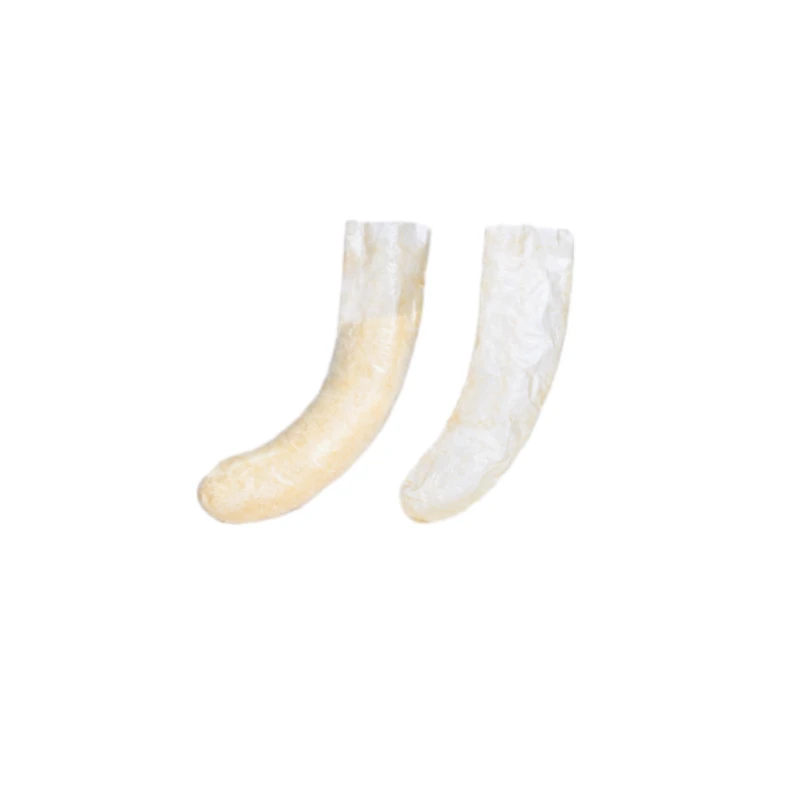
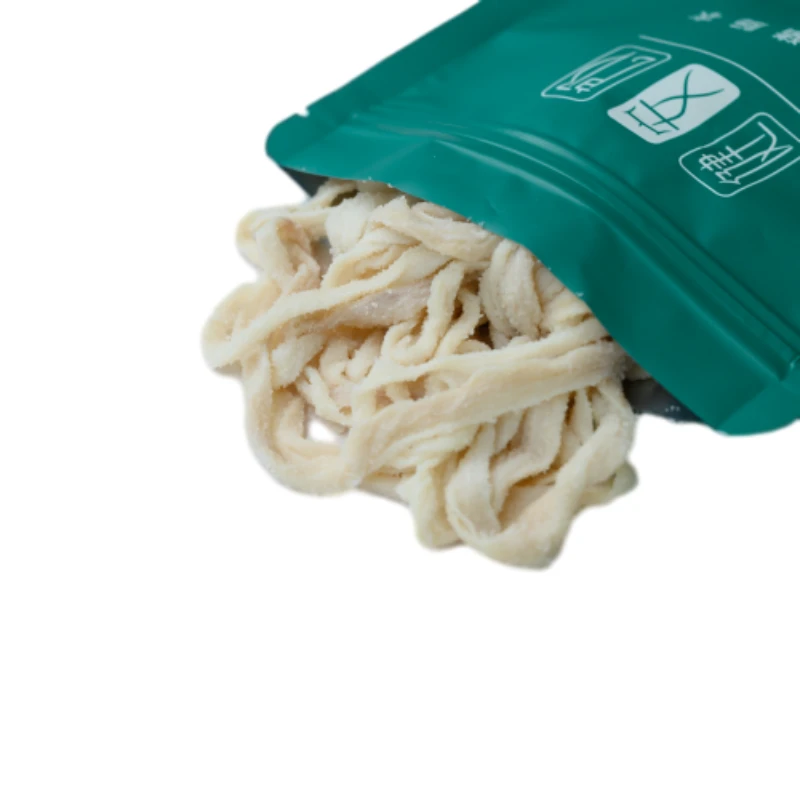
There are two primary categories of smoked sausage casing: natural and artificial. Natural casings are derived from the intestinal walls of animals, typically hogs, sheep, or cattle. They offer excellent snap and a distinctive texture. Artificial casings, on the other hand, are manufactured from various materials like collagen, cellulose, or plastic. These provide consistency and are often more cost-effective. Each type caters to different production requirements and desired product characteristics. Understanding the nuances of each is critical for successful sausage production.
Key Highlights: Natural casings offer superior snap and flavor, while artificial casings provide consistency and cost-effectiveness. The best choice depends on your specific production needs and target product quality.
Natural vs. Artificial Smoked Sausage Casing: A Detailed Comparison
Choosing between natural and artificial casings involves weighing several factors. Natural casings, while preferred for their authentic texture and snap, require more meticulous handling and are subject to variations in size and strength. Artificial casings offer uniform caliber and are less prone to tearing during stuffing. However, they may not replicate the exact eating experience of natural casings. The best choice depends on your production volume, desired product quality, and budget.
Comparison Table:
• Natural Casings: Superior snap, authentic flavor, require careful handling, variable size & strength.
• Artificial Casings: Uniform caliber, less prone to tearing, consistent quality, may lack the authentic snap of natural casings.
Factors Influencing Smoked Sausage Casing Selection
Several factors play a role in selecting the appropriate smoked sausage casing. These include the type of sausage being produced (e.g., frankfurters, bratwurst, kielbasa), the desired texture and snap, the production volume, and the budget. The smoking process itself also influences casing choice, as some casings are more resistant to shrinkage and cracking during smoking. Understanding these factors will help you optimize your production process and deliver a high-quality product.
The Role of Collagen Casings in Smoked Sausage Production
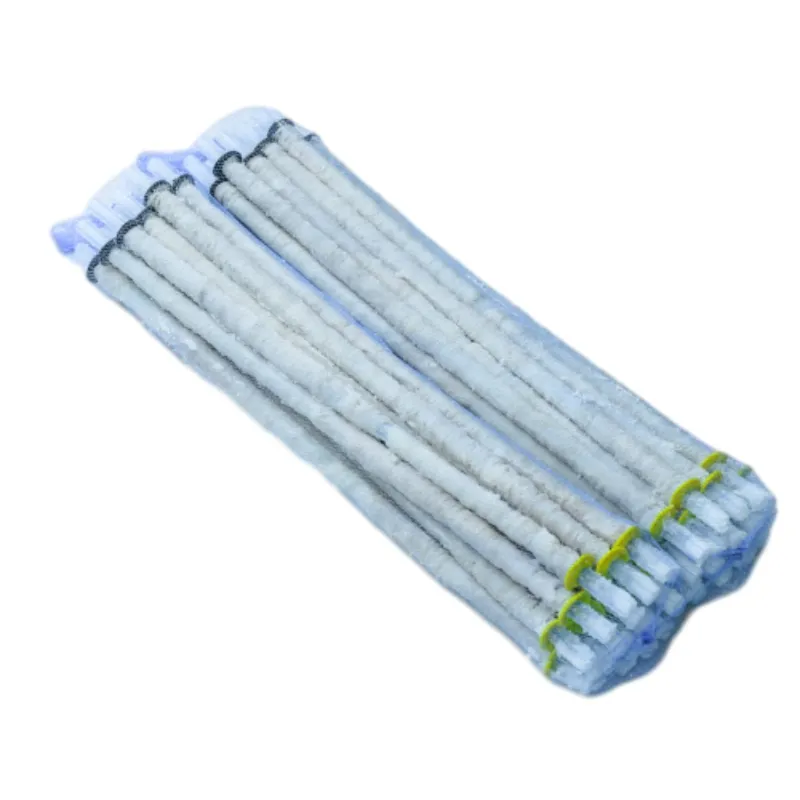
Collagen casings represent a middle ground between natural and traditional artificial options. Derived from the collagen found in animal hides, they offer a good balance of performance characteristics. Collagen casings provide excellent snap, a natural appearance, and are suitable for a wide range of smoked sausage products. They are also generally more consistent in caliber than natural casings. RTCasing specializes in high-quality collagen casings designed to meet the demanding requirements of modern sausage production.
Selecting the Right Supplier for Smoked Sausage Casings
Choosing a reliable supplier is just as important as selecting the right casing type. Look for a supplier with a proven track record of quality, consistency, and timely delivery. RTCasing is a leading provider of smoked sausage casings, offering a wide range of products and expert technical support. A good supplier should also be able to provide guidance on casing selection and optimization for your specific application.
Conclusion: Optimizing Your Sausage Production with the Right Casing
Selecting the appropriate smoked sausage casing is crucial for achieving optimal product quality, consistency, and cost-effectiveness. By carefully considering the factors outlined in this article and partnering with a reputable supplier like RTCasing, you can ensure your sausage production meets the highest standards. Don’t compromise on quality – choose the right casing for your success.
Frequently Asked Questions (FAQs)
What is the shelf life of smoked sausage casings?
The shelf life of smoked sausage casings varies depending on the type and storage conditions. Natural casings have a relatively short shelf life and require refrigeration. Artificial casings, particularly collagen and cellulose, generally have a longer shelf life when stored in a cool, dry environment. Always refer to the manufacturer's recommendations for specific storage and shelf-life guidelines. Improper storage can lead to casing degradation and affect product quality.
Are artificial casings edible?
Most artificial casings used for smoked sausages, such as collagen and cellulose casings, are indeed edible. However, some plastic casings are not intended for consumption and must be removed before cooking or serving the sausage. Always check the product label to confirm whether the casing is edible. RTCasing offers a wide range of edible casings suitable for various sausage applications.
How do I prepare natural casings before use?
Natural casings require proper preparation before use. This typically involves soaking them in cold water for several hours to remove salt and plump them up. They may also need to be flushed with water to ensure they are clean inside. Careful handling is essential to avoid tearing or damaging the casings. RTCasing provides detailed instructions on preparing natural casings for optimal results.
What is the impact of smoking on casing performance?
Smoking can affect casing performance by causing shrinkage and potentially cracking. Choosing casings specifically designed for smoking, like certain collagen casings, can mitigate these issues. Controlling the smoking temperature and humidity is also crucial. Proper casing preparation and handling contribute to successful smoking and prevent casing defects.