Dec . 02, 2025 20:14
Understanding China Dried Hog Casing: A Critical Global Commodity
So, what exactly is china dried hog casing, and why does it garner so much attention worldwide? Oddly enough, the answer ties into some surprisingly broad issues—from food manufacturing to sustainable trade practices and even the cultural fabric in many societies. Essentially, it’s about a natural product derived from pig intestines that’s finely processed and dried for use, primarily as sausage casings. But it’s more than just a niche ingredient; its market worldwide tells an interesting story about craftsmanship, food technology, and global commerce.
Understanding this commodity is valuable if you're in food production or distribution, especially those interested in natural, edible casing options. It’s eco-friendly, customizable, and aligns with a rising consumer demand for natural over synthetic alternatives. Plus, with China being a key player both in production and export, knowing the ins and outs of their dried hog casing industry is crucial.
Global Context: Why China Dried Hog Casing Matters
The global sausage and cured meat market, which leans heavily on casings, is expected to hit nearly USD 38 billion by 2027 according to industry reports. China holds a significant chunk of hog casing production, largely due to its vast pig farming industry. The country’s export statistics reveal that a large share of natural casings — particularly dried ones — comes from here, satisfying demand across Asia, Europe, and North America.
This is more than just some agricultural tidbit. Challenges like fluctuating raw material quality, regulatory policies on food safety (ISO 22000), and sustainability concerns push manufacturers toward careful sourcing and processing methods. In fact, as sausage consumption rises in emerging economies, so does the importance of dependable suppliers of china dried hog casing. The global food supply chains demand transparency and traceability more than ever, and producers in China have had to evolve swiftly to keep pace.
What Is China Dried Hog Casing?
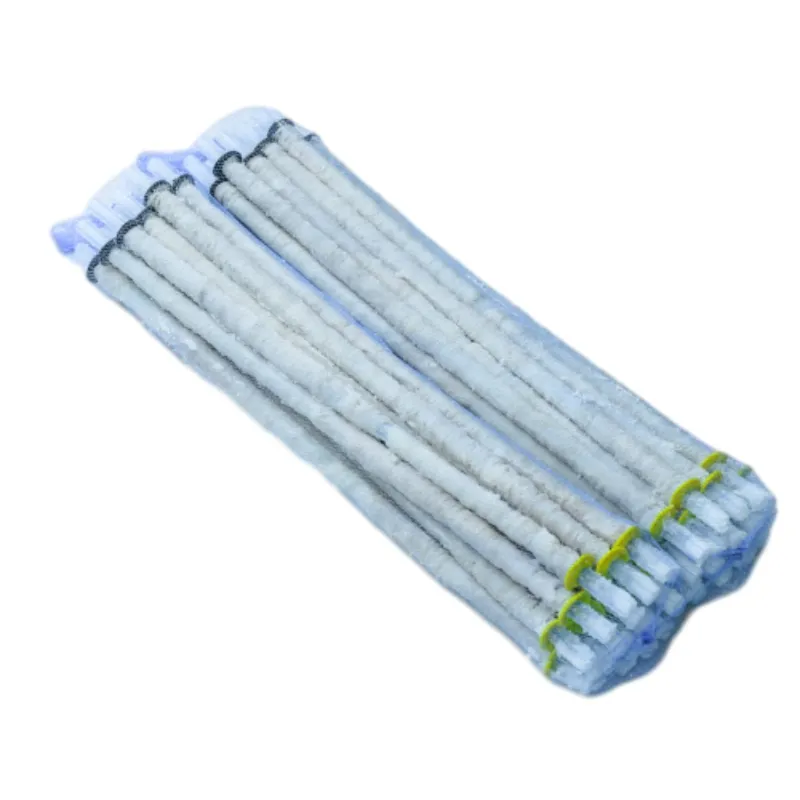
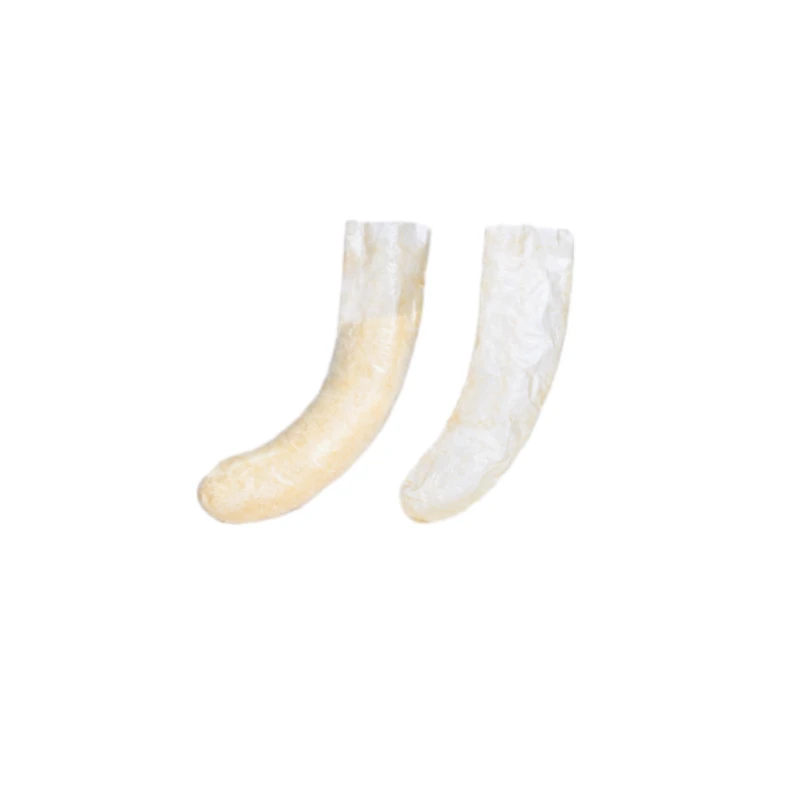
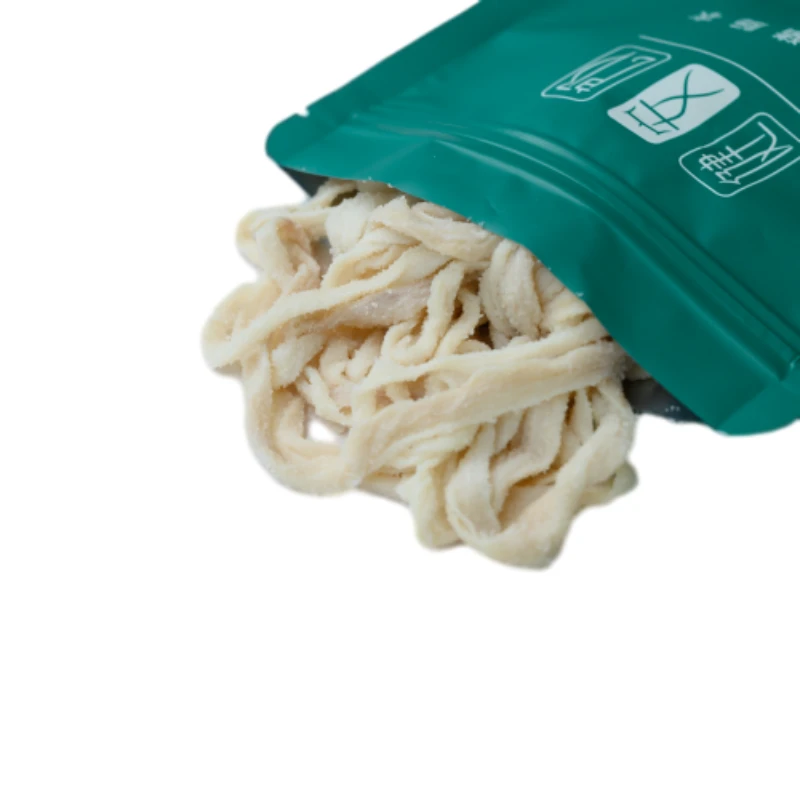
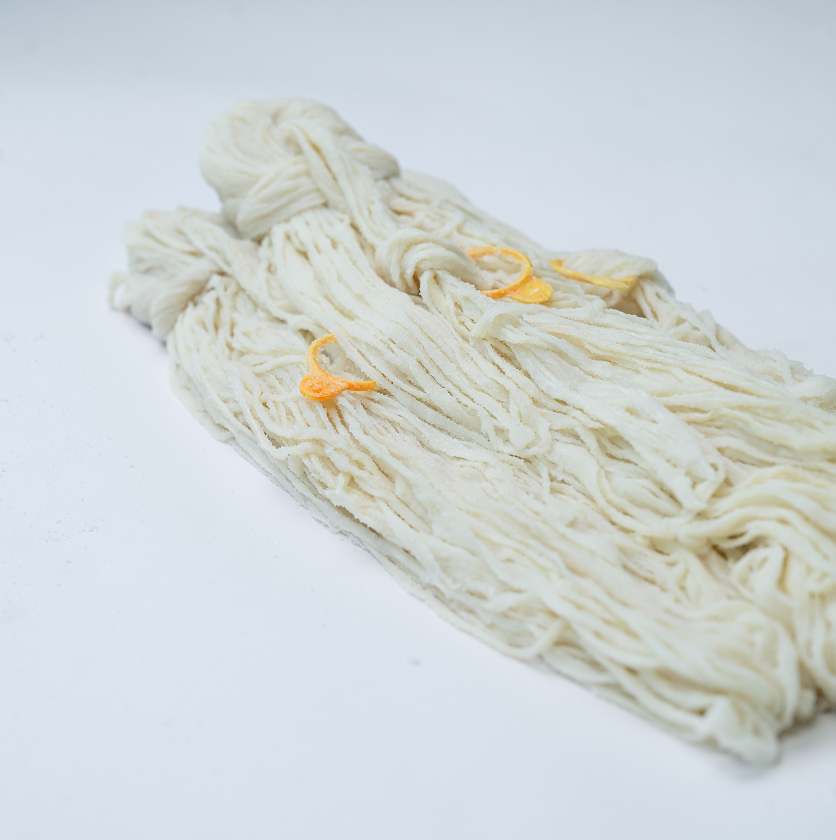
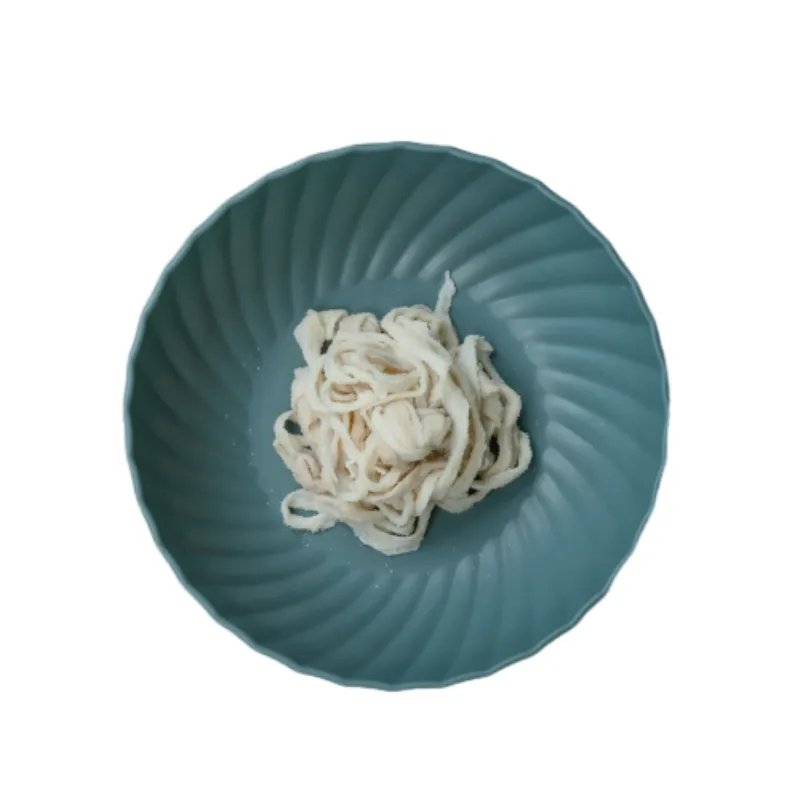
Simply put, china dried hog casing is the cleaned, salted, and air-dried small intestine of a pig. It’s used mainly as the outer shell for sausages. Think of it as the natural sausage skin that’s breathable, edible, and lends the perfect snap and texture—qualities synthetic casings struggle to replicate.
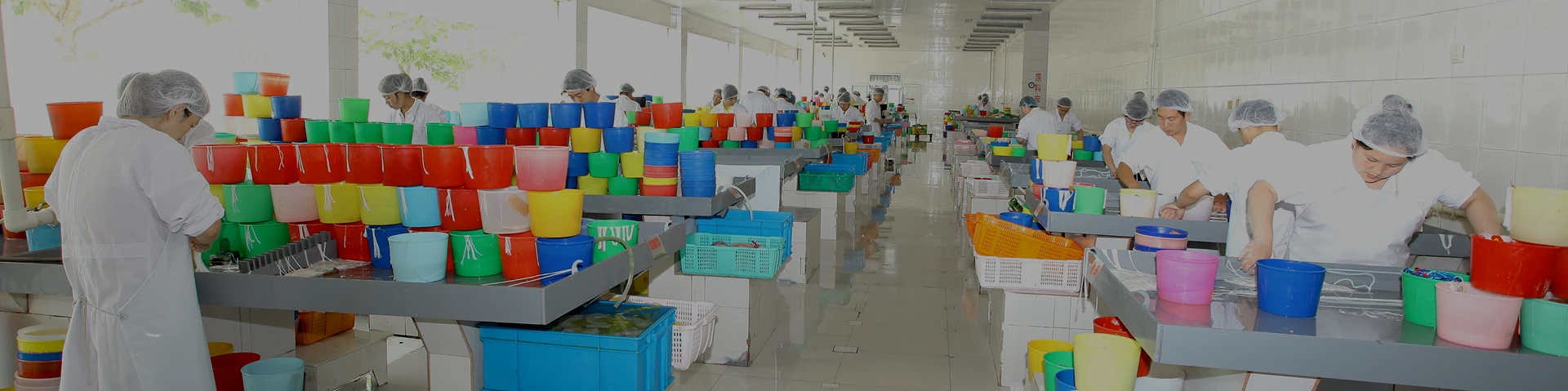
Modern processors in China start with fresh hog intestines, then clean, salt, and dry them under controlled conditions. The result is a flexible, durable product that can be stored long-term. Its use is traditional but still vital both in artisanal cured goods and commercial meat processing lines.
Key Components and Quality Factors
- Durability & Elasticity: The casing must withstand stuffing pressures and cooking processes without bursting or becoming rubbery. Dried hog casings from China tend to meet these expectations due to meticulous cleaning and curing.
- Traceability & Food Safety: Given that it’s edible and natural, suppliers follow strict hygiene standards including pathogen control and certification (ISO 9001, HACCP) to ensure consumer safety.
- Sizing & Uniformity: Casings are sorted by diameter and length, ensuring consistent sausage size—a core factor in industrial food manufacturing.
- Cost-effectiveness: Naturally sourced casings tend to be more expensive than synthetics but appreciated for premium products. China’s production scale tilts the balance toward affordability.
- Sustainability: Utilizing animal by-products reduces waste, supporting circular economy principles that increasingly factor in corporate social responsibility.
To sum up, the balance between natural quality and mass-produced consistency is delicate and central to the global trade of china dried hog casing.
How China Dried Hog Casing is Used Globally
In practical terms, its main arena is sausage-making in both small family businesses and large-scale food processing plants. Europe’s luxury cured meats, Asia’s spicy sausages, and America’s classic bratwurst all rely heavily on quality casings. It’s fascinating to see how each region has subtle preferences, influencing the diameter and treatment methods of the casings sold by Chinese exporters.
Non-food uses, although minor, include tripe demonstrations in culinary schools and traditional crafts. Interestingly, NGOs working in disaster relief or remote communities sometimes leverage dried natural casings in preservation and food storage initiatives, benefiting from their biodegradability and practicality.
Advantages and Long-Term Value of China Dried Hog Casing
When it comes to advantages, sourcing dried hog casing from China offers several tangible benefits:
- Reliable Supply: China’s pig farming scale guarantees availability even during global demand spikes.
- Consistent Quality Control: Increasingly rigorous certifications ensure product safety and quality assurance.
- Environmental Benefits: Using natural casings helps reduce reliance on plastics and synthetics.
- Consumer Appeal: Natural casings lend authenticity, improving product perception and flavor.
- Economic Impact: Supporting rural economies in China sustains agricultural communities and export industries.
That emotional aspect—knowing a sausage casing comes from a natural, well-managed source—feels important. It’s about food dignity, tradition, and trust in the product on your plate.
Looking Ahead: Trends and Innovations
Looking into the future, the industry is moving toward cleaner processing technologies, better traceability via blockchain, and eco-certifications that appeal to sustainability-minded buyers. Automation in sorting and sizing offers higher precision, reducing waste. Moreover, research continues into alternative casing materials mimicking natural ones without animal products, but for the foreseeable future, china dried hog casing remains invaluable.
Challenges & Solutions in the Current Market
Common challenges include:
- Consistency: Variations in raw materials require strict vetting and standardization.
- Regulatory Hurdles: Export regulations vary by country, requiring compliance investments.
- Perishability: Although dried, casings are organic and need proper storage.
Industry insiders tackle these through improved processing lines, cold-chain logistics, and enhanced supplier partnerships. The integration of ISO and HACCP standards is non-negotiable. It’s a tricky balance, but most vendors managing china dried hog casing do pretty well adapting.
Product Specification Table for a Typical China Dried Hog Casing
| Feature | Specification |
|---|---|
| Material | Natural pig small intestine |
| Diameter range | 18mm - 28mm |
| Length per bundle | 20m - 25m segments |
| Moisture content | 12% - 15% |
| Shelf life | Up to 12 months if refrigerated |
| Certifications | ISO 9001, HACCP |
Vendor Comparison Table for China Dried Hog Casing Suppliers
| Vendor | Price per kg (USD) | Quality Grade | Delivery Time | Certifications | Customer Support |
|---|---|---|---|---|---|
| Zhejiang Natural Casings Co. | $12.50 | Premium | 2 weeks | ISO 9001, HACCP | 24/7 Multilingual |
| Jiangsu Hog Casings Ltd. | $11.00 | Standard | 3 weeks | HACCP only | Business hours only |
| Guangdong Casing Exporters | $13.20 | Premium | 1.5 weeks | ISO 9001, HACCP, FDA Approved | 24/7 + Technical Support |
Frequently Asked Questions about China Dried Hog Casing
- What makes china dried hog casing better than synthetic sausage casings?
- Natural casings provide a unique snap and texture that synthetics often can’t match. They are breathable, which affects flavor and cooking consistency. Additionally, they align better with consumer trends toward natural ingredients and sustainability.
- How long can dried hog casings be stored, and what’s the best method?
- Dried hog casings typically keep well for up to 12 months when stored in a cool, dry place—preferably refrigerated. Proper packaging to prevent moisture ingress is critical for maintaining quality.
- Are there international regulations for importing china dried hog casing?
- Yes, importers must comply with food safety and animal by-product regulations which vary by country. Certifications like HACCP and ISO standards from the supplier simplify customs clearance and ensure legal compliance.
- Can china dried hog casing be customized in size according to specific sausage requirements?
- Absolutely. Suppliers typically sort and grade casings by diameter and length, offering flexibility for a wide range of sausage styles, from thin snack sticks to larger cured sausages.
- Is it environmentally friendly to use dried hog casing?
- Using natural casings recycles animal by-products, reducing waste and reliance on plastics. This fits well with sustainability goals, though attention to processing methods also matters to minimize environmental footprint.
Conclusion
To wrap up, china dried hog casing isn’t just about a food ingredient. It represents a nexus of tradition, modern industry, and sustainable production. Its global relevance continues to grow alongside demand for natural, quality food components. Whether you’re a sausage maker, supplier, or researcher, understanding this product’s nuances provides insight into larger food system dynamics.
If you're curious to explore more or secure a dependable supply chain, consider visiting our website to learn how you can integrate china dried hog casing into your portfolio efficiently and responsibly.
Mini Takeaway: China dried hog casing marries natural quality with mass production and sustainability, making it an indispensable element in the global sausage and cured meat industries.
References: