Dec . 02, 2025 19:06
Wholesale Salted Sheep Casing: An Unsung Hero of Global Food and Trade
At first glance, “wholesale salted sheep casing” might sound a bit niche—or even odd if you’re not immersed in the world of sausages or charcuterie. But hang on, it’s far more fascinating and important on a global scale than many realize. These natural casings aren’t just about making tasty sausages; they represent a centuries-old tradition meeting modern industrial needs with a blend of sustainability, cultural significance, and economic impact. Understanding these wholesale supplies can illuminate aspects of international trade, food safety, artisanal craft, and even humanitarian relief efforts.
So why does wholesale salted sheep casing matter globally? Roughly, it’s all about food quality and authenticity. Natural casings affect texture, flavor, and cooking performance, especially in high-end or culturally significant sausages. Plus, the demand for these casings ties into the livelihoods of rural communities raising sheep, sustainable livestock practices, and the global cold-chain market. Beyond food, some humanitarian organizations even use these casings for medical or packaging purposes in emergencies, which is a surprising but reassuring twist.
Mini Takeaway: Wholesale salted sheep casings link ancient food traditions with modern supply chains, impacting culture, economy, and even humanitarian solutions worldwide.
The Global Relevance of Wholesale Salted Sheep Casing
The sheep casing market operates on a surprisingly global level. According to data from the United Nations Food and Agriculture Organization (FAO), over one billion sheep are raised globally, with regions like China, Australia, and parts of the Middle East leading production. This livestock population directly influences the availability of salted sheep casings, a natural byproduct. Frankly, as global appetite for specialty sausages grows, especially in Europe, North America, and Asia, so does the wholesale demand for these casings.
However, this isn't without challenges. Preservation, hygiene standards, and cross-border regulations can complicate the wholesale trade. For instance, international food safety standards imposed by organizations such as ISO or the World Health Organization often lead to costly adaptations at production sites. On top of that, fluctuating livestock populations due to climate or economic factors create supply unpredictability. So, wholesale salted sheep casing sits at the crossroads of agriculture, industry, and food safety—making it an interesting case for global trade studies.
Mini Takeaway: The global demand for wholesale salted sheep casing hinges on livestock patterns, stringent hygiene standards, and evolving international regulations.
What Exactly Is Wholesale Salted Sheep Casing?
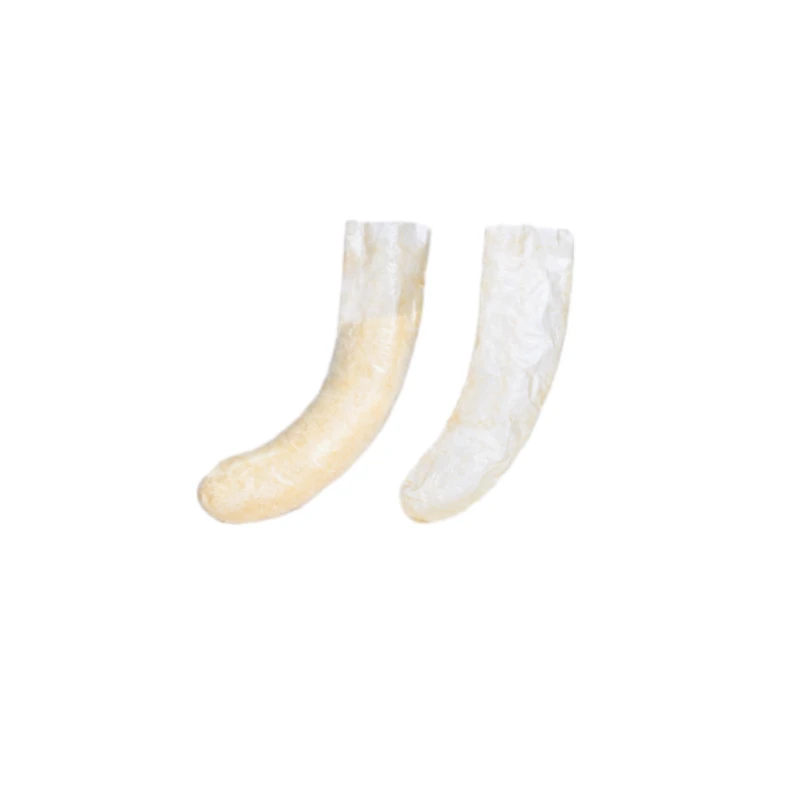
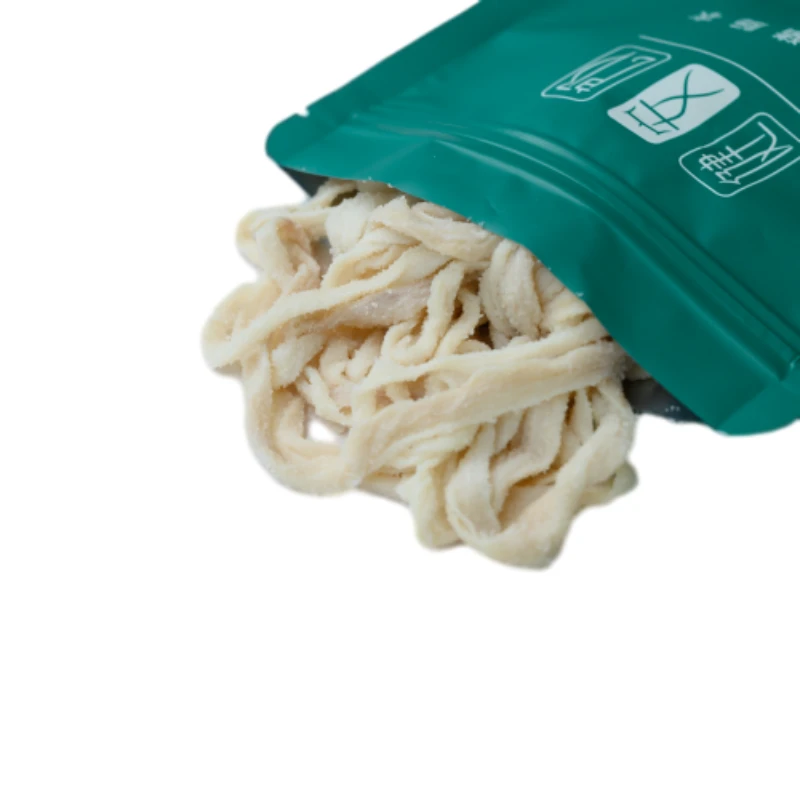
In simple terms, wholesale salted sheep casing refers to the external lining carefully harvested from the intestines of sheep, then preserved with salt to extend shelf life and maintain quality for commercial sausage production. Unlike synthetic casings, these natural casings provide an unparalleled texture and permeability that allow smoke and moisture to pass, ensuring optimal sausage maturation and flavor development.
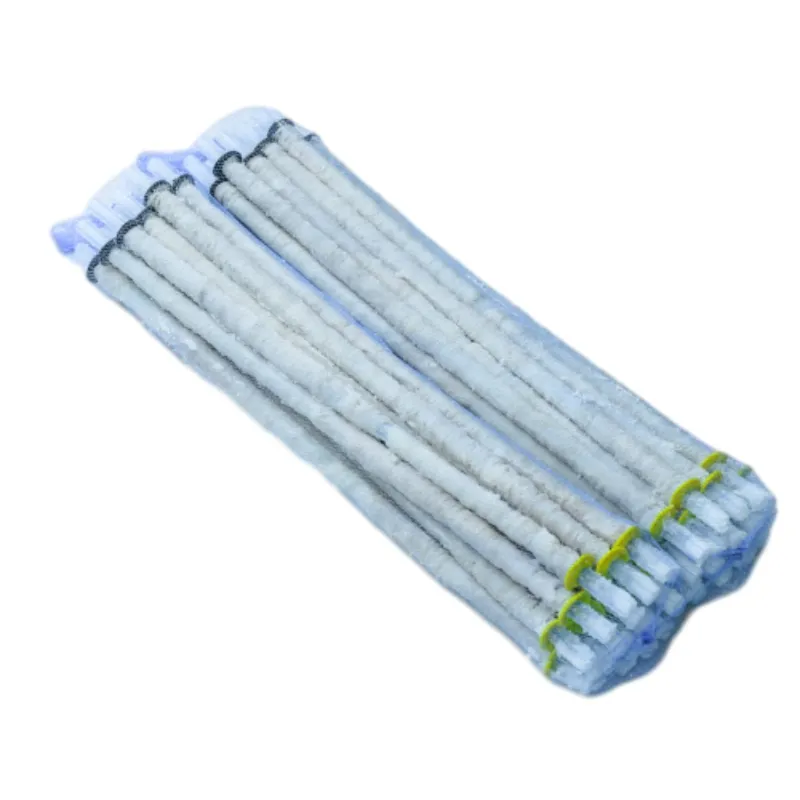
Industrially, wholesale means these casings are sold in bulk—typically cleaned, graded, salted, and packed in large quantities ready for manufacturing or artisanal use. These products are essential inputs for sausage makers, butcheries, and food processors worldwide.
Interestingly, aside from culinary uses, these casings sometimes find their way into niche applications, like biodegradable packaging or even surgical sutures in some contexts—though culinary remains dominant.
Mini Takeaway: Wholesale salted sheep casing is a carefully prepared, natural product used primarily in sausage making, prized for its texture and flavor impact.
Key Factors That Define Quality and Usage
1. Durability and Elasticity
Sheep casing is prized for its fine, uniform thickness and elastic strength, allowing sausages to be stuffed without tearing. Durability is vital, especially for industrial sausage production lines running at scale — poor quality can cause costly snags.
2. Salt Preservation
Salt's role is not just traditional; it prevents microbial growth and maintains casing pliability during storage and shipping. The salt concentration and storage conditions directly affect usability and shelf life.
3. Size and Diameter
Sheep casings generally range between 14-28 mm in diameter, influencing the type of sausage they are suited for—from petite cocktail sausages to larger bratwurst styles. Suppliers usually grade their casings accordingly.
4. Cleanliness & Grading
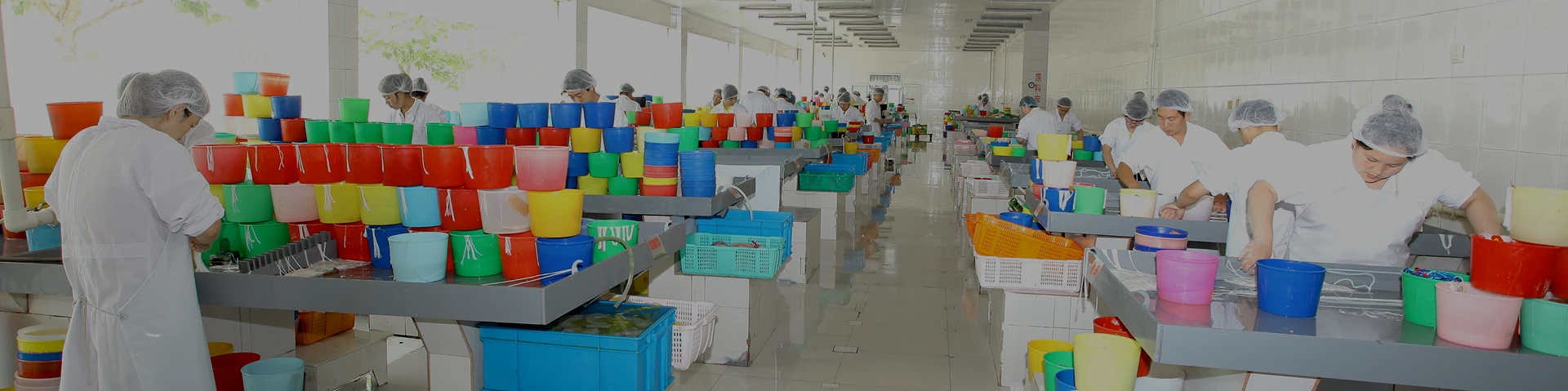
From a practical standpoint, the cleaning process must meet food safety regulations. Grading also affects the final price—premium casings tend to have fewer imperfections and more consistent quality, which is critical for product consistency in retail.
5. Cost Efficiency
Buyers of wholesale salted sheep casing balance quality with price. Bulk purchasing lowers per-unit cost, but overheads in shipping and customs fees require savvy vendor choices and demand forecasting.
Mini Takeaway: The defining qualities of wholesale salted sheep casing are its durability, salt preservation, size, hygiene, and cost-efficiency, all contributing directly to sausage-making success.
Global Applications and Use Cases You Might Not Expect
At first blush, you might think salted sheep casing belongs only in European-style sausage shops, but they pop up quite widely. In Mediterranean countries like Spain and Italy, they remain the secret ingredient behind heading premium chorizo or salami. In the Middle East, traditional sausage recipes (Merguez, anyone?) rely on these casings for authentic texture.
In Asia, expanding demand is seen in upscale and imported European sausages. Industrial processors also prefer natural casings for their permeability and cooking qualities over synthetic versions. Interestingly enough, humanitarian groups have reported small-scale usage for packaging meat and fish in post-disaster relief zones, where synthetic materials are unavailable or not eco-friendly.
| Region | Industry/Application | Typical Use Cases |
|---|---|---|
| Europe (Spain, Italy) | Artisanal Sausage Production | Chorizo, Salami, Prosciutto Casings |
| Middle East | Traditional Food Markets | Merguez and Lamb Sausages |
| Asia (China, Japan) | Commercial Processing | Imported Artisan Sausages and Mass Markets |
| NGO & Relief Operations | Biodegradable Packing / Temporary Meat Storage | Emergency Food Packaging |
Mini Takeaway: From gourmet sausages in Europe to emergency relief packaging, wholesale salted sheep casing plays versatile roles worldwide.
Advantages and Long-Term Value to Food Producers and Buyers
- Superior Texture & Flavor: Many artisans swear by the natural casing’s contribution to a sausage's bite and smoke absorption.
- Sustainability: Since they’re edible and biodegradable, sheep casings avoid plastic waste issues from synthetic alternatives.
- Economic Impact: They support rural shepherding economies and cross-border trade in livestock products.
- Safety & Trust: When sourced and processed properly, they meet high food safety standards, reassuring producers and consumers alike.
- Emotional & Cultural Value: For many cultures, these casings carry culinary traditions that connect generations.
In real terms, switching to wholesale salted sheep casings can deepen brand identity for producers aiming for authenticity, while also reducing environmental harm—so the benefits extend beyond the plate. It almost feels like choosing casing becomes a statement about values.
Looking Ahead: Trends and Innovations in Sheep Casing Supply
The market is subtly evolving, driven by technology and sustainability initiatives. Some large suppliers are now investing in automated cleaning and grading systems that boost consistency and reduce contamination risks—a crucial step for exporting internationally. Meanwhile, traceability technologies like blockchain are starting to trickle into parts of the supply chain, offering end-users assurances about origin and processing methods.
On the sustainability front, there is increased research into ethically sourced sheep casings, ensuring animal welfare and reducing environmental impact. Plus, hybrid casings combining natural material with biodegradable synthetic coatings are in early development stages to merge durability with eco-friendliness.
Lastly, digital marketplaces and e-commerce platforms are becoming important channels for buying wholesale salted sheep casing, helping small and medium producers bypass traditional distributors and tap directly into global buyers.
Challenges and How Industry Players Are Tackling Them
It’s not all smooth sailing. Preservation and grading remain labor-intensive, and variations in casing quality pose recurring hurdles. Cross-border shipping requires refrigeration, and fluctuating livestock health can mean supply instability.
However, vendors have been innovating with better preservation techniques—moving beyond traditional dry salting to controlled brining and vacuum packaging. Plus, cooperative logistics arrangements have improved cold-chain reliability. Industry groups also work on standardization, collaborating with ISO and local food safety authorities to simplify export procedures.
One promising solution emerging is to integrate AI-powered quality control systems at curing facilities to detect flaws early on. This blend of craftsmanship and tech could transform the wholesale market forever.
Frequently Asked Questions About Wholesale Salted Sheep Casing
- What is the shelf life of salted sheep casing when stored properly?
- Typically, salted sheep casing can last up to 12 months when stored in a cool, dry place with consistent salt levels. Refrigerated storage can extend shelf life further, but it must remain well-packaged to prevent drying out.
- How is wholesale salted sheep casing cleaned before being sold?
- The casing undergoes a thorough manual or mechanical cleaning process involving washing, scraping off residues, and soaking in salt solutions to prepare it for sale. Food safety standards dictate rigorous hygiene protocols during these steps.
- Can wholesale salted sheep casing be customized by size or grade?
- Yes, suppliers often sort casings into different diameter ranges and quality grades to match customer needs, from fine breakfast sausages to thicker, rustic varieties.
- Is shipping wholesale salted sheep casing internationally complicated?
- Shipping requires compliance with both exporting and importing countries’ food safety laws, proper packaging to maintain salt preservation, and often refrigerated handling. Experienced suppliers help navigate these steps efficiently.
- Are there synthetic alternatives to sheep casing?
- Yes, collagen and cellulose casings exist, but most artisans and some commercial makers prefer natural sheep casings for superior texture and flavor. Synthetics are often chosen for uniformity and affordability instead.
Conclusion
Wholesale salted sheep casing might fly under the radar compared to other food ingredients, but its impact is considerable. This material embodies a delicate balance of tradition, quality, global trade, and sustainability—offering both artisan sausage makers and large-scale producers a natural, trusted option. If you’re considering sourcing genuine casing with consistent specs and ethical supply chains, exploring wholesale salted sheep casing suppliers is a smart move.
Whether you’re a small charcutier or a large food processor, investing in quality casings not only improves product authenticity but also connects you to centuries of culinary heritage and evolving global markets. And frankly, it’s one of those rare ingredients where the story is as rich as the flavor.
Product Specification Table
| Specification | Typical Range | Impact on Use |
|---|---|---|
| Diameter | 14-28 mm | Determines sausage size range |
| Salt Content (dry salted) | 30-40% by weight | Preservation & pliability |
| Length per bundle | 50-100 m | Batch consistency & handling |
| Moisture Content | 10-20% | Affects texture & shelf life |
| Grade | A+, A, B (defect levels) | Price and suitability for fine products |
Vendor Comparison Table: Typical Wholesale Suppliers
| Supplier | Country | Price (per 10kg) | Quality Grade | Shipping Options |
|---|---|---|---|---|
| RTCasing Ltd. | Turkey | $220 | A+ | Air, Sea, Express |
| SheepCasing Co. | New Zealand | $240 | A | Sea, Ground |
| EuroCasing Exports | Spain | $230 | A | Air, Sea |
| MiddleEast Casings | Iran | $210 | B | Sea |
For those in the trade or food production business, it’s definitely worth diving deeper into suppliers like RTCasing, because balancing cost, quality, and reliability can mean the difference between a sausage that delights and one that disappoints. It's a small ingredient that makes a big difference.
References: