Dec . 02, 2025 20:00
Why You Might Want to Buy Salted Sausage Casings—and Why It Matters
Salted sausage casings might not be everyone’s go-to topic for dinner table chatter, but they play a surprisingly big role in food production globally. Sausages are a staple in many cultures, from small village kitchens to major industrial plants, and the quality of their casings affects taste, texture, shelf life, and even sustainability. Understanding why and how to buy salted sausage casings gives meat producers, butchers, and even food enthusiasts a leg up in crafting better products—and it has ripple effects through global food supply chains.
In real terms, choosing the right casing affects everything—from how safe the sausage is to how well it stores, and even how consumers emotionally connect with traditional foods. So before you think this is just technical packaging talk, consider its impact on food security, artisan traditions, and export markets worldwide.
The Global Context: Why Buying Salted Sausage Casings Is More than Just Meat Wrapping
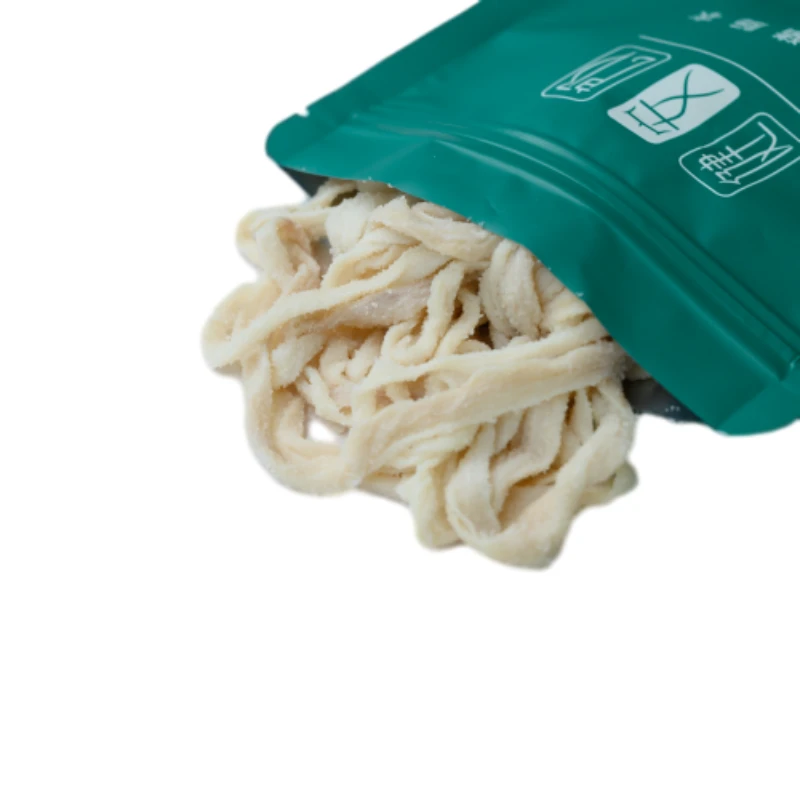
Across continents, the sausage market is booming. According to the World Health Organization and other food agencies, global meat consumption is rising steadily, with processed meats like sausages taking up a hefty slice. Although there are many synthetic and collagen casings available, natural salted sausage casings—often made from cleaned animal intestines and preserved with salt—still dominate traditional and premium sausage markets.
The challenge? Maintaining standards of hygiene, shelf-life, and sustainability while meeting global demand. Many small-scale producers and artisans rely on natural salted casings to keep authenticity alive. But sourcing these casings ethically and efficiently is tricky—sometimes it’s a struggle to find reliable supply chains that align with health standards and sustainability goals.
This is where the phrase “buy salted sausage casings” becomes a practical and strategic decision, not just an inventory line item.
Salted Sausage Casings 101: What Are They Exactly?
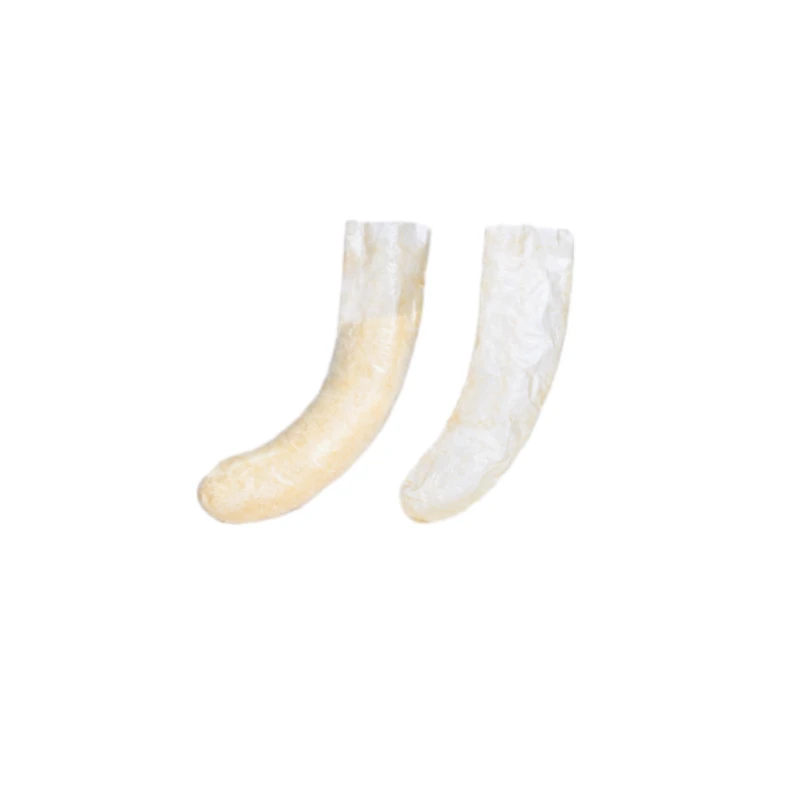
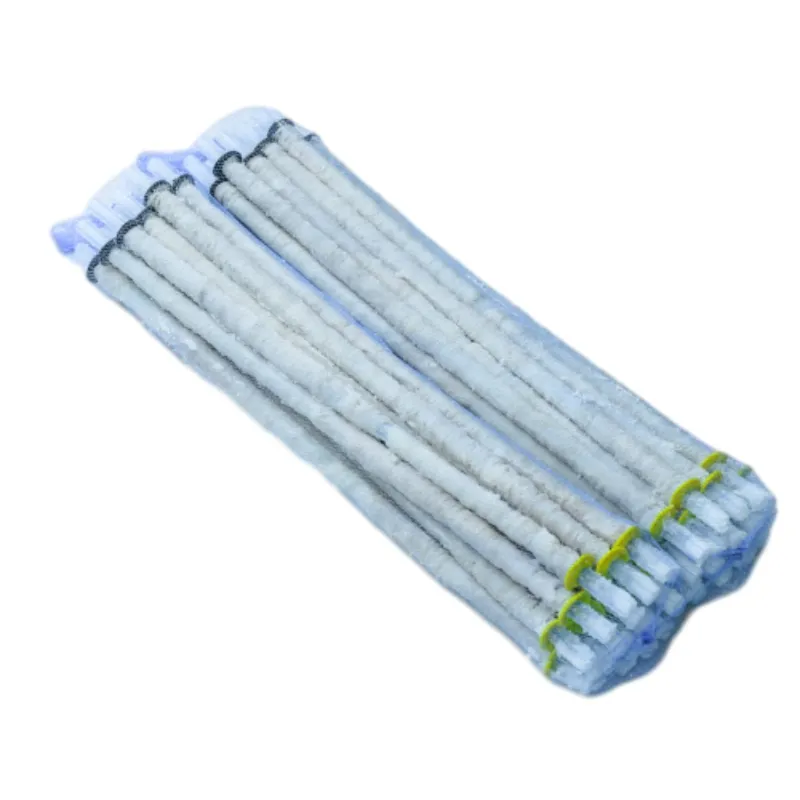
Simply put, salted sausage casings are natural conduits for your favorite sausages, harvested predominantly from the intestines of hogs, sheep, or cattle. These casings are treated and preserved with salt—historically as a method to keep them fresh and prevent bacterial growth without refrigeration.
Their connection to the modern food industry is both practical and cultural. For some manufacturers, they're the gold standard for texture and bite. For others, they’re a link to heritage recipes that claim no substitute could match. At a humanitarian level? Well, having access to safe, preserved casings means reliable food production for communities in remote or disaster-affected areas where refrigeration isn’t always available.
Core Features of Salted Sausage Casings to Consider Before You Buy
1. Durability and Flexibility
Salted casings are known for their strength balanced with flexibility. They need to withstand stuffing pressures, cooking, smoking, and sometimes freezing. Many producers appreciate that natural salted casings stretch just enough to offer that satisfying snap without bursting.
2. Shelf Life and Preservation
The salt acts as a natural preservative, allowing the casings to last for months if stored properly—cool, dry, and ventilated. For anyone buying in bulk or needing just-in-time supplies, this matters a lot, especially where refrigeration is limited or during shipping.
3. Cost Efficiency
While synthetic casings might sometimes be cheaper upfront, salted natural casings often win on lifecycle cost, considering reduced waste and higher product acceptance by premium markets. There’s a trade-off, obviously, but many farmers and small producers swear by natural casings for consistency.
4. Food Safety Certifications
With international food safety standards tightening, choosing salted sausage casings that come with certifications like ISO 22000 or HACCP compliance is a must. You don’t want to skimp here—it could cost in recalls or lost contracts.
5. Sourcing and Traceability
Ethical sourcing is a growing concern—for consumers and businesses alike. Knowing exactly where the casings come from and how animals were treated during processing is an important part of buying decisions, especially for markets like the EU or Japan.
Mini takeaway:
If you’re looking to buy salted sausage casings, keep these elements in mind. It’s rarely just about price but durability, hygiene, and ethical sourcing combined.
Common Specifications of Salted Sausage Casings
| Specification | Details |
|---|---|
| Material | Natural hog, sheep, or beef intestine |
| Preservation | Salt-cured, traditionally dried |
| Diameter Range | 13 mm to 38 mm (varies by animal and cut) |
| Shelf Life | Up to 12 months if stored properly |
| Compliance | FDA, ISO 22000, HACCP certified |
Where and How Are Salted Sausage Casings Used Globally?
This is really fascinating—salted sausage casings are found both in cutting-edge industrial facilities and rustic country butcheries. Europe, especially Germany, Italy, and Spain, remains a powerhouse in natural casing use. Meanwhile, countries in Asia and South America are ramping up production to meet growing demand for authentic sausage styles.
In real terms, you might see natural casings used in:
- Artisan Sausage Making: Small producers relying on traditional family recipes.
- Commercial Meat Processing Plants: For premium product lines shipping worldwide.
- Disaster Relief Food Kits: Because salted casings preserve better and help deliver shelf-stable sausages to crisis regions.
- Exporting Premium Meats: Where authenticity and traceability are market demands.
Oddly enough, the ability to source quality salted casings can be a business’s secret weapon in breaking into niche markets.
Why Choosing the Right Casings Matters — Advantages & Long-Term Value
Buying salted sausage casings is about more than content control—it’s about reliability, sustainability, and customer trust. Here’s the gist:
- Quality Assurance: Uniform casings mean less waste and better batch consistency.
- Reduced Chemical Use: The salt cure means fewer artificial preservatives required on finished products.
- Environmental & Ethical: Natural casings are biodegradable and often byproducts of humane slaughter.
- Greater Consumer Appeal: Many markets view natural casings as a premium feature.
Buying molded, synthetic alternatives can feel like a convenient shortcut. But over time, the natural salted casing tells a story of craft, care, and respect—for the food and the eater.
Looking Ahead: Trends and Innovations in Sausage Casing Technology
It’s not all old-school salt and gut anymore. Advances in biotechnology and food tech are pushing the boundaries with:
- Improved Sterilization Methods: UV and ozone processing to reduce microbiological risks without losing natural qualities.
- Traceability via Blockchain: Some suppliers now guarantee farm-to-casing transparency through secure digital ledgers.
- Sustainability Certifications: New labels certify casings harvested with higher animal welfare and eco-friendly methods.
- Hybrid Casings: Combining natural gut’s texture with synthetic casings’ durability for specialized products.
If you’re wondering how to stay competitive, keeping an eye on these developments might be the key. Plus, automation in processing plants is speeding things up—so sourcing reliable salted casings that fit automated lines is increasingly important.
Challenges and How the Industry Is Tackling Them
Of course, nothing’s perfect. Here are some challenges buyers of salted sausage casings face:
- Supply Fluctuations: Natural casings depend on animal byproducts; availability can wildly vary by season and region.
- Quality Variability: Even the best suppliers have batch differences; testing and grading are essential.
- Sanitation and Safety Concerns: Requires strict standards to avoid contamination risks.
Experts suggest forming long-term partnerships with trusted suppliers and investing in quality testing regimes. Sometimes smaller producers collaborate directly with processors to guarantee supply and quality.
Comparing Top Vendors in Salted Sausage Casings
| Vendor | Origin | Diameter Range (mm) | Certifications | Minimum Order |
|---|---|---|---|---|
| RTCasing Co. | USA | 15 - 38 | ISO 22000, FDA | 500 meters |
| EuroGut Ltd. | Germany | 13 - 35 | HACCP, EU Organic | 1000 meters |
| Asia Natural Casings | China | 14 - 32 | ISO 22000 | 300 meters |
Frequently Asked Questions About Buying Salted Sausage Casings
Q1: What should I look for when buying salted sausage casings?
Look for certifications like FDA and ISO 22000 to ensure food safety. Also, ask for the source animal, casing diameter, and storage recommendations. Trustworthy suppliers often provide batch testing data.
Q2: How long do salted sausage casings last in storage?
Properly stored salted casings can last up to 12 months, ideally kept in a cool, dry, and ventilated area. Avoid moisture exposure to prevent degradation.
Q3: Are salted sausage casings suitable for all sausage types?
They work best for fresh and smoked sausages where natural bite and texture matter most. However, some very fine or highly processed sausages might prefer collagen or synthetic casings.
Q4: How do I safely prepare salted casings before use?
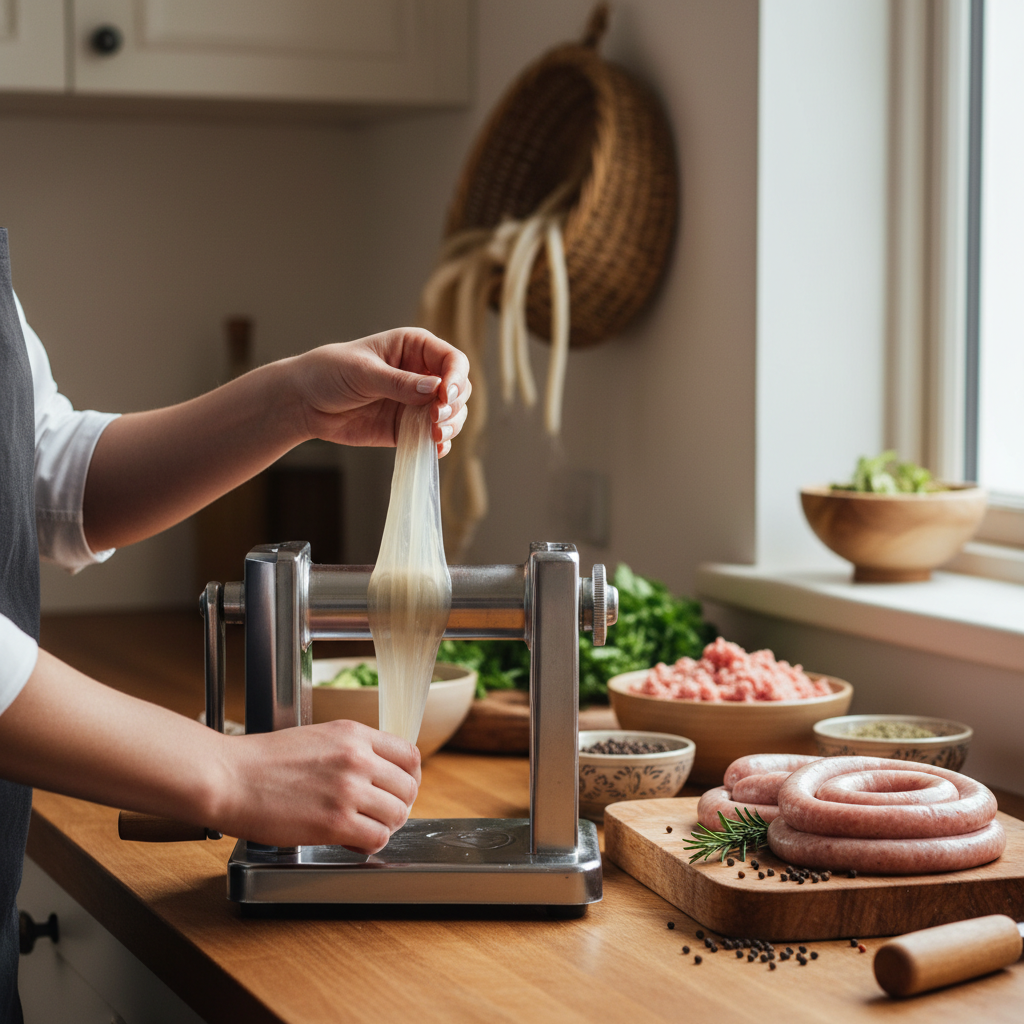
Rinse thoroughly to remove excess salt, then soak as per the casing type—sheep casings require shorter soaking than hog or beef. Always follow supplier instructions for best results.
Q5: Can I buy salted sausage casings in small quantities?
Yes, many vendors offer smaller minimum orders suitable for artisanal producers. However, pricing per meter may be higher than bulk purchases.
Wrapping It Up: A Sausage Casing Worth Your Attention
Buying salted sausage casings isn’t just a line on a shopping list—it’s a decision impacting product quality, customer trust, and even cultural food traditions. Whether you run a small butcher shop or a big meat processing plant, understanding the nuances and sourcing the right casings can make all the difference. The good news? Reliable suppliers like RTCasing offer certified, ethically sourced salted casings that combine tradition with modern food safety.
So next time you think about jumping into sausage production or expanding your product lines, remember that casing choice is foundational. It’s sort of like picking just the right foundation for a house—once in place, everything else just fits better.
Check out buy salted sausage casings and discover options tailored to your needs—because great sausages deserve great casings.