Dec . 02, 2025 18:00
The Subtle Art of High Quality Salted Hog Casing: More Than Just Sausage Skin
At first glance, “high quality salted hog casing” might sound like something very niche—perhaps a topic only relevant to sausage makers or butchers. But it’s actually an interesting intersection of tradition, science, and global trade that affects everything from culinary standards to food safety and sustainable industry practices worldwide. Understanding why this product matters isn’t just a culinary curiosity; it’s about preserving heritage, ensuring product reliability, and supporting economic livelihoods globally.
So what makes a hog casing “high quality,” why salt it, and how does this seemingly simple product fit into a bigger global picture? Let’s dig in, peel back some layers (pun intended), and discover how this traditional material keeps its place in a fast-changing world.
A Global Look at High Quality Salted Hog Casing
According to data from the Food and Agriculture Organization (FAO), global pork production has risen steadily over the past decade, hitting 120 million tons in 2022. This growth naturally boosts demand for edible casings, predominantly made from hog intestines. But it’s not just about volume. The International Organization for Standardization (ISO) and various national food safety agencies have set precise standards to ensure that casings meet hygiene, strength, and uniformity benchmarks — all vital when you’re packaging something that lands on dinner plates worldwide.
Challenges persist, though. The global supply chain for these natural casings faces hurdles like inconsistent quality, spoilage risks, and increasing consumer demand for sustainable and ethically sourced products. That’s where “high quality salted hog casing” steps in. By carefully salting and curing hog intestines, producers increase shelf life without relying on preservatives — a time-tested method that balances tradition and modern efficiency.
What Exactly Is High Quality Salted Hog Casing?
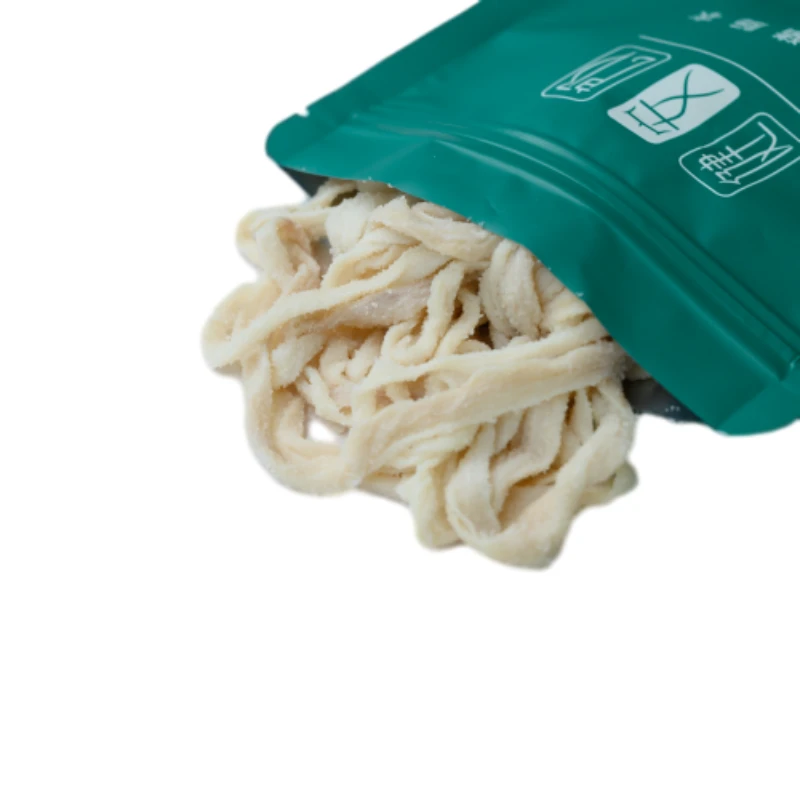
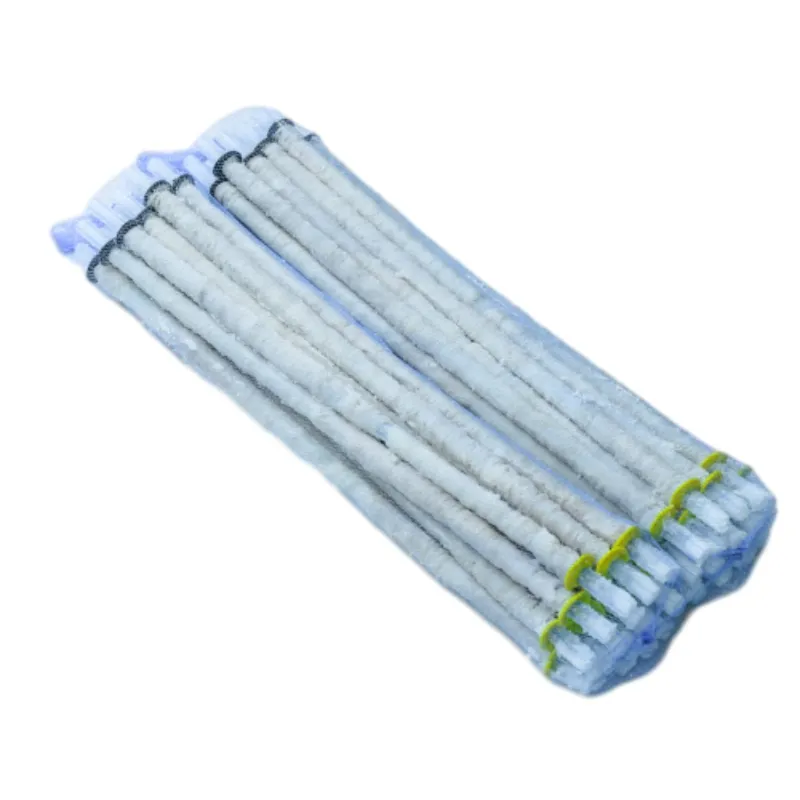
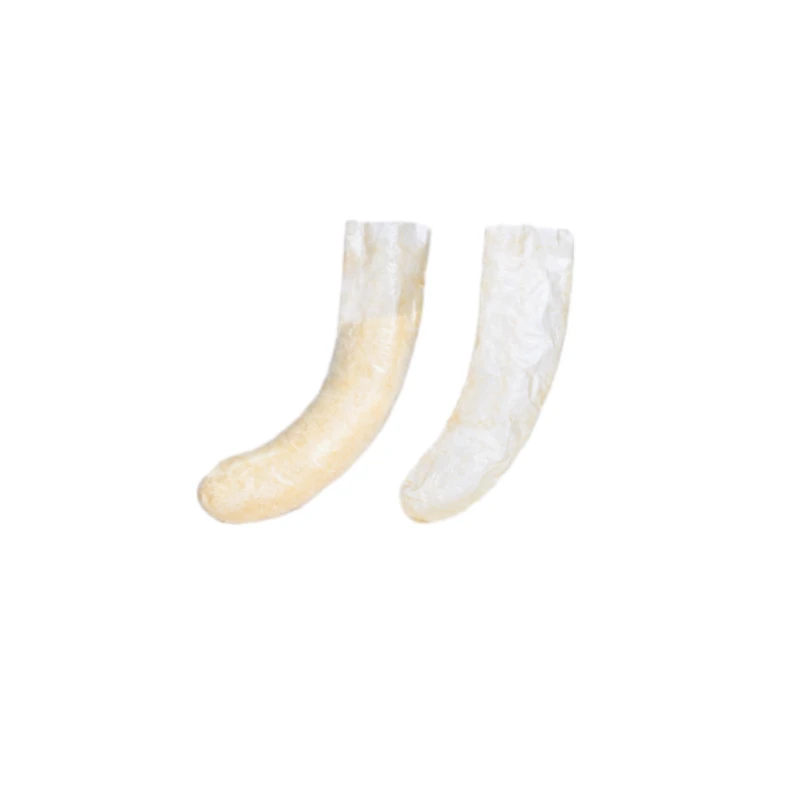
In simple terms, hog casing is the cleaned, stretched, and salted natural small intestine of the pig. Salting serves two main purposes: it preserves the casing to allow for export and long-term storage, and it keeps the elastic structure intact until it’s ready to be used in sausage production or other culinary applications. This contrasts with fresh casing, which must be used quickly, and synthetic alternatives that can lack the “snap” or flavor natural casings provide.
While most often associated with food, salted hog casings have found uses beyond the kitchen in artisan crafts and even some biomedical applications, thanks to their natural collagen content and bio-compatibility.
Mini Takeaway:
High quality salted hog casing is a natural, durable, and effective material valued worldwide for traditional and commercial food production, sustained by centuries-old preservation methods optimized for today’s demands.
Core Factors That Define Quality in Salted Hog Casings
1. Purity and Cleanliness
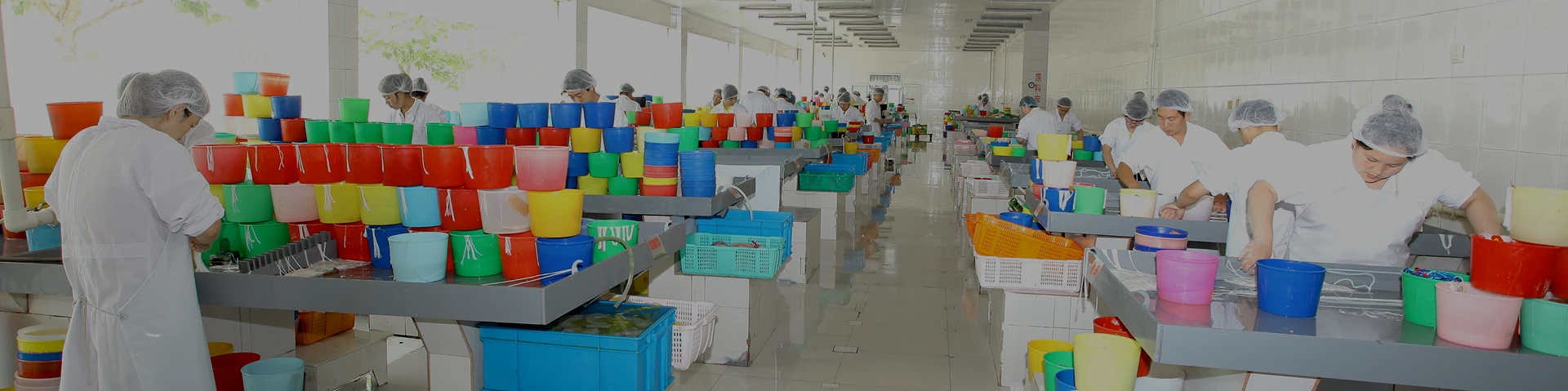
The first step towards high quality casing is thorough cleaning that removes fat and membrane layers. Any remnants can cause off-flavors or weaken the casing. Strict hygiene controls throughout processing ensure safety and longevity.
2. Uniform Thickness and Diameter
For industrial uses, consistency is king. Casings need uniform diameter and wall thickness to fit various machines and maintain sausage shape. Sortation and grading processes play a huge role here, supported by optical measurement and manual inspection.
3. Salt Content and Distribution
Salt must be evenly applied to avoid spoilage and microbial growth. Too much salt affects pliability; too little invites bacteria. Skilled operators balance these variables based on climatic conditions and storage times.
4. Elasticity and Strength
Casings must stretch enough to accommodate fillings yet be strong enough to resist tearing during stuffing. Producers test tensile strength repeatedly — a critical quality checkpoint.
5. Traceability and Documentation
Increasingly important are origin certifications and tracking systems, particularly in export markets concerned with food provenance, animal welfare, and sustainability claims.
Mini Takeaway:
High quality salted hog casing isn’t just about appearance — it’s a complex balance involving clean processing, physical properties, and rigorous quality assurance.
Real-World Applications: Where and How Salted Hog Casings Make a Difference
It’s easy to think salted hog casings are just for sausage makers in Europe or North America, but demand stretches far and wide. For example:
- European Food Industry: Traditional products like bratwursts and chorizo depend on natural hog casings for authentic texture and flavor.
- Asian Markets: Countries like China and Vietnam use salted casings extensively for local sausage varieties, supporting large-scale food manufacturing.
- Artisan Producers: Small farms and craft butchers value natural casing for consistency and quality in premium small batches.
- Humanitarian Aid: Oddly enough, reliable food preservation materials like salted hog casing factor into emergency food supply chains where shelf life and transportability are critical.
Mini Takeaway:
From industrial production lines to artisan kitchens, salted hog casing remains an essential, versatile ingredient worldwide.
Advantages and Long-Term Value of Using High Quality Salted Hog Casings
While synthetic casings might be cheaper or easier to store, many manufacturers and consumers still prefer salted hog casings for several reasons:
- Eco-Friendly: Being biodegradable and natural, salted hog casings avoid plastic waste issues linked to synthetic alternatives.
- Superior Sensory Experience: The “snap” and mouthfeel that natural casings provide often define premium sausage products.
- Cost Efficiency: Salt curing extends shelf life significantly, reducing waste and spoilage costs.
- Trust and Tradition: Many consumers associate natural casings with authenticity and artisanal quality.
- Supports Sustainable Farming: By using by-products of hog processing efficiently, salted casings contribute to circular economies in livestock industries.
In real terms, it’s not just about flavor; it’s about supporting supply chains that value dignity, quality, and sustainability.
Product Specification Table: High Quality Salted Hog Casings at a Glance
| Specification | Typical Value | Notes |
|---|---|---|
| Average Diameter | 20–35 mm | Varies by casing grade & sausage type |
| Salt Content | 3–5% by weight | Ensures preservation & pliability |
| Tensile Strength | ≥ 3.5 MPa | Dependent on processing & sourcing |
| Shelf Life (Salted) | Up to 1 year (dry, cool storage) | Avoid moisture & direct sunlight |
| Packaging | Vacuum sealed / Salted bundles | Maintains hygiene during transport |
A Vendor Comparison: Finding the Right High Quality Salted Hog Casing Supplier
| Vendor | Quality Certification | Global Reach | Pricing (per kg) | Value-Added Services |
|---|---|---|---|---|
| RT Casing Co. | ISO 22000, HACCP | Asia, Europe, N. America | $5.50 | Custom grading, logistics support |
| Natural Gut Suppliers | FDA & EU approved | Europe, Africa | $6.20 | Small batch options, organic claims |
| Global Casings Inc. | BRCGS, ISO 9001 | Worldwide | $5.90 | Digital traceability, bulk discounts |
The Future: Innovations and Trends in Salted Hog Casings
Innovation isn’t often the first word that comes to mind with animal casing production, but it certainly has a role. We’re seeing moves toward improving traceability via blockchain technologies, ensuring that each batch is certified for origin, processing, and animal health standards — neat for all the food safety conscious out there.
Environmentally, producers are exploring lower-impact salt use and utilizing waste byproducts to create complementary materials, reducing overall waste streams. There’s also interest in blending natural and synthetic casings to marry the best traits of both. Automation in grading and packing processes also speeds up production while dialing down human error.
Mini Takeaway:
The future of high quality salted hog casing is a blend of tradition and tech, sustainability and scalability — a curious but promising hybrid.
Common Challenges and How Industry Players Are Addressing Them
A few persistent hurdles still loom large:
- Supply Variability: Seasonal and regional farming disparities affect raw material quality.
- Storage Conditions: Maintaining ideal temperature and humidity remains tricky, especially in tropical export markets.
- Regulatory Compliance: Increasingly complex import/export rules can delay shipments.
Many vendors tackle these by investing in better cold chain logistics, tighter supplier auditing, and offering customer education on best-use practices. Some even offer customized shipment sizes or salted blends tailored to specific climates — smart, huh?
FAQ: Your Practical Questions About High Quality Salted Hog Casing
- Q: How long does salted hog casing last if stored correctly?
- A: Under dry and cool conditions, salted hog casings can last up to a year without spoilage. Proper packaging, like vacuum sealing or well-salted bundles, significantly extends shelf life compared to fresh casings.
- Q: Can I use salted hog casing for homemade sausages, or is it only for commercial use?
- A: Absolutely! Many home sausage makers prefer salted hog casings because they can be stored longer and cleaned easily before use. Just soak to remove excess salt and you're good to go.
- Q: Are salted hog casings an eco-friendly alternative to synthetic options?
- A: Yes, since they are biodegradable and derived from natural animal by-products, salted hog casings help reduce plastic waste compared to synthetic casings — better for both environment and food authenticity.
- Q: What should I look for when choosing a high quality salted hog casing supplier?
- A: Focus on certifications (ISO, HACCP), consistent grading, traceability options, and packaging quality. Also consider vendor support like custom sizing or export assistance.
- Q: How does salting affect the cooking properties of hog casing?
- A: Salting preserves the casing without compromising elasticity or texture. Once rinsed and soaked, the casing regains its pliability and provides the characteristic “snap” when cooked.
Wrapping It Up: Why High Quality Salted Hog Casing Matters
In the grand scheme of food production, high quality salted hog casing is a quiet hero — a trusted natural material that bridges traditional craft and modern industry. Its roles span sensory quality, sustainability, and supply chain reliability, making it indispensable in many culinary and commercial contexts.
If you’re interested in sourcing or learning more about high quality salted hog casing, consider visiting RT Casing Co. Their credentials and customer-first approach make them a top choice worldwide.
Final Mini Takeaway:
Interesting how something so traditional still runs smooth in today’s global, tech-driven food world. Salted hog casing — humble but vital.