Dec . 02, 2025 20:10
Understanding Salted Sausage Casings Companies: Why They Matter Worldwide
If you’ve ever savored a juicy sausage, you’re unknowingly appreciating an industry with global roots and complexities — salted sausage casings companies. These businesses specialize in producing and supplying the natural or artificial wrappings that hold our beloved sausages together. It might sound niche, but their role is absolutely vital, not just for taste and texture but for food safety, sustainability, and even cultural heritage.
Globally, the demand for quality sausage casings is growing, fueled by a rising appetite for processed meat products. From small artisanal producers to massive meatpacking plants, the reliance on reliable casing suppliers is undeniable. Understanding this market offers insights not just into food manufacturing but also into global supply chains, food safety regulations, and even economic opportunities for farmers and local industries.
Global Significance of Salted Sausage Casings Companies
Salted sausage casings companies operate across borders, reflecting a dynamic interplay of tradition, innovation, and commerce. According to the United Nations Food and Agriculture Organization (FAO), over 70% of the world’s processed sausages still use natural casings derived from animal intestines, with salted casings being a long-preserved method to ensure longevity and safety during transportation and storage.
However, with the global meat industry valued at over $1 trillion, the demand for consistent, high-quality sausage casings is massive — and ever-changing. The challenge? Consistency in supply while maintaining quality and traceability amid regulations set by bodies like ISO, WHO, and local food safety authorities.
Salted sausage casings companies address these problems, providing a practical solution for shelf life extension and handling in international trade, where temperature control might fail or unexpected delays occur. This means that these companies don't just serve manufacturers; they support the global food security net.
What Are Salted Sausage Casings Companies?
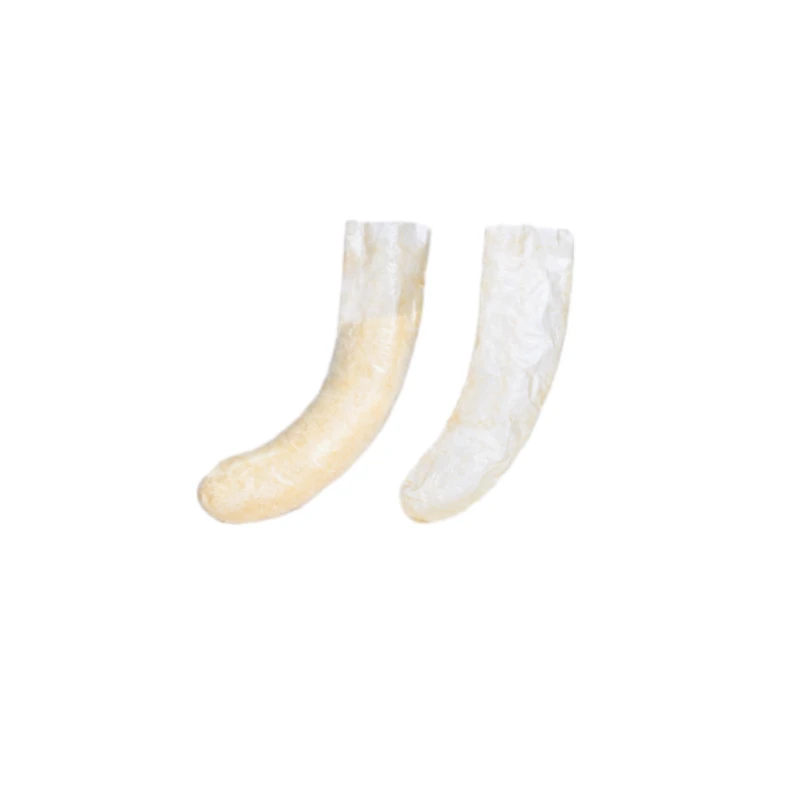
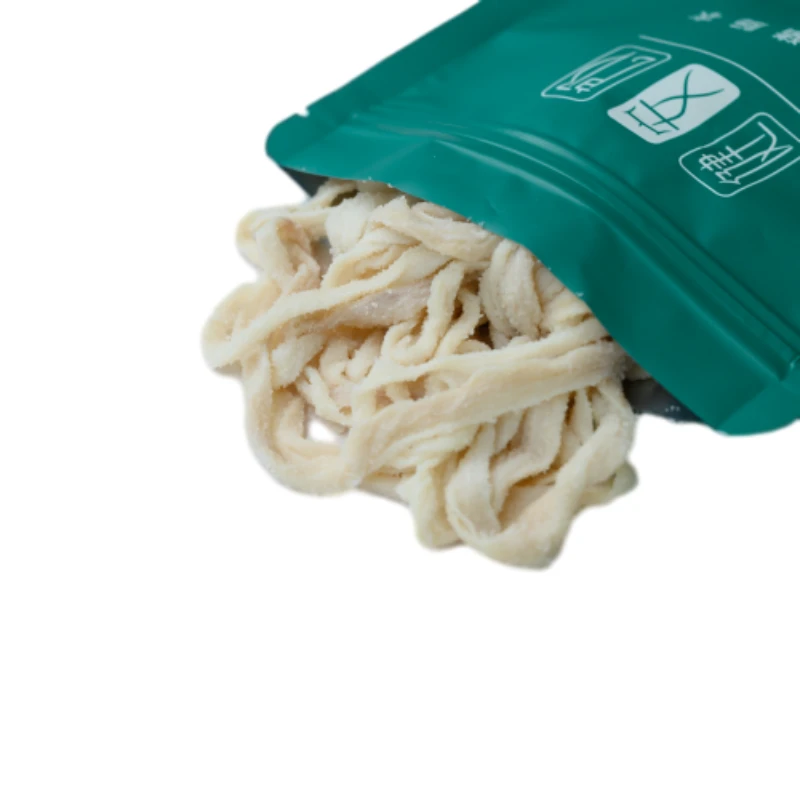
In plain terms, salted sausage casings companies specialize in processing, preserving, and selling sausage casings — typically animal intestines — that have been salted to extend their usefulness. Salting is an age-old preservation technique that reduces moisture and inhibits bacterial growth.
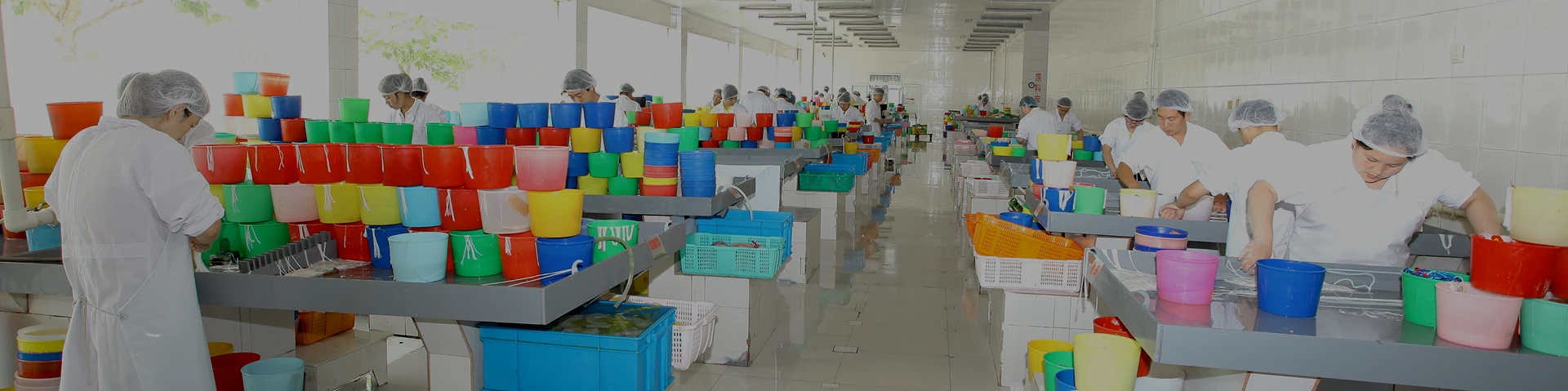
These companies often source raw materials from slaughterhouses, clean and prepare the casings, then salt them carefully to comply with food-grade standards. Some also offer artificial casings, but the salted natural ones remain prized for traditional sausage making. Their work not only ties into the culinary arts but also keeps the meat processing industry ticking worldwide, ensuring that even distant markets receive top-grade casings.
Mini takeaway:
Salted sausage casings companies bridge traditional food production with global supply needs, making them key players beyond just packaging.
Key Features of Leading Salted Sausage Casings Companies
1. Quality and Safety Control
Perhaps the biggest concern with sausage casings is hygiene. Salted casings must undergo stringent quality control — cleanliness, absence of contaminants, and proper salting levels. High standards reduce spoilage and improve food safety during sausage production.
2. Durability and Shelf Life
Salt extends the casing’s lifespan significantly. These companies ensure that their casings can survive long-distance shipping and weeks of storage without degradation, a non-negotiable feature for international customers.
3. Variety and Customization
Different sausage types demand different casings — from thin hog casings for breakfast links to large beef casings for summer sausages. Leading companies provide broad catalogs and customization to meet specific producer needs.
4. Scalability of Supply
Meeting global demand isn’t just about quality but quantity. Salted sausage casings companies invest in efficient sourcing networks and technology to provide reliable supply volumes ranging from small artisanal batches to bulk orders.
5. Compliance and Certification
Adhering to certifications such as ISO 22000 (Food Safety Management) or HACCP (Hazard Analysis) reassures customers and regulators, giving these companies a competitive edge globally.
Mini takeaway:
Quality, customization, and compliance are cornerstones for salted sausage casings companies thriving in varied markets.
Global Applications & Real-World Use Cases
The reach of salted sausage casings companies spans from small-scale family butchers in Europe to industrial meat processing sites in Latin America and Asia. For example:
- Europe: Traditional recipes from Germany, Italy, and Spain rely heavily on natural salted casings for authentic taste and texture.
- Asia: Emerging markets in China and Southeast Asia increasingly adopt salted casings to meet rising demand for convenience foods, suitable for export and local consumption.
- Humanitarian Aid: In crisis zones, preserved foods including sausages packaged in durable salted casings support long-term food accessibility.
- Remote Industrial Zones: Locations with limited refrigeration benefit from salted casings’ extended shelf life, critical for worker nutrition in mining or oil camps.
Mini takeaway:
If you think salted sausage casings are just about food production, remember they also impact food access and cultural culinary preservation worldwide.
Advantages & Long-Term Benefits
What really makes salted casing providers stand out is a mixture of practicality and intangible value. On the practical side, salted casings:
- Reduce spoilage risk without refrigeration.
- Enable efficient, long-haul transport.
- Are biodegradable and natural, unlike many artificial alternatives.
But emotionally, these casings preserve tradition and trust — important in culinary heritage and in fostering consumer confidence. For manufacturers, partnering with reliable salted sausage casings companies means fewer production headaches and stronger brand reputation.
Product Specification Table
| Specification | Typical Value | Notes |
|---|---|---|
| Casing type | Natural (Hog, Beef, Sheep) | Most common for salted casings |
| Salt content | 50-70% by weight | Preservation standard |
| Shelf life | 6 to 12 months (dry, cool storage) | Depends on storage conditions |
| Diameter range | 16mm – 80mm | Varies by animal and cut |
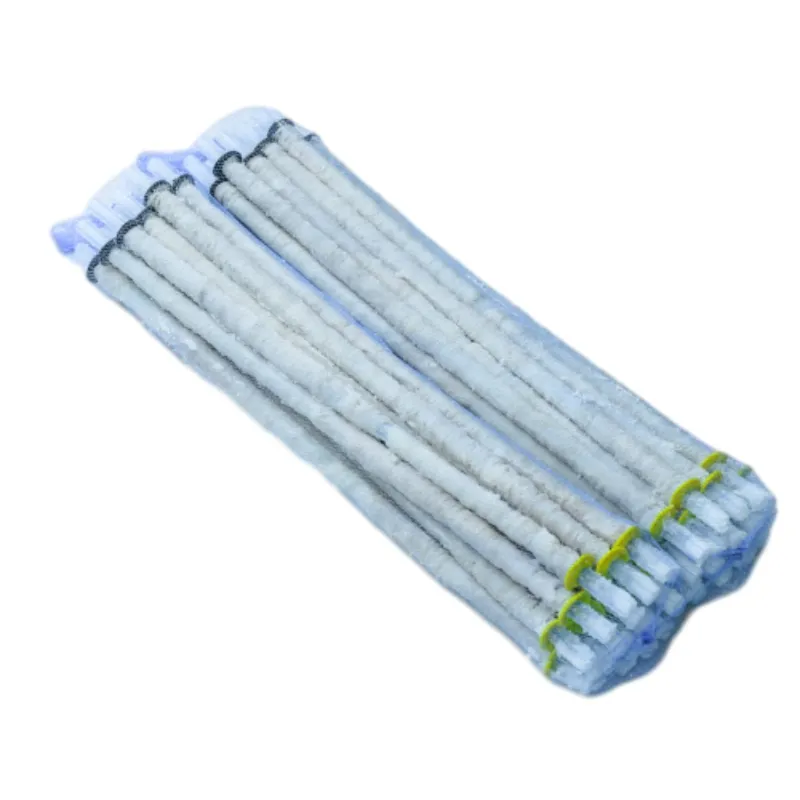
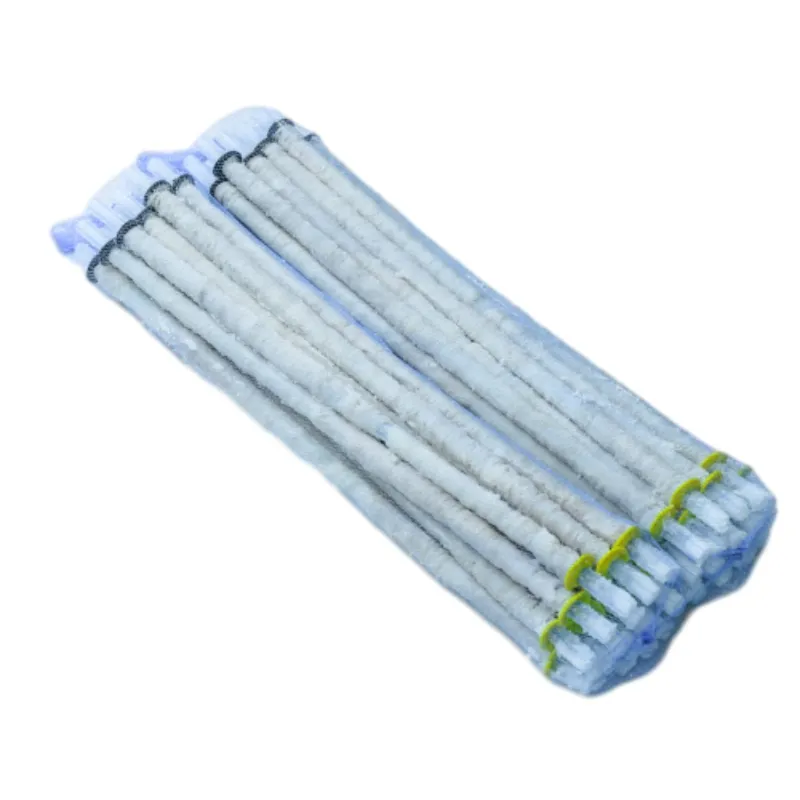
| Packaging | Bundles with salted layers | Eases handling & storage |
Vendor Comparison Table: Salted Sausage Casings Companies
| Company | Product Range | Global Reach | Certifications | Customization | Lead Time |
|---|---|---|---|---|---|
| Alpha Casings Ltd. | Natural Salted Hog & Beef | Europe, Asia | ISO 22000, HACCP | Yes | 2-4 weeks |
| Bravo Sausage Casings | Hog & Sheep Salted, Artificial | Global | ISO 9001, BRC | Limited | 3-6 weeks |
| Caspak Industries | Natural Salted Beef & Hog | North America, Europe | HACCP, FDA Approved | Yes | 4 weeks |
Emerging Trends and Innovations in the Industry
While salted casings look very traditional, innovation is actually buzzing at the edges of this sector. Many companies now explore:
- Sustainable sourcing — working closely with local slaughterhouses to reduce waste and ensure traceability.
- Digital traceability: some vendors use blockchain to prove the origin of each batch, which is becoming crucial for export markets.
- Hybrid Casings: Blending natural salted casings with biodegradable synthetic materials to optimize durability and environmental impact.
- Automation in cleaning and salting — improving consistency and safety.
These efforts not only aim to meet consumer demand for transparency and eco-consciousness but also prepare companies for stricter food safety regulations worldwide.
Challenges and Their Practical Solutions
Of course, it’s not all rosy. Salted sausage casings companies face:
- Supply variability — because natural raw materials fluctuate.
- Storage sensitivity — improper conditions can cause casings to spoil or harden.
- Competition from artificial casings — which offer consistency but lack tradition.
Many companies tackle these by diversifying supply chains, educating end-users about optimal storage, and investing in R&D for improved salted casing treatments. It feels like a constant balancing act between preserving heritage and pushing for modern efficiency.
FAQ: Salted Sausage Casings Companies
- Q1: How long do salted sausage casings typically last if stored properly?
- A: When kept in cool, dry conditions, salted natural casings can last anywhere from 6 to 12 months without losing quality. Proper packaging and humidity control are key to maintaining their usability during this period.
- Q2: Are salted sausage casings safe to use for all types of sausage products?
- A: Generally yes. Salted natural casings are versatile and safe for many sausage varieties, but it’s important to verify that they meet specific regional food safety standards and manufacturer requirements.
- Q3: Can companies customize casing sizes and salt concentrations?
- A: Absolutely. Most salted sausage casings companies offer customization based on diameter, length, and salt levels to suit different sausage recipes and production needs.
- Q4: How do salted casings compare environmentally to synthetic alternatives?
- A: Salted natural casings are biodegradable and come from renewable animal sources, making them more eco-friendly compared to many plastics. The challenge lies in sustainable sourcing and minimizing waste in processing.
- Q5: Where can I find reliable suppliers for salted sausage casings?
- A: Trusted suppliers typically have certifications like ISO 22000 and HACCP and a proven track record in international exports. For direct inquiries, you might want to explore salted sausage casings companies directories or trade platforms.
Wrapping Up: Why Salted Sausage Casings Matter for the Long Run
In the end, salted sausage casings companies are unsung heroes within the global food ecosystem. Their work preserves flavors, ensures safety, and supports economies. Whether you’re a sausage producer, a food safety expert, or simply someone curious about what goes into your favorite snacks, these companies quietly connect tradition with modern needs.
Interested in exploring top providers and options? Visit our website: www.rtcasing.com to get started.