Fluctuations in raw material costs and global supply chain shifts often make predicting hog casing prices a complex challenge for meat processors. Whether managing a large-scale industrial facility or a boutique butchery, the cost of casings directly impacts the final margin of sausage production.
While traditional salted casings remain a staple, the industry is seeing a strategic shift toward dried tubed alternatives to mitigate the risks associated with refrigeration costs and short shelf lives. This transition is driven by a need for greater operational predictability and waste reduction in the face of volatile market pricing.
Understanding the variables that drive these costs—from processing methods to storage requirements—allows manufacturers to optimize their procurement strategies. This analysis explores the economic logic behind casing selection and how different formats impact the total cost of ownership.


The pricing of hog casings is inherently tied to the livestock secondary-product market. Because casings are a byproduct of slaughter, supply is inelastic; it cannot be increased simply by raising prices. This creates a market where availability often dictates the price more than demand does.
For international buyers, logistics and quarantine regulations add another layer of cost. Companies like Runtai (Hebei) Casing Co., Ltd, which specializes in export and is a member of the International Natural Sausage Casings Association, manage these complexities through designated factory qualifications and HACCP-certified processing.
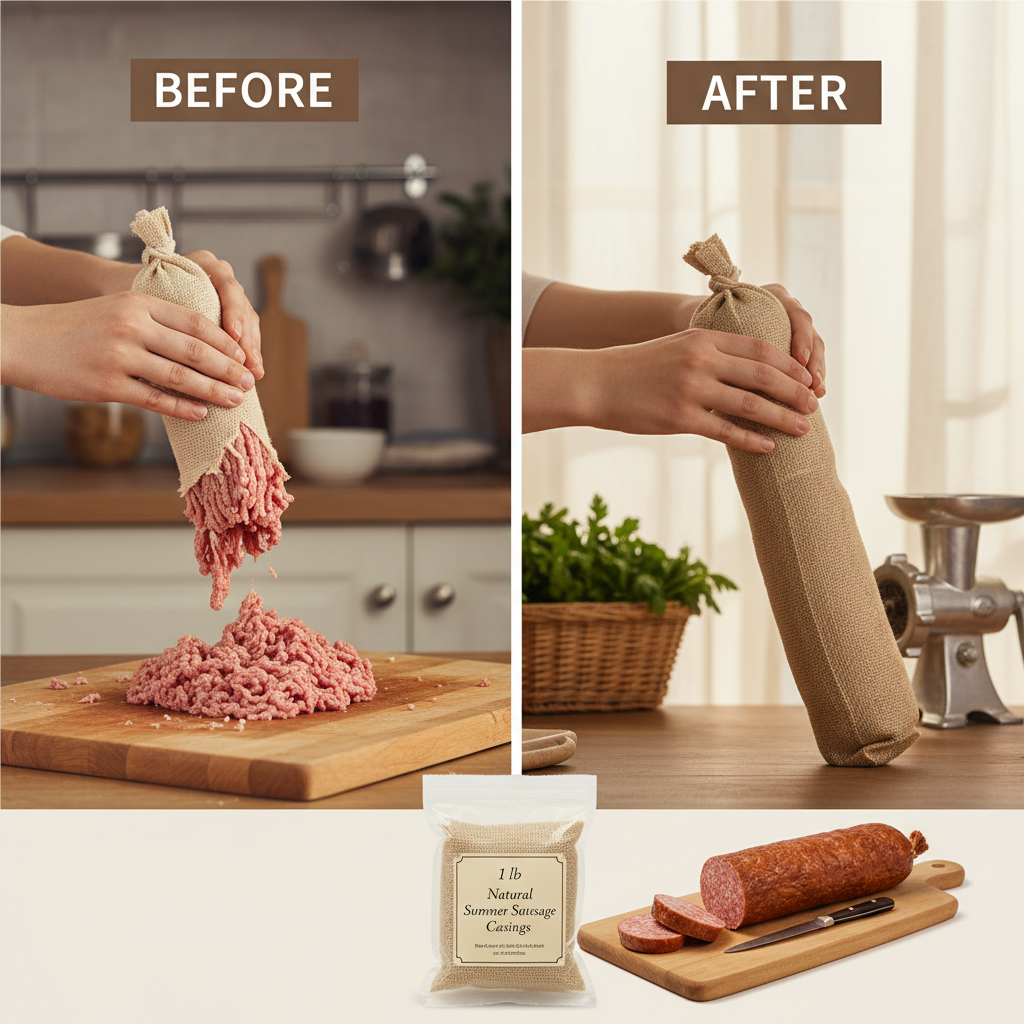
Not all casings are priced equally. The cost is heavily influenced by the level of pre-processing. Salted casings require continuous cold chain management, which increases the overhead for both the supplier and the end-user. In contrast, the drying process used for tubed casings involves removing moisture to create a stable, shelf-ready product.
Uniformity is another critical value driver. Casings that have been pre-processed to ensure a consistent diameter and thickness reduce the rate of "bursts" during the stuffing process. When a casing bursts, the loss isn't just the casing itself, but the wasted meat filling and the labor time required to clear the machinery.
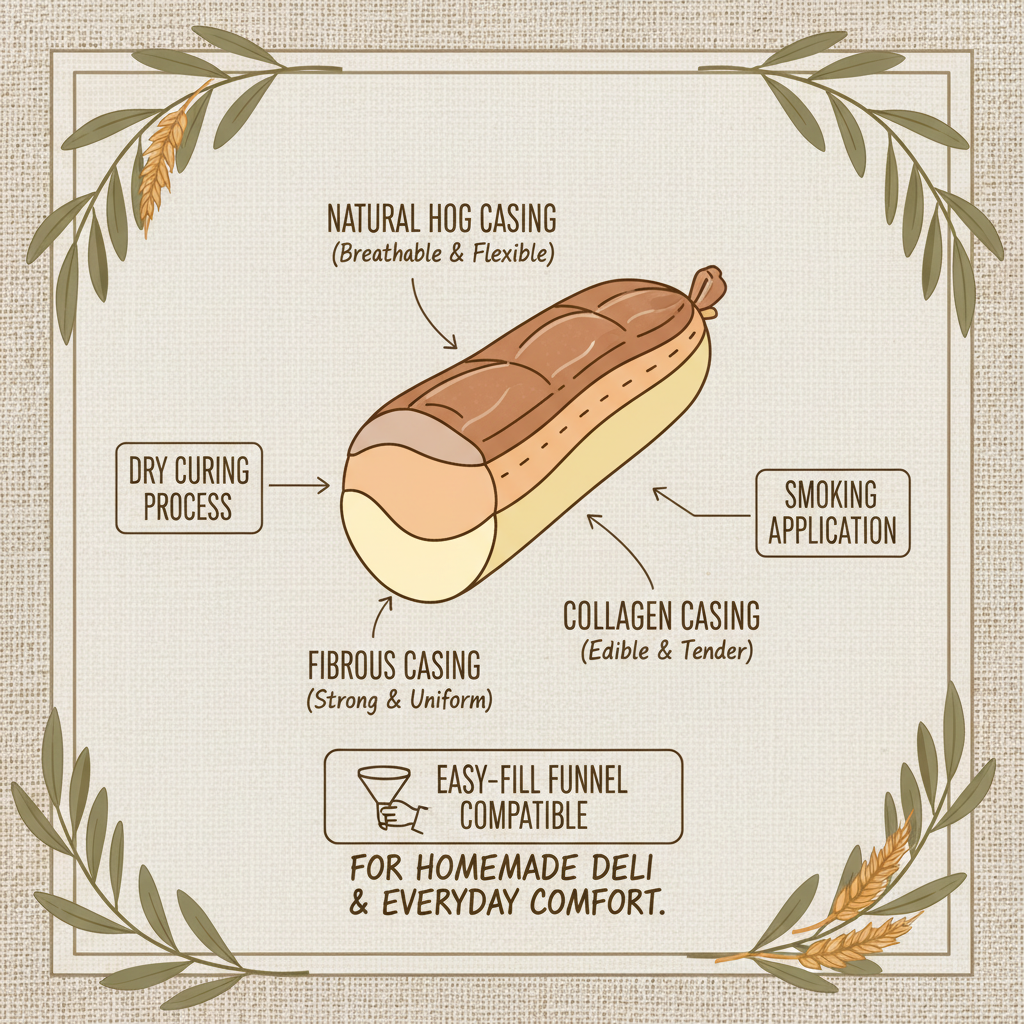
Additionally, the grade of the casing—determined by its tensile strength and elasticity—affects its suitability for different sausage types. High-durability casings are essential for smoked or cooked sausages that undergo thermal expansion, justifying a different price point than those used for fresh sausages.
When evaluating hog casing prices, buyers often focus on the unit cost per meter. However, a more accurate metric is the Total Cost of Use (TCU). Dried tubed casings significantly lower the TCU by eliminating the need for refrigeration before use and reducing the labor involved in cleaning and preparation.
The shift from salted to dried tubed casings transforms a perishable raw material into a stable inventory asset, reducing emergency procurement costs and minimizing waste from spoilage.
These products are ready for use after a simple rehydration process. For industrial operations, this means a streamlined production line where labor is spent on stuffing and packaging rather than preparing raw materials. This efficiency gain often outweighs a slightly higher initial purchase price compared to bulk salted options.
The impact of casing choice on operational costs can be measured across several indices: storage energy, labor hours, and material waste. Salted casings demand a strict cold chain, while dried tubed casings only require cool, dry conditions.
By analyzing these factors, we can see a clear divergence in how these products affect the bottom line. The following index illustrates the relative operational burden associated with different casing types across five key performance indicators.
The suitability of a casing depends on the final product's geometry and processing method. For instance, industrial sausage production for large-scale retail requires extreme uniformity to ensure that automated packaging machines can operate without jamming. Dried tubed casings are ideal here because they are pre-processed for consistent diameter.
Beyond standard cylinders, there is a growing market for specialty-shaped sausages, such as star-shaped or rabbit-shaped products for holiday seasons. These require casings with high elasticity and tensile strength to maintain the shape during stuffing and cooking without bursting, a technical requirement that professional manufacturers like Runtai prioritize in their production lines.
Food safety is no longer a secondary consideration; it is a primary cost driver. The risk of bacterial contamination in improperly handled natural casings can lead to entire batch losses. Modern processing facilities now operate under strict HACCP certifications to minimize these risks.
The trend is moving toward "controlled processing," where the environment is strictly monitored from the moment the raw material is received until it is tubed and dried. This reduces the reliance on heavy salting or chemical preservatives, meeting the consumer demand for "clean label" meat products.
Furthermore, the global nature of the trade means that compliance with different regional quarantine laws is essential. The ability to process overseas casings in designated factories ensures that supply chains remain uninterrupted despite changing international trade regulations.
When deciding between different formats, procurement managers should avoid looking at the price tag in isolation. The decision should be based on a trade-off analysis between the initial purchase price and the hidden operational costs.
A high-volume producer might find that the labor savings and reduced waste of dried tubed casings more than offset the cost difference compared to salted hog casings. Conversely, a very small-scale butcher with existing cold storage might prioritize the lowest possible entry price.
The following framework provides a comparative view of how to evaluate different casing options based on specific operational needs and production goals.
| Evaluation Factor | Salted Hog Casings | Dried Tubed Casings | Selection Priority |
|---|---|---|---|
| Storage Requirement | Refrigerated (Strict) | Cool & Dry (Flexible) | Storage Overhead |
| Preparation Time | Cleaning & Soaking | Rehydration Only | Labor Efficiency |
| Sizing Consistency | Variable | High Uniformity | Product Standardization |
| Shelf Life | Limited / Perishable | Extended / Stable | Inventory Risk |
| Burst Risk | Moderate | Low (due to uniformity) | Yield Maximization |
| Initial Unit Price | Lower | Competitive / Value-added | Budget Constraint |
Hog casing prices are primarily driven by the supply of livestock by-products, which is inherently inelastic. Other factors include the cost of processing (salting vs. drying), international shipping and logistics costs, and strict quarantine or food safety regulations in the importing country. When global supply drops or regulatory hurdles increase, prices typically rise regardless of the demand for finished sausages.
Salted casings must be kept refrigerated and require a more intensive cleaning and preparation process before they can be stuffed. Dried tubed casings are processed to remove moisture, allowing them to be stored in cool, dry conditions without refrigeration. They are ready for use after a specific rehydration period, which significantly reduces labor time and eliminates the energy costs associated with constant cold storage.
For large-scale operations, dried tubed casings are generally superior due to their consistency. Industrial stuffing machines require uniform diameters to prevent jamming and bursting. The pre-processing of tubed casings ensures a level of uniformity that natural salted casings often lack, leading to more consistent sausage sizing, lower waste rates, and higher overall production throughput.
Yes, they are highly suitable. Because they are processed for strength and elasticity, they can handle the tension required for special shapes like stars or animal figures without bursting. Their durability ensures that the complex shapes are maintained during the stuffing and subsequent cooking or smoking processes, making them a reliable choice for seasonal or high-end artisanal products.
HACCP (Hazard Analysis and Critical Control Points) certification ensures that potential biological, chemical, and physical hazards are identified and controlled during processing. For casings, this means stricter controls over temperature, salinity, and hygiene during the tubed drying process. This results in a lower risk of bacterial contamination, ensuring the final meat product is safe for consumption and meets international food safety standards.
The "cost-effectiveness" comes from the reduction of hidden expenses. When you factor in the elimination of refrigeration energy, the reduction in labor hours for preparation, and the lower waste percentage due to fewer bursts, the total cost per finished sausage is often lower. Additionally, the extended shelf life reduces the risk of spoilage and allows for more strategic bulk purchasing to hedge against price spikes.
Navigating hog casing prices requires a shift in perspective from simple procurement to operational value analysis. While salted casings offer a traditional route, the move toward dried tubed formats reflects the industry's broader drive toward efficiency, standardization, and food safety.
Ultimately, the most economical choice is the one that minimizes total waste and maximizes throughput. By prioritizing uniformity and stability, meat processors can safeguard their margins against market volatility and deliver a consistent product to the consumer.