Dec . 02, 2025 18:18
The World of Cheap Natural Hog Casings: Why They Matter More Than You Think
When you think of sausages, charcuterie, or fresh deli meats, have you ever wondered what holds those yummy slices together? The answer often lies in natural hog casings—essentially the “skin” that encases the meat. Now, imagine making these casings affordable yet reliable on a global scale. That’s where cheap natural hog casings come into play, and their impact stretches well beyond just food craftsmanship. They touch on sustainable farming, food security, traditional cuisine preservation, and even humanitarian relief in certain cases.
Understanding the production, global distribution, and uses of cheap natural hog casings is like pulling back the curtain on a hidden but vital ingredient in many cultures. Plus, knowing how these casings can be cost-effective without sacrificing quality can make a real difference to small butchers, meat processors, and #foodies worldwide. Oddly enough, it’s a niche subject yet anchored deeply in global food systems and sustainability conversations.
Global Context: Why Affordable Natural Hog Casings Still Matter
On a global scale, natural hog casings aren’t just food packaging—they’re part of a vast agricultural and industrial ecosystem. According to the United Nations Food and Agriculture Organization (FAO), pork remains one of the most consumed meats worldwide, with regions like Europe, East Asia, and North America leading production and consumption.
Yet, there’s a catch: traditional hog casings come with cost and supply fluctuations due to farming cycles, animal health, and processing techniques. This can hamper small-scale producers or economies where alternatives are either lacking or subpar. Enter “cheap natural hog casings”—aimed at maintaining quality while reducing price barriers.
Markets like Southeast Asia and Latin America are growing consumers and producers, making affordable and quality casings crucial. They address problems like:
- Unequal access to preservation materials
- Higher food waste due to packaging issues
- Trade restrictions on synthetic casings
In real terms, a reliable, inexpensive hog casing is a small technical win but can mean a lot for food security and livelihoods.
Quick Takeaway:
Cheap natural hog casings are more than a packaging choice—they’re a linchpin in global meat production, economic access, and cultural food traditions.
What Exactly Are Cheap Natural Hog Casings?
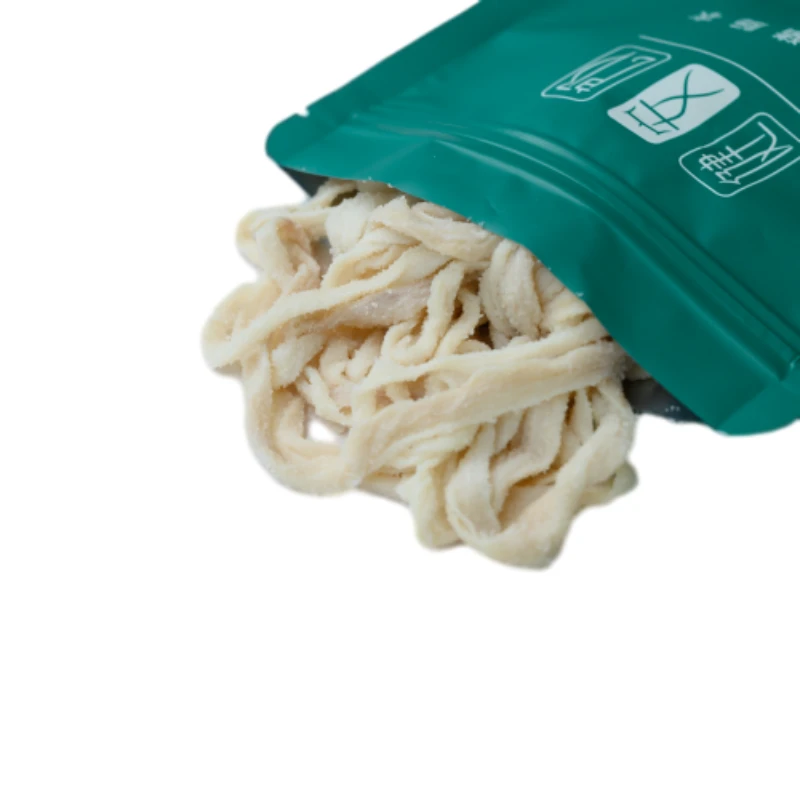
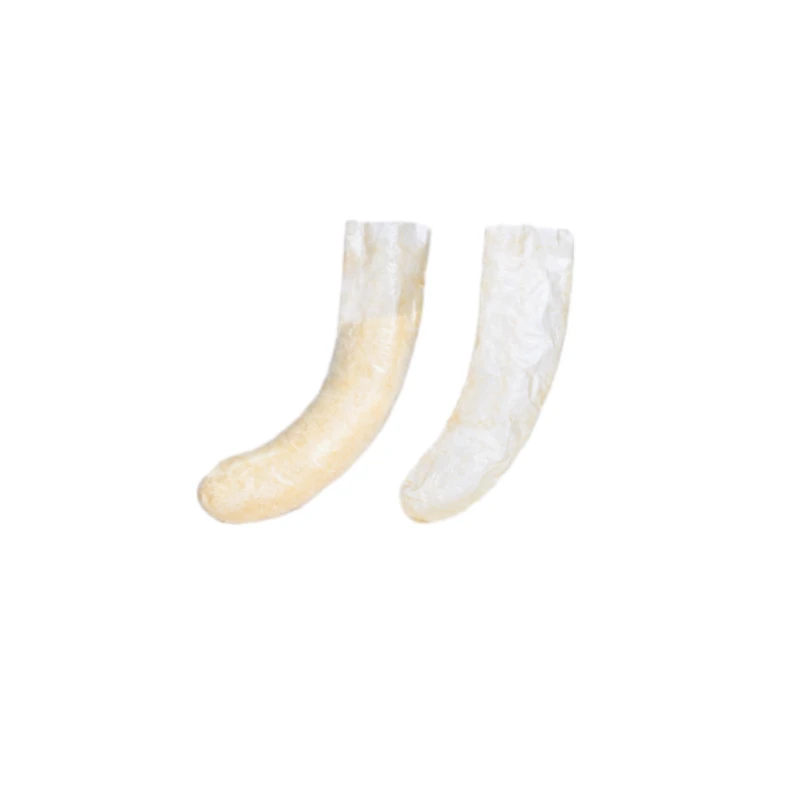
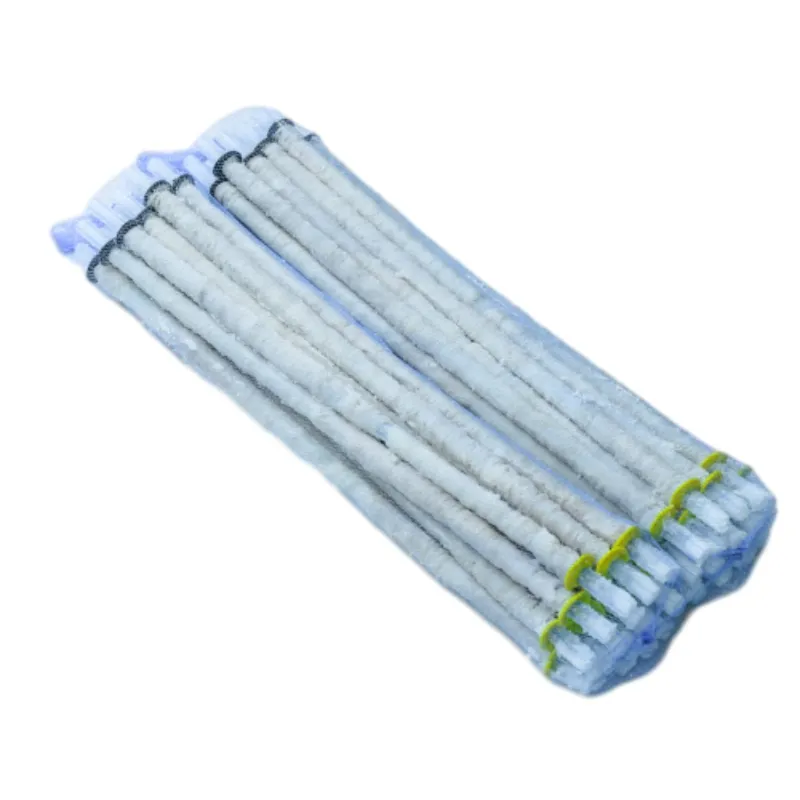
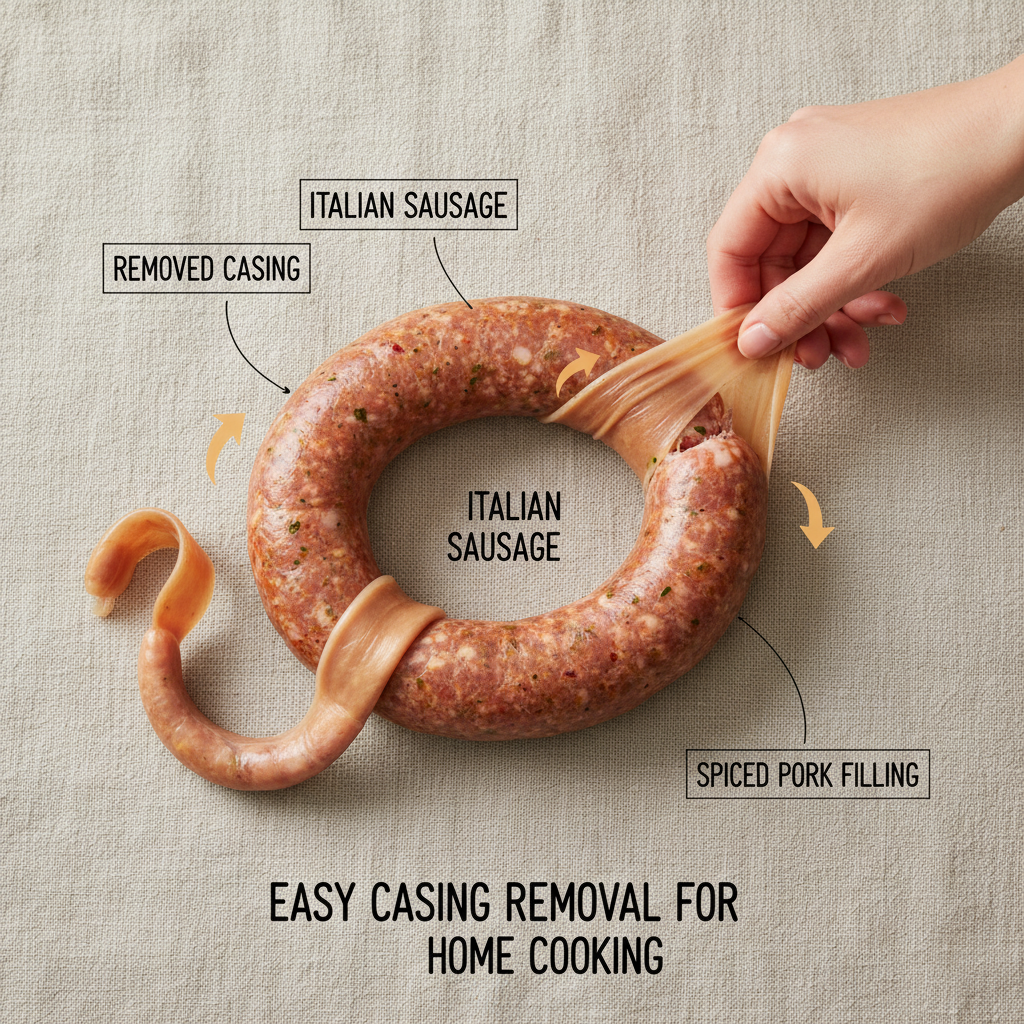
Simply, natural hog casings are the cleaned intestines from pigs, processed to be used as sausage coverings. They’re prized for their texture, breathability, and biodegradability compared to synthetic alternatives. When we talk about cheap natural hog casings, we're referring to casings produced and supplied at a lower price point without compromising too much on their core qualities.
Why does this matter? Because the meat processing industry—from family butchers to industrial producers—needs casings that are affordable yet consistent. They also provide a product that feels “natural,” a word increasingly favored by customers who want fewer artificial additives in their food.
Beyond food industry, natural hog casings have historical roots in humanitarian contexts—like emergency food provisions in post-disaster zones where refrigeration infrastructure is minimal, yet preservation and portability are critical.
Mini Summary:
Cheap natural hog casings = pig intestines processed into accessible, affordable “skins” for sausages and other meat products, bridging tradition with modern demands.
Key Characteristics That Define Their Value
1. Durability and Elasticity
The natural casing needs to be strong yet flexible, able to stretch when stuffed but not burst unpredictably. For budget casings, achieving this balance at a low cost requires clever processing techniques that avoid over-treating or weakening the material.
2. Uniformity and Quality Control
Cheap doesn’t have to mean inconsistent. Many suppliers now use advanced grading systems and automated cleaning for a more uniform product. This consistency ensures that processors aren’t wasting meat or time fixing casing defects.
3. Cost Efficiency
At the end of the day, what defines “cheap” is the balance between quality, processing costs, and logistics. Efficient supply chains that source casings close to pig farming hubs reduce transportation expenses, while modern drying or brining methods save storage costs.
4. Food Safety and Sanitation
Natural casings must meet strict hygiene standards. Low-cost options rely on proven but sometimes simpler sterilization steps to keep food-safe qualities intact. This is non-negotiable in commercial settings, ensuring public health standards are met.
5. Environmental Impact
Since they're biodegradable and come from renewable animal parts that might otherwise be discarded, cheap natural hog casings generally have a smaller ecological footprint than synthetics. This fits well into rising trends of sustainability in food packaging.
Summary:
Durability, uniformity, affordability, safety, and eco-friendliness are the pillars that make cheap natural hog casings viable and valuable.
Where and How Are Cheap Natural Hog Casings Used Worldwide?
The story is global but with regional flavors:
- Europe: Traditional sausage makers in countries like Germany and Italy rely on high-quality natural casings, often sourced affordably from regional suppliers to preserve culinary heritage.
- Asia: Large consumer markets in China, Vietnam, and the Philippines use big volumes of cheap natural hog casings in street food and packaged products.
- Latin America: Growing pork industries benefit from affordable casings to increase exports and meet local demand for chorizos and salamis.
- Humanitarian & Remote Areas: Emergency food producers sometimes package meals in natural casings for portability and preservation when refrigeration is fragile or absent.
For example, a small sausage workshop in rural Poland might source cheap natural hog casings to keep prices down without giving up texture. Meanwhile, in disaster zones, NGOs may rely on these casings to pack portable meat products that last longer without synthetic linings.
Mini Takeaway:
Cheap natural hog casings have a surprisingly wide reach—from gourmet European markets to critical humanitarian uses—proving versatility across economies and environments.
The Benefits of Choosing Cheap Natural Hog Casings
1. Cost Savings: Significantly lowers production expenses for small and medium producers.
2. Natural Appeal: Consumers increasingly prefer “natural” and sustainable ingredients, which boost product goodwill.
3. Environmental Friendliness: Biodegradable nature means less long-term waste compared to synthetic alternatives.
4. Food Safety Compliance: Maintains hygiene and performance standards with proper processing.
5. Support for Rural Economies: Sourcing hog casings locally helps farmers and small processors thrive.
On a more human note, it feels good to know something as simple as a sausage casing supports traditional farming communities and reduces plastic waste, right?
Emerging Trends & Innovations in the Casing Industry
A few trends are making natural hog casings even more relevant and exciting for the future:
- Automation in Processing: Cutting-edge machines now clean and grade casings faster, driving down labor costs.
- Eco Certifications: Some suppliers adopt organic or sustainable tags to attract conscious buyers.
- Hybrid Casings: Combining natural and synthetic materials for better shelf life while maintaining texture.
- Regional Sourcing Policies: Encouraging local sourcing to reduce carbon footprint and support farmers.
It means the “cheap” in cheap natural hog casings doesn't mean stagnant or outdated — quite the opposite. There is room to grow and innovate.
Challenges Facing Cheap Natural Hog Casings & How They Are Addressed
- Variable Supply: Hog farming cycles and disease outbreaks can disrupt availability. Solution: diversified sourcing and storage techniques.
- Quality Variability: Lower prices sometimes lead to patchy quality. Solution: better sorting tech and stricter standards.
- Competition from Synthetics: Synthetic casings can be cheaper. But natural appeal and biodegradability win consumer trust.
- Regulatory Compliance: Varying food safety laws globally. Solution: standardized processing certifications and transparency.
Experts say flexibility and a balance of tradition with technology is key here.
Product Specification Table: Cheap Natural Hog Casings (Typical Example)
| Specification | Details |
|---|---|
| Source Animal | Swine intestines (small and large) |
| Diameter Range | 16–28 mm (varies by casing cut) |
| Preparation Method | Water-soaked, cleaned, salted or refrigerated |
| Shelf Life | Up to 1 year (if stored salted) |
| Price Range | Approx. $0.20–$0.45 per meter (bulk purchase) |
| Quality Grade | Grades I–III (depending on processing) |
Vendor Comparison Table: Leading Cheap Natural Hog Casings Suppliers
| Vendor | Region | Price per Meter | Quality Assurance | Eco-Friendly Certification |
|---|---|---|---|---|
| HogCasings Ltd. | Europe | $0.40 | ISO 22000, ISO 9001 | Yes |
| AsianCasing Corp. | Southeast Asia | $0.22 | Local FDA Approved | No |
| AmeriCasing Services | North America | $0.38 | USDA Certified | Limited |
FAQs About Cheap Natural Hog Casings
- What exactly sets natural hog casings apart from synthetic ones?
- Natural hog casings are made from pig intestines and offer superior breathability, texture, and biodegradability compared to synthetic casings made from plastics or cellulose. They tend to be preferred for traditional sausage types and have a “bite” that meat lovers appreciate.
- Can cheap natural hog casings be trusted for food safety?
- Yes, when processed under regulated conditions with proper cleaning, salting, and sterilization, cheap natural hog casings meet food safety standards globally. Always source them from certified vendors that guarantee hygiene compliance.
- How long can natural hog casings be stored?
- When salted and stored correctly in cool, dry conditions, natural hog casings can last up to a year. Refrigeration extends shelf life, but avoid exposure to excessive moisture or heat.
- Are cheap natural hog casings environmentally sustainable?
- Generally, yes. Since they come from renewable animal parts and are biodegradable, they offer a more environmentally friendly option over plastic or cellulose-based casings, especially if sourced and processed responsibly.
- Where can I find affordable natural hog casings for small-scale production?
- Small producers often benefit from suppliers that specialize in bulk sales or regional sourcing, helping keep shipping costs down. Check out specialized vendors or marketplaces online, for example, cheap natural hog casings are available from reputed suppliers with competitive pricing.
Wrapping It Up: Why Cheap Natural Hog Casings Are Here to Stay
Cheap natural hog casings aren’t just a frugal choice—they’re a smart one. Combining affordability with natural quality allows producers big and small to maintain tradition, uphold food safety, and contribute to environmental sustainability. We see these casings as connecting past practices with future needs, making them a cornerstone of many food systems worldwide.
If you’re involved in meat processing, sausage making, or just keen on understanding meat packaging, a deeper look into cheap natural hog casings can unlock values you might not have considered. For those looking to source quality and affordable casings, remember to research vendors carefully and consider the long-term benefits.
For more on affordable, reliable sourcing, visit cheap natural hog casings and explore trusted options tailored for your needs.
Final Thought:
In a world striving for smarter sustainability and tradition-retention, these humble casings quietly play their part, one sausage at a time.