Dec . 02, 2025 19:44
The Ins and Outs of Cheap Natural Casing: Why It’s More Important Than You Think
At first glance, “cheap natural casing” might sound like something only sausage makers or food producers care about — but there’s more to the story. It’s actually a small but vital piece of a huge global puzzle involving agriculture, food safety, cultural traditions, and industrial supply chains. Understanding cheap natural casing helps manufacturers source better materials while keeping costs down, and it also reveals an interesting intersection of tradition and technology on a worldwide scale.
Introduction: The Global Context of Cheap Natural Casing
Natural casing – typically made from the intestines of animals like sheep, hogs, or cattle – has been used for centuries to encase sausages, and it remains a preferred choice in many markets for its unique texture and cooking qualities. The demand for affordable natural casing has surged, especially with growing global meat consumption. According to the FAO, global meat production was about 340 million tonnes in 2022 and is projected to rise steadily.
Cheap natural casing meets a critical need: how to provide high-quality, safe, and affordable products for both large-scale food manufacturers and smaller producers. This demand also ties into issues like food security, supply chain resilience, and sustainable farming. However, sourcing quality natural casing cheaply is challenging because of factors like livestock diseases, processing costs, and regulatory standards. So the industry is constantly juggling cost, quality, safety, and availability.
In humanitarian contexts or developing regions, affordable natural casing can aid economic development by enabling artisanal producers to compete effectively. If you’ve ever wondered why some products deliver better taste or texture at better prices — well, cheap natural casing is often part of that story.
What Exactly is Cheap Natural Casing?
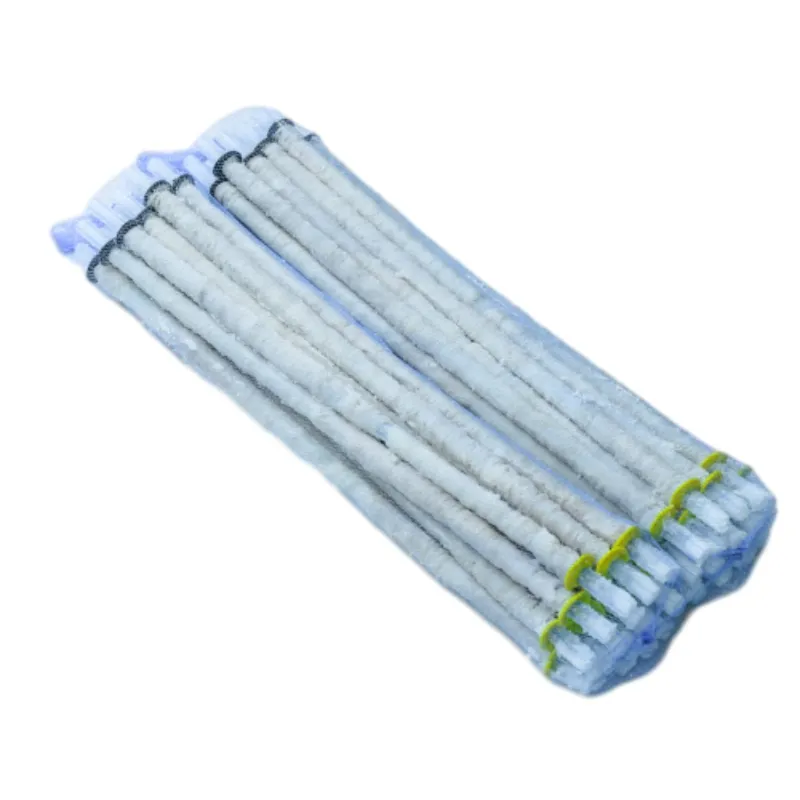
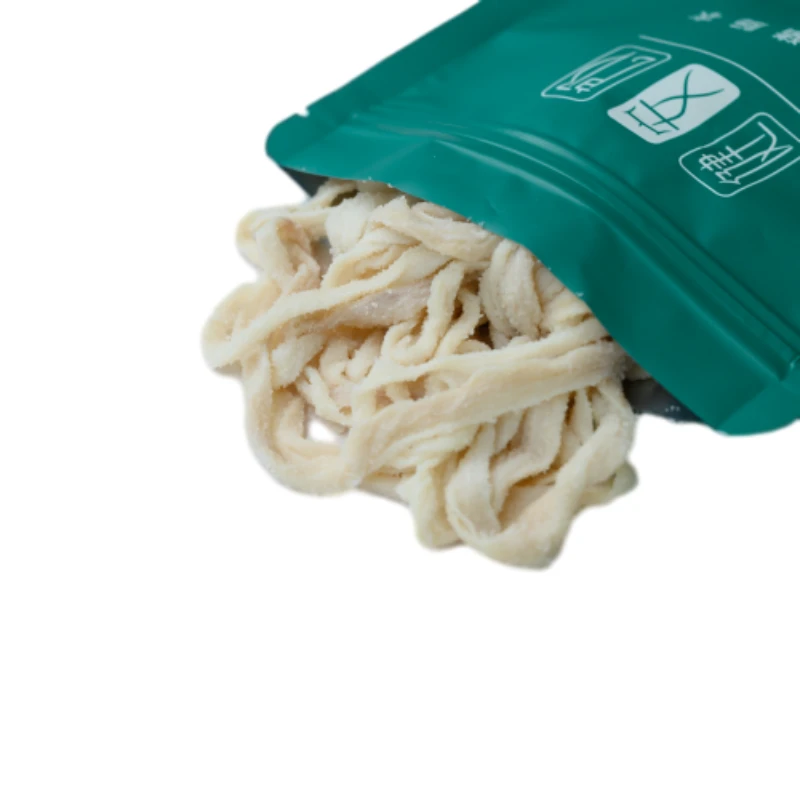
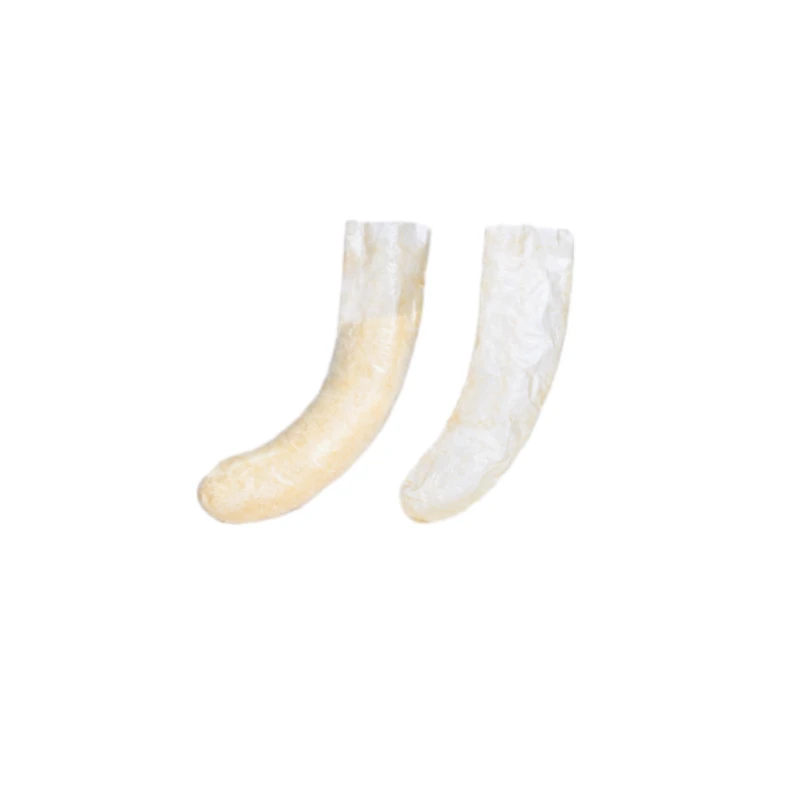
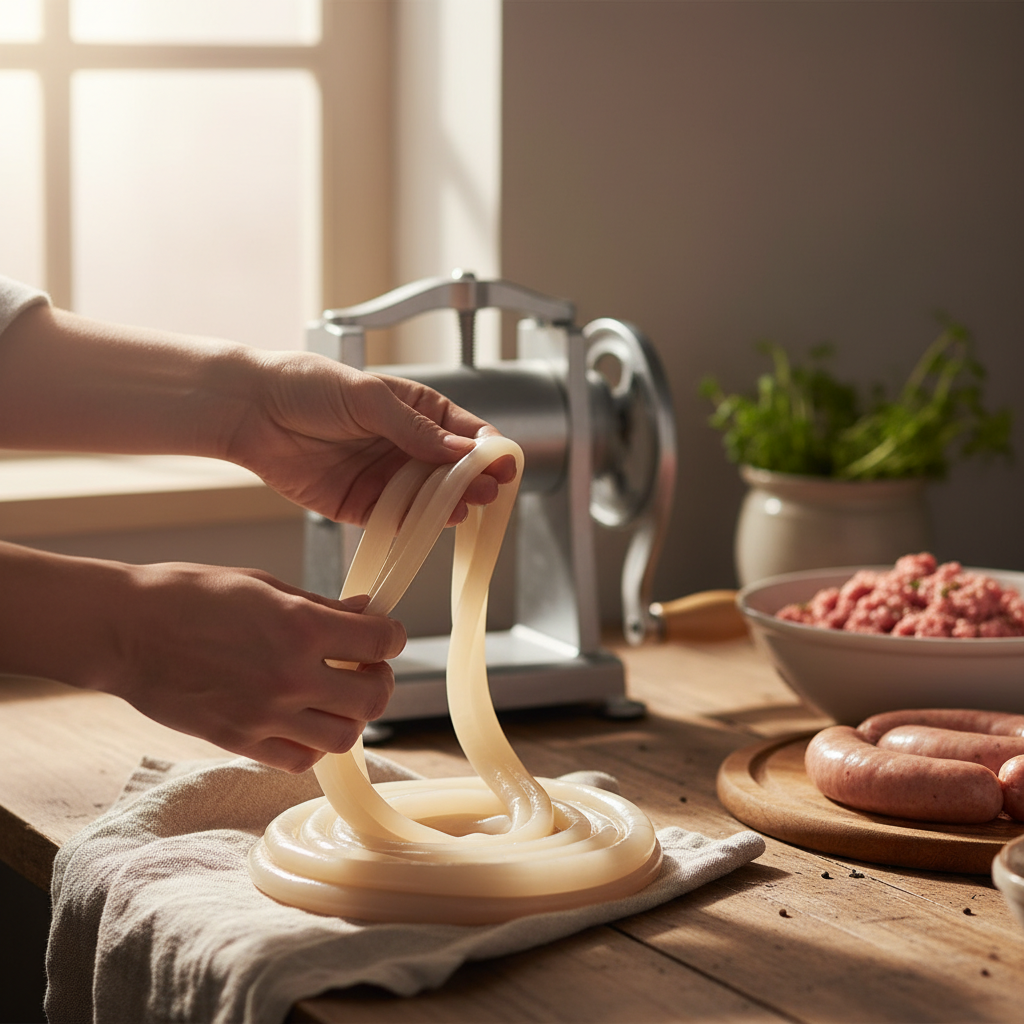
Put simply, cheap natural casing refers to the gut material from animals that's processed to be used as an edible sausage skin and sold at lower price points without sacrificing minimum safety and functional standards. Unlike synthetic alternatives — collagen, cellulose, or plastic casings — natural casings provide that traditional snap and appearance that consumers expect from certain types of sausages. “Cheap” doesn’t necessarily mean low quality, but rather competitively priced within the global market.
Natural casing is tied to modern industries like large-scale meat packing, but also has a foot in artisanal food production and export economies in countries such as China, Vietnam, and Turkey. It’s not just about sausages; natural casing sometimes serves other industrial roles – for example, in scientific or manufacturing sectors requiring biodegradable tubing, though that's less common.
Core Components of Cheap Natural Casing
1. Durability and Flexibility
A good natural casing must be strong enough to withstand processing – like stuffing, cooking, and packaging – yet flexible enough to give that desirable “snap” when bitten.
2. Safety and Hygiene Standards
Because it involves animal intestines, strict hygiene during harvesting, cleaning, and storage is paramount. Suppliers offering cheap natural casings must balance cost-cutting against potential contamination risks.
3. Size and Consistency
Sausage producers look for uniform diameter and length to optimize automatic production lines. Cheap casings tend to vary more in sizing than premium ones but must meet minimum tolerances.
4. Processing Methods
Natural casings require careful cleaning, salt-curing, and preservation. Some manufacturers innovate with improved salt mixtures or drying techniques, helping maintain quality at reduced costs.
5. Source Animal Species
Hog is most common worldwide, but sheep and cattle casings serve niche markets. Generally, cheaper casings come from abundant sources with efficient supply chains.
Mini takeaway: While “cheap” might raise eyebrows, in natural casing markets it’s a balance of durability, hygiene, size, and sourcing that makes lower prices possible without cutting corners.
How Cheap Natural Casing Is Used Worldwide
In Europe, particularly Germany and Poland, natural casing is prized in traditional sausages, where texture drives preference. In Asia, China and Vietnam supply a large share of the world’s natural casing exports, supporting households and small producers. The US market is significant too, relying on both domestic and imported casings.
Interestingly, in post-disaster relief or remote industrial zones, natural casing aids local food security. Imagine a small village where refrigeration is spotty — a batch of sausages packed in reliable natural casing might last longer and keep quality better than synthetic alternatives. Meanwhile, large food companies use cheap natural casing to scale production affordably without losing that authenticity customers want.
Product Specification Table: Typical Cheap Natural Casing Properties
| Specification | Value / Range | Notes |
|---|---|---|
| Animal Source | Hog, Sheep, Cattle | Most common sources |
| Diameter | 16–36 mm | Varies by use |
| Moisture Content | 55%–75% | Ensures flexibility |
| Preservation | Salt-curing | Extends shelf life |
| Packaging | Packed in salt or brine solution | Standard industrial packing |
How Cheap Natural Casing Vendors Stack Up
| Vendor | Region | Price Range (per kg) | Quality Grade | Delivery Speed |
|---|---|---|---|---|
| Global Casings Ltd. | China | $12–15 | Standard Export | 2–3 weeks |
| Euro Naturals | Poland | $18–22 | Premium | 1–2 weeks |
| MeatWrap Co. | USA | $20–25 | Organic Certified | 3–5 days |
| Himalayan Casings | Nepal | $10–13 | Economy Grade | 3–4 weeks |
What Makes Cheap Natural Casing Attractive? Advantages & Long-Term Value
- Cost Efficiency: Naturally, the big draw is affordability. Producers can lower costs without switching to less popular synthetic casings.
- Sustainability: Being a by-product of the livestock industry, natural casing reduces overall animal waste and promotes circular use.
- Food Quality & Taste: Many chefs and consumers swear by the texture and “bite” that only natural casing can provide — this is where culture meets culinary art.
- Social Impact: Supports small farmers and regional economies, especially in developing countries, by creating consistent demand and trade.
- Reliability & Safety: When processed properly, natural casings are safe and reliable — meaning fewer recalls or product quality issues.
Mini takeaway: Beyond just being “cheap,” natural casing brings a balance of social good, sustainability, and consumer satisfaction, making it a uniquely valuable product.
Looking Ahead: Trends & Innovation in Natural Casing
Here’s where it gets interesting — even something as “old school” as natural casing is evolving:
- Enhanced Processing Techniques: Companies explore ozone sterilization and improved drying to raise safety while cutting costs.
- Traceability & Digital Tracking: Blockchain and IoT devices offer precise tracking from farm to factory, increasing transparency and trust.
- Sustainability Certifications: Environmental labels tied to responsible livestock raising are gaining importance, pushing vendors to meet new standards.
- Hybrid Casings: Some R&D blends natural and collagen casings to stabilize prices and improve shelf life.
Challenges to Keep in Mind—and How to Overcome Them
Cheap natural casing isn’t without hurdles. It’s sensitive to supply fluctuations — affected by livestock diseases, weather, or export restrictions. Also, hygiene lapses can have big consequences, as natural casing is a biological material requiring scrupulous processing.
Thankfully, expert suppliers mitigate these risks by implementing strict quality control and engaging in supplier audits. Technology helps, too, with modern sterilization and packaging reducing contamination chances.
Frankly, the industry still struggles with educating consumers on the difference between natural and synthetic casing, which affects demand and innovation. Raising awareness is part of the solution.
FAQ: Your Burning Questions on Cheap Natural Casing
Q1: How do cheap natural casings compare to synthetic ones in durability?
Natural casings typically offer superior elasticity and bite but can be more delicate during processing. Synthetic casings are more uniform and robust in automated lines but lack the unique texture. Cheap natural casings may vary more but remain durable enough for typical sausage production.
Q2: Can I use cheap natural casing for export products?
Absolutely. Many exporters use competitively priced natural casing that complies with food safety standards. Just ensure your supplier provides proper certifications and traceability documents for international markets.
Q3: What’s the shelf life of salted natural casing?
When properly processed and stored in a cool environment, salted natural casing can last 12 to 18 months. However, always check moisture content and packaging quality to avoid spoilage.
Q4: Where can small producers source affordable natural casing reliably?
Many small enterprises turn to suppliers in Asia or Eastern Europe who specialize in economy-grade casing. Checking platforms like cheap natural casing can offer bulk sourcing options with delivery guarantees.
Q5: Are there any sustainability concerns with cheap natural casing?
Natural casings are by-products, so sourcing them encourages full utilization of slaughtered animals. However, ecological impacts from livestock farming remain a broader issue. Opting for vendors with certified sustainable practices helps mitigate concerns.
Conclusion: Why Cheap Natural Casing Still Holds Great Promise
It’s a funny thing — something as unassuming as a sausage casing carries with it centuries of tradition, modern industry challenges, and opportunities for sustainable, affordable food production worldwide. Cheap natural casing holds a vital place where cost, quality, and culture blend, helping producers large and small meet rising demand without compromising authenticity or safety.
If you’re interested in exploring these products yourself or looking for trusted suppliers, I recommend you visit our website to find competitive offers and detailed product info. There’s a whole world of natural casing waiting for you, with innovations just around the corner.