Dec . 02, 2025 19:26
The Growing Importance of Cheap Salami Natural Casing in the Global Food Industry
Cheap salami natural casing might sound like a niche term, but it’s a surprisingly important ingredient in both traditional charcuterie and modern meat processing worldwide. For anyone passionate about food, manufacturing, or even cultural heritage, understanding what this casing is and why its cost matters has practical and sometimes unexpected implications. From artisanal delicacies to large-scale production, the humble natural casing impacts flavor, texture, sustainability, and costs — and globally, the stakes have never been higher.
Why it Matters Globally
Salami and other cured meats remain culinary staples across Europe, the Americas, and increasingly parts of Asia and Africa. According to the Food and Agriculture Organization (FAO), demand for cured meats grows steadily with rising middle-class incomes and urbanization. But many producers struggle with sourcing affordable, high-quality casings — which are mostly made from cleaned animal intestines. This is where cheap salami natural casing options come in, creating a critical balance between cost efficiency and maintaining that authentic, natural texture and flavor which synthetic alternatives often can’t fully replicate.
Globally, cheap salami natural casing is more than just a meatpacker's cost-saving trick. It’s tied to food security, traditional craft preservation, and sustainable agriculture. Supply chain disruptions — whether caused by pandemics, trade restrictions, or animal health crises — show how vulnerable the industry’s natural casing sourcing can be, underscoring the importance of reliable, affordable options.
Defining Cheap Salami Natural Casing: What It Really Means
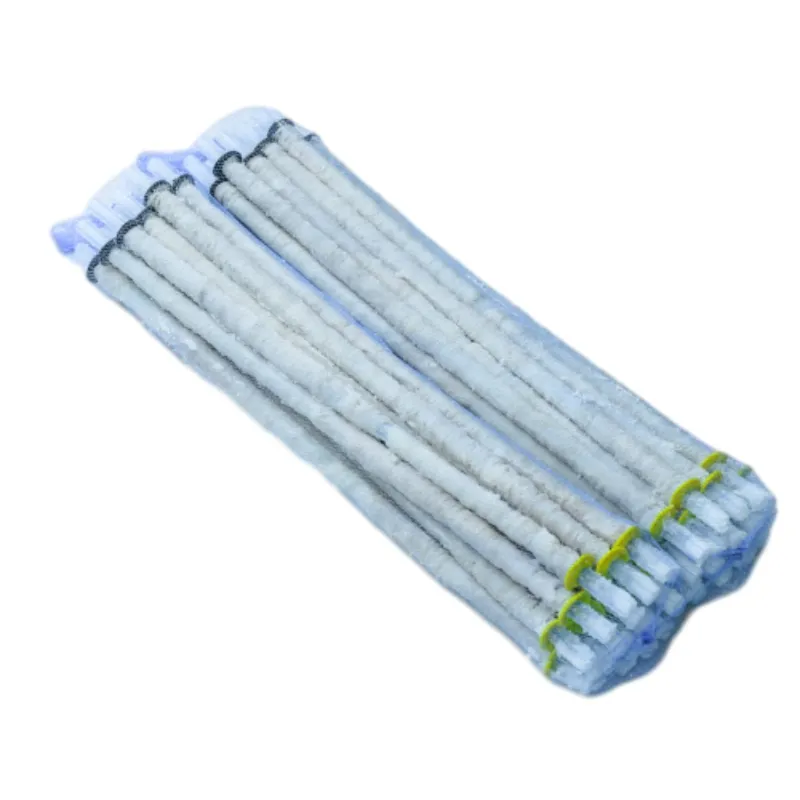
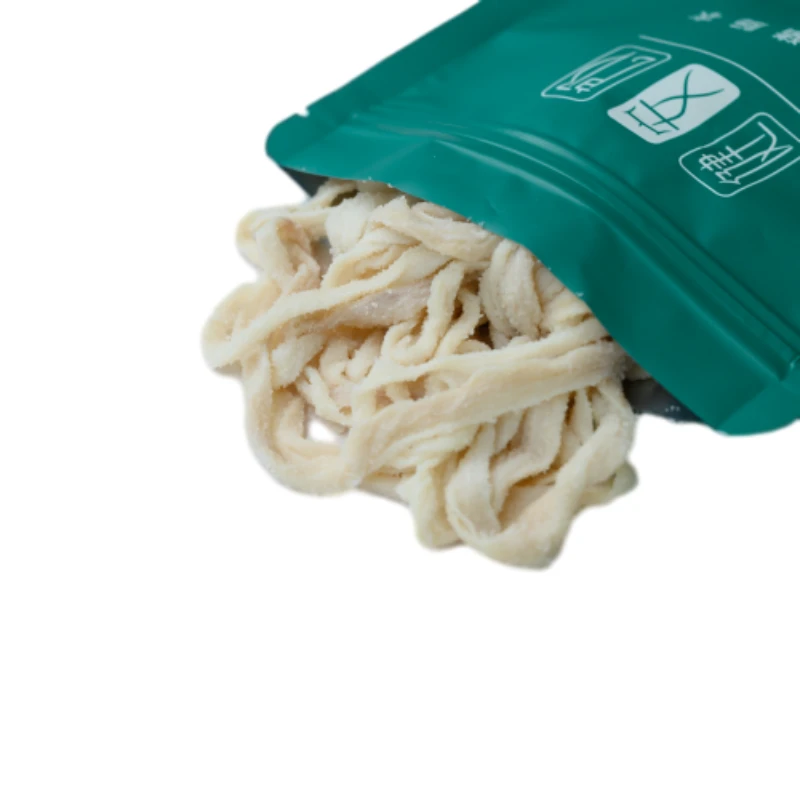
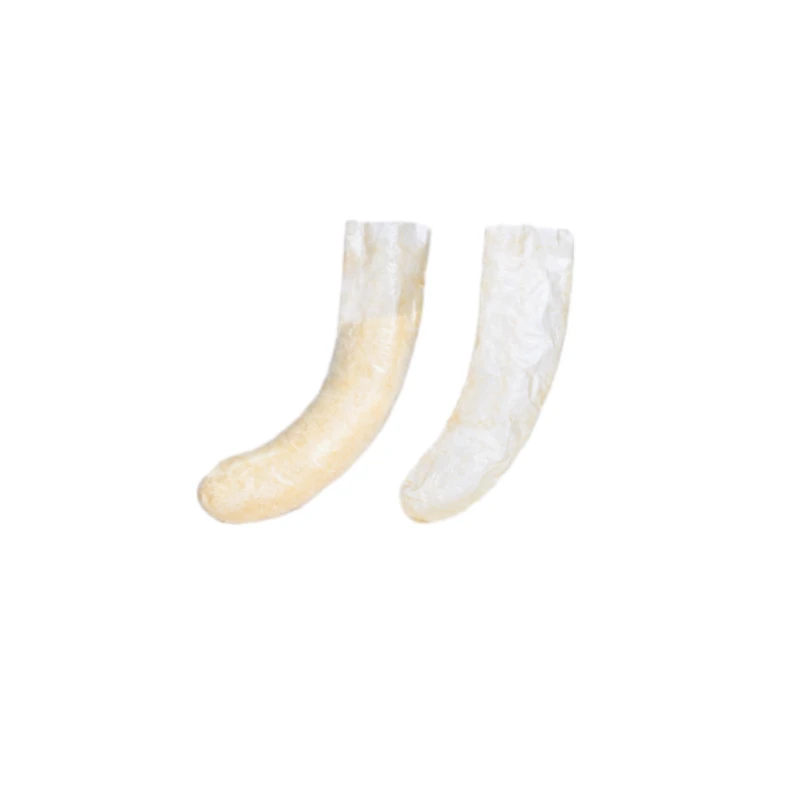
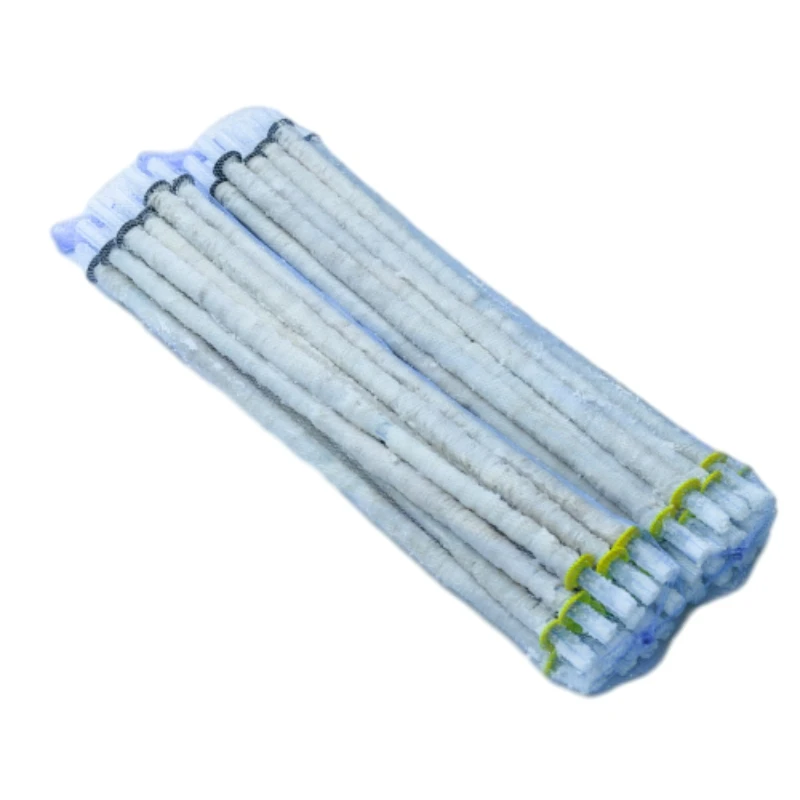
Simply put, natural casings are the cleaned, processed intestines of animals — mainly hogs, sheep, or cattle — used to encase sausages and salami. Unlike synthetic casings made from collagen or cellulose, natural casings offer a unique texture and permeability essential for curing and flavor development.
The term “cheap” here refers not to low quality, but to affordable sourcing — often via efficient cleaning processes, large-scale but sustainable harvesting practices, and optimized supply chains. In modern food production or even humanitarian contexts (e.g., mobile food supply units in disaster areas), having reliable, inexpensive natural casings means producers can maintain quality without pricing consumers out.
In a way, natural casings bridge both centuries-old traditions and cutting-edge food tech challenges — connecting what I’d call the “art” of food and the science of supply.
Core Components That Define Quality and Affordability
1. Durability
Casings need to withstand mechanical stuffing and months of curing without tearing. Quality natural casings retain elasticity without sacrificing strength — and when sourced efficiently, don’t become cost-prohibitive.
2. Permeability
Natural membranes allow moisture and smoke penetration crucial to final salami texture and flavor. Synthetic alternatives often lack this subtlety, making natural casings preferred, especially for premium products.
3. Cost Efficiency
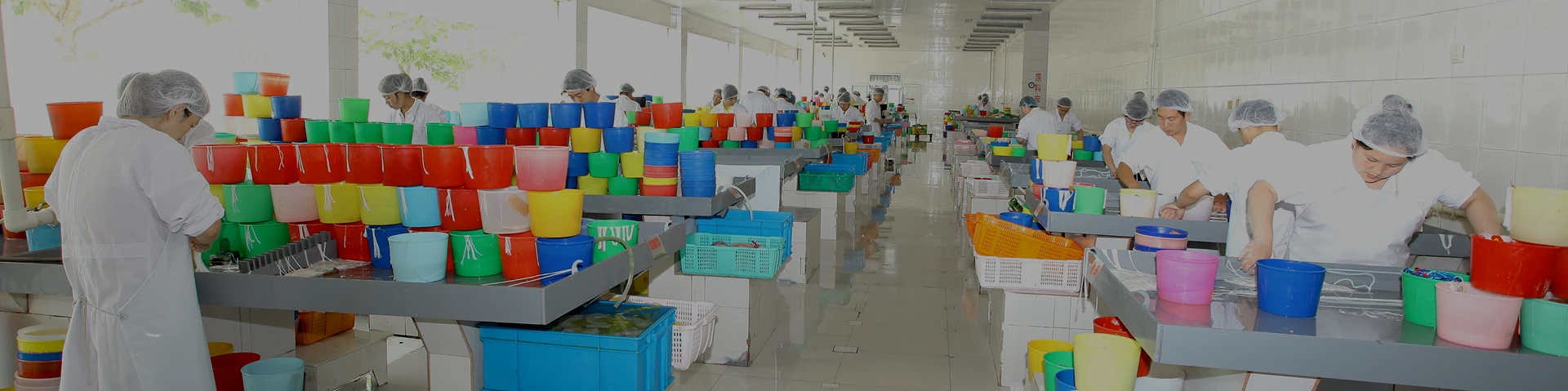
Large-scale automated cleaning and grading techniques help trim costs. Many suppliers leverage regional animal processing byproducts, turning potential waste streams into affordable casings. This circular approach benefits both producers and the environment.
4. Sustainability
Renewable, biodegradable, and sourced from byproducts rather than dedicated animals, natural casings score well on sustainability metrics — especially compared to plastics. This eco-friendly angle is growing in importance, especially in European markets.
5. Consistency & Customization
Modern suppliers now offer standardized calibers, length options, and packaging designed for factory or artisanal use. This combination of traditional product with modern specs means better matching to customer needs without inflating costs.
Product Specification Table for Typical Cheap Salami Natural Casings
| Specification | Details |
|---|---|
| Type | Hog or Sheep Small Intestines |
| Diameter Range | 16-28 mm (typical) |
| Length per Casing | 2-10 meters (varies by order) |
| Cleanliness | Food-grade sterilized, salted |
| Shelf Life | Up to 1 year refrigerated (vacuum-packed) |
| Packaging | Bundles with saline solution or dry salted |
Global Applications & Real-World Use Cases
Cheap salami natural casing finds use across various industries and geographies:
- Traditional Artisanal Producers: European countries like Italy and Spain maintain a craft focus, relying on natural casings for authentic salami and sausages.
- Mass Meat Processors: Large enterprises in North America and South America use cost-efficient casings to scale while meeting strict food safety standards.
- Humanitarian Aid & Emergency Food: Organizations produce cured meats with natural casings for mobile or long-term food distribution, ensuring longevity and palatability in tough environments.
- Developing Markets: As demand rises in Asia-Pacific and Africa, affordable casings enable local producers to enter global value chains.
For instance, I recently read about a small-scale maker in Hungary who managed to reduce their production costs by 15% after switching to a cheaper natural casing supplier without compromising taste or texture. It’s those kinds of real-world savings that add up...
Comparing Leading Vendors of Cheap Salami Natural Casings
| Vendor | Price Range (per meter) | Product Range | Sustainability | Geographic Coverage |
|---|---|---|---|---|
| RTCasing Co. | $0.20 - $0.35 | Hog & sheep, salted & dry | High - byproduct sourcing | Europe, North America, Asia |
| Global Casings Ltd. | $0.25 - $0.40 | Wide calibers, organic options | Medium - certified organic | Worldwide |
| EcoSausage Supplies | $0.22 - $0.30 | Mostly hog, sustainable packaging | Very High - biodegradable, waste reduction | Europe & Asia |
Advantages & Long-Term Value of Affordable Natural Casings
There’s more to cheap salami natural casing than just upfront cost savings. In real terms, the benefits ripple through the entire supply chain and consumer experience.
- Cost Control: Smaller margins per meter mean producers can price competitively without sacrificing quality.
- Sustainability: Utilizing animal byproducts reduces waste and plastic usage, earning goodwill and regulatory credits.
- Flavor and Authenticity: Natural casings maintain the taste profile and texture that connoisseurs crave.
- Social Impact: Affordable ingredients keep traditional recipes alive in challenged economies, preserving culinary heritage.
- Consumer Trust: Shoppers increasingly seek products with natural, traceable packaging — casings included.
It almost feels like cheap natural casings are at the heart of a virtuous cycle — quality, sustainability, and cultural respect all wrapped up in one.
Looking Ahead: Trends & Innovations in Natural Casings
New tech is trickling into this traditionally old-school industry. For example, automation in casing cleaning and grading improves consistency while trimming labor costs. Biotechnology firms are investigating lab-grown membranes for truly sustainable natural alternatives, which could redefine “cheap” in a few years.
Sustainability certifications like ISO 14001 are becoming standard. Digital tracking with blockchain—yes, blockchain—is helping producers prove the origin and quality of their natural casings. It’s strange but promising to watch such an ancient product meet 21st-century tech this way.
Plus, more suppliers focus on zero-waste packaging, further shrinking environmental footprints. The combination of green energy use in production facilities and AI-powered demand forecasting promises to reduce overstock and waste. So yes, cheap salami natural casing is quietly weaving itself into the modern innovations tapestry.
Challenges & Solutions for Sourcing Cheap Natural Casings
There are, naturally, hurdles. Supply chain bottlenecks caused by fluctuating livestock yields, regional diseases (like African Swine Fever), and increasing regulatory hurdles can disrupt flow and cause price spikes.
Quality control varies across suppliers, leading to inconsistencies that frustrate producers relying on standard dimensions and durability. Also, consumer trends pushing for vegan or synthetic alternatives threaten natural casing demand.
Solutions? Many producers diversify supplier bases across regions to cushion shocks. Rigorous testing protocols (per ISO 22000 standards) help ensure consistent product specs. And some companies innovate by blending natural and collagen casings to get “best of both worlds” effects.
Ultimately, investing in trusted partnerships and transparent supply chains will be key to overcoming these limitations.
FAQ: Frequently Asked Questions About Cheap Salami Natural Casing
Q1: Is cheap salami natural casing safe for food consumption?A: Absolutely. Food-grade natural casings go through strict cleaning, sterilization, and quality control processes before packaging. They meet food safety regulations worldwide such as the USDA and EU standards. Proper storage also maintains their safety for up to a year.
Q2: Can natural casings be used for vegan or plant-based sausages?
A: Natural casings come from animal intestines, so they’re not suitable for vegan diets. However, for plant-based products wanting authentic sausage shapes, synthetic or vegetable-based casings are often used instead.
Q3: What determines the price difference among natural casing suppliers?
A: Costs vary based on animal origin, casing size, cleaning methods, packaging, and supply chain logistics. Higher-end organic or specialty casings cost more, while bulk orders or regionally sourced products can be cheaper.
Q4: How do natural casings affect the flavor of salami?
A: Natural casings’ breathability allows moisture and smoke to penetrate during curing, which improves flavor depth and texture. Synthetic alternatives generally lack this subtle effect, sometimes resulting in a milder product.
Q5: Where can I buy cheap salami natural casing online?
A: Reputable suppliers like cheap salami natural casing vendors provide a variety of options. Make sure to choose based on customer reviews, certifications, and product specifications to find the best fit for your needs.
Conclusion: Wrapping up Why Cheap Salami Natural Casings Matter
All things considered, cheap salami natural casing is more than just a budget saving — it’s a critical ingredient that preserves traditions, supports sustainable food systems, and ensures consistent, authentic products for producers and consumers alike. As technologies and supply chains evolve, affordability coupled with quality will remain paramount.
If you’re involved in cured meat production or just passionate about great sausages, exploring options for cheap, reliable natural casings is a smart move. For those interested, don’t hesitate to check out reliable suppliers who balance quality and cost effectively.
After all, sometimes it’s the smallest element—the casing—that holds tradition and innovation together.