Dec . 02, 2025 20:36
Cheap Dried Hog Casings: What They Are and Why They Matter Globally
At first glance, you might wonder why anyone would spend much time thinking about cheap dried hog casings. Yet, their significance stretches far beyond the traditional sausage-making kitchen. Whether you're a processor in a bustling meatpacking hub or an aid organization packing emergency food supplies, these casings play a quiet but crucial role. Understanding their global importance, from economics to humanitarian relief, uncovers not only cultural food traditions but also innovations in supply chain sustainability and cost efficiency.
In an ever-globalizing food industry, identifying and sourcing affordable yet reliable food packaging materials like dried hog casings means the difference between profit and loss — or in some cases, survival and dignity.
The Global Context: Connecting Cheap Dried Hog Casings to Industry and Aid
Meat consumption worldwide has been steadily rising, with the FAO estimating a near 20% increase in pork production over the last decade. This surge shapes demand for materials that can protect, preserve, and present meat products optimally. FAO reports reveal how traditional natural casings remain preferred in many parts of Europe and Asia, driving demand for dried hog casings.
Yet, affordability is a challenge. Many producers and small-scale processors in emerging markets struggle to source quality casings without blowing their budgets. That’s where cheap dried hog casings come in — not to be mistaken for inferior, but rather as competitively priced options that don’t cut corners on usability.
In humanitarian terms, agencies providing food aid in disaster-hit zones also depend on low-cost, durable casings to package proteins that last during transport and storage. So, these casings serve both industrial scale food chains and life-saving relief efforts — a duality few other products share.
Defining Cheap Dried Hog Casings
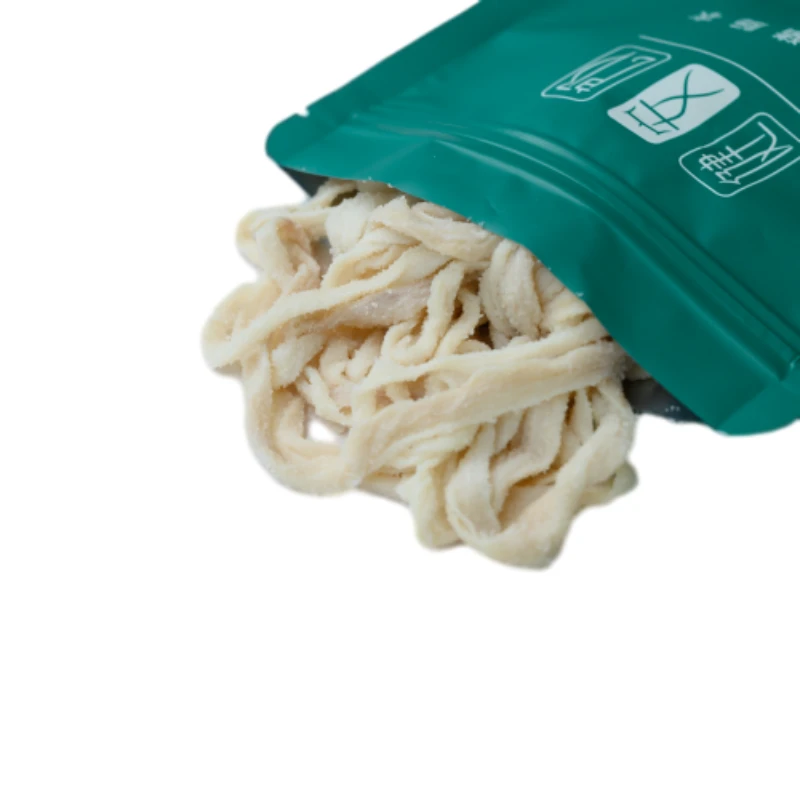
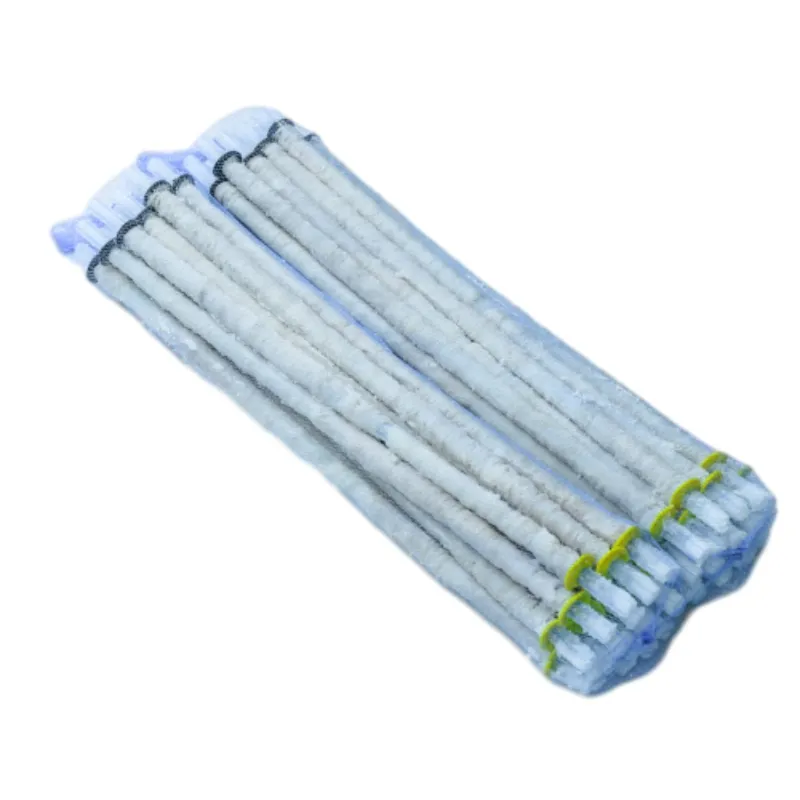
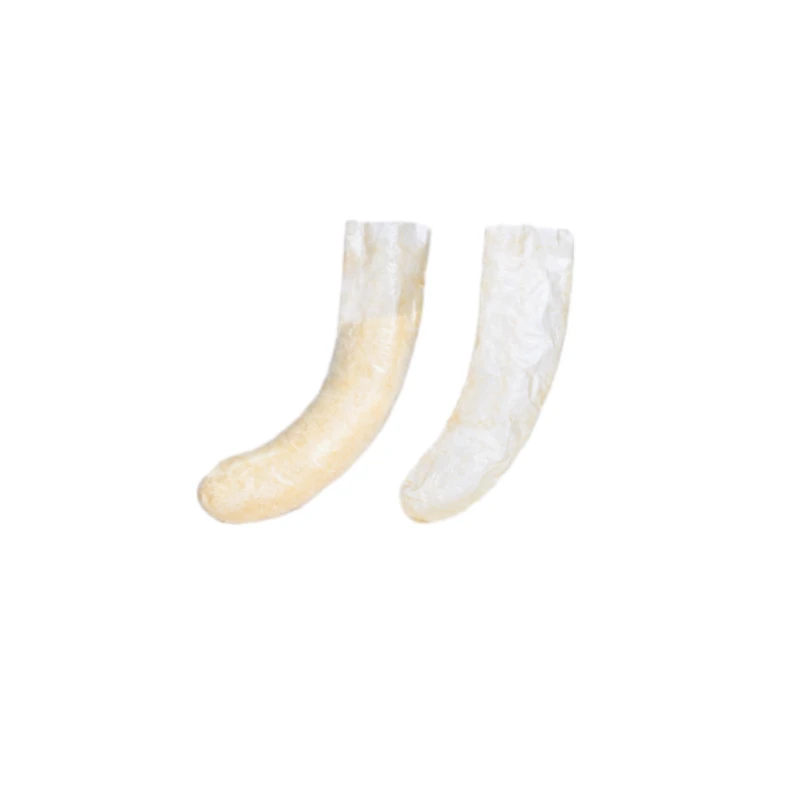
Simply put, dried hog casings are the cleaned and dehydrated intestines of pigs, processed and prepared to serve as natural sausage casings. Calling them "cheap" focuses on their cost-effective availability compared to other natural or synthetic alternatives, but it doesn’t imply lack of quality or performance.
Natural casings are prized for their texture, permeability, and ability to retain flavor — essential attributes in artisanal and commercial sausage production alike. The drying process extends shelf life and ease of storage, unlocking scalability for producers everywhere.
These casings also have intriguing secondary uses: in historical contexts, they’ve been part of non-food packaging and even traditional leather-like materials. Today, their primary identity remains tied to food production and aid.
Core Aspects That Define Practical Use
1. Durability and Shelf Life
Drying hog casings naturally extends their shelf life up to 12 months or more under proper storage. This greatly benefits processors who can't afford frequent imports.
2. Cost Efficiency
While synthetic casings offer uniformity, many producers find dried hog casings more budget-friendly without sacrifices to natural qualities.
3. Scalability and Availability
Suppliers in regions with strong pork industries can provide these casings reliably, often harvested as by-products, fitting well into circular economy practices.
4. Quality & Consistency
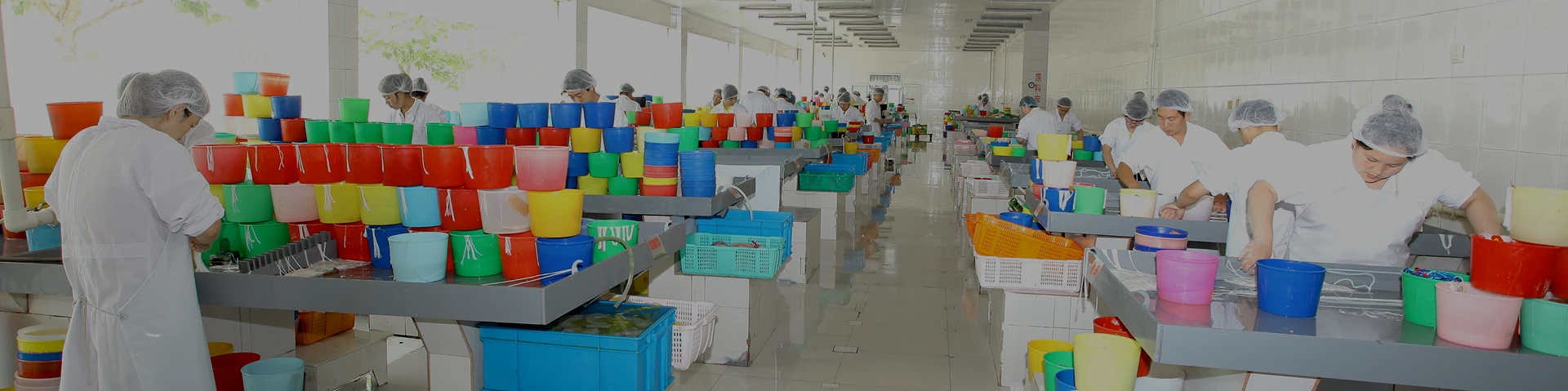
Modern processing techniques ensure variations are minimized, supporting commercial packaging demands with improved batch consistency.
5. Sustainability
Using animal by-products reduces waste, so these casings fit nicely into eco-conscious production cycles — especially important as consumers increasingly require transparency and responsibility.
6. Compatibility
They can be used in a wide array of sausage types, from bratwurst to spicy chorizo, making them versatile staples.
Practical Global Applications
The uses span far and wide:
- Western Europe: Sausage artisans prize these casings for traditional recipes.
- Asia-Pacific: Rapidly growing markets consume dried pork casings due to expanding urban demand.
- Humanitarian Aid: Emergency food packs include sausages sealed by dried casings for longer shelf life during transport.
- Small-Scale Rural Processing: Regions where refrigeration is limited rely on these casings’ natural permeability for effective curing.
For example, in post-tsunami food relief, dried hog casings enabled aid workers to package high-protein sausages that survived weeks in tropical heat — a small detail that saved logistics headaches.
The Tangible Benefits of Cheap Dried Hog Casings
More than just a packaging material, these casings bring:
- Cost Savings: Lower input expenses increase producer margins or keep prices accessible.
- Sustainability: Reusing animal by-products reduces environmental impact.
- Reliability: Tested in traditional and industrial food lines for decades.
- Food Quality: Natural casings enhance texture and authenticity, appealing to consumer trust.
On a human level, providing affordable protein products using these casings supports food security and dignity — which is, frankly, a priceless value.
Looking Ahead: Innovations on the Horizon
Although “cheap” might suggest static technology, innovation is buzzing. For instance:
- Automated Sorting and Grading: Computer vision systems improve batch consistency and reduce manual labor costs.
- Eco-Friendly Processing: New enzymes and less chemical dependence reduce harmful waste streams.
- Traceability Integration: Blockchain tagging promises full transparency from slaughterhouse to shelf.
- Sustainability Certifications: Growing interest in verified ethical products could elevate “cheap dried hog casings” into certified green options.
In short, what seems like a simple natural product is adapting alongside broader food industry transformations.
Typical Challenges and Practical Solutions
No product is perfect. Some common hurdles include:
- Variability in Size and Texture — some lots still require manual selection.
- Storage Sensitivity — humid climates challenge shelf life.
- Regulatory Compliance — import/export restrictions can complicate sourcing.
Experts suggest tight supplier audits, controlled climate storage, and working with vendors who meet international health standards as smart moves. It’s the classic “trust but verify” approach but applied to casings.
Product Specification Table
| Specification | Typical Range | Notes |
|---|---|---|
| Diameter | 18-28 mm | Varies by lot, suitable for most sausage types |
| Length per casing | 1.5 - 3 meters | Allows flexible sausage sizing |
| Moisture content | 10-15% | Ensures long shelf life |
| Shelf life (dry storage) | 12-18 months | Depends on climate and packaging |
| pH (after washing) | 6.2 - 6.8 | Crucial for bacterial safety |
Vendor Comparison Table: Choosing the Right Supplier
| Vendor | Price per kg (USD) | Lead Time | Sustainability Certification | Customer Rating |
|---|---|---|---|---|
| EastAsia Naturals | $4.50 | 2 weeks | ISO 14001 | 4.5/5 |
| PorkPro Supplies | $3.85 | 1 week | None | 4.0/5 |
| GreenField Naturals | $5.10 | 3 weeks | SFI Certified | 4.7/5 |
Frequently Asked Questions About Cheap Dried Hog Casings
Q1: Are cheap dried hog casings safe and sanitary for food use?
Yes, when sourced from reputable suppliers, these casings undergo strict cleaning and curing processes that meet international food safety standards. Washing, salting, and drying eliminate harmful bacteria, ensuring they're safe for sausage production.
Q2: How long can cheap dried hog casings be stored before use?
Under proper dry, cool, and ventilated conditions, these casings can last from 12 up to 18 months. Humid environments shorten shelf life, so airtight packaging and climate control help maintain quality.
Q3: Can cheap dried hog casings replace synthetic casings in large-scale production?
Many small to medium processors successfully use natural casings for their flavor and texture benefits. However, synthetic casings offer uniformity and may be preferred at massive industrial volumes. Cost and product goals steer the choice.
Q4: Are these casings suitable for various sausage types?
Absolutely. The pliability and permeability of dried hog casings accommodate many styles including fresh, smoked, and cured sausages like bratwurst, hot dogs, and salami.
Q5: How can international buyers import cheap dried hog casings efficiently?
Working with suppliers offering documentation for customs, and verifying product compliance with target country's food regulations, smooths importation. Established vendors often assist with logistics and certifications.
Wrapping It Up: Why Cheap Dried Hog Casings Still Matter
To circle back, cheap dried hog casings are the unsung heroes linking tradition with modern-day food production demands. They satisfy the dual needs of cost-conscious producers and humanitarian programs while aligning with sustainability goals that will only grow sharper over time.
For businesses and projects looking to balance quality and affordability, these casings offer a dependable choice. Explore trusted sources and leverage advancements in processing to stay competitive. If you want to dive deeper or source your own, visit cheap dried hog casings for the latest offerings and expert advice.
Mini Takeaway:
Cheap dried hog casings are more than just a budget-friendly packaging material. They're a global connector of industries, traditions, and humanitarian efforts — a small product with a wide impact.