Jan . 03, 2026 07:35
How to Use dry sausage casing effectively
Having spent quite a few years in the industrial equipment sector, especially around food processing lines, I can tell you dry sausage casings are a bit of an unsung hero in the world of charcuterie. You might think they're straightforward—stuff the casing, twist, dry—but there’s a surprising amount of nuance that comes with using dry casings well.
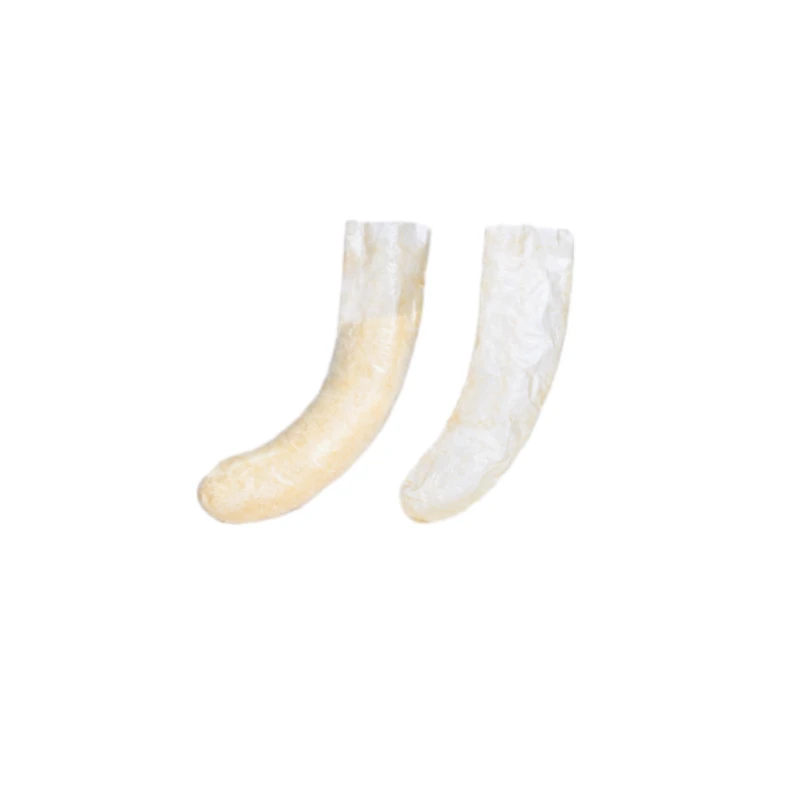
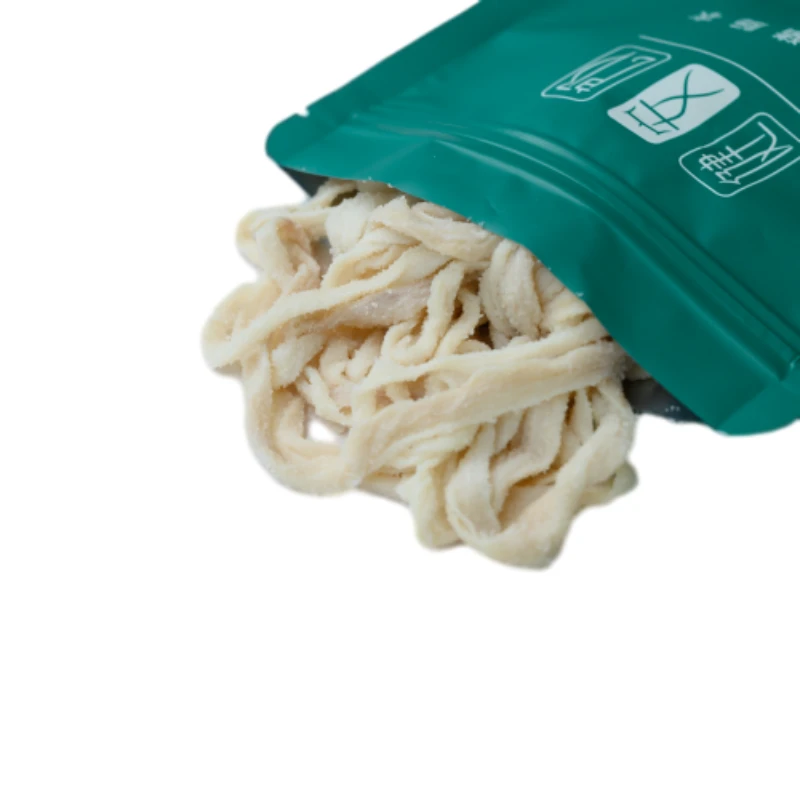
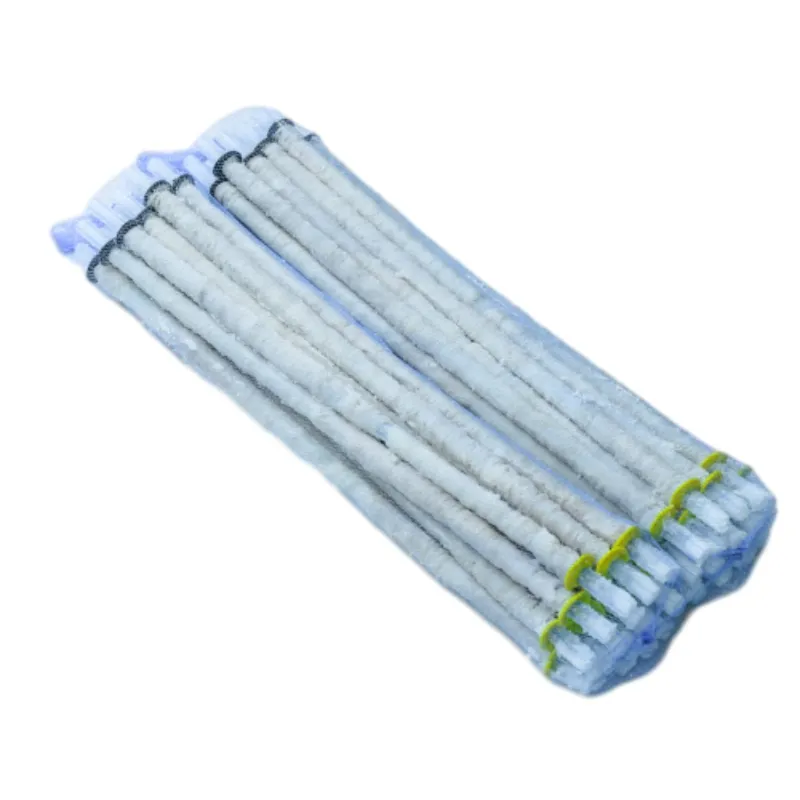
So, what exactly are dry sausage casings? In real terms, these are dehydrated natural or collagen casings, typically packed tight and preserved for easy transport and storage without refrigeration. Before you can use them, they’ll need rehydration. That step is critical because trying to stuff a casing straight out of the pack usually ends in tears—literally and figuratively.
The most common process I’ve seen, and what many processors swear by, is soaking the casings in lukewarm water—around 25–30°C (77–86°F)—for roughly 30 minutes up to 2 hours depending on thickness and type. Oddly enough, some collagen types rehydrate faster than natural ones, but natural casings tend to have better bite and flavor once dried and smoked. It feels like you get a more authentic sausage experience that way.
After rehydration, you want to rinse the casings thoroughly in clean water to get rid of excess salt or preservatives. Many times, I’ve seen small chunks left in the casing lumen, which can lead to spoiled batches later on. Making sure they’re clean keeps the sausage’s flavor intact and prevents unwanted textures.
Stuffing these casings obviously requires some care. If the sausage mix is too wet or sticky, it can be tricky, and you’ll need the right stuffing machine or at least a manual horn with good control to avoid overstuffing and bursting. I recall a client once complaining about high yield loss until we recommended slowing down the stuffing speed and monitoring the casing moisture content more closely.
Dry sausage casings also lend themselves well to customization — different thicknesses, diameters, and even curl profiles, depending on the meat blend you’re using. Some casings will give a tight, firm snap; others a softer chew. I noticed that many artisan producers especially appreciate collagen casings for their uniformity and ease of use compared to traditional natural ones.
Before sealing and hanging for drying or smoking, it’s helpful to prick the casing gently in places to allow air to escape — this prevents unwanted air bubbles that cause unsightly deformities or bursting during drying. It’s one of those simple steps, but honestly, it’s saved me from repeat production headaches more than once.
| Type | Material | Diameter Range (mm) | Typical Soak Time | Best For |
|---|---|---|---|---|
| Natural Dry | Intestines (sheep, hog, beef) | 20 - 40 | 1.5 - 2 hrs | Traditional dry/smoked sausages |
| Collagen Dry | Collagen protein (hide-derived) | 18 - 35 | 30 min - 1 hr | Uniform shape, fast production |
| Fibrous Dry | Collagen with reinforcing fibers | 30 - 60 | 45 min - 1.5 hrs | Cooked and smoked large sausages |
Now, when it comes to sourcing these casings, I’ve worked with a handful of suppliers over time. Frankly, quality and consistency vary quite a bit. Below is a quick comparison of some vendor options I’ve vetted or heard reliable feedback about in the trade:
| Vendor | Casing Types | Average Lead Time | Quality Consistency | Price Range |
|---|---|---|---|---|
| RTCasing | Natural, Collagen, Fibrous | 1-2 weeks | High - rigorous quality checks | Moderate |
| SausageSupplies Inc. | Natural, Collagen | 2-3 weeks | Variable - seasonal quality changes | Low to Moderate |
| PrimeCasings | Collagen, Fibrous | 1 week | Consistent | Higher |
I find that working with a vendor like RTCasing really helps smooth out production hiccups, thanks to their reliable logistics and, to be honest, their product quality really shines through in the final sausage texture. That consistency is golden in any food production environment—you don’t want surprises.
To sum it up, mastering dry sausage casing usage boils down to a few things: proper rehydration, gently prepping before stuffing, choosing the right casing type to suit your product, and sourcing from dependable suppliers. It sounds simple, yet the devil is in the detail—I suppose that’s true of most industrial processes.
One quick anecdote: a midsize European artisan meat producer I worked with once switched from fresh to dry collagen casings to streamline their workflow. They reported fewer packing errors and faster throughput after adjusting soak times, which tells you how practical these casings can be when you get it right.
If you’re considering adding dry sausage casings to your lineup, don’t rush the soaking step, and take time testing different diameters and casing types. It’s worth experimenting to find your sweet spot.
A simple change that can make a world of difference in your sausage production — trust the casing process and your final product will thank you.
- “Sausage Technology” by Frank Mascioli - a classic industrial reference.
- Industry case studies from RTCasing product literature.
- Personal experience from food processing plants (2012–2023).