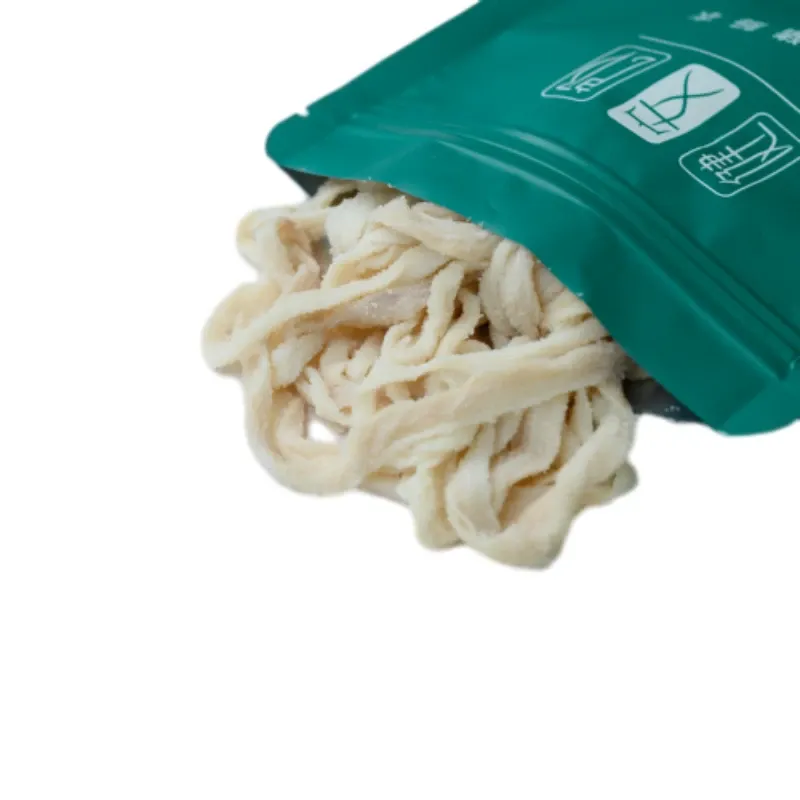
Premium Natural Casing from a Leading Hog Casing Manufacturer
Selecting the right natural casing is a critical decision for any professional charcuterie or industrial sausage producer. For those crafting fine-diameter products such as chipolatas, merguez, or breakfast links, the structural integrity and "snap" of the casing define the final consumer experience. Sheep casings are prized for their delicate texture and consistent diameter, but achieving this requires a rigorous supply chain—from the initial slaughterhouse procurement to the final salt-packing process. This guide examines the technical requirements for premium natural casings and how direct sourcing eliminates the risks associated with excessive processing and quality degradation.

Direct Sourcing and Raw Material Integrity for Premium Natural Casings
The quality of a natural casing is determined long before it reaches the stuffing machine. By procuring raw intestines exclusively from certified slaughterhouses, manufacturers can ensure maximum freshness and full traceability. This direct-sourcing model is essential because it minimizes the number of intermediaries and processing interventions, which otherwise risk damaging the natural collagen structure of the casing.
Rigorous selection is the second pillar of quality. Not every intestine is suitable for high-end sausage production. Only uniform, defect-free materials are processed to optimize casing strength and elasticity. This meticulous sorting process prevents bursts during high-speed stuffing and ensures that the final product has a professional, uniform appearance across thousands of units.
- Certified Origin: Sourcing from regulated facilities ensures food safety and compliance.
- Collagen Preservation: Minimal handling maintains the inherent elasticity of the animal tissue.
- Defect Screening: Removing irregularities to ensure consistent diameter and wall thickness.

Technical Performance: Texture, Permeability, and the Perfect Snap
For sausages in the 16–28mm range, sheep casings provide a superior tactile experience compared to synthetic alternatives. The primary technical advantage is the "snap"—the audible and physical sensation when the casing breaks during consumption. This is achieved through a delicate and tender texture that manages to be strong enough for industrial processing while remaining thin enough for a premium mouthfeel.
Furthermore, natural casings offer excellent permeability. This characteristic is vital for the curing and smoking processes, as it allows smoke and seasonings to be absorbed more efficiently into the meat emulsion. The result is a richer, more authentic flavor profile that cannot be replicated by collagen or plastic casings, which often act as barriers to flavor penetration.
Because these casings contain no artificial additives, they preserve the traditional appeal of artisanal sausages. This natural composition makes them highly desirable for markets moving toward "clean label" products, where consumers demand transparency and a lack of synthetic chemicals in their food.
Global Compliance and Industrial Application Scenarios
Operating in the international meat processing industry requires strict adherence to global safety standards. Premium casings must meet USDA and EU regulations to be viable for export and use in diverse markets. This involves not only the quality of the raw material but also the sanitary conditions of the processing plant and the efficacy of the preservation method, whether using traditional salt-packing or pre-flushed brine for immediate use.
In an industrial setting, consistency is the highest priority. A stable supply chain, supported by direct partnerships with slaughterhouses, ensures that producers do not face downtime due to material shortages or fluctuations in casing quality. When a manufacturer can guarantee a consistent diameter and strength, the stuffing equipment can be calibrated for maximum efficiency, reducing waste and labor costs.
Tailored processing options allow buyers to choose based on their operational needs. Salt-packed casings offer long-term stability for storage, while pre-flushed options reduce preparation time on the factory floor, allowing for a more streamlined transition from storage to production.
Technical Comparison of Natural Casing Selection Criteria
| Evaluation Factor | Premium Sourced | Standard Grade | Impact on Final Product |
|---|---|---|---|
| Collagen Structure | Intact/High Elasticity | Variable/Moderate | Burst rate during stuffing |
| Permeability | High (Optimal Smoke) | Medium | Flavor and color depth |
| Diameter Uniformity | Strictly Controlled | General Range | Visual consistency of links |
| Additive Profile | Zero Artificials | Potential Stabilizers | Clean label compliance |
| Sourcing Path | Direct Slaughterhouse | Multi-tier Trading | Traceability and Freshness |
Evaluating Supplier Capabilities in the Casing Industry
When selecting a partner, it is essential to look beyond the product specifications and evaluate the manufacturer's systemic capabilities. A reliable supplier should possess HACCP certification to ensure that hazard analysis and critical control points are managed throughout the processing cycle. This is particularly important for natural products that are susceptible to biological contamination if not handled in a strictly controlled environment.
Furthermore, the capacity for large-scale cold storage is a key indicator of reliability. A facility capable of holding substantial tonnage allows the supplier to buffer against seasonal fluctuations in raw material availability, ensuring that international clients receive a steady stream of product regardless of the time of year. This operational stability is what separates a boutique processor from a global industrial partner.
Finally, experience in global logistics and compliance is indispensable. Navigating the quarantine and inspection laws of different countries requires a seasoned team that understands the documentation and sanitary requirements of the destination market, ensuring that shipments are not delayed at customs.
Future Directions in Natural Casing Procurement
The industry is seeing a significant shift toward complete vertical integration. The most successful producers are those who control the chain from the slaughterhouse to the final packaging. This integration allows for real-time quality adjustments and ensures that the highest grade of intestines are reserved for premium lines, while secondary grades are diverted to other applications.
Additionally, there is an increasing demand for customized processing. As automation in sausage filling becomes more precise, the requirement for ultra-consistent casing diameters is growing. We expect to see more advanced sorting technologies and customized brine concentrations to meet the specific needs of different meat emulsions and curing durations.
For buyers, the focus is shifting toward sustainability and ethics. Sourcing from certified facilities that prioritize animal welfare and environmental standards is becoming a prerequisite for entering high-end European and North American markets. The combination of technical excellence and ethical sourcing will define the next generation of market leaders.
Frequently Asked Questions About Natural Sausage Casings
What is the primary difference between sheep and hog casings?
Sheep casings are much thinner and have a smaller diameter (typically 16-28mm), making them ideal for fine sausages like chipolatas. Hog casings are larger and thicker, used for traditional bratwursts or larger sausages, offering a different bite and capacity.
How does direct sourcing improve the quality of the casing?
Direct sourcing from certified slaughterhouses reduces the time between harvest and processing and eliminates middle-men. This preserves the natural collagen structure, ensures better traceability, and maintains higher freshness, which results in better elasticity and fewer bursts.
What does "permeability" mean in the context of casings?
Permeability refers to the ability of the casing to allow smoke, salt, and seasonings to pass through the wall into the meat. Natural casings have superior permeability compared to synthetic ones, leading to more authentic flavors and colors during the smoking process.
Why is HACCP certification important for a casing manufacturer?
HACCP (Hazard Analysis and Critical Control Points) ensures that a manufacturer has a systemic approach to food safety. Since casings are animal by-products, strict control over temperature, sanitation, and processing is required to prevent contamination.
Can natural casings be customized for different production needs?
Yes, they can be offered in different formats, such as salt-packed for long-term storage or pre-flushed brine for convenience. Additionally, they are sorted by diameter to match the specific requirements of the stuffing equipment.
What are the common causes of casing bursts during stuffing?
Bursts are usually caused by either defects in the casing wall (irregularities) or excessive stuffing pressure. Using premium, rigorously selected casings with high elasticity significantly reduces the occurrence of these failures.
Technical and Industry References
- Food and Agriculture Organization of the United Nations
- European Food Safety Authority (EFSA)
- United States Department of Agriculture (USDA)
- International Organization for Standardization (ISO)
For professional meat processors seeking reliable, high-performance natural casings, prioritizing a supplier with integrated sourcing and certified quality systems is the only way to ensure product consistency and brand reputation.
Related Industry Insights