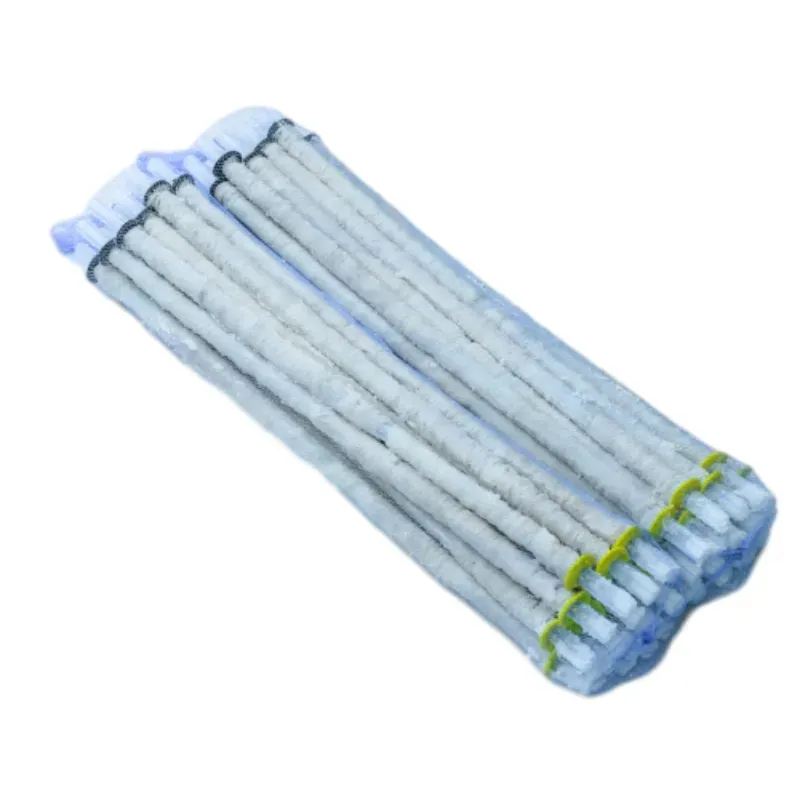
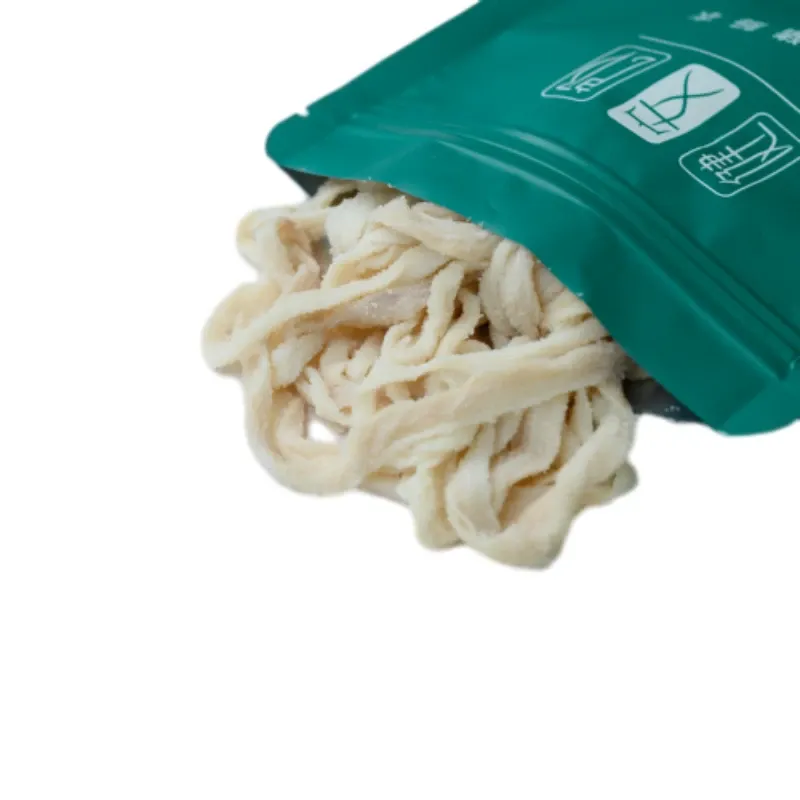
Industrial Dried Tubed Casing for Sausage Where to Buy Guide
Finding a reliable source for high-quality casings is a critical decision for any meat processor, as the casing directly impacts the final product's texture, appearance, and shelf stability. For industrial operations and artisanal butchers alike, the transition toward dried tubed casings has provided a strategic advantage in terms of logistics and consistency. These specialized casings eliminate the need for constant refrigeration during storage, significantly lowering overhead costs while ensuring that every sausage produced meets a uniform diameter and strength specification.
Whether you are producing traditional smoked links, fermented varieties, or creative special-shaped sausages, the choice of supplier determines your production efficiency. By utilizing pre-processed dried tubed casings, manufacturers can reduce labor time spent on cleaning and preparation, moving straight from rehydration to stuffing. This guide examines the technical advantages and procurement considerations for those wondering about casing for sausage where to buy for large-scale industrial needs.

The Technical Edge of Dried Tubed Casings in Modern Meat Processing
Dried tubed casings represent a significant evolution over traditional fresh or salted options. The primary advantage lies in their stability; because they are processed to remove moisture, they possess an extended shelf life that simplifies inventory management. For global distributors and large factories, the fact that no refrigeration is required before use removes a massive logistical bottleneck, allowing for easier transport and longer storage durations in cool, dry conditions.
Beyond storage, the mechanical properties of these casings are engineered for industrial reliability. Unlike natural casings, which can vary wildly in thickness and strength, dried tubed versions are pre-processed to ensure a consistent diameter. This uniformity is essential for automated stuffing machines, as it reduces the frequency of bursts and irregularities, leading to a more professional and consistent final product on the retail shelf.
- Elasticity: High tensile strength prevents rupturing during high-pressure stuffing.
- Uniformity: Standardized thickness ensures even cooking and smoking.
- Hygiene: Controlled processing environments minimize the risk of bacterial contamination.

Operational Efficiency and Cost-Reduction Strategies for Producers
From an operational standpoint, the "ready-to-use" nature of dried tubed casings drastically alters the labor equation in a processing plant. Traditional casings often require extensive cleaning, sorting, and preparation. In contrast, dried tubed options only require rehydration—soaking in water for a specified duration—before they are ready for the stuffing horn. This streamlines the production flow and allows skilled workers to focus on meat blending and quality control rather than tedious preparation.
Financial efficiency is another key driver. Because these casings are generally more cost-effective than premium natural sheep or hog casings and result in less waste due to their durability, the overall cost per unit of sausage decreases. For manufacturers prioritizing efficiency and product uniformity, the reduction in "burst waste" during the cooking or smoking phase provides a direct boost to the bottom line.
Versatile Applications from Industrial Links to Special-Shaped Sausages
The versatility of dried tubed casings allows them to be used across a vast spectrum of meat products. They are ideally suited for fresh, smoked, cooked, and fermented sausages. Because they come in various diameters, they can be tailored to anything from thin breakfast links to thick bratwursts. Furthermore, their structural integrity makes them the preferred choice for high-temperature processing, such as industrial smoking and boiling.
One of the most unique applications is the production of special-shaped sausages. For holiday-themed products or branded specialty meats, these casings can be formed into shapes such as stars, rabbits, or Christmas trees. This capability opens up new market segments for producers, allowing them to move beyond standard cylinders into high-value, novelty meat products that attract consumer attention in the deli section.
Comparison of Casing Types for Industrial Procurement
| Feature | Dried Tubed Casings | Salted Natural Casings | Fresh Natural Casings |
|---|---|---|---|
| Storage Req. | Cool & Dry (No Fridge) | Refrigerated | Strict Cold Chain |
| Prep Time | Low (Rehydration only) | Medium (Cleaning) | High (Extensive Prep) |
| Uniformity | Very High | Medium | Variable |
| Burst Risk | Low | Medium | Medium to High |
| Cost Efficiency | High | Medium | Low |
Evaluating Supplier Capabilities for Global Casing Sourcing
When selecting a partner for sausage casings, the manufacturer's commitment to food safety and international standards is paramount. A reputable supplier should operate under a certified HACCP (Hazard Analysis and Critical Control Points) system to ensure that contaminants are managed at every stage of processing. This is particularly vital for export-oriented businesses where compliance with overseas inspection and quarantine laws is non-negotiable.
Furthermore, the scale of the facility indicates the supplier's ability to handle large-volume orders without compromising quality. A facility with significant cold storage capacity and a large, skilled workforce can ensure a steady supply chain, preventing production halts in the buyer's factory. Experience in international logistics is equally important, as the supplier must navigate customs and compliance to ensure the product arrives in optimal condition.
Strategic Procurement Advice for Large-Scale Meat Processors
For procurement managers, the goal is to balance cost with performance. It is recommended to request samples of different diameters to test compatibility with existing stuffing equipment. Since dried tubed casings are highly durable, processors should experiment with stuffing pressures to find the optimal balance between fill density and casing tension, thereby maximizing the yield per casing length.
Additionally, diversifying the casing portfolio—using salted hog or sheep casings for premium artisanal lines while utilizing dried tubed casings for high-volume industrial lines—allows a company to target multiple market tiers. As the industry moves toward greater automation, investing in casings that offer high uniformity will be the key to reducing manual oversight and increasing total throughput.
Frequently Asked Questions About Sausage Casings
What is the main difference between dried tubed casings and salted casings?
The primary difference is storage and preparation. Dried tubed casings do not require refrigeration and have a longer shelf life, whereas salted casings typically need cold storage. Dried versions also offer higher uniformity in diameter and thickness.
How do I prepare dried tubed casings for use in production?
Dried tubed casings are prepared through rehydration. They must be soaked in water for a specified amount of time (depending on the diameter) to restore their elasticity and strength before they can be loaded onto the stuffing machine.
Can dried tubed casings be used for smoked or cooked sausages?
Yes, they are highly suitable for smoked, cooked, and fermented sausages. Their strength and elasticity make them less prone to bursting during the heat-treatment process compared to some natural alternatives.
Are these casings suitable for creating special shapes like stars or animals?
Absolutely. Due to their consistency and durability, dried tubed casings are ideal for special-shaped sausages, including Christmas tree, star, or animal shapes, which are common in specialty meat markets.
What certifications should I look for when choosing a casing supplier?
You should look for HACCP certification, which ensures the supplier follows strict food safety and hazard analysis protocols. Additionally, verify that the factory is qualified for export to your specific region to ensure regulatory compliance.
How do dried tubed casings help in reducing production costs?
They reduce costs in three ways: by eliminating the need for refrigerated storage, reducing the labor required for cleaning and preparation, and minimizing product waste by reducing casing bursts during production.
Industry Technical References
- Food and Agriculture Organization of the United Nations (FAO)
- U.S. Food and Drug Administration (FDA) Food Safety Standards
- International Organization for Standardization (ISO) - Food Safety Management
- World Health Organization (WHO) Food Hygiene Guidelines
Choosing the right casing is a balance of technical specification and operational need. For those seeking professional-grade solutions, prioritizing suppliers with HACCP certification and proven export experience ensures a seamless supply chain and a superior final product.
Related Industry Insights