Apr . 09, 2026 02:45
Choosing the Best Intestines for Sausage Casings: A Professional Guide
In the world of artisanal and industrial charcuterie, the quality of the casing is just as critical as the quality of the meat filling. Selecting the right intestines for sausage casings can determine the texture, snap, and overall shelf-life of your final product. Whether you are producing traditional bratwurst, spicy chorizo, or delicate breakfast links, understanding the nuances of natural casings is essential for consistency and taste. In this comprehensive guide, we will explore the different types of natural intestines, their specific applications, and how to ensure you are sourcing the highest grade materials for your business.
Types of Natural Intestines for Sausage Casings
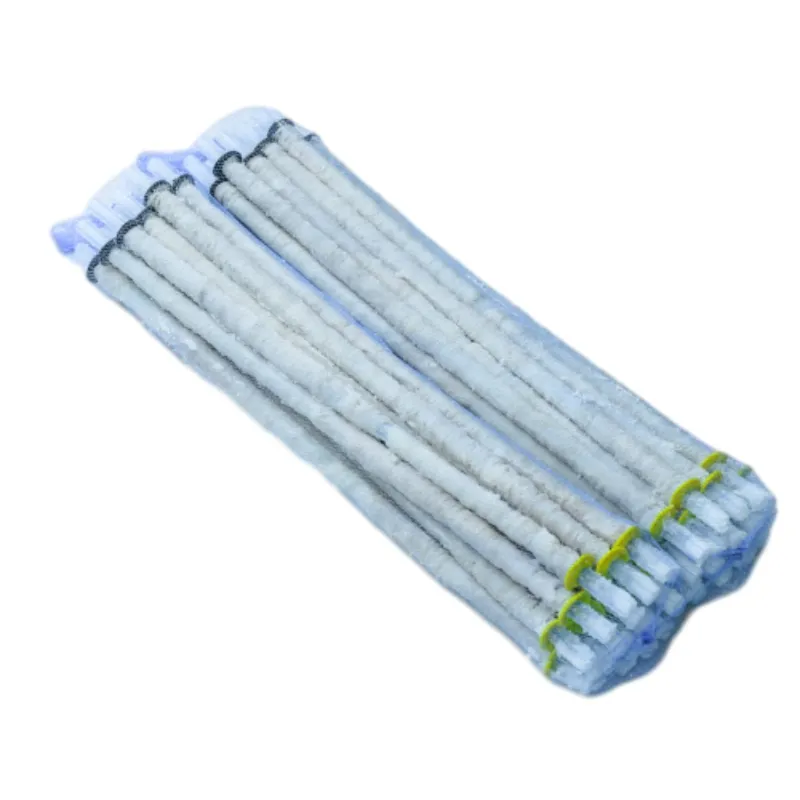
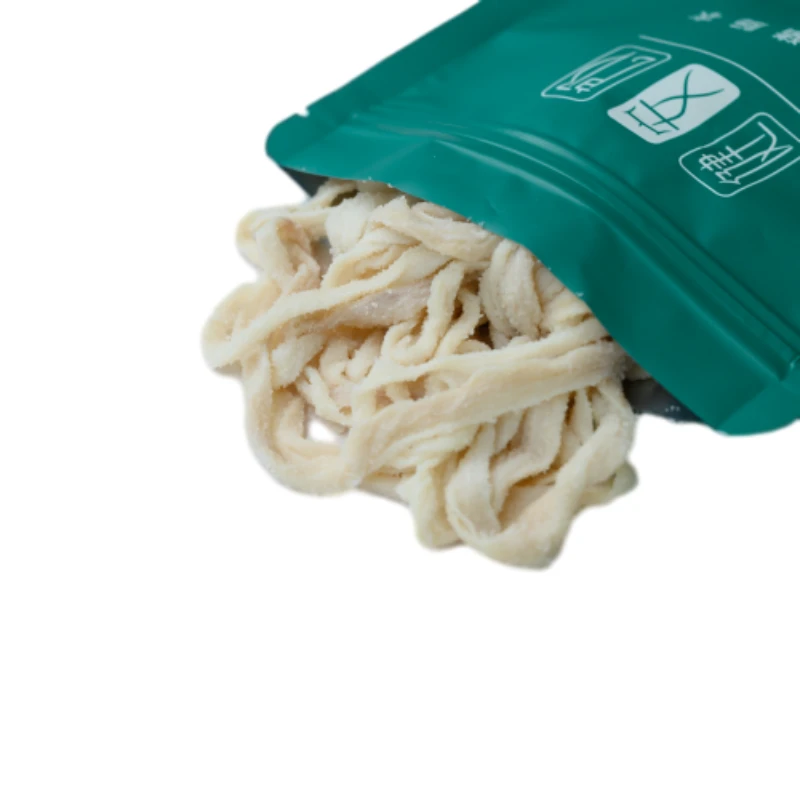
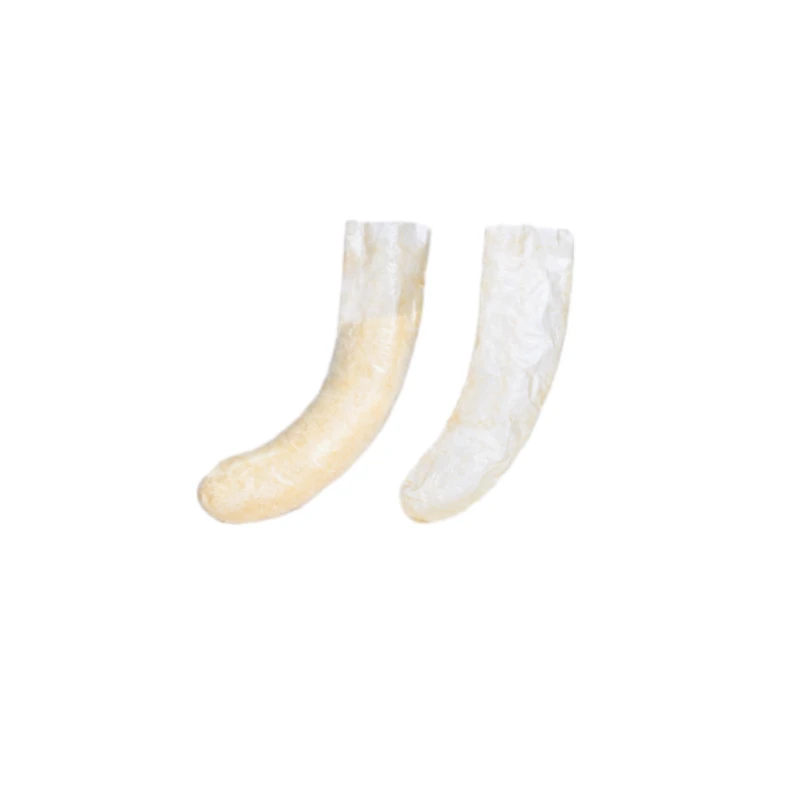
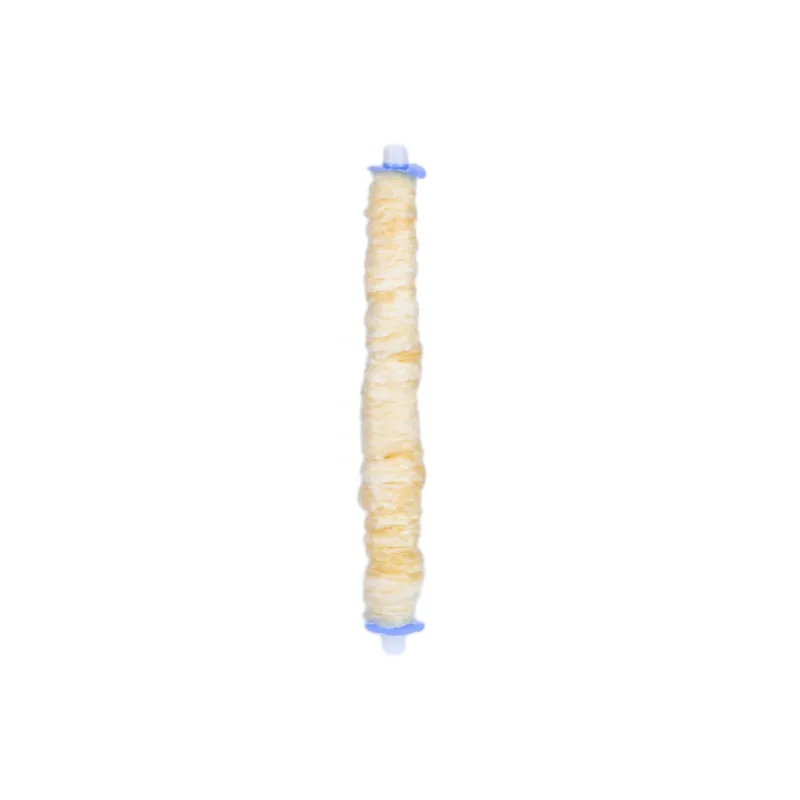
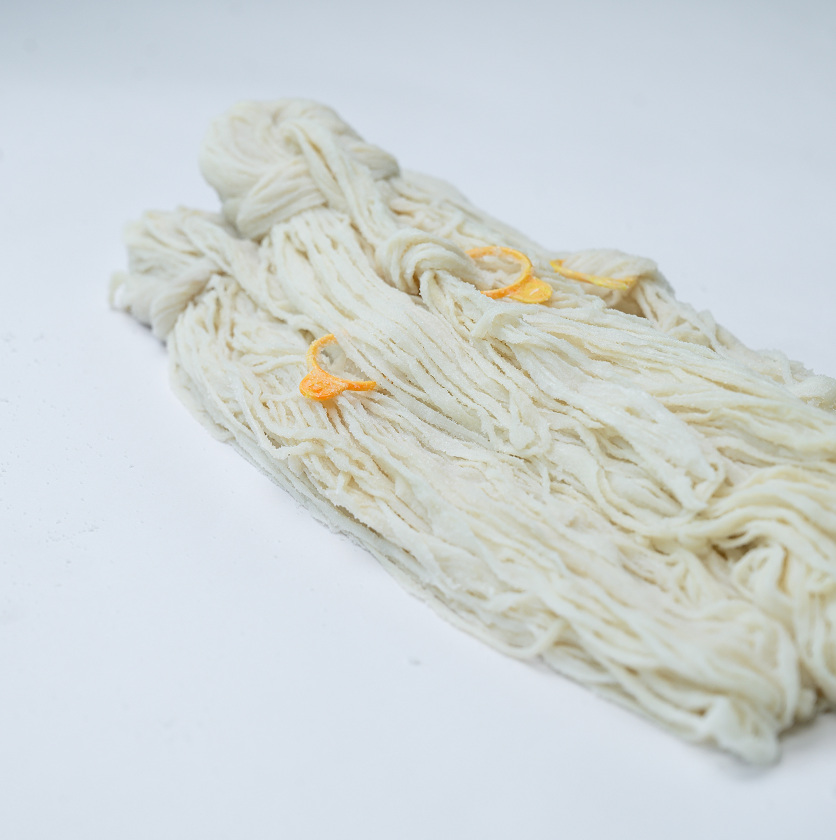
Natural casings are derived from the submucosa layer of animal intestines. The most common sources include pigs, sheep, and cattle, each offering distinct characteristics. Pig casings are prized for their versatility and are used in everything from kielbasa to summer sausages. Sheep casings are much thinner and are the gold standard for thin sausages like chipolatas. Beef casings are larger and more robust, making them ideal for large-diameter salamis. Utilizing high-quality intestines for sausage casings ensures that the casing can withstand the stuffing process without bursting while providing a natural "snap" when bitten.
Pro Tip: Always check the calibration of your casings. Uniform diameter is key to achieving a professional look and ensuring even cooking times across all sausages in a batch.
How to Store and Prepare Natural Casings
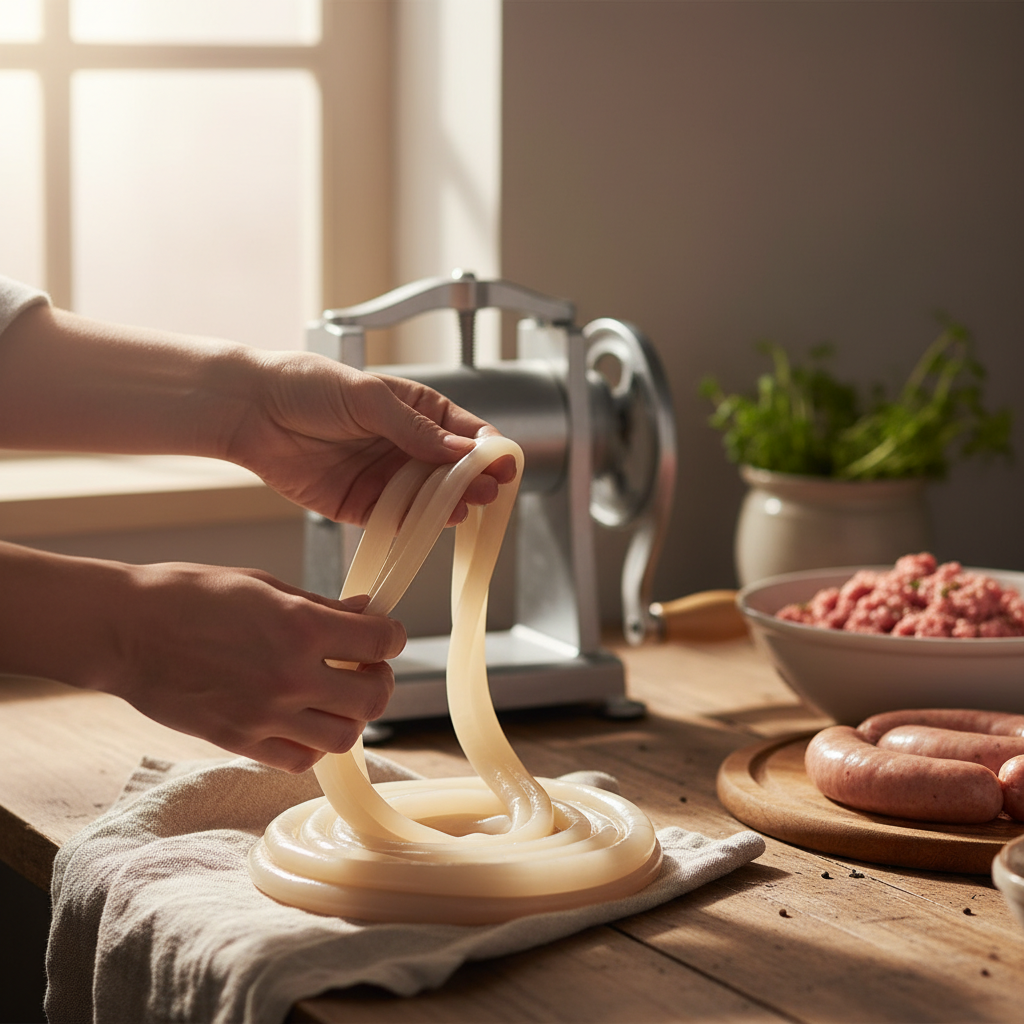
Proper preparation is the secret to avoiding tears and waste. Natural casings are typically sold in a salted state to preserve them. To prepare them, they must be rinsed thoroughly in lukewarm water to remove excess salt and regain their natural elasticity. Over-soaking can lead to the casing becoming too soft, while under-soaking can result in brittleness. When handling intestines for sausage casings, it is important to gently slide them over the stuffing nozzle to check for any holes or weaknesses before filling. Maintaining a cool temperature during the stuffing process also helps the protein structure of the casing remain stable.
Comparing Natural Intestines for Sausage Casings vs. Collagen
While natural casings are preferred by gourmets, collagen casings offer an industrial alternative. Natural casings provide a superior mouthfeel and a traditional aesthetic, whereas collagen casings offer extreme uniformity and ease of use. However, for premium brands, the authenticity of natural intestines is irreplaceable. Below is a detailed comparison to help you decide which option suits your production goals.
Sourcing High-Quality Intestines for Sausage Casings
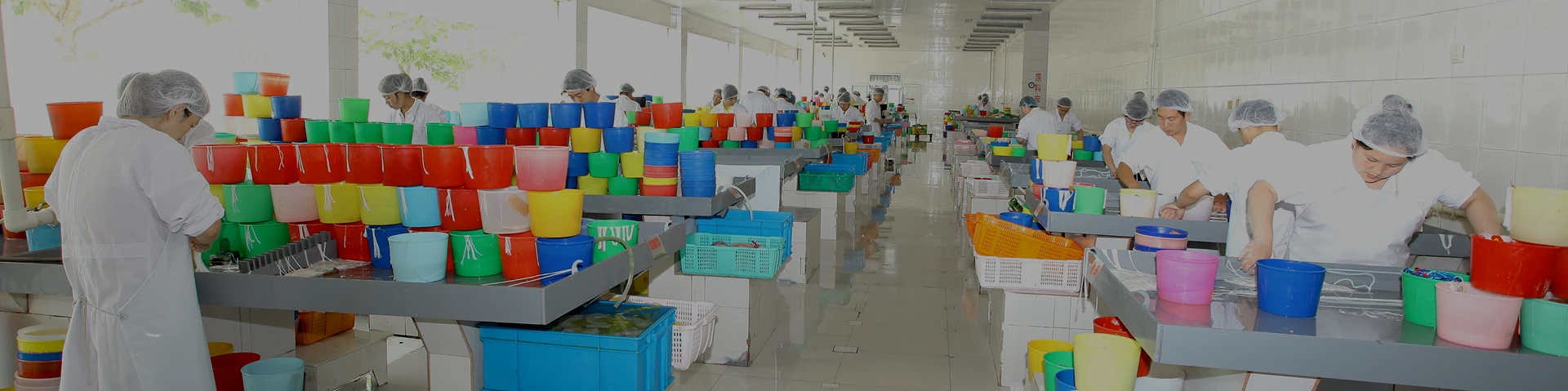
When sourcing intestines for sausage casings, it is imperative to verify the origin and the cleaning process. Top-tier suppliers use advanced membrane separation technology to ensure that only the strongest part of the intestine is preserved. This reduces the frequency of bursts during high-speed stuffing. Furthermore, ensuring the casings are free from chemical residues and are processed under strict HACCP guidelines is non-negotiable for food safety. A reliable partner provides consistent diameters and transparent grading, ensuring your production line never halts due to material failure.
Technical Specifications for Different Casings
To help production managers select the correct material, we have compiled a specification table. Understanding the diameter (mm) and the typical application helps in optimizing the stuffing machine settings. Using the wrong size of intestines for sausage casings can lead to uneven meat distribution or casing rupture.
Conclusion: Elevating Your Product with Premium Casings
The choice of intestines for sausage casings is a fundamental decision that affects every aspect of the consumer's experience, from the visual appeal to the final taste. By selecting the right animal source and ensuring a rigorous cleaning and calibration process, producers can ensure their sausages are both beautiful and delicious. Investing in professional-grade natural casings is an investment in the quality and reputation of your brand. For those who refuse to compromise on authenticity, natural intestines remain the only true choice.
Frequently Asked Questions (FAQs)
How do I know if my natural casings are of high quality?
High-quality natural casings should exhibit a consistent color, be free of visible impurities, and have a uniform diameter. When you soak them, they should expand evenly without showing thin spots or immediate tears. Quality intestines for sausage casings are also properly salted, which prevents spoilage and ensures they remain supple. If you notice a strong unpleasant odor or excessive breakage during stuffing, it usually indicates poor cleaning or improper preservation during the supply chain process.
Can I use sheep casings for larger sausages?
Technically, you could try, but it is highly discouraged. Sheep casings are specifically designed for small-diameter sausages. Attempting to stretch them to fit a larger volume of meat will almost certainly lead to "blowouts" or bursts during the stuffing or cooking process. For larger products, you should switch to pig or beef intestines. Each animal source provides a specific structural integrity suited for different volumes of filling; choosing the correct size is essential for efficiency and reducing product waste.
What is the best way to prevent casings from bursting?
Bursting usually happens due to three reasons: air pockets, over-stuffing, or poor casing quality. To prevent this, ensure your meat emulsion is well-mixed and air-free. Use a stuffing horn that closely matches the diameter of your intestines for sausage casings to avoid stretching the material too thin. Additionally, avoid packing the meat too tightly; leave a small amount of room for the meat to expand during the heating process. Finally, always ensure the casings are properly hydrated before use to maximize their elasticity.
How long do salted natural casings last?
When stored in their original salted state and kept in a cool, dry environment (or refrigerated), natural casings can last for several months to a year. The salt acts as a natural preservative, inhibiting bacterial growth. However, once the casings are rinsed and soaked in water, they become highly perishable and should be used immediately. To maximize the lifespan of your stock, ensure the containers are airtight to prevent the salt from clumping or the casings from drying out completely.