Mar . 08, 2026 02:35
Choosing the Right Casing for Sausage: A Comprehensive Guide
Selecting the appropriate casing for sausage is crucial for maintaining product quality, extending shelf life, and ensuring food safety. From natural casings to collagen and cellulose options, the choices can be overwhelming. This guide will explore the different types of sausage casings available, their advantages and disadvantages, and help you determine the best solution for your specific needs. Understanding the properties of each casing type is key to a successful sausage production process. Let’s dive in!
Understanding the Different Types of Sausage Casings
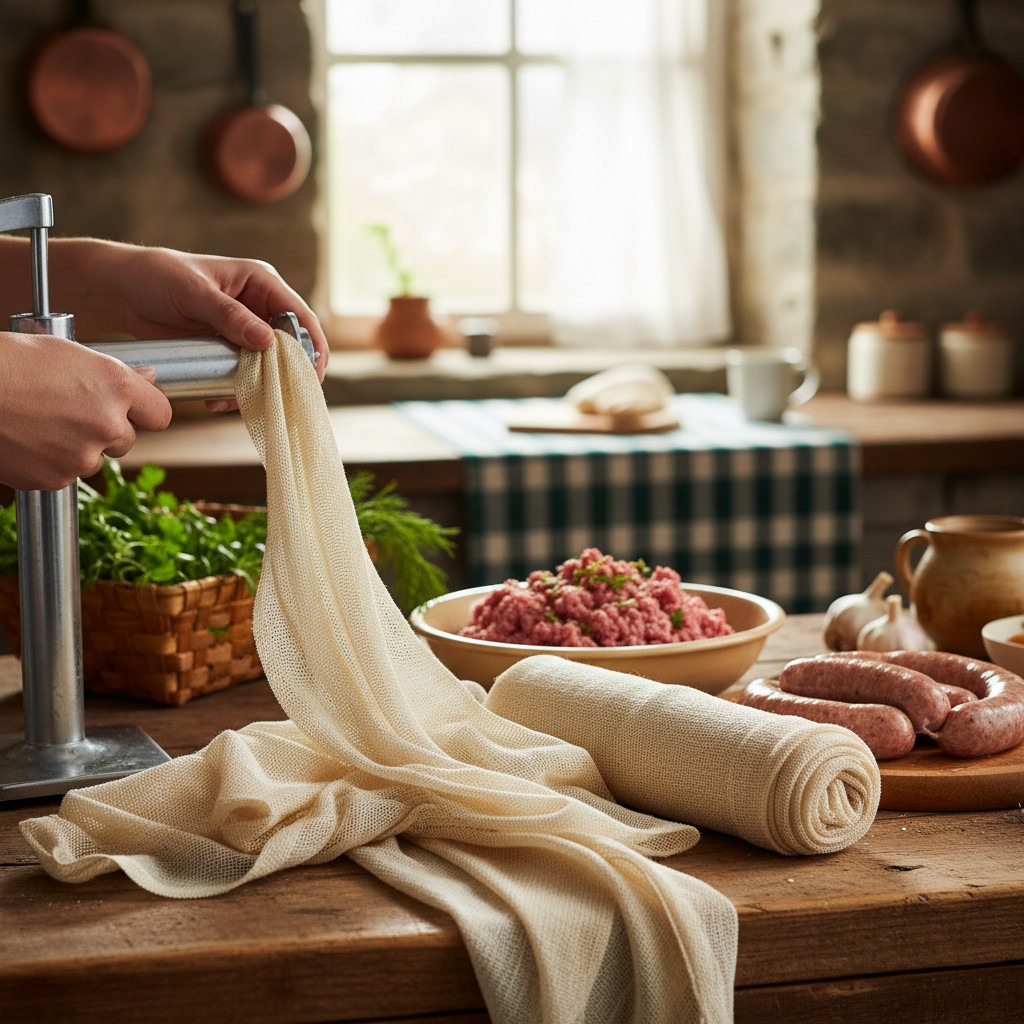
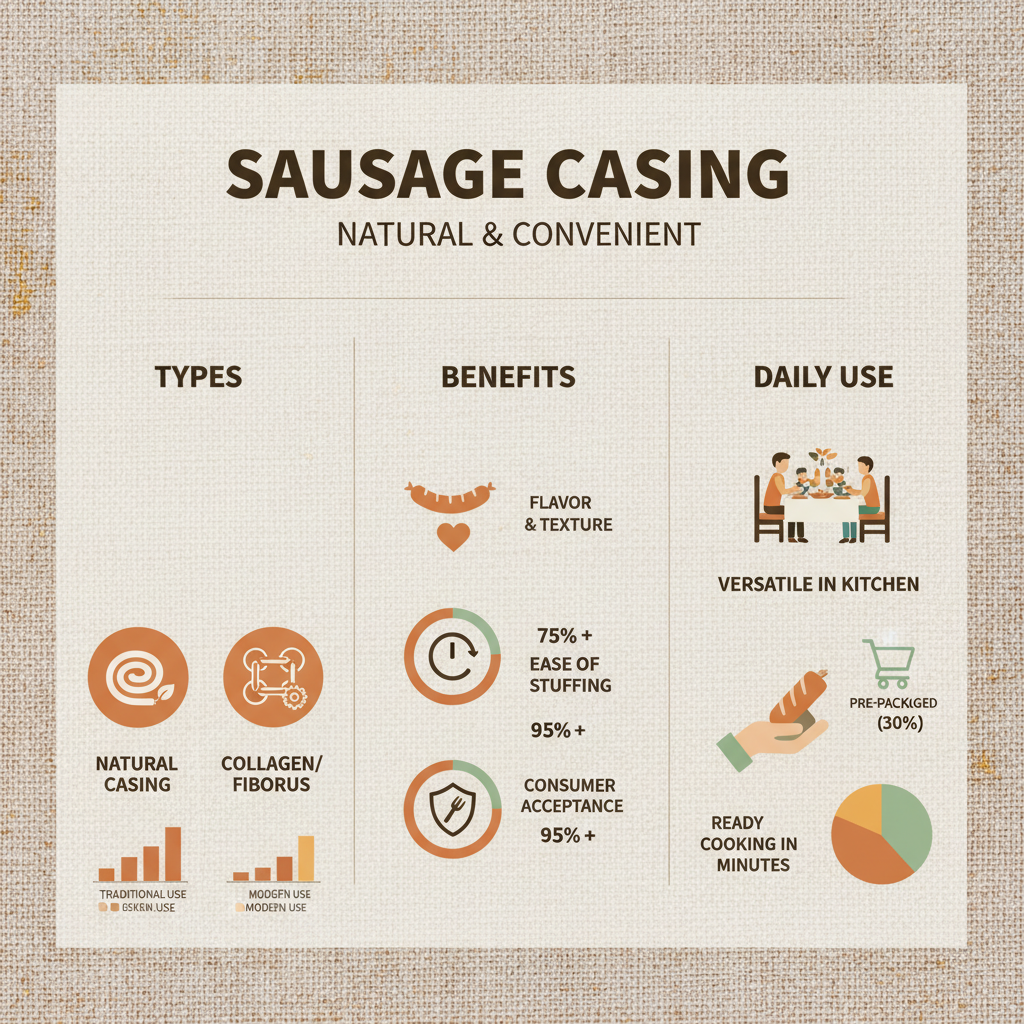
There are several main types of sausage casings each with unique characteristics. These include natural casings (hog, sheep, and beef), collagen casings, cellulose casings, and plastic casings. Natural casings, traditionally derived from animal intestines, provide a distinct snap and texture. Collagen casings, made from processed animal hides, offer good elasticity and are suitable for a wide range of sausages. Cellulose casings are plant-based and are often used for cooked sausages, providing a smokeable and peelable option. Plastic casings offer the highest level of standardization and are commonly used for large-scale production. The best choice depends on the type of sausage being made, desired texture, and production volume.
Key Takeaway: Selecting the right sausage casing directly impacts the final product's quality, texture, and shelf life. Consider your sausage type and production goals carefully.
Natural Casings: The Traditional Choice
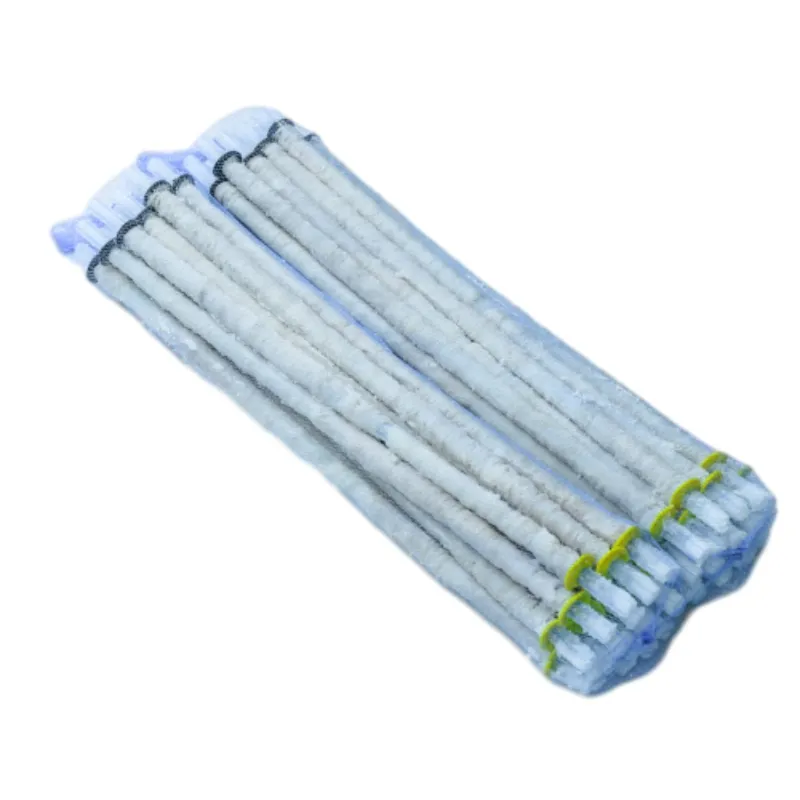
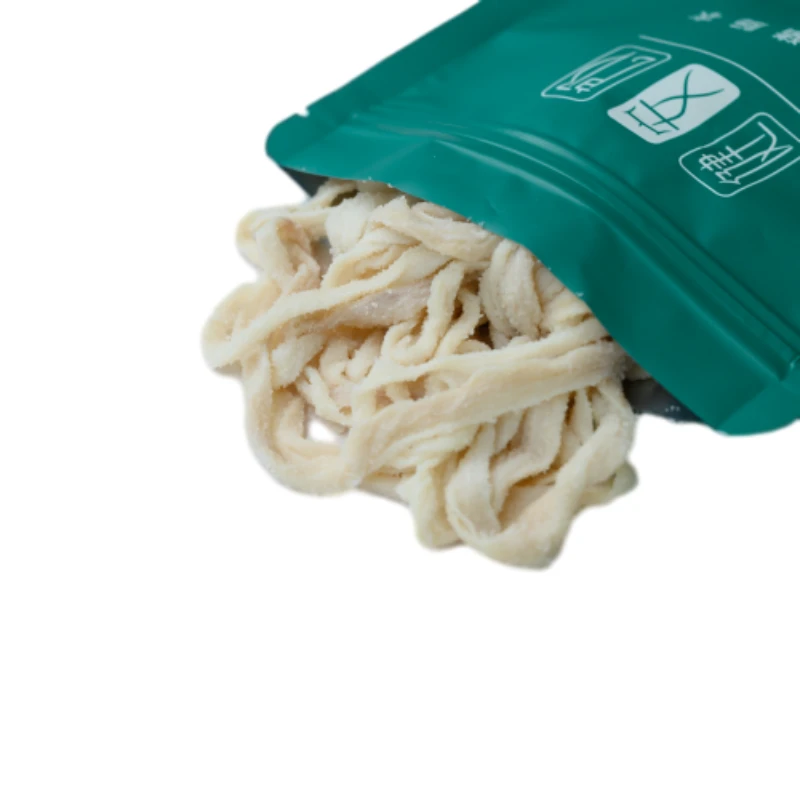
Natural casings, sourced from the intestines of pigs, sheep, and cattle, have been used for centuries. They impart a unique snap and texture to sausages that is difficult to replicate with synthetic alternatives. However, they require careful handling, cleaning, and storage. Variations in caliber (size) can occur, requiring skilled stuffing techniques. They are best suited for traditional sausages like frankfurters, bratwurst, and Italian sausage. The natural permeability of these casings also allows for natural smoking and drying.
Advantages of Natural Casings:
• Provides a distinct snap and texture
• Allows for natural smoking and drying
• Traditional and highly regarded in many cuisines
Collagen Casings: A Versatile Alternative
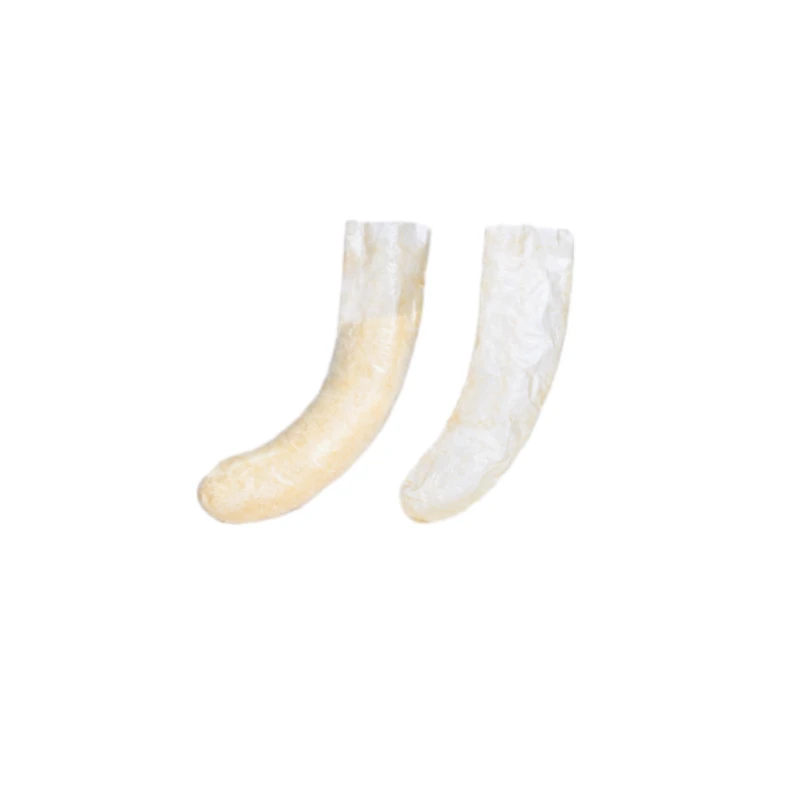
Collagen casings are made from the collagen extracted from animal hides. They offer a more consistent caliber than natural casings and are available in a wide range of sizes. They provide good elasticity and are suitable for both cooked and smoked sausages. Some collagen casings are edible, while others require peeling before consumption. They are a popular choice for large-scale sausage production due to their uniformity and ease of use. RT Casing offers a variety of high-quality collagen casings to meet diverse production needs.
Choosing the Best Casing for Your Sausage: Key Considerations
Ultimately, the best casing for sausage depends on your specific application. Consider the type of sausage you are producing, the desired texture and appearance, your production volume, and budget. Natural casings provide a superior eating experience but require more skill and labor. Collagen casings offer a good balance of performance and convenience. Cellulose casings are ideal for high-volume production and cooked sausages. By carefully evaluating these factors, you can choose the casing that will deliver the best results for your business.
Conclusion: Finding the Perfect Fit for Your Sausage Production
Selecting the right sausage casing is a critical step in ensuring a high-quality, safe, and appealing product. From traditional natural casings to modern collagen and cellulose options, RT Casing provides a comprehensive range of solutions to meet your specific needs. Careful consideration of your sausage type, production volume, and desired characteristics will lead you to the perfect fit.
Frequently Asked Questions (FAQs)
What is the shelf life of different sausage casings?
The shelf life varies considerably depending on the casing type and storage conditions. Natural casings have a relatively short shelf life and require refrigeration or salting for preservation. Collagen casings generally have a longer shelf life when stored in a cool, dry place. Cellulose casings can also be stored for extended periods if kept dry. Plastic casings boast the longest shelf life. Always refer to the manufacturer’s instructions for specific storage recommendations. Proper storage is crucial to prevent degradation and maintain the casing's quality.
Are all collagen casings edible?
Not all collagen casings are edible. Some are designed to be peeled off before consumption, particularly those used for larger-diameter sausages. Edible collagen casings are specifically treated to be safe for consumption. Always check the product specifications to confirm whether a collagen casing is edible before using it. RT Casing clearly indicates the edibility of its collagen casings in product descriptions.
How do I prepare natural casings for use?
Natural casings require thorough preparation before use. This typically involves rinsing them inside and out with cold water to remove any impurities. They are then soaked in cold, salted water for several hours to rehydrate and plump them up. Some producers also flush the casings with water to ensure they are clean and pliable. Careful handling is essential to avoid tearing or damaging the casings. Refer to detailed preparation guides for best practices.