Mar . 11, 2026 02:45
Understanding Salami Skins: A Comprehensive Guide
Salami skins, also known as casings, play a crucial role in the production of salami and other cured meats. They’re not just about containment; they significantly impact the final product's texture, flavor development, and appearance. At RTCasing, we specialize in high-quality salami skins tailored to meet the diverse needs of meat processors. This article will delve into the different types of salami skins, their benefits, applications, and what to look for when choosing the right casing for your products. Understanding these nuances will help you elevate your salami production and deliver exceptional quality to your customers.
What are Salami Skins Made Of? Exploring the Materials
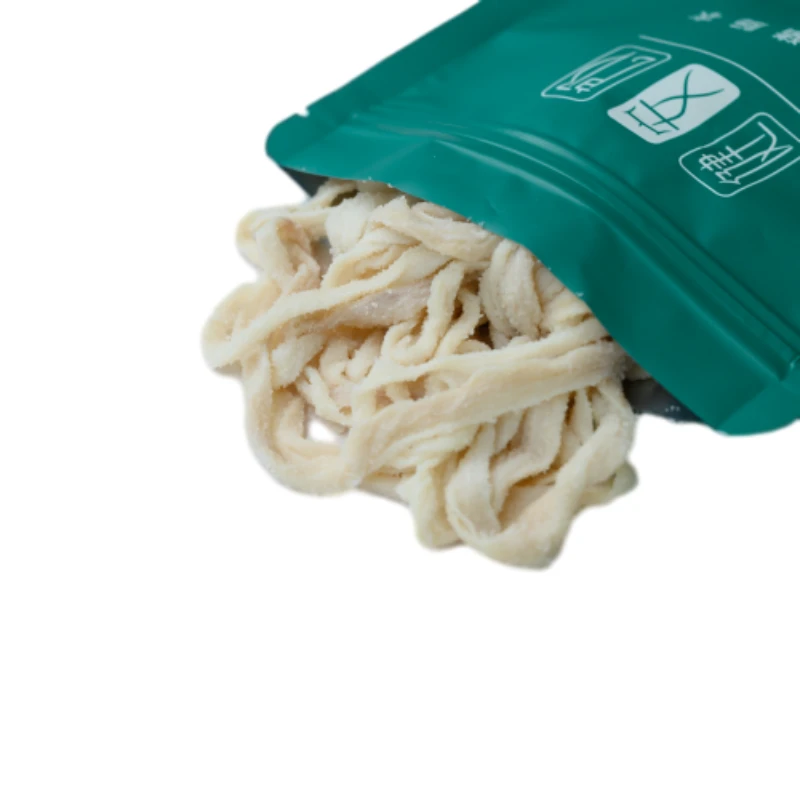
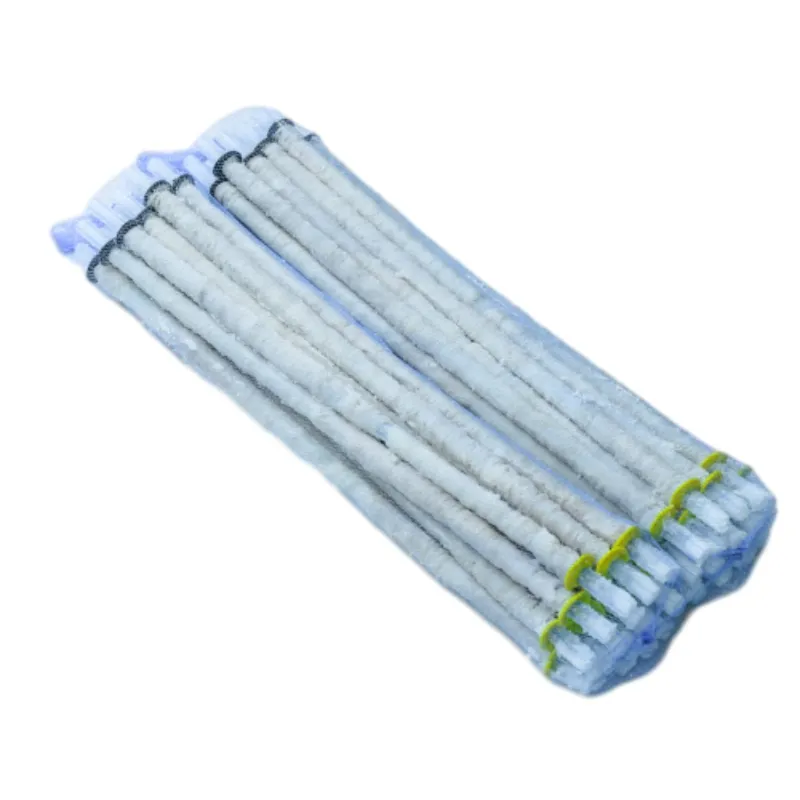
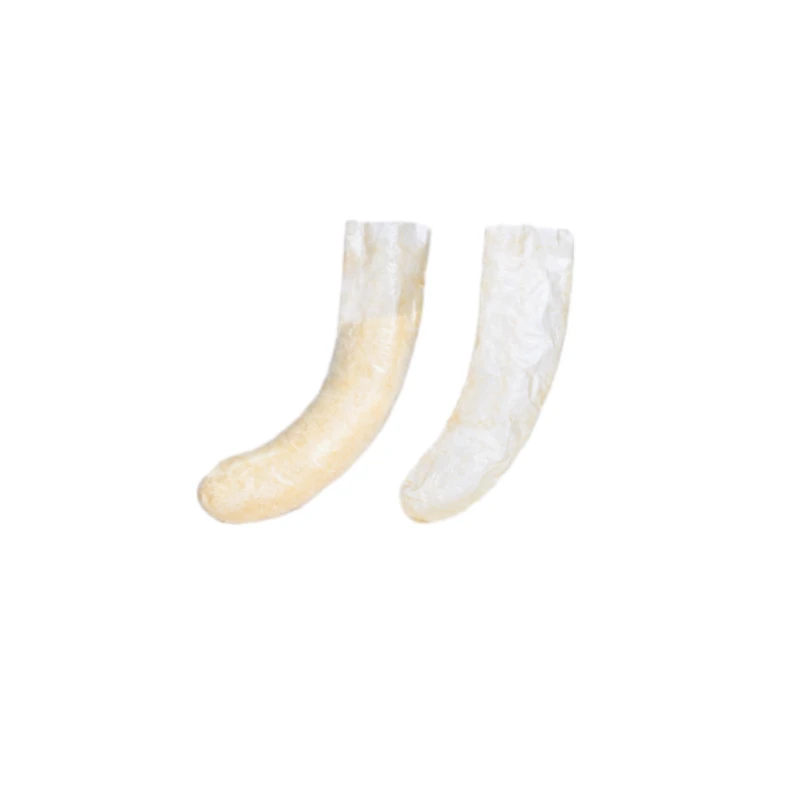
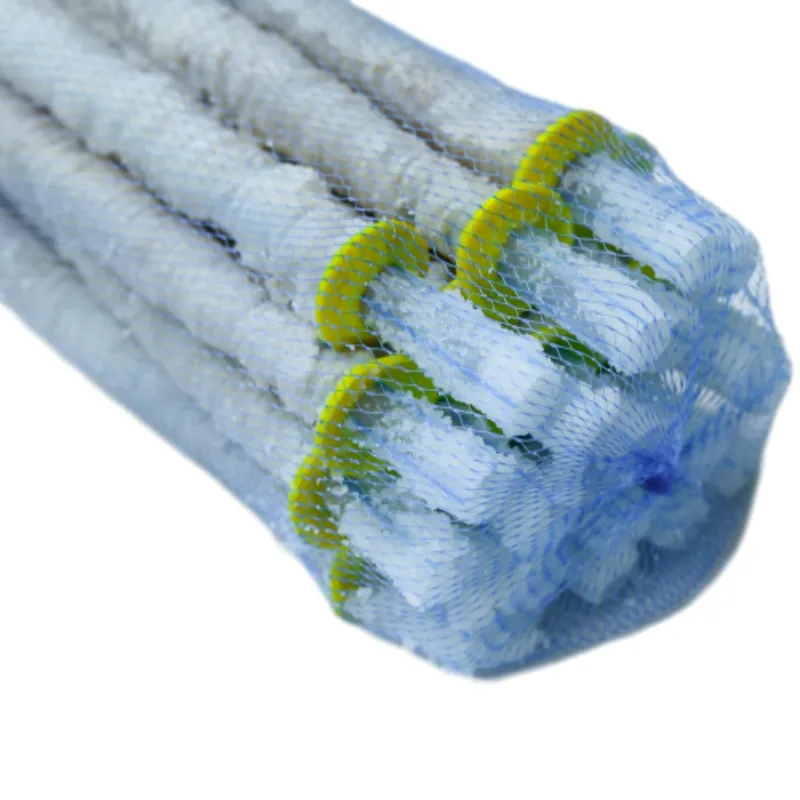
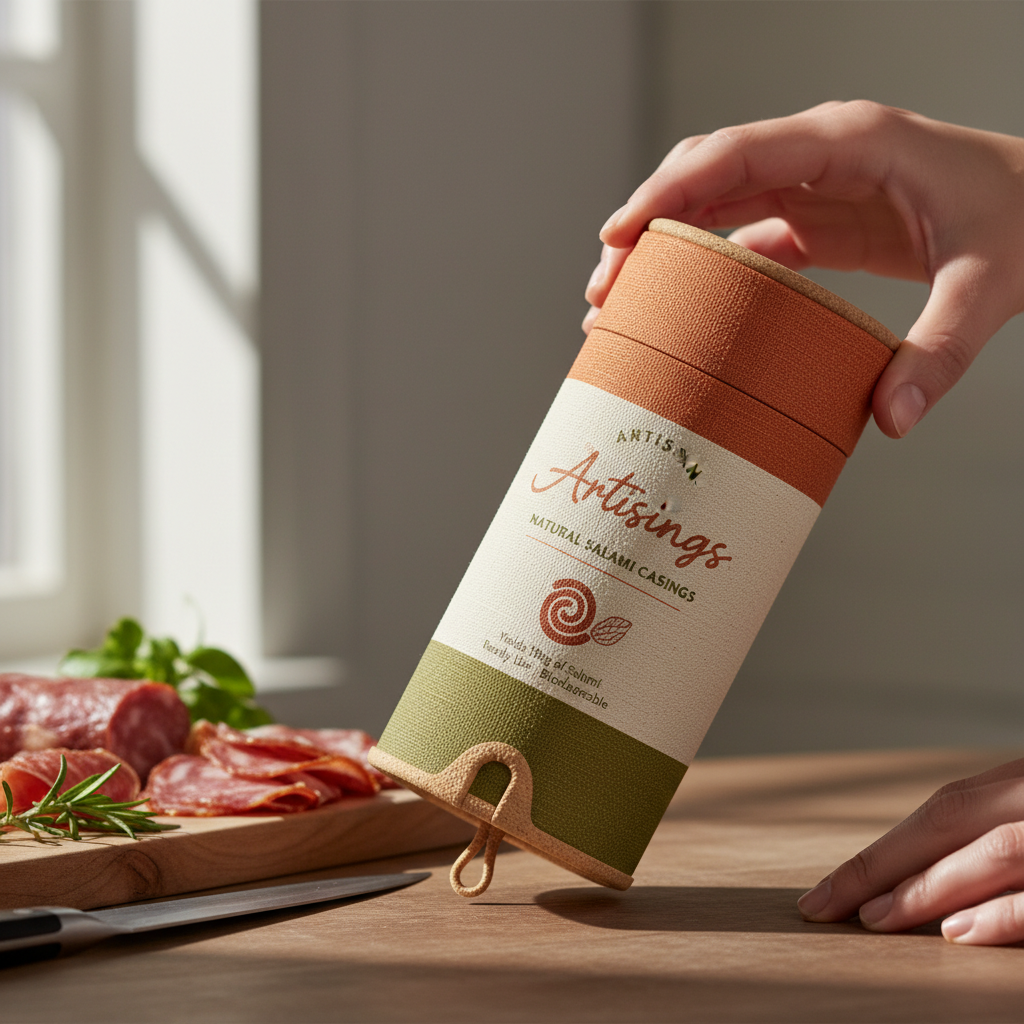
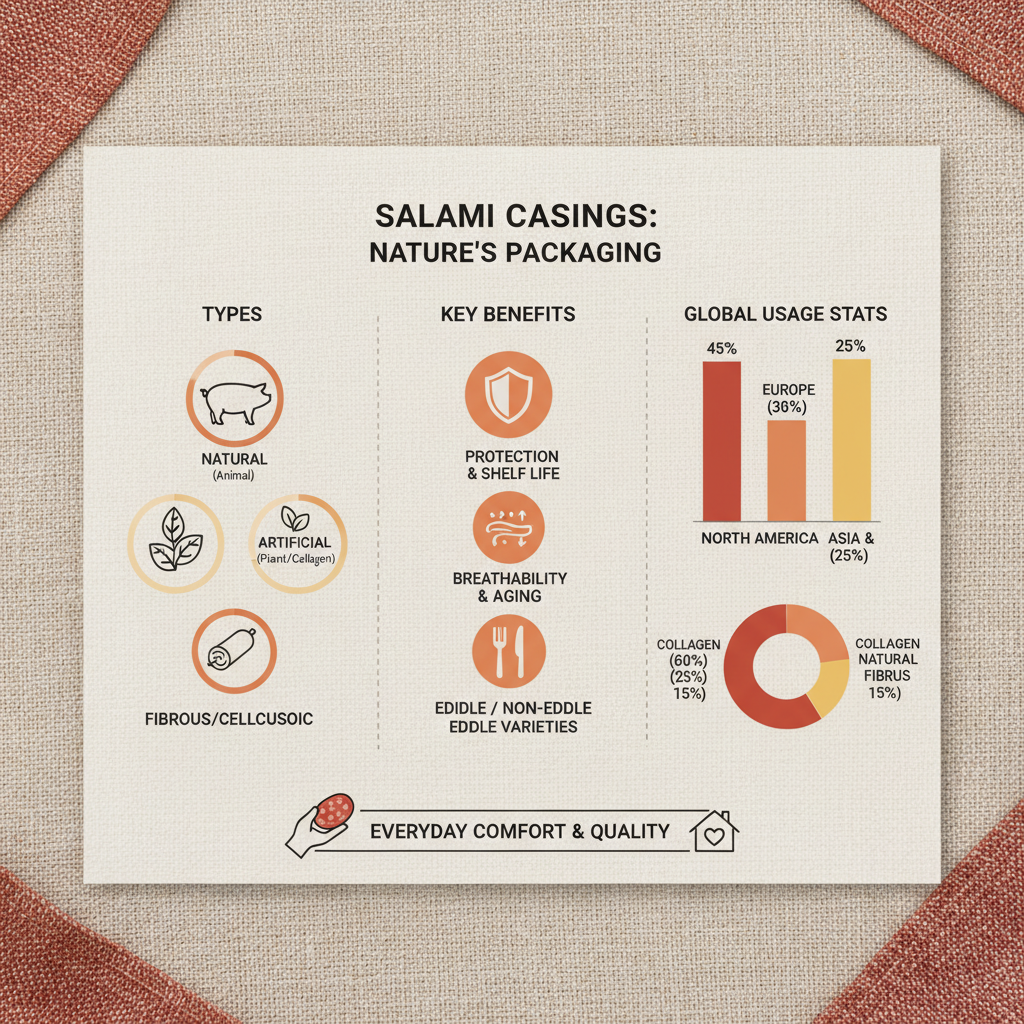
Salami skins traditionally come in two primary material types: natural and synthetic. Natural casings are derived from the intestinal walls of animals, typically pigs or beef. They offer excellent breathability, contributing to the development of characteristic salami flavors during the curing process. Synthetic casings, on the other hand, are manufactured from materials like cellulose, collagen, or plastic. They provide consistency in size and shape and can be tailored for specific production requirements. The choice between natural and synthetic depends on factors like desired texture, production scale, and cost considerations. RTCasing offers a wide selection of both natural and synthetic salami skins to suit all processing needs.
Key Takeaway: Natural casings impart a traditional flavor profile, while synthetic casings offer consistency and control.
Natural vs. Synthetic Salami Skins: A Detailed Comparison
Choosing between natural and synthetic salami skins requires careful consideration of your specific production goals. Natural casings provide superior permeability, allowing for optimal moisture exchange during curing, which contributes to the development of a complex flavor profile and a firmer texture. However, they require more skill in handling and are subject to variations in size and shape. Synthetic casings offer greater uniformity, easier handling, and can be produced in a wider range of diameters. They also offer options for shirring, making them ideal for automated filling lines. Different synthetic materials also behave differently – collagen casings, for example, offer some permeability, mimicking natural casings to a degree.
Comparison Table:
• Natural Casings: Breathable, traditional flavor, requires skill, variable size.
• Synthetic Casings: Consistent size, easy handling, various materials, less breathable.
Types of Synthetic Salami Skins and Their Applications
Synthetic salami skins are available in several variations, each suited for different applications. Cellulose casings are cost-effective and widely used for high-volume production. Collagen casings offer a more natural feel and improved permeability compared to cellulose. Plastic casings, often made from polyamide or polyethylene, provide a strong barrier against moisture and oxygen, making them ideal for long-term storage. The diameter and shirring level are also crucial factors to consider. RTCasing's product range includes all these types of synthetic casings, offering flexibility for any production scenario.
Factors to Consider When Selecting Salami Skins
Beyond the material type, several factors influence the optimal salami skin choice. The diameter of the casing must match your filling equipment and desired salami size. The shirring level impacts how easily the casing stretches during filling. Permeability is key for flavor development and texture. Consider the curing process you employ, the desired shelf life, and the regulatory requirements of your target market. Working with a reliable supplier like RTCasing ensures you receive consistent quality and expert guidance.
Ensuring Quality and Food Safety with RTCasing
At RTCasing, we prioritize quality and food safety. Our casings are manufactured under strict quality control standards and comply with all relevant food safety regulations. We offer comprehensive technical support to assist you in selecting the right casing and optimizing your production process. We’re committed to providing reliable, consistent products and exceptional customer service. We understand the critical role casings play in your final product, and we’re dedicated to helping you achieve optimal results.
Conclusion: Choosing the Right Salami Skin for Success
Selecting the appropriate salami skin is a vital step in producing high-quality cured meats. By understanding the different materials, types, and factors to consider, you can optimize your production process and deliver exceptional products to your customers. RTCasing is your trusted partner for premium salami skins and expert support.
Frequently Asked Questions (FAQs)
What is the shelf life of salami skins?
The shelf life of salami skins varies depending on the material and storage conditions. Generally, synthetic casings have a longer shelf life than natural casings. Cellulose casings typically have a shelf life of 1-2 years when stored in a cool, dry place. Collagen casings can last up to 3 years, while plastic casings can have an indefinite shelf life. Natural casings should be used within 6-12 months and stored properly refrigerated or frozen. Always check the manufacturer's packaging for specific expiration dates and storage instructions.
How do I prepare salami skins for use?
Preparation depends on the type of casing. Natural casings usually require soaking in water to rehydrate and remove salt. Synthetic casings often require rinsing to remove any manufacturing residues. Some synthetic casings may need to be soaked or conditioned before filling, depending on the manufacturer's instructions. Always follow the specific preparation guidelines provided with the casing to ensure optimal performance.
Can I reuse salami skins?
Generally, salami skins are not designed for reuse due to potential contamination and compromised integrity. Natural casings are single-use only. While some synthetic casings might be physically intact after use, they are not recommended for reuse as they may have microscopic damage that could affect food safety and quality. It's always best practice to use fresh casings for each batch of salami.
Where can I purchase high-quality salami skins?
You can purchase high-quality salami skins from RTCasing. We offer a comprehensive selection of natural and synthetic casings, along with expert technical support to help you choose the right products for your needs. We pride ourselves on delivering consistent quality and exceptional customer service.