Mar . 28, 2026 02:55
Understanding Skin On Italian Sausage: A Comprehensive Guide
Skin on Italian sausage is a beloved staple in many cuisines, known for its robust flavor and satisfying texture. Whether you're a seasoned chef or a home cook, understanding the nuances of this sausage – from its origins to its culinary applications – can elevate your dishes. This article delves into the world of skin on Italian sausage, exploring its different varieties, preparation tips, and the advantages of using natural casings. We'll cover everything from choosing the right sausage to ensuring optimal cooking results, making your next meal a culinary success.
What Makes Skin On Italian Sausage Special?
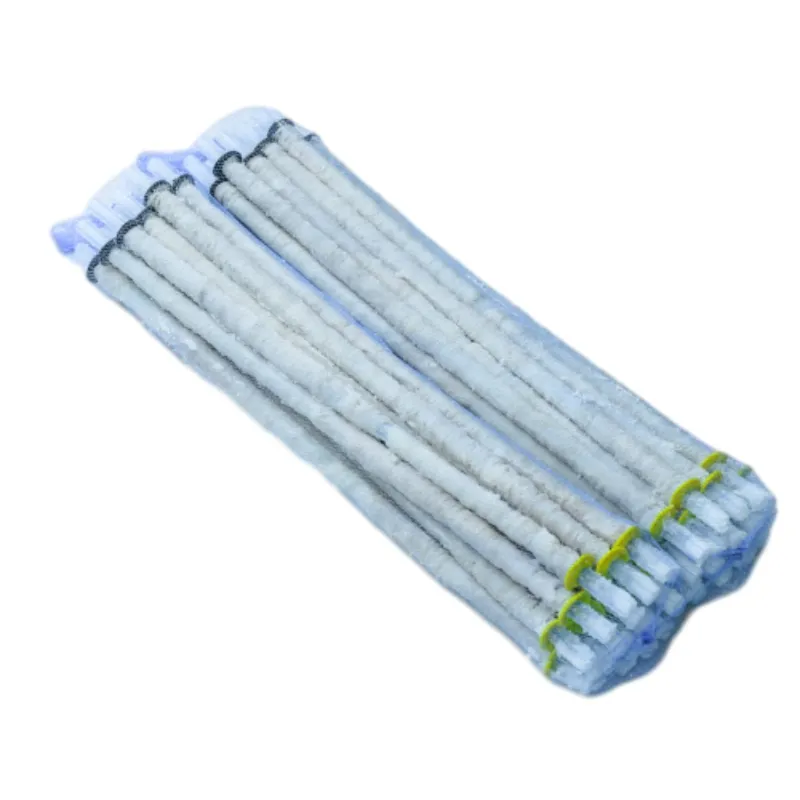
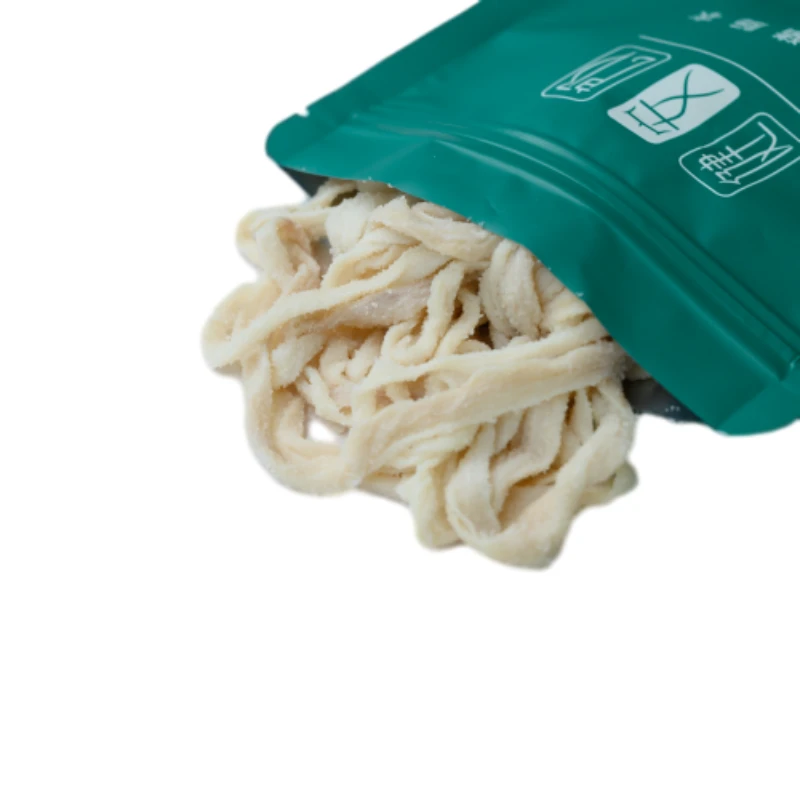
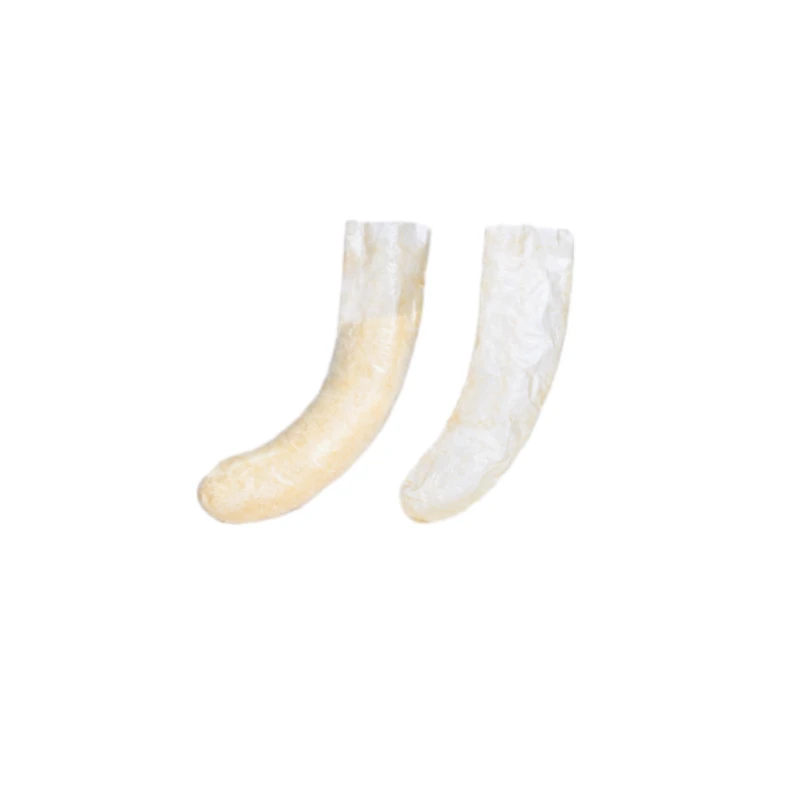
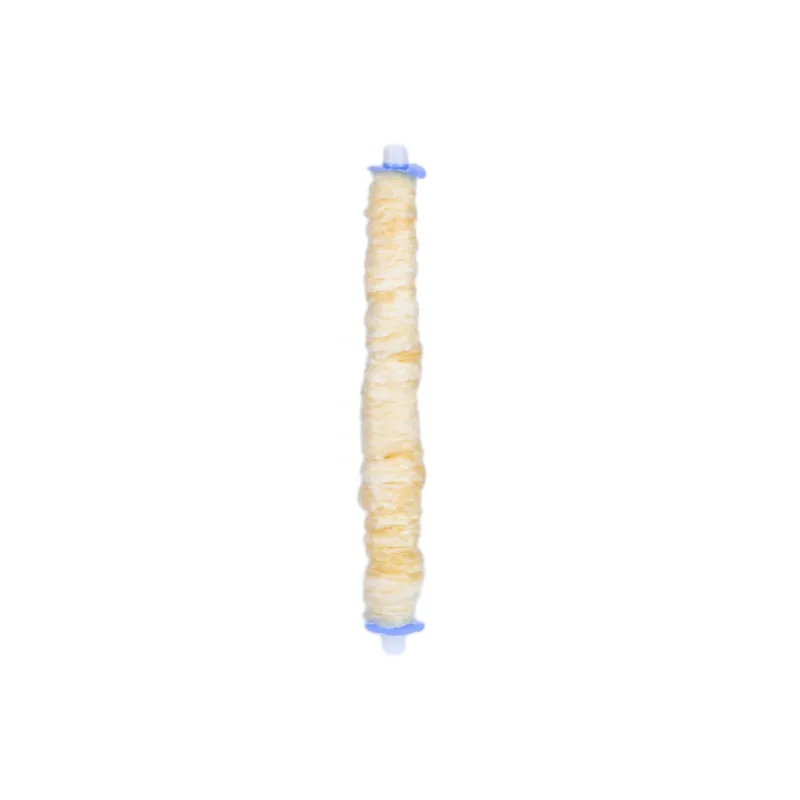
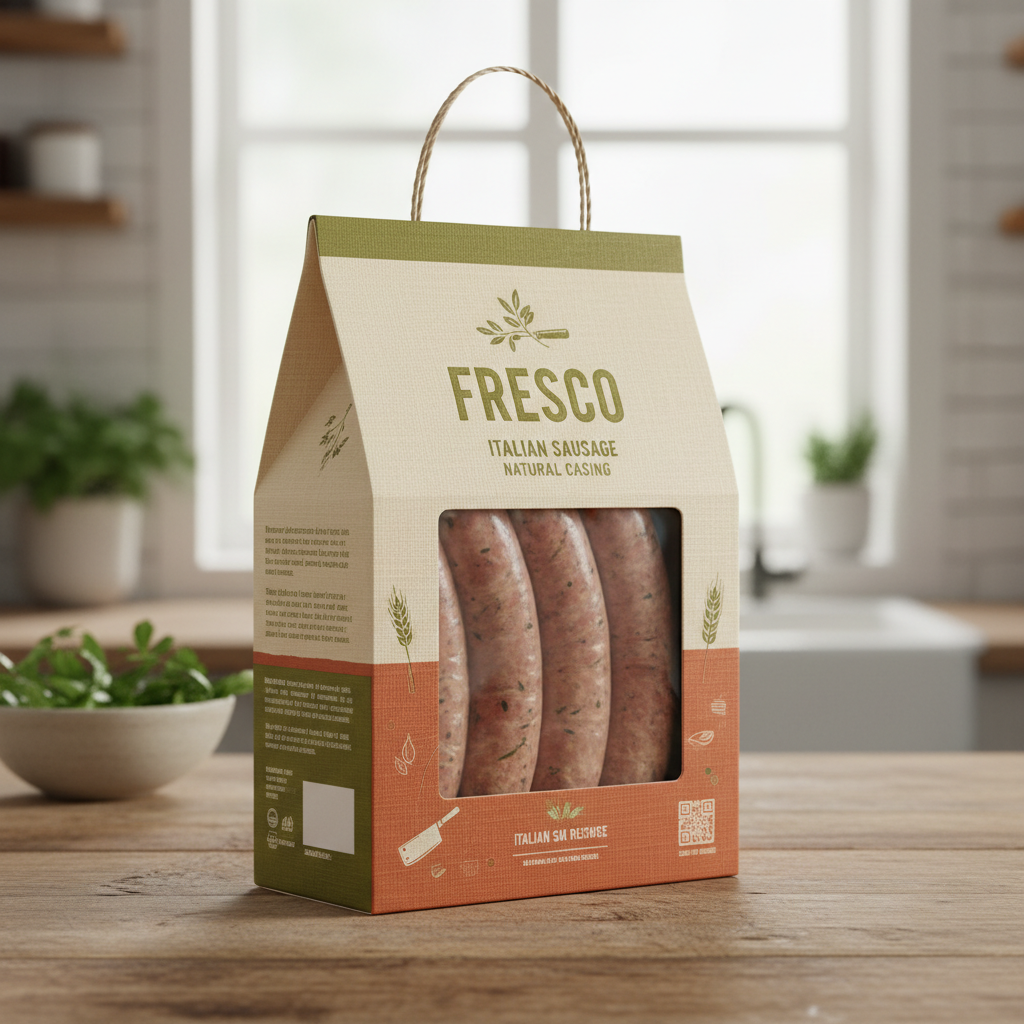
The “skin on” aspect refers to the natural casing that encases the sausage meat. Historically, these casings were derived from animal intestines, primarily pork or beef. Using natural casings isn't just about tradition; it impacts the sausage’s texture, “snap,” and overall flavor profile. The casing provides a delicate resistance when you bite into the sausage, creating a pleasurable eating experience. Furthermore, natural casings are permeable, allowing for smoke penetration during cooking, resulting in a more flavorful and aromatic final product. RTCasing offers a variety of high-quality natural casings perfect for crafting authentic Italian sausage.
Key Benefits of Skin On Sausage: Enhanced texture, superior flavor due to smoke penetration, and a traditional, artisanal quality.
Sweet vs. Hot: Exploring Italian Sausage Varieties
Italian sausage isn't a one-size-fits-all product. The two primary varieties are sweet and hot, distinguished by the spices used in the blend. Sweet Italian sausage typically features fennel, anise, and a milder blend of peppers, resulting in a subtly sweet and savory flavor. Hot Italian sausage, on the other hand, incorporates red pepper flakes, cayenne pepper, or other chili peppers, adding a significant level of heat. The intensity of the heat can vary depending on the producer and region. Both varieties are traditionally made with pork, though beef or chicken variations are also available.
Variety Breakdown:
• Sweet Italian Sausage: Fennel, anise, mild peppers
• Hot Italian Sausage: Red pepper flakes, cayenne pepper, chili peppers
• Meat Composition: Primarily pork, with beef and chicken options available
Skin On Italian Sausage vs. Caseless: A Comparison
While skin on Italian sausage is traditional, caseless sausage has gained popularity. Caseless sausage is typically formed into patties or loose links and lacks the natural casing. While convenient, it lacks the “snap” and flavor complexity offered by the skin on variety. The casing helps retain moisture during cooking, resulting in a juicier sausage. Furthermore, the casing provides structural integrity, allowing the sausage to hold its shape better during grilling or frying. Choosing natural casings contributes significantly to the overall quality of the final product.
Culinary Applications: How to Use Skin On Italian Sausage
Skin on Italian sausage is incredibly versatile. It’s perfect for grilling, frying, baking, or even simmering in sauces. It’s a key ingredient in classic dishes like pasta sauces (such as ragu), pizza toppings, and Italian wedding soup. For optimal flavor, consider removing the sausage from the casing before browning it in a pan. This allows for maximum surface area contact, creating a delicious, crispy exterior. You can then add the browned sausage to your sauce or incorporate it into other recipes.
Choosing Quality: What to Look For
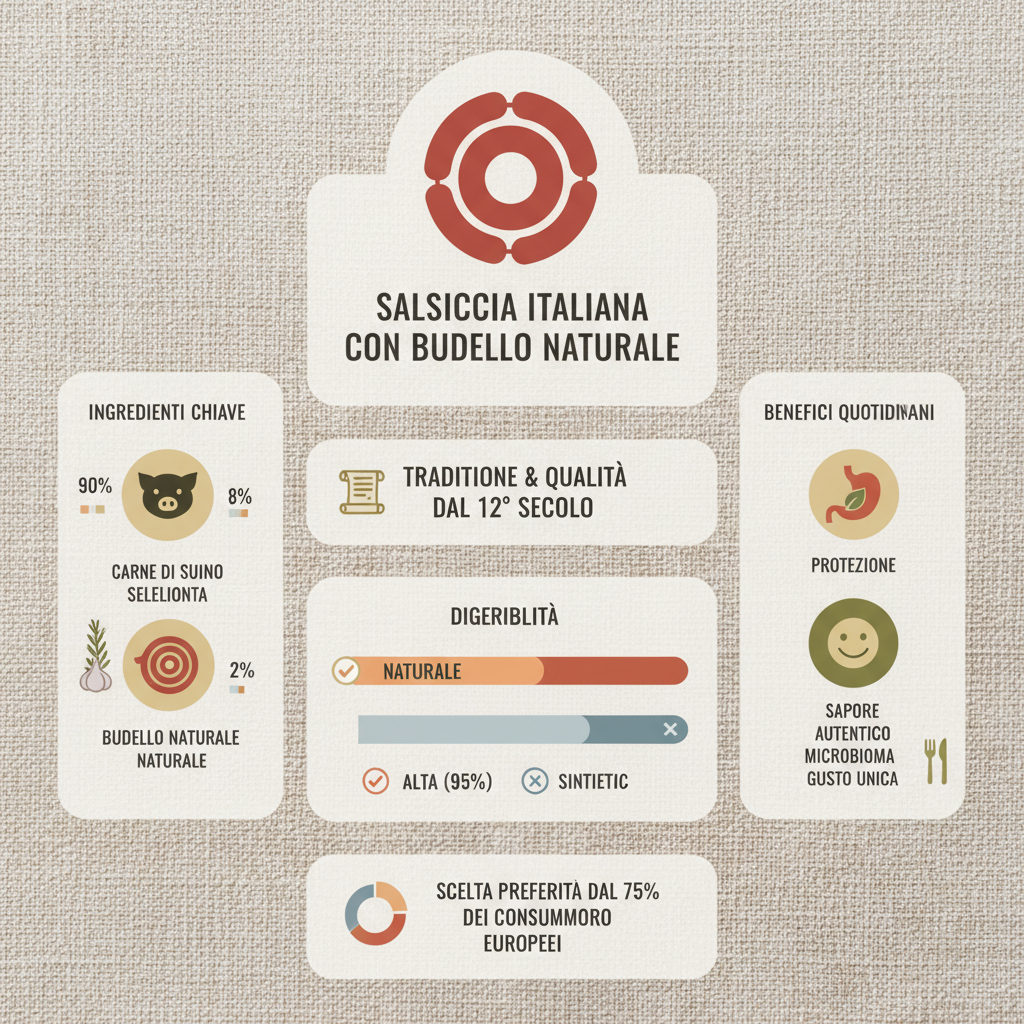
When selecting skin on Italian sausage, look for a firm texture and a natural pinkish-red color. Avoid sausage that appears slimy or has an off-putting odor. The casing should be intact and not overly brittle. Checking the ingredient list is also crucial – a quality sausage will contain a high percentage of pork and natural seasonings. For the best casings, turn to reputable suppliers like RTCasing, who specialize in providing high-quality natural casings for a superior sausage-making experience.
Conclusion: Elevate Your Cooking with Skin On Italian Sausage
Skin on Italian sausage offers a superior culinary experience due to its texture, flavor, and versatility. Choosing quality sausage with natural casings, like those available from RTCasing, ensures you're starting with the best possible ingredient. Whether you're creating a classic Italian dish or experimenting with new flavors, skin on Italian sausage is sure to impress.
Frequently Asked Questions (FAQs)
What is the best way to store skin on Italian sausage?
Skin on Italian sausage should be stored in the refrigerator at a temperature of 40°F (4°C) or below. For longer storage, it can be frozen for up to 2-3 months. Before freezing, wrap the sausage tightly in plastic wrap or place it in a freezer-safe bag to prevent freezer burn. When thawing, it’s best to do so in the refrigerator overnight to maintain its quality and texture. Avoid thawing at room temperature, as this can encourage bacterial growth.
Can I cook skin on Italian sausage directly from frozen?
While it's possible to cook skin on Italian sausage directly from frozen, it's not recommended. Cooking from frozen can result in uneven cooking and may affect the texture. It’s best to thaw the sausage completely in the refrigerator before cooking for optimal results. If you must cook from frozen, increase the cooking time significantly and ensure the sausage reaches an internal temperature of 160°F (71°C) to ensure it's safe to eat.
What are some good recipes to use skin on Italian sausage in?
Skin on Italian sausage is incredibly versatile! Try using it in pasta sauces like a classic ragu, pizza toppings, Italian wedding soup, stuffed peppers, or even breakfast scrambles. It also makes a delicious addition to frittatas, casseroles, and panini. For a quick and easy meal, simply grill or fry the sausage and serve with roasted vegetables and a side salad.
Where can I find high-quality natural casings for making my own sausage?
For high-quality natural casings, RTCasing is a trusted supplier. They offer a wide range of casings made from pork and beef intestines, ensuring you have the perfect casing for your sausage-making needs. Their casings are carefully selected and processed to meet the highest standards of quality and performance.