Mar . 21, 2026 02:35
Understanding Natural Salami Casings: A Comprehensive Guide
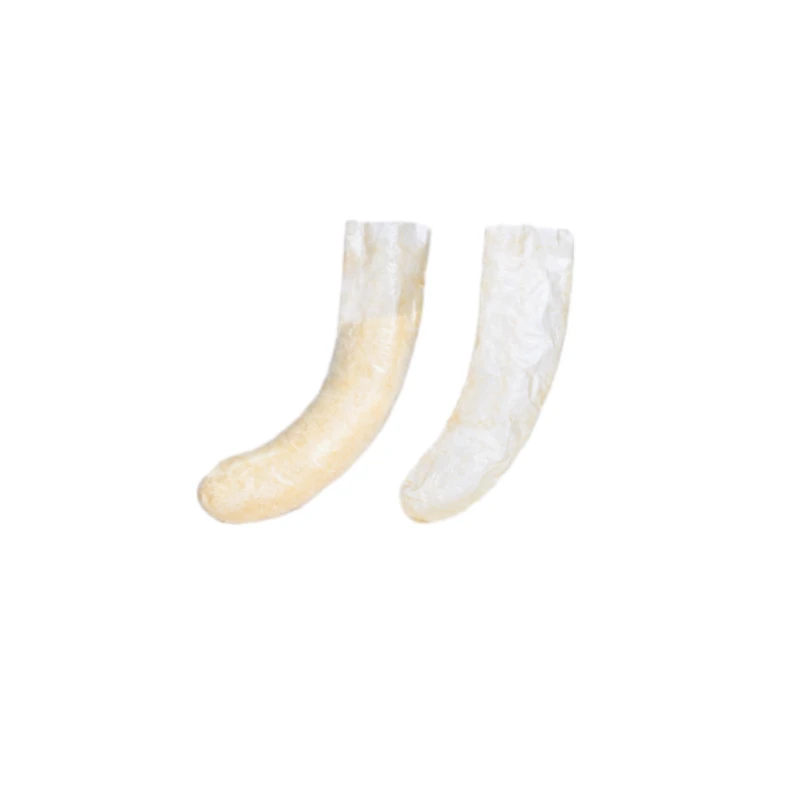
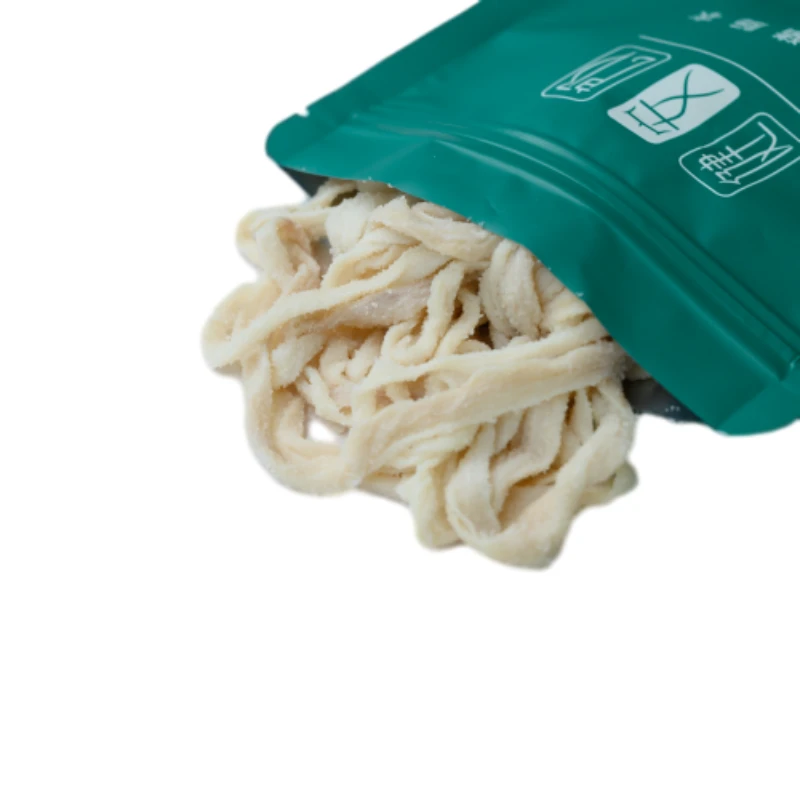
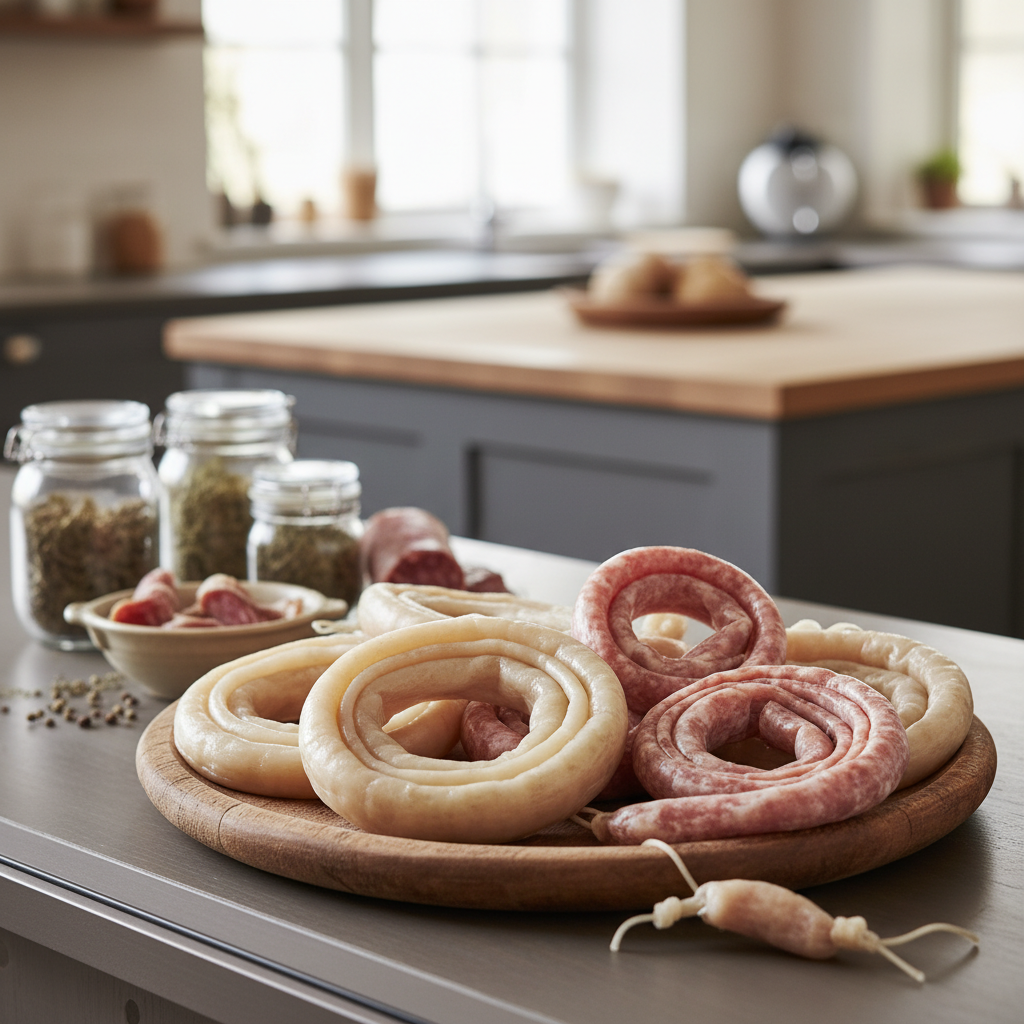
Natural salami casings are a vital component in sausage production, imparting unique texture, flavor, and appearance to the final product. They’re derived from the serous layer of animal intestines – typically pork, beef, or sheep – and offer a traditional approach to sausage making. This article will delve into the benefits, types, preparation, and sourcing of natural salami casings, providing essential knowledge for both seasoned sausage makers and those just starting. Properly utilizing these casings significantly enhances the quality and appeal of your salami.
The Benefits of Using Natural Salami Casings
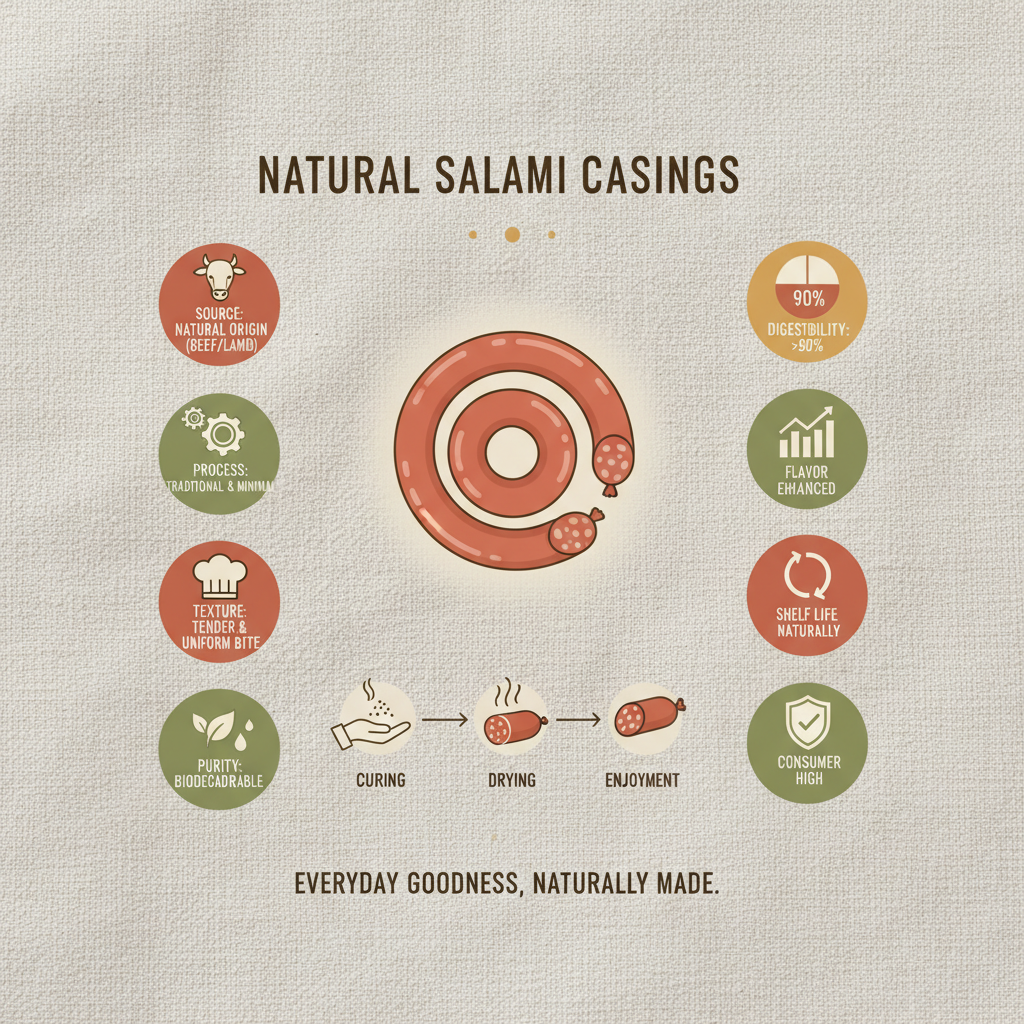
Choosing natural casings over synthetic alternatives offers several advantages. Primarily, they allow for optimal smoke penetration, resulting in a richer, more authentic flavor profile. Natural casings also possess a unique elasticity, enabling tighter packing and a firmer texture in the finished salami. Furthermore, they are edible and contribute to the overall sensory experience. Many consumers specifically seek out products made with natural casings due to their traditional qualities and perceived higher quality. Utilizing natural casings demonstrates a commitment to artisanal sausage making.
Key Benefits: Optimal smoke penetration, unique elasticity for tighter packing, edible & contributes to flavor, appeal to consumers valuing tradition.
Types of Natural Salami Casings
The type of natural casing used impacts the final product's characteristics. Pork casings are the most common, offering good elasticity and being readily available. Beef casings are thicker and more durable, suitable for larger diameter salamis. Sheep casings are known for their delicate texture and are often used in finer, more refined sausages. The choice depends on the desired diameter, texture, and overall characteristics of your salami. RTCasing provides a variety of options to meet specific production needs.
Casing Type Comparison:
• Pork Casings: Good elasticity, widely available.
• Beef Casings: Thicker, more durable, for larger salamis.
• Sheep Casings: Delicate texture, finer sausages.
Natural Salami Casings: Preparation is Key
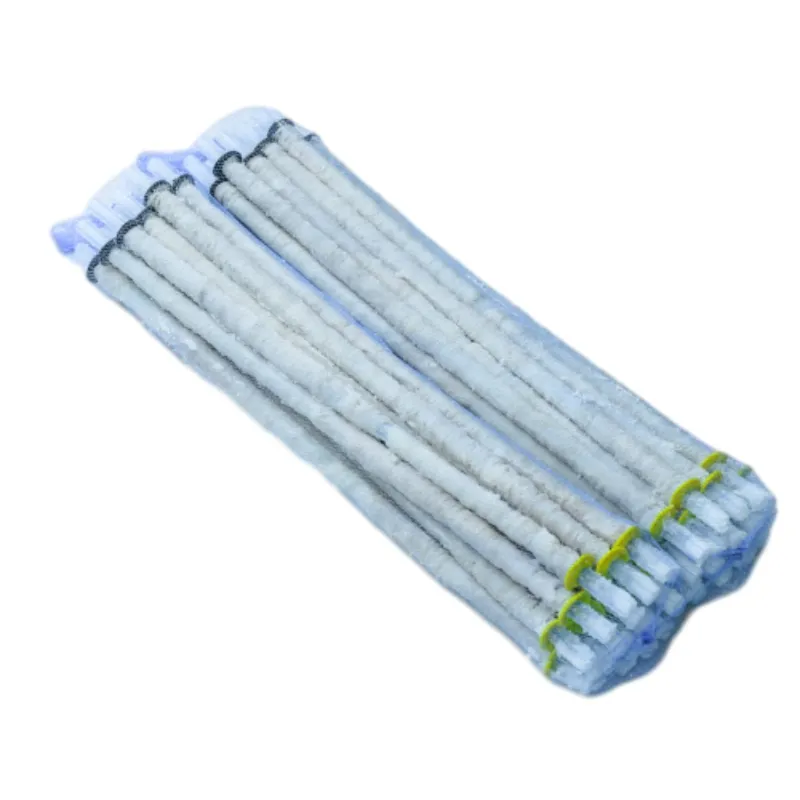
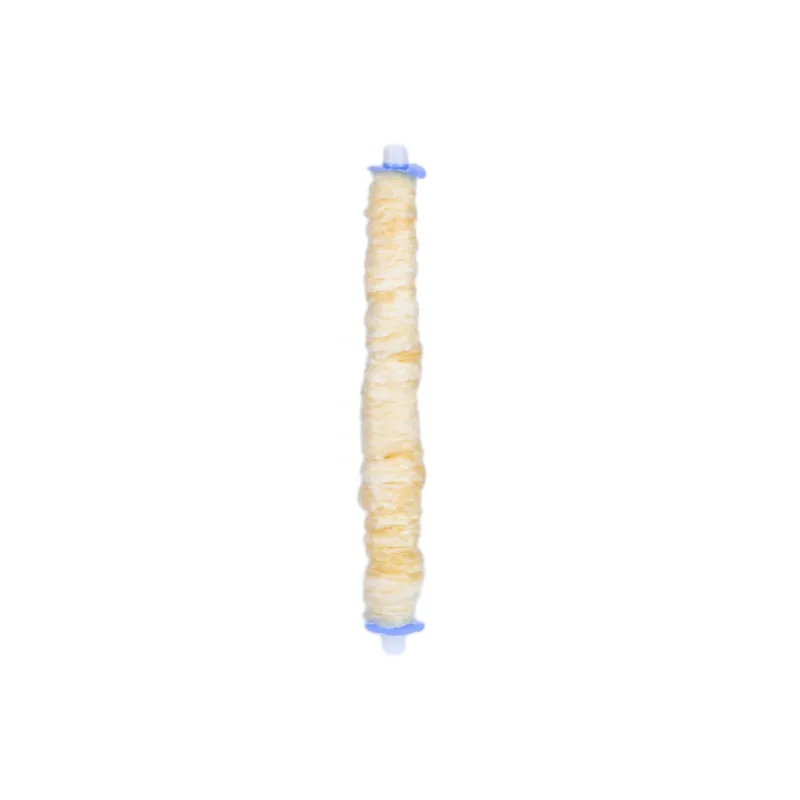
Proper casing preparation is essential for successful salami production. This includes rinsing the casings thoroughly in cold water to remove salt and debris. Some casings may require soaking to restore pliability. After rinsing, casings are often checked for holes and imperfections. A crucial step is 'casement', where the casings are placed onto a tube to prepare them for stuffing. Careful handling during preparation minimizes tearing and ensures a smooth stuffing process. RTCasing offers detailed guides on optimal casing preparation techniques.
Comparing Natural and Synthetic Casings
While synthetic casings offer convenience and consistency, they lack the nuanced qualities of natural casings. Synthetic casings typically don’t allow for the same level of smoke penetration, resulting in a less complex flavor. They also often have a plastic-like texture that detracts from the overall sensory experience. Natural casings, although requiring more preparation, deliver a superior product in terms of flavor, texture, and consumer appeal. The table below highlights the key differences.
Sourcing High-Quality Natural Salami Casings
The quality of the casings directly affects the final product. Sourcing from reputable suppliers like RTCasing ensures you receive consistent, high-quality casings that meet stringent food safety standards. Look for casings that are properly cleaned, salted, and stored to maintain their integrity. Proper storage – refrigerated and protected from moisture – is crucial for extending shelf life and preserving quality. Choosing a reliable supplier is an investment in the success of your salami production.
Conclusion: The Art of Salami Making with Natural Casings
Natural salami casings remain the preferred choice for artisans and producers who prioritize quality, flavor, and tradition. While they require more attention to detail during preparation, the resulting superior product is well worth the effort. By understanding the types, preparation techniques, and sourcing considerations discussed in this article, you can confidently elevate your salami production to new heights. RTCasing is your trusted partner for all your natural casing needs.
Frequently Asked Questions (FAQs)
How should I store natural salami casings?
Natural salami casings are perishable and require careful storage. They should be refrigerated at temperatures between 2°C and 5°C (35°F and 41°F). Ensure they remain moist – a slightly damp cloth can be used to cover them. Avoid freezing, as this can damage the casing structure. Properly stored casings can typically last for several weeks, but it’s always best to check for any signs of spoilage before use. Storing casings in a brine solution is also a common practice to maintain their pliability and prevent drying out.
What is the best way to check for holes in natural casings?
Checking for holes is crucial to prevent bursting during stuffing. The most effective method is to gently inflate the casing with air. Hold one end closed and slowly blow air into the other end. This will reveal any imperfections. Alternatively, you can submerge the casing in water and look for bubbles escaping, indicating a leak. Minor holes can sometimes be patched with a small piece of casing and a bit of casing glue, but severely damaged casings should be discarded.
Can I reuse natural salami casings?
Generally, it is not recommended to reuse natural salami casings. During the salami-making process, the casings become bonded to the meat and absorb flavors and fats. This makes them difficult to clean effectively and can compromise the quality of subsequent batches. Furthermore, the stretching and handling during the first use can weaken the casing, increasing the risk of tearing. For optimal results and food safety, it's best to use fresh casings for each production run.
What are the benefits of using sheep casings compared to pork or beef?
Sheep casings are prized for their exceptionally delicate texture and fine diameter, making them ideal for producing smaller-diameter, refined salamis. They also offer a unique snap and bite. While they are typically more expensive and can be more fragile to handle than pork or beef casings, the superior texture they impart to the final product is highly valued by many sausage makers, especially those crafting artisanal or gourmet products. They are particularly well-suited for dry-cured salamis.