Mar . 06, 2026 04:45
Understanding Halal Hot Dog Casings: A Comprehensive Guide
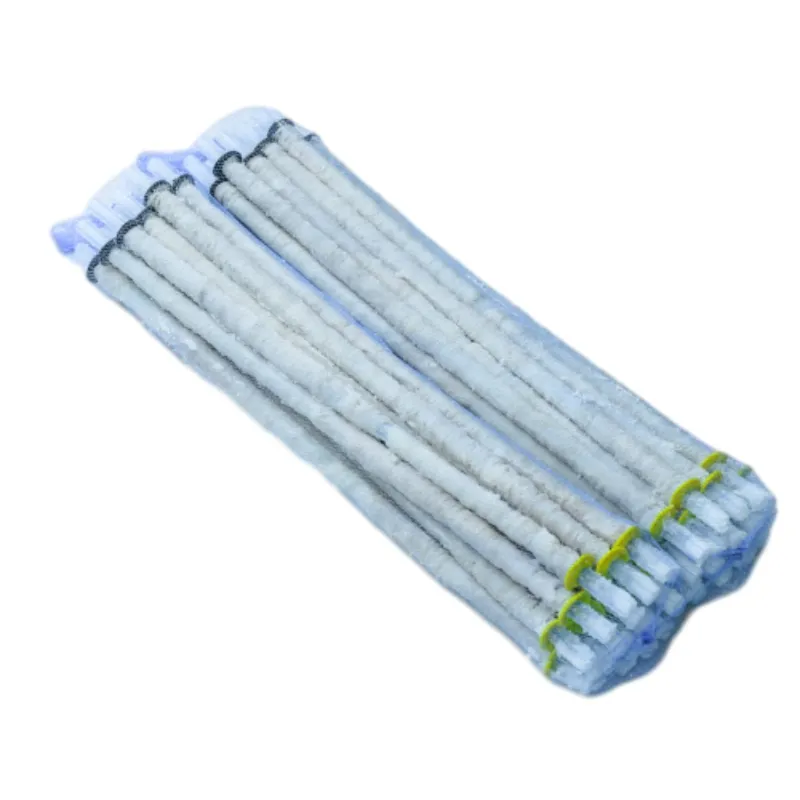
For food manufacturers and distributors catering to Muslim consumers, sourcing halal hot dog casings is paramount. These casings are essential for producing hot dogs that adhere to Islamic dietary guidelines, ensuring a wider market reach and consumer trust. This article provides an in-depth look at halal hot dog casings, covering their production, benefits, regulations, and why RTCasing is a trusted supplier. Meeting the requirements for halal certification isn't simply about ingredients; it encompasses the entire production process.

What are Halal Hot Dog Casings?
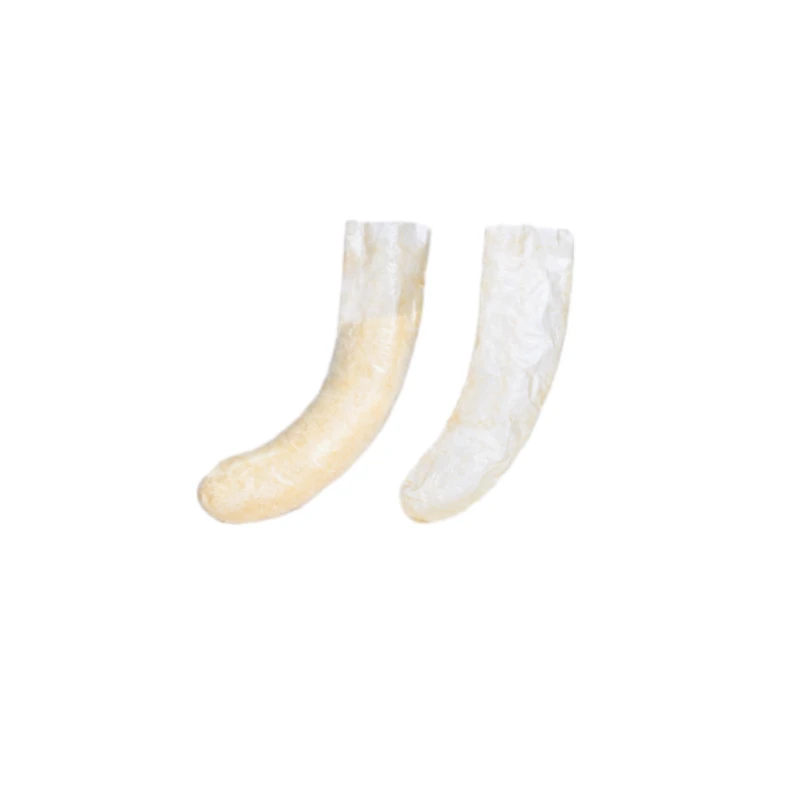
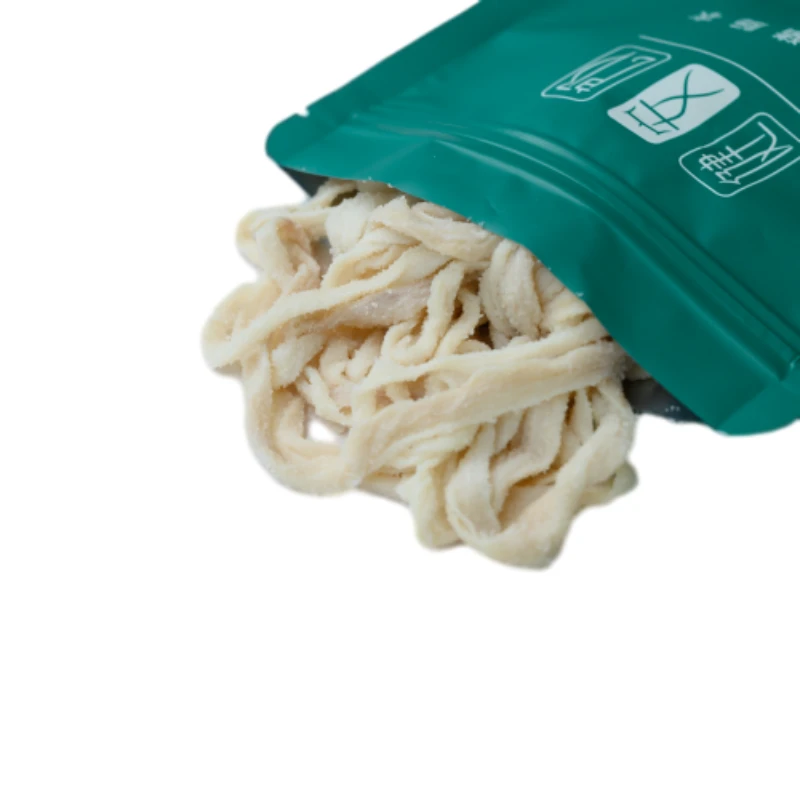
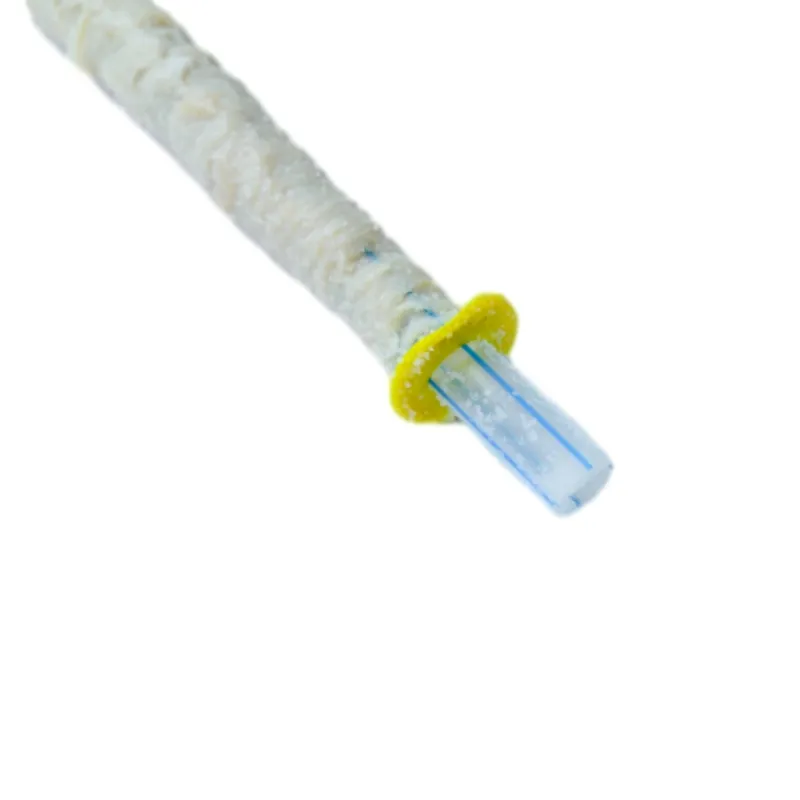
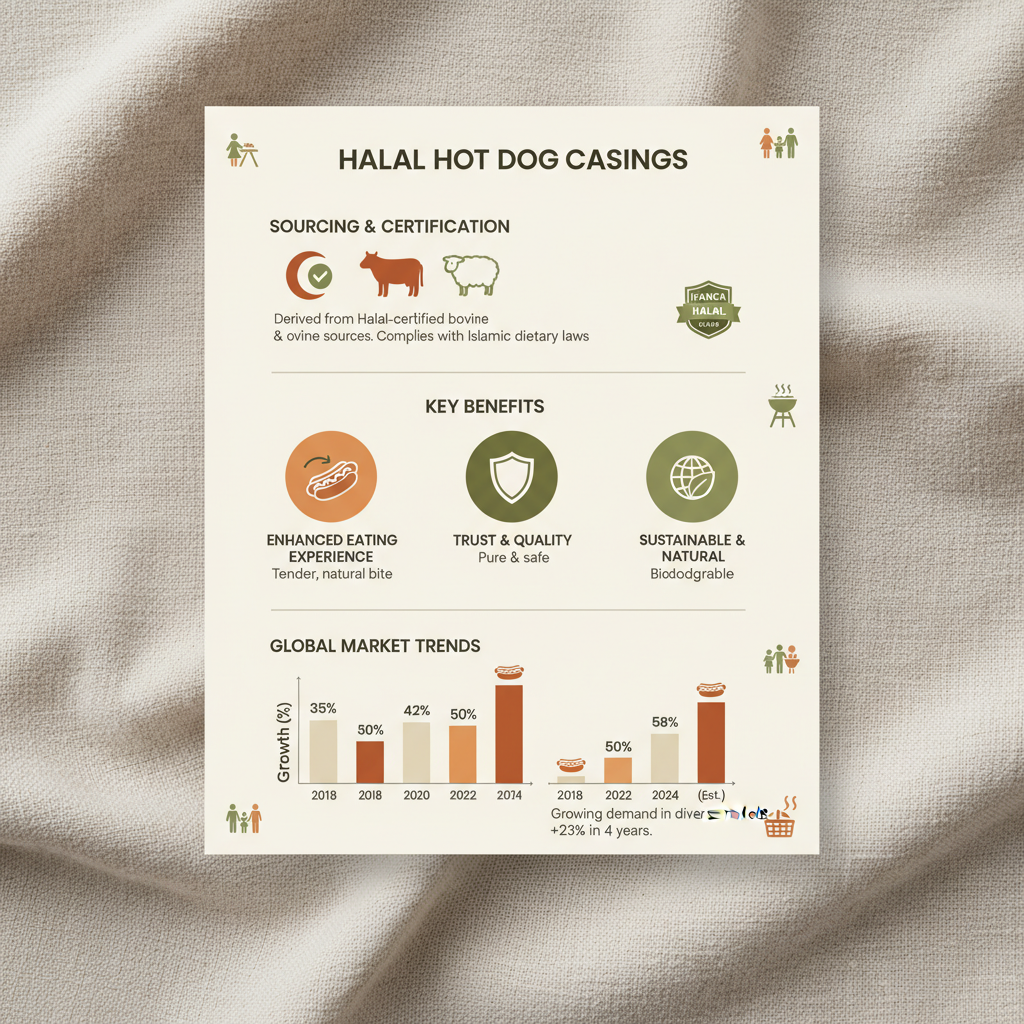
Halal hot dog casings are the outer coverings of hot dogs that meet the stringent requirements of Islamic dietary laws. These laws, known as Sharia, dictate what foods are permissible ("halal") and what are prohibited ("haram"). Specifically for casings, this means they must be derived from halal animals (typically bovine or ovine) slaughtered according to Islamic rites and processed without any haram substances. RTCasing specializes in providing precisely these certified casings, ensuring compliance at every stage.
Key Takeaway: Halal certification signifies a commitment to ethical sourcing and processing, aligning with the beliefs of Muslim consumers.
The Halal Certification Process for Casings
Obtaining halal certification for hot dog casings involves a rigorous process overseen by recognized halal certification bodies. This process includes a thorough audit of the entire supply chain, from animal sourcing and slaughtering to casing production and packaging. Auditors verify that all materials used are halal, that there is no cross-contamination with haram substances (such as pork or alcohol), and that all procedures adhere to Islamic guidelines. RTCasing works closely with reputable certification agencies to guarantee the integrity of their halal casings.
Key Elements of Halal Certification:
• Auditable Supply Chain
• Halal-Certified Ingredients
• No Cross-Contamination
• Compliance with Islamic Slaughter Practices
Halal vs. Conventional Casings: A Detailed Comparison
The primary difference between halal and conventional hot dog casings lies in the source and processing methods. Conventional casings can be derived from pork, beef, or sheep, and may involve ingredients or processing aids that are not permissible under Islamic law. Halal casings, as discussed, must strictly adhere to Islamic guidelines. This impacts not only the religious compliance but also market access, as halal-certified products open doors to a significant and growing consumer base.
Why Choose RTCasing for Your Halal Casing Needs?
RTCasing is a leading supplier of high-quality halal hot dog casings, dedicated to meeting the needs of food manufacturers worldwide. We offer a consistent supply of certified casings, stringent quality control, and competitive pricing. Our commitment to excellence extends beyond product quality; we prioritize customer service and reliable delivery. Contact us today to learn more about our halal casing options.
RTCasing Product Specifications
Here are some of the key specifications of our halal hot dog casings:
Conclusion: Partner with RTCasing for Reliable Halal Casings
Choosing RTCasing for your halal hot dog casing needs means gaining a trusted partner committed to quality, compliance, and customer satisfaction. We understand the importance of meeting halal standards and provide solutions that empower your business to succeed in a growing market. Contact us today to discuss your specific requirements.
Frequently Asked Questions (FAQs)
What does 'Zabiha' mean in relation to halal meat?
'Zabiha' refers to the Islamic method of animal slaughter. It involves a swift, humane cut to the jugular vein, carotid artery, and trachea while invoking the name of Allah. This method ensures the animal is rendered unconscious quickly, minimizing pain. Casings sourced from animals slaughtered according to Zabiha principles are considered halal. RTCasing only sources from facilities adhering to these practices.
How is cross-contamination prevented during halal casing production?
Preventing cross-contamination is crucial in halal production. Dedicated equipment and processing lines are used for halal casings, separate from those handling non-halal products. Thorough cleaning and sanitation protocols are implemented between batches, and strict controls are in place to prevent any contact with haram substances. RTCasing’s facilities are designed to maintain this separation throughout the entire process.
What documentation do you provide to verify halal certification?
RTCasing provides comprehensive documentation to verify the halal certification of our casings. This includes copies of the halal certificates issued by recognized certification bodies, as well as documentation detailing the sourcing of raw materials and the production process. We are transparent and committed to providing the information our customers need to ensure compliance.
Can halal casings be used for other types of sausages besides hot dogs?
Yes, halal casings can be used for a variety of sausage products, including frankfurters, bratwurst, and other emulsified or stuffed sausages, as long as the entire production process adheres to halal guidelines. The key is ensuring all ingredients, processing aids, and equipment are halal-certified and there is no cross-contamination.